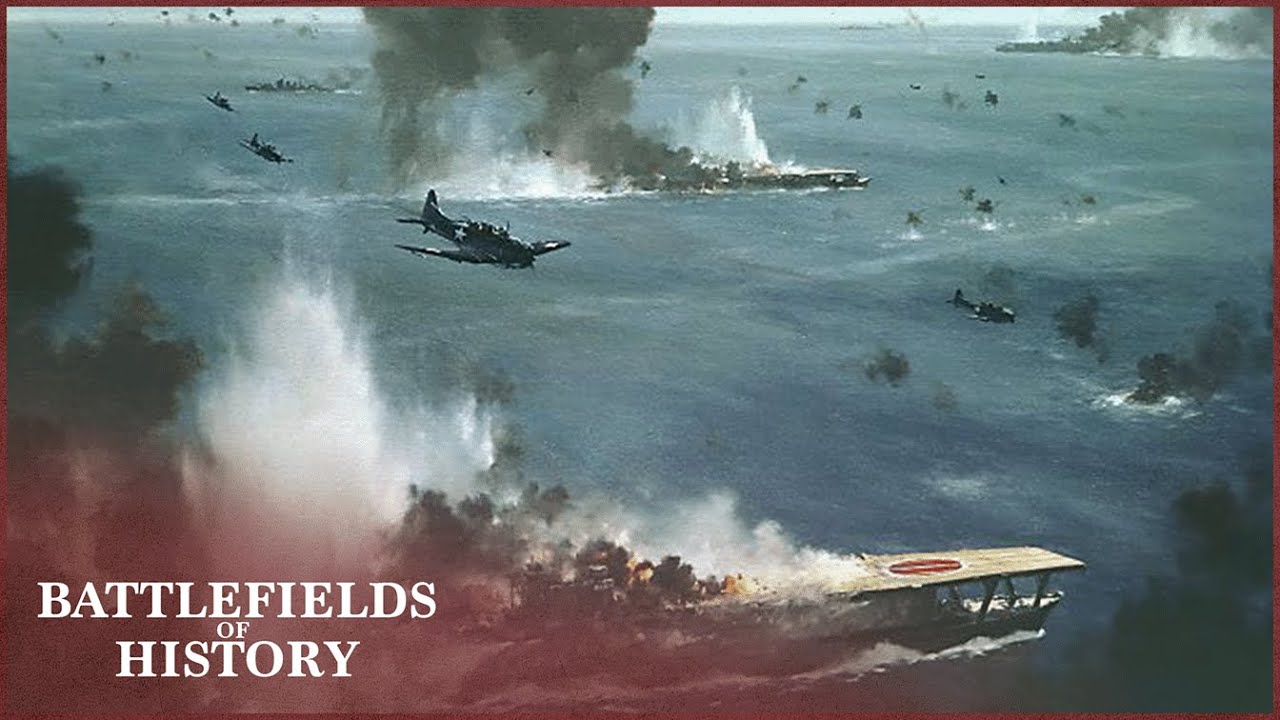
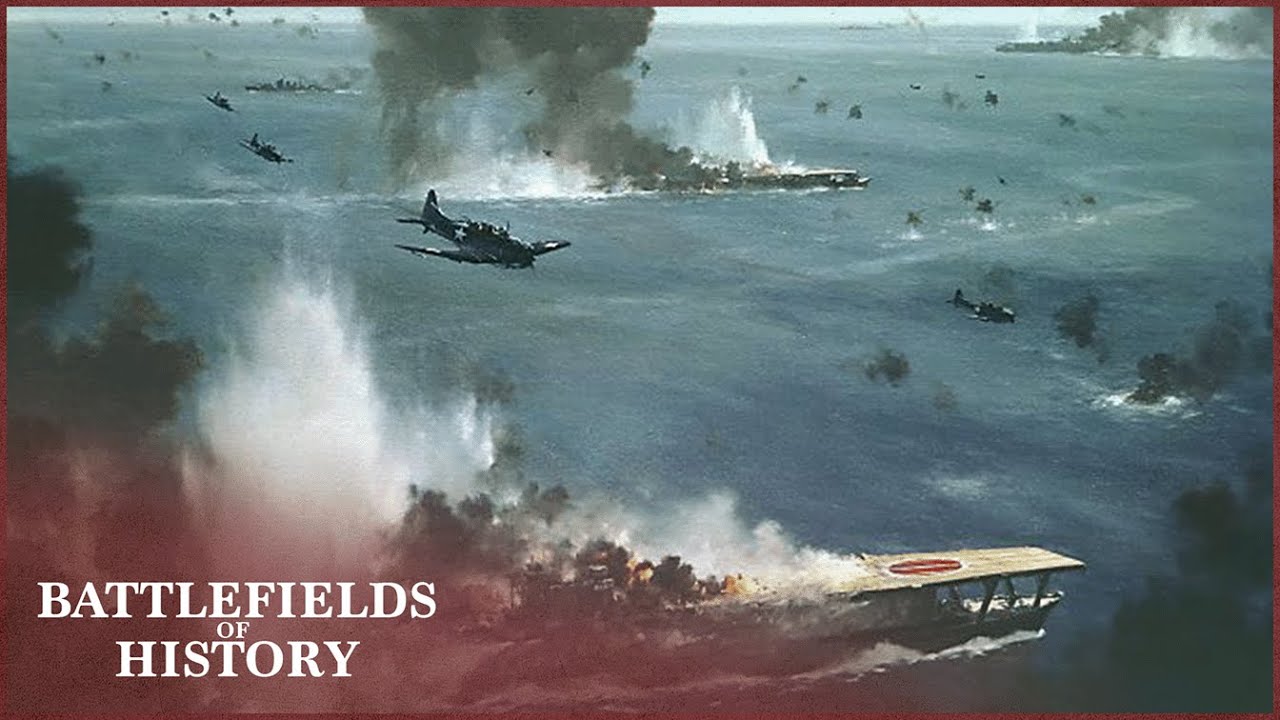
The color footage of World War II in the Pacific provides a striking visual account of a pivotal moment in history. This article will explore the significant events leading to Japan’s critical errors during the conflict, highlighting the strategic miscalculations that ultimately influenced the war’s outcome. By examining these historical elements through the lens of the recently uncovered footage, a clearer understanding of the complexities faced by Japan emerges.
As the narrative unfolds, you will encounter key battles and decisions that shaped the course of the war, providing insight into the strategic dynamics between the United States and Japan. This exploration not only emphasizes the importance of color imagery in understanding historical events but also reflects on the broader implications of Japan’s actions during this tumultuous period.
Historical Context of World War II in the Pacific
Overview of the Pacific Theater
The Pacific Theater of World War II was characterized by its vast geographical expanse, complex political dynamics, and significant military engagements. Spanning from the islands of Hawaii to the coasts of Japan, this conflict emerged as a focal point of contention amidst a backdrop of imperial ambitions and colonial histories. The strategic importance of the Pacific became apparent as naval power and air superiority turned out to be decisive in shaping the course of warfare. Ultimately, the theater was not merely a battleground but a reflection of broader ideological struggles, as imperialism, democracy, and national sovereignty collided in consequential ways.
Key Battles and Events Leading to Japan’s Involvement
The precursors to Japan’s entry into the Pacific War can be traced back to a series of aggressive maneuvers during the late 1930s. The invasion of Manchuria in 1931 marked Japan’s expansionist aspirations, leading to further violent engagements in China against the backdrop of a simmering conflict. The signing of the Tripartite Pact with Germany and Italy in 1940 formalized Japan’s alignment with Axis powers, solidifying its role as a key player in global militaristic ambitions. The path to war was paved with a mix of calculated aggression and miscalculations by Western powers, who underestimated Japan’s resolve and capacity for military action in the Asia-Pacific region.
Significant Powers and Alliances
The Pacific Theater was defined by the interplay of significant powers and military alliances that shaped the outcomes of the conflict. The major players included the United States, Japan, the British Commonwealth, and Australia, along with various Pacific island nations that became critical to the logistics and strategy of the war. The dynamics of these alliances were complex, as colonial histories and pre-existing grievances further influenced wartime cooperation. Moreover, Japan’s desire to assert dominance over Asia and the Pacific intersected with Western interests, igniting tensions that would culminate in widespread destruction and transformative geopolitical shifts.
The Role of Color Footage in Documenting History
Technological Advancements in Filming
The technological advancements in film during the 20th century laid the groundwork for the revolutionary role of color footage in documenting history. As motion picture technology evolved, color film emerged as a powerful medium that enhanced the narrative capabilities of filmmakers and documentarians. The first instances of color film produced prior to WWII showcased the potential for a vibrant representation of life and events. In the context of the Pacific War, this advancement allowed for a more vivid portrayal of the realities faced by soldiers and civilians alike, bridging the gap between stark historical accounts and the emotional experiences of individuals involved.
Significance of Color Footage vs. Black and White
The utilization of color footage offered distinct advantages over traditional black-and-white film. While black-and-white film had been the predominant form of motion capture, it often rendered the nuances of human emotions and environments in a stark, less relatable manner. In contrast, color film imbued footage with a sense of immediacy and realism that deeply resonated with audiences. This distinction was particularly important in communicating the gruesome realities of warfare and the complex human experiences surrounding it, granting viewers a more comprehensive understanding of the events depicted.
Impact on Public Perception and Historical Record
The impact of color footage on public perception during and after the conflicts of the Pacific War is profound. Color imagery contributed to an emotional engagement that black-and-white footage struggled to achieve, enhancing the dramatic narratives conveyed to both domestic and international audiences. As households across the globe were exposed to the vivid imagery of battle scenes, the suffering of innocents, and the valorous acts of soldiers, public sentiment began to shift, influencing opinions and policies about the war. The historical record, too, was irrevocably altered, as color footage provided a lens through which future generations could interpret the complexities of war, empathy, and human resilience.
Japan’s Strategic Aims in the Pacific
Expansionist Policies and Objectives
Japan’s strategic aims in the Pacific were driven by expansionist policies rooted in imperial ambition. The pursuit of resources, territory, and influence led to a series of military campaigns aimed at establishing a Greater East Asia Co-Prosperity Sphere, a concept that encapsulated Japan’s desire for regional domination. This ambition manifested in aggressive actions against neighboring territories, ensuring access to vital resources while simultaneously attempting to present Japan as a liberating force against Western imperialism. Such policies were not merely opportunistic; they were embedded in a broader narrative of national strength and survival.
Influence of Militarism and Nationalism
Japan’s militarism and nationalism played crucial roles in shaping its strategic aims and justifying its aggressive policies. Following the Meiji Restoration, a powerful military ethos emerged, leading to the belief that national strength could best be achieved through military power and expansion. The intertwining of these ideologies fostered a sense of superiority and destiny, propelling Japan into conflict with other powers. Militarism became institutionalized, permeating education, politics, and society, and often overriding democratic processes in favor of military-led governance that sought external conquests as a means of asserting national identity.
Key Leaders and Their Visions
Key leaders in the Japanese government and military articulated visions that underscored the nation’s aggressive thrust in the Pacific. Figures such as Prime Minister Hideki Tojo and Admiral Isoroku Yamamoto forged military strategies that balanced between pragmatism and ambition. While Tojo harnessed political power to mobilize the nation for war, Yamamoto crafted pivotal naval strategies that emphasized the importance of a decisive initial strike, encapsulated in the plan for the Pearl Harbor attack. The visions of these leaders illuminated a broader commitment to confrontation, driven by a belief in Japan’s destiny as a dominant power in Asia.
The Attack on Pearl Harbor: A Catalyst
Planning and Execution of the Attack
The attack on Pearl Harbor on December 7, 1941, stands as a pivotal catalyst in the trajectory of World War II. Devised through meticulous planning, the operation’s intent was to deliver a crippling blow to the United States Pacific Fleet, thereby securing Japan’s dominance across the Pacific. Utilizing a surprise assault by aircraft launched from carriers, the attack aimed to inflict maximum damage with minimal response. The execution of this plan demonstrated not only Japan’s naval capabilities but also a severe underestimation of American resolve and preparedness.
Immediate Consequences for the United States
The immediate consequences of the Pearl Harbor attack were profound and far-reaching. In the wake of the assault, the United States was propelled from a position of isolationism into full-scale engagement in the war. The emotional aftermath ignited a wave of patriotism and a unified resolve to retaliate against Japan’s aggression. President Franklin D. Roosevelt’s speech famously characterized the day as “a date which will live in infamy,” signifying a transformative moment in American history and galvanizing public support for war efforts.
Japan’s Perception of Victory
Japan’s perception of victory following the attack was rooted in a belief that their strategic offensive had provided them with a significant advantage. With the U.S. Pacific Fleet temporarily incapacitated, Japan sought to consolidate its gains and expand its territorial acquisitions. However, this initial sense of triumph would soon give way to a harrowing realization of the consequences of their actions, as the attack ultimately united American forces and resolved in a manner they had not fully anticipated.
Turning Points in the Pacific War
Battle of Midway: A Critical Defeat for Japan
The Battle of Midway, fought from June 4 to 7, 1942, marked a significant turning point in the Pacific War, shifting the balance of power from Japan to the United States. Concentrating on strategic intelligence and the element of surprise, American forces successfully ambushed the Japanese fleet, resulting in the loss of four aircraft carriers. This critical defeat not only hampered Japan’s naval capabilities but also signified a psychological blow from which the Japanese military would struggle to recover.
The Impact of Island-Hopping Strategy
The American strategy of “island-hopping” played a crucial role in reversing the momentum established by Japanese forces in the early years of the war. Rather than attempting to recapture every Japanese-occupied island, the Allies focused on strategically advancing through selected islands, establishing supply bases and airfields while bypassing heavily fortified positions. This approach minimized casualties and accelerated the U.S. advance toward Japan, fundamentally altering the dynamics of the conflict and enabling a sustained offensive campaign.
The Role of Allied Intelligence
Allied intelligence capabilities were pivotal in determining the course of the Pacific War. The ability to decode Japanese communications, specifically through breakthroughs such as the Magic program, provided critical insights into enemy strategies and intentions. The successful interception of Japanese plans for Midway exemplified how intelligence fundamentally shaped military outcomes and characterized a shift in the operational paradigm of the war. Through information dominance, the Allies were able to anticipate and counteract Japanese moves effectively.
Japan’s Fatal Mistake: Overextension
Consequences of Rapid Expansion
Japan’s rapid territorial expansion in the early years of the Pacific War presented critical challenges that would ultimately lead to its downfall. Capturing vast areas, including much of Southeast Asia and the Pacific Islands, strained Japanese military resources and logistics. The overextension of supply lines left the Japanese military vulnerable and ill-equipped to defend the territories it had violently acquired, leading to operational inefficiencies that would become increasingly problematic as the war progressed.
Resources and Logistics Challenges
The challenges of resources and logistics further exacerbated Japan’s situation as the war intensified. The rapid gains made during the initial phase of the conflict were not sustainable, given Japan’s limited industrial base and reliance on captured resources. As the war dragged on, the strain on logistics became increasingly evident, necessitating drawn-out supply chains that were disrupted by Allied counteroffensive operations. These logistical setbacks undermined Japan’s ability to sustain prolonged military campaigns and defend its hard-won territories effectively.
Failed Strategies and Tactical Errors
The Japanese military’s strategic miscalculations and tactical errors culminated in a series of operational missteps that compounded the challenges of overextension. The lack of flexible strategic planning, combined with an overreliance on decisive battles, often resulted in rigid tactics that failed to adapt to the evolving nature of warfare. As American forces adapted through strategic innovations, Japan’s approach appeared increasingly antiquated. Overconfidence and a belief in superiority led to underestimating the resolve and capability of Allied forces, culminating in severe operational setbacks.
The Influence of Leadership Decisions
Key Figures in Japanese Military Strategy
The leadership decisions made by key figures in the Japanese military were instrumental in defining the course of the Pacific War. Leaders such as Admiral Isoroku Yamamoto and General Hideki Tojo held strategic visions that often prioritized rapid offensives over sustainable military practices. The lack of unified collective decision-making among military factions further complicated strategies, leading to friction that ultimately hindered Japan’s war efforts.
The Role of Emperor Hirohito
Emperor Hirohito’s role during the Pacific War is a subject of extensive debate among historians. While often perceived as a figurehead, evidence suggests that his authority and influence were more significant than commonly recognized. Despite his apparent detachment from military operations, Hirohito’s endorsement of aggressive strategies contributed to Japan’s militaristic culture. As a national symbol, his decisions and hands-off approach toward military leaders shaped the collective mindset of a nation embroiled in war.
Conflicting Interests Among Military Leaders
Conflicting interests among military leaders in Japan created a disjointed strategic vision that hindered cohesive actions during the war. With various factions vying for influence and pushing diverging agendas, the inability to present a unified front often compromised operational effectiveness. The resulting infusion of competing ideologies created a lack of consensus, jeopardizing the efficiency of military planning and escalating the internal struggles that contributed to Japan’s eventual defeat.
The Use of Color Footage to Analyze Battles
Key Color Footage from the Pacific Theater
The availability of color footage of the Pacific Theater provides an invaluable opportunity to analyze historical battles through a more nuanced lens. Documentaries and wartime recordings capture the vibrant dynamics of the conflict, revealing aspect of daily life and the brutality of warfare that textual accounts alone struggle to convey. Significant events such as the landings at Iwo Jima and the battles at Guadalcanal come alive in color, enriching the historical narrative by illustrating the lived experiences of soldiers and civilians.
Analyzing Key Events Through Visual Media
Visual media serves as a critical tool for analyzing key events of the Pacific War, illuminating intricate details that enrich historical understanding. Interpreting battles through color footage offers a vivid representation of tactics, technologies, and the human experience, providing a complementary perspective to traditional scholarly assessments. The complexity of warfare, with its myriad emotional and psychological elements, stands out when viewed through dynamic and colorful imagery, resulting in a more holistic understanding of the historical moments depicted.
Documentary Footage’s Role in Historical Interpretation
The role of documentary footage in historical interpretation is profound, as it allows not only for reflection on the past but also for understanding the transformative impact of warfare on societies. Color footage conveys the juxtaposition of heroism and the tragedy of conflict, leading to an enriched engagement with history. Documentary filmmakers have the responsibility to thoughtfully contextualize this footage, enabling contemporary audiences to grasp the ethical implications and human stories behind the battles that shaped the course of World War II in the Pacific.
The American Counteroffensive
Major Campaigns and Their Implications
The American counteroffensive in the Pacific was characterized by several major campaigns, each carrying significant implications for the course of the war. Initiatives such as the recapture of the Philippines, the bloody confrontations at Okinawa, and the strategic assaults on fortified Pacific islands not only served to reclaim lost territory but also symbolized a shift in momentum toward the Allies. Each campaign brought about changes in tactics, highlighting the adaptive nature of American forces in the face of previously executed Japanese strategies.
The Role of Naval Power in Shaping Outcomes
Naval power emerged as a cornerstone of the Pacific War, fundamentally shaping outcomes on the battlefield. The Second World War underscored the importance of aircraft carriers and naval supremacy, as American forces transitioned from relying on heavy battleships to striking with greater agility and reach. The defeat at Midway exemplified the ramifications of naval engagement, illustrating how control of the seas facilitated successful land campaigns and ultimately led to Japan’s isolation.
Impact on Japanese Morale and Strategy
The American counteroffensive had a profound impact on Japanese morale and strategy as the war progressed. As the tide turned against Japan, the initial sense of invincibility eroded, resulting in declining troop morale and increasing desperation among commanders. The realization that territorial gains could be lost rekindled fears of defeat and fueled a cycle of increasingly fatalistic decisions. This shift in morale prompted Japan’s leadership to adopt more desperate measures, which ultimately contributed to their defeat.
Conclusion
Summary of Japan’s Strategic Miscalculations
The trajectory of Japan in the Pacific War is marked by a series of strategic miscalculations that ultimately culminated in defeat. Overconfidence in military superiority, coupled with the failure to adapt to shifting dynamics on the battlefield, exposed critical vulnerabilities that escalated as the war progressed. The combination of overextension and rigid adherence to pre-war strategies created a scenario in which Japan could not effectively counter the increasingly coordinated and adaptive tactics employed by Allied forces.
Reflections on the Importance of Documenting History
Documenting history through vivid imagery and accounts allows for a richer understanding of past events and fosters a collective memory about the stakes of warfare. The capacity for color footage to convey emotions and lived experiences adds depth to historical narratives, ensuring that future generations grasp the complexities of conflict. Analyzing these records encourages reflection on the ethical dimensions of war, facilitating a broader discourse on peace, resilience, and the human condition.
The Role of Historical Footage in Understanding War
The role of historical footage in understanding war cannot be overstated, as it creates a bridge between past and present. By providing context, emotion, and a multi-sensory experience, color footage aids in grasping the human experiences behind military strategies. Such footage not only enriches academic discourse around warfare but also inspires contemporary audiences to reflect on the moral imperatives of conflict, ensuring that the lessons of history resonate across generations. In capturing moments of triumph and tragedy alike, historical footage remains a vital tool in understanding the legacies of war and the realities that accompany it.