
The Battle of Amiens, occurring in August 1918, represents a pivotal moment in World War I, marking the transition from a defensive to an offensive strategy among Allied forces. This significant engagement involved a coalition of British, Australian, Canadian, and French troops, who, supported by tanks and aircraft, executed a well-coordinated assault that resulted in a remarkable advance of approximately seven miles in a single day. Such a display of military effectiveness underlined the importance of combined arms and fresh troops in overcoming the fatigued and demoralized German forces.
The repercussions of the Battle of Amiens were profound, as it initiated the Hundred Days Offensive, which ultimately dismantled the entrenched stalemate of trench warfare on the Western Front. German high command, recognizing the deteriorating situation and operational failures, experienced a seismic shift in morale, leading General Ludendorff to declare August 8 as the “Black Day” for the German Army. The engagement not only signaled a collapse of German resolve but also facilitated an accelerated push towards victory for the Allies, impacting fronts beyond Amiens and contributing to the broader defeat of the Central Powers.
The Battle of Amiens: A Defining Moment in World War I

Context of the Battle
Historical Background of World War I
World War I, ignited in 1914, reshaped the global landscape through its unprecedented scale and destructive potential. The conflict stemmed from a complex interplay of nationalistic fervor, imperial ambitions, and entrenched alliances. You must understand that the war saw the Central Powers, primarily Germany, Austria-Hungary, and the Ottoman Empire, pitted against the Allies, including Britain, France, Russia, and later, the United States and Italy. The devastation of trench warfare, characterized by stagnant frontlines and horrendous casualties, marked a significant shift in military tactics and international relations.
Germany’s Strategies Leading Up to 1918
By the end of 1917, German command recognized the urgent need for a decisive shift in strategy to break the stalemate. You should note that the strategy hinged on using concentrated and rapid offensives, mainly spearheaded by elite forces such as stormtroopers and complemented by new technological innovations, including tanks and aircraft. The expectation was to destabilize Allied defenses and exploit perceived weaknesses. The German leadership embarked on ambitious Spring Offensives in early 1918, aiming to achieve victory before American forces fully arrived on European soil.
Allied Responses and Preparations
In response, Allied leaders convened to consolidate their strategies. You can observe that the formation of the Supreme War Council symbolized a committed effort to coordinate military actions and logistics among the Allied powers. The Allies intensified material support, incorporated fresh troops, especially from the United States, and refined their tactics to adapt to the evolving battlefield dynamics. This newfound unity and preparation set the stage for counteroffensive strategies, culminating in a revitalized determination to combat the mounting German threat.
Prelude to Amiens
The German Spring Offensive
The German Spring Offensive of March 1918 marked what you would recognize as an aggressive initiative aimed at breaking through Allied lines using overwhelming force. The tactics employed included infiltration tactics, artillery bombardments, and the integration of air support. While successful initially, achieving significant territorial gains, the offensive ultimately overstretched German supply lines and left troops vulnerable to counterattacks due to exhaustion and overextension.
Allied Defensive Measures
Understanding the urgency of the situation, Allied forces implemented defensive measures and fortified positions along the front lines. You would note that they employed strategic withdrawals to preserve manpower and resources while conducting localized counterattacks. The implementation of techniques such as elastic defense allowed the Allies to absorb the initial shock of the German offensives, maintain cohesion, and prepare for their forthcoming response.
Intelligence and Reconnaissance Efforts by the Allies
You must appreciate that intelligence and reconnaissance played a crucial role in the lead-up to the battle. Advances in aerial reconnaissance and coordination with ground units provided actionable information on German troop movements and concentrations. The Allies innovated in sharing intelligence among their ranks, significantly enhancing their ability to preempt and counter German maneuvers and spearheading innovations that would play a vital role in the upcoming confrontation at Amiens.
Key Players in the Battle
Overview of Allied Forces Involved
In the days leading to the Battle of Amiens, a coalition of forces converged in an unprecedented display of military cooperation. British, Australian, Canadian, and French units, alongside elements of the American Expeditionary Forces, formed a diversified battleground force. As you reflect on this coalition, it becomes evident that the synergy among these units, comprising expert infantry, artillery, and tank regiments, was instrumental in executing the planned offensive effectively.
Role of German Commanders
On the German side, military leaders such as General Erich Ludendorff and General Paul von Hindenburg were pivotal. Their strategies, which emphasized rapid, brutal offensives, initially promised success but ultimately failed as they faced mounting logistical difficulties and declining troop morale. You would note that Ludendorff’s acknowledgment of August 8, 1918, as the “Black Day” of the German Army illustrated a critical turning point. His inability to adapt to the Allied countermeasures revealed the growing challenges confronting German command.
Influence of Other Nations’ Forces
Allied support from other nations was critical to the efforts at Amiens. Contributions from Allied territories, particularly those of the British Empire and French colonial forces, provided depth and diversity in manpower. You might also consider the significance of American troops entering the battlefield around this period; although they weren’t the majority at Amiens, their arrival bolstered the Allied effort and signaled a shift in the war’s dynamics as fresh American forces entered the fray.
The Day of the Battle
Initial Phases of the Attack
The dawn of August 8, 1918, marked the initiation of the Battle of Amiens. Under the cover of darkness, Allied forces executed a meticulously planned assault, employing artillery bombardment to disrupt German defenses and conceal the movement of infantry and tanks. As you analyze the unfolding events, you will notice the precision and timing orchestrated by Allied commanders, which culminated in a surprise offensive that caught the German forces off guard.
Innovative Tactics and Technology Utilized
As Allied troops surged forward, the tactical application of combined arms became evident. You should take special note of the integration of tanks and airpower, where tanks broke through enemy lines, facilitating mobility and acting as a shield for advancing infantry. The use of coordinated air support allowed for aerial reconnaissance and targeted strikes, thus debilitating German troop concentrations and supply routes. These technological advancements represented a paradigm shift in military strategies, showcasing the potential for innovative approaches to warfare.
Reaction of German Forces to the Assault
The initial phases of the attack wreaked havoc on German defenses. Caught unprepared, German forces struggled to mount an effective response. As you reflect on their reaction, it becomes clear that many German units experienced disarray and confusion under the overwhelming Allied advance. Factors such as deteriorating morale, scarcity of supplies, and prior exhaustion compounded their vulnerability. Over time, this lack of cohesive response transformed into a broader crisis for the German command, marking the beginning of the end.
Impact of Combined Arms
Importance of Tanks in the Offensive
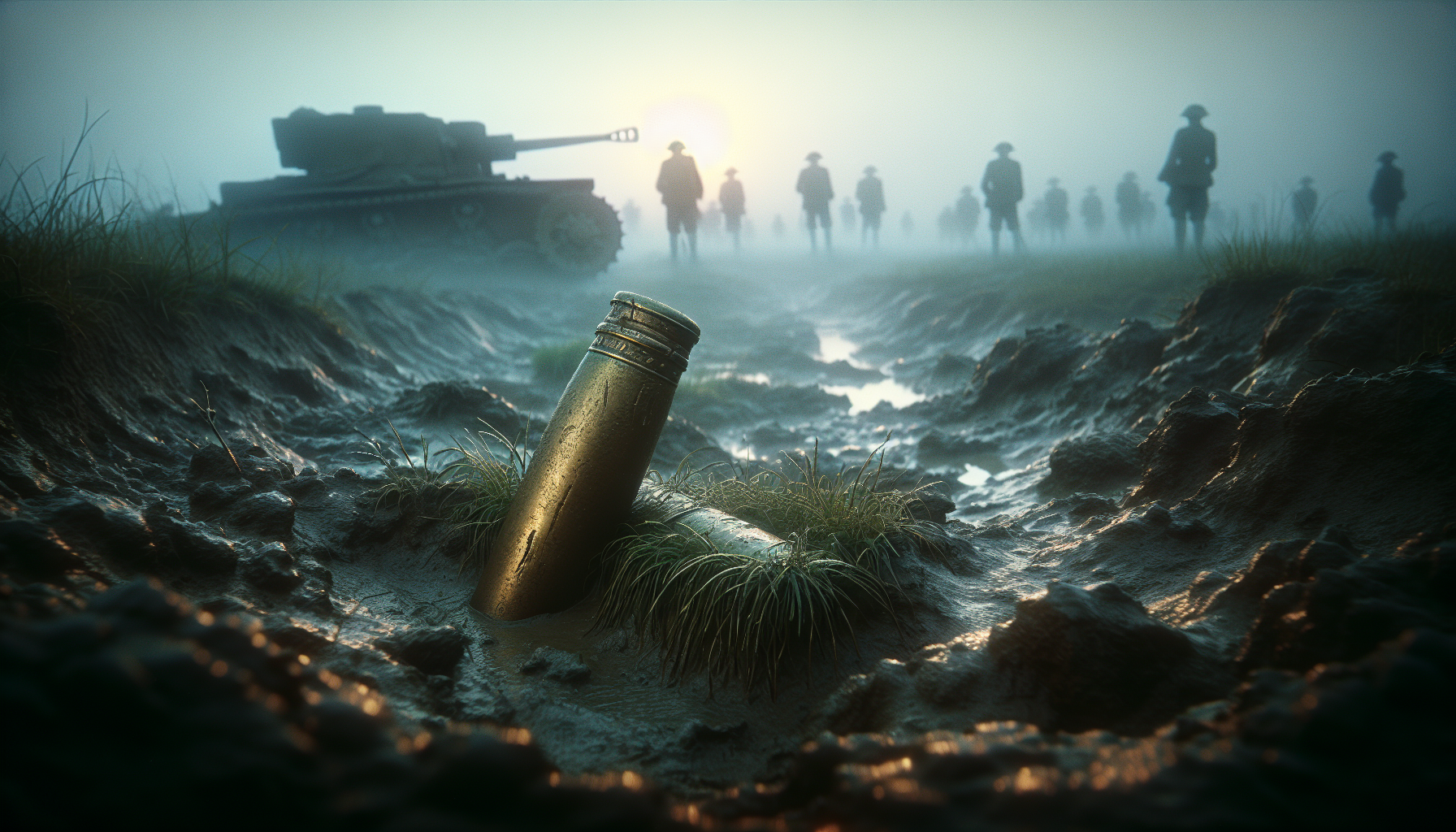
The role of tanks in the Battle of Amiens cannot be overstated. These mechanized units offered a breakthrough capability that traditional infantry could not achieve. Their ability to traverse rugged terrain and navigate through enemy fortifications allowed Allied forces to exploit gaps in the German lines effectively. You should recognize that this impact radically altered the understanding of mobile warfare, showcasing the potential of armored units in modern conflicts.
Role of Air Power and Reconnaissance
Aerial support played an integral role in the success of the offensive, providing both reconnaissance and direct strike capabilities. The Allies utilized aircraft for surveillance, allowing commanders to gather critical intelligence regarding enemy positions and supply routes. You should note that air superiority empowered ground forces, fostering an environment of flexibility and adaptability, which was essential for exploiting the German weaknesses during the battle.
Infantry Tactics Supporting Mechanized Units
The cooperation between infantry and mechanized units represented a novel tactic that underpinned the success of the operation. As tanks led the way, infantry companies followed closely behind, ensuring that flanks were secure while capitalizing on the momentum. This collective force approach of utilizing different types of units in a complementary manner demonstrated a refined operational understanding that fostered adaptability on the battlefield.
Logistical Challenges
Supply Chain Management for the Allies
In military operations of this scale, effective supply chain management is paramount. The Allies faced their own logistical challenges but adapted through well-established networks that facilitated the provisioning of necessary resources. You must appreciate that the arrival of fresh American forces also bolstered logistics in terms of manpower, creating a more robust system that was able to support aggressive operations better.
Issues Faced by German Forces
In stark contrast, German logistical systems faltered under the strain of prolonged engagements. The rapid advances during the Spring Offensive had stretched supply lines to their limit, contributing to shortages of critical resources such as food and ammunition. As you analyze the operational difficulties faced by the Germans, the correlation between logistics and battlefield performance becomes clear, illustrating that untenable supply situations had dire consequences for their operational effectiveness.
The Significance of Troop Morale and Readiness
With logistical strains came the erosion of troop morale. German soldiers faced both physical exhaustion and psychological strain, factors that significantly impaired their combat readiness. You should consider how this decline in morale contributed to the growing disarray within German ranks during the Battle of Amiens. Conversely, the Allies, buoyed by fresh reinforcements and a sense of unity, exhibited heightened morale, further facilitating their operational success.
Aftermath of the Battle
Immediate Consequences for German Forces
The immediate aftermath of the Battle of Amiens marked a severe setback for German forces. You would soon observe that the battle inflicted heavy casualties and significantly undermined the cohesion of German units, prompting a wave of surrenders and a retreat from previously held positions. This fundamental shift in the front line revealed the fragility of German defensive strategies as the Allies capitalized on their newly gained momentum.
Effects on Allied Morale and Strategy
Conversely, the victory at Amiens revitalized Allied morale, reinforcing a belief that success in the war was finally attainable. This newfound confidence translated into strategic recalibrations, leading to the formation of the Hundred Days Offensive—a series of relentless assaults against overstretched German defenses. The allies began to consolidate their victories, fostering a sense of unity and purpose that had previously been absent.
Long-term Implications for the War
The implications of the Battle of Amiens extended well beyond its immediate effects. You can regard it as a critical juncture that initiated the unraveling of German military ambitions, forcing them into a defensive posture that would characterize subsequent engagements. The failure of the battle underscored the inadequacies of traditional warfare approaches and set the stage for evolving strategies that prioritized mobility and combined arms.
Strategic Shift in the War
Beginning of the Hundred Days Offensive
The success at Amiens heralded the commencement of the Hundred Days Offensive. You should recognize this phase as a period marked by aggressive Allied assaults that consistently pressured German lines, ultimately leading to significant territorial gains and a gradual collapse of Central power defenses. The sustained offensive sought to exploit the disintegration of German morale and cohesion, facilitating a strategic pivot toward potential victory.
Transition from Trench Warfare to Open Conflict
The Battle of Amiens symbolized a vital transition from the entrenched stalemate that had defined the Western Front for much of the war. You may consider this shift significant as it illustrated a new era of mobility and adaptability within military operations. The successes achieved at Amiens demonstrated that well-coordinated, combined arms tactics could break the deadlock of trench warfare, paving the way for future conflicts.
Impact on Global Perceptions of Military Strategies
The reaction to the Battle of Amiens resonated beyond the immediate military context, impacting global perceptions of military strategy and doctrine. You would note that the developments highlighted the importance of innovation and adaptability in warfare, as details of victory inspired armies worldwide to reconsider their approaches to combat. Consequently, the battle influenced military strategy and set precedents for future conflicts beyond World War I.
Political Consequences
Influence on German Leadership
In the wake of the Battle of Amiens, you will recognize that political ramifications rippled through the ranks of German leadership. The failure at Amiens exacerbated tensions among military commanders and political leaders, undermining faith in the capabilities of the German war effort and generating calls for reevaluation of strategic priorities. Leadership shifts, influenced by the apparent crisis, would soon reshape the trajectory of policy decisions in the subsequent months.
Responses from Allied Governments
On the flip side, the success achieved at Amiens galvanized Allied governments, leading to renewed commitments to the war effort. You can observe that the victory bolstered political unity among the Allies, fostering cooperation not only in military efforts but also in diplomatic relationships. The valor exhibited by soldiers at Amiens served as a rallying point, enhancing governmental resolve against the Central Powers.
Public Sentiment in the Home Fronts
You should also reflect on the influence of the Battle of Amiens on public sentiment on the home fronts. The victory instilled hope among civilians who had endured the hardships of war. You will recognize that this surge of optimism became a driving force for continued support for the war effort, providing psychological backing that could sustain the ongoing military campaigns as the war drew closer to its conclusion.
Conclusion
Summary of Key Findings
In examining the Battle of Amiens, it becomes evident that the confluence of strategy, technology, and human resolve played critical roles in shaping wartime dynamics. The integration of combined arms helped the Allies break free from the shackles of trench warfare and launched them toward a path of offensive victory.
The Battle of Amiens as a Turning Point in WWI
The significance of the Battle of Amiens cannot be overstated—it serves as a definitive turning point in the First World War. You will find that the ramifications of this battle led directly to the initiation of the Hundred Days Offensive and the eventual collapse of German military ambitions.
Reflections on the Implications for Future Conflicts
Reflecting on the lessons drawn from Amiens, one appreciates how military doctrine evolved as armies sought to integrate complex technologies and cooperative strategies. As you consider the implications of this battle for future conflicts, you recognize that the principles of innovation, adaptability, and unity underscore contemporary military strategies, reinforcing the notion that the lessons of history remain relevant in shaping modern warfare.