
The recent decision by the Army to reduce the number of Apache helicopters, alongside a significant cut in aviation personnel, has raised critical concerns regarding military preparedness and strategic capability. This article examines the rationale behind these reductions, focusing on the potential consequences for Army aviation and overall defense operations. It will also explore the plans proposed by military leaders to replace these resources and the implications such changes hold for future readiness.
In analyzing the cuts to Army aviation, consideration will be given to the context of budgetary constraints and evolving operational needs. You will gain insights into the strategic discussions surrounding these decisions and how they align with the broader objectives of the defense industry. This exploration aims to foster understanding and stimulate thoughtful discussion about the future of military aviation and its critical role in national security.
Overview of the Army’s Helicopter Cuts
Summary of the Planned Reductions
You may have recently encountered discussions regarding significant reductions in the U.S. Army’s helicopter fleet, specifically targeting the Apache and other rotary-wing aircraft. These cuts are part of a broader strategy aimed at realigning military priorities, which could reshape the landscape of Army aviation. The Army’s decision has not only stirred conversations among military professionals but also sparked debate among defense analysts, political entities, and the general public.
Number and Types of Affected Helicopters
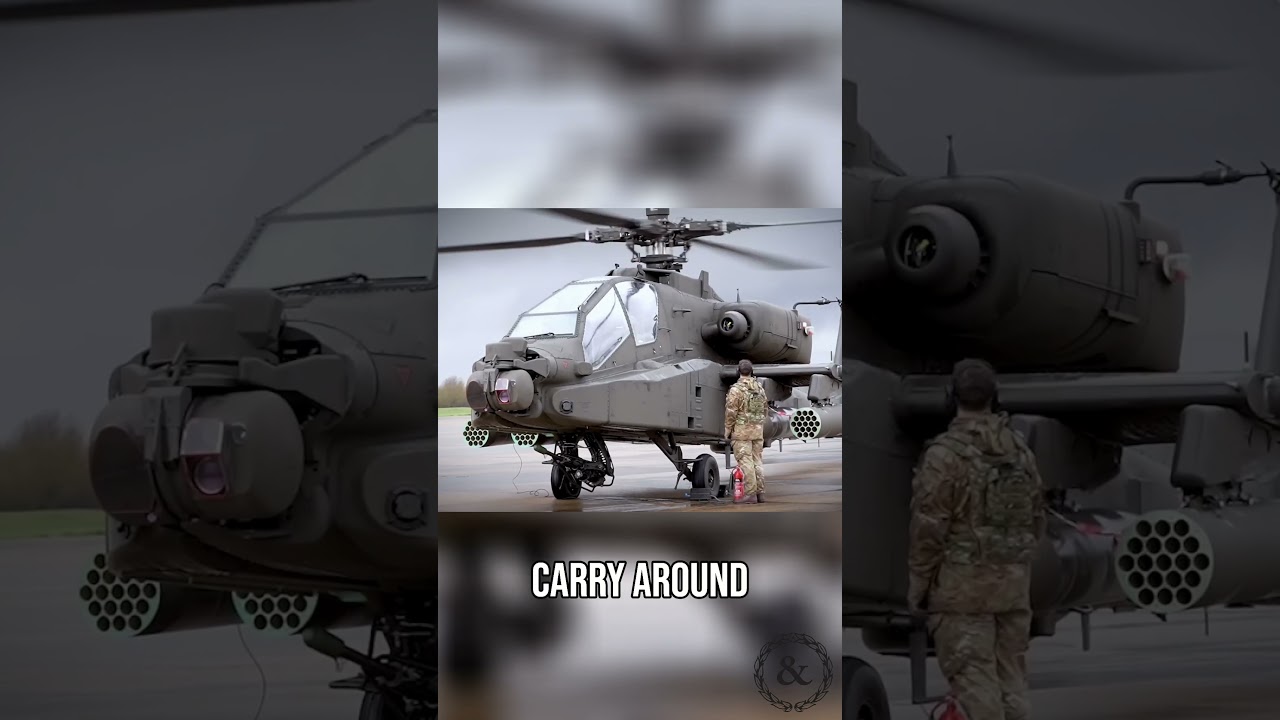
Approximately several hundred helicopters are slated for decommissioning, with the Apache AH-64, a key asset in the Army’s aviation arsenal, taking the brunt of these reductions. While the specifics of the affected helicopter models vary, the emphasis remains on reducing the number of high-maintenance, high-cost aircraft, which the Army has identified as less aligned with future operational needs. Likely candidates for cuts include a mix of attack helicopters and utility variants, which has significant implications for the Army’s tactical versatility.
Timeline for Implementation
The timeline for implementing these cuts spells out a phased approach over several years, allowing for adjustments based on operational requirements and fiscal assessments. The initial phase is set to begin within the next fiscal cycle, with subsequent evaluations planned to ensure that the Army’s operational capabilities remain uncompromised. However, the exact dates and procedural specifics remain subject to change, reflecting the dynamic nature of military planning.
Reasons Behind the Cuts
Budget Constraints and Fiscal Policies
Financial imperatives underpin the decision to cut helicopters, as budget allocations for defense are increasingly scrutinized in the face of competing domestic programs. The Army’s leadership is under pressure to economize while maintaining efficacy, and reductions in fleet size are viewed as a necessary measure to curb operational costs amidst dwindling resources. The dialogue surrounding these budgetary adjustments has triggered skepticism about the long-term effectiveness of such cuts.
Shift in Military Strategy
Moreover, a strategic shift towards multi-domain operations has prompted the Army to reconsider how it allocates its aviation assets. As modern warfare increasingly incorporates cyber capabilities, satellite systems, and unmanned aerial vehicles, the traditional reliance on manned helicopters is being re-evaluated. This transition underscores a broader strategic realignment that prioritizes agility and technological integration over sheer numbers.
Technological Advancements in Warfare
Lastly, the rapid evolution of technology in warfare plays a crucial role in shaping the Army’s aviation strategy. Innovations in drone technology and artificial intelligence have introduced alternative platforms capable of fulfilling mission requirements previously assigned to traditional helicopters. As such, investing in these emergent technologies appears to be more fiscally prudent and strategically sound than maintaining a fleet of legacy aircraft.
Impact on Army Aviation
Reduction in Personnel and Crew
The cuts in helicopter numbers will result in a substantial reduction of personnel, including pilots, support crews, and maintenance staff. This alteration in human resources is likely to have cascading effects on the Army’s operational readiness, as fewer aviators mean diminished capacity for flight operations and mission execution. The personnel cuts will also strain existing units and require a recalibration of their training and operational frameworks.
Effects on Training and Readiness
The reduction in helicopter assets will inevitably impact training programs. The Army’s aviation branches will have to adapt to a smaller pool of aircraft, which could hinder comprehensive training exercises necessary for fostering combat readiness. This limitation may lead to a cycle of reduced proficiency among crews, with repercussions for overall effectiveness in real-world operations.
Long-term Implications for Army Aviation Capabilities
The long-term implications of these cuts extend beyond immediate personnel and training constraints. As the Army pivots to focus on alternate technologies, the diminished emphasis on manned helicopters could create strategic vulnerabilities and cloud future aviation capabilities. The inability to engage in certain types of aerial combat or support missions may limit operational flexibility in diverse environments.
Alternatives to Apache and Other Helicopters
Investments in Drone Technology
In light of the reductions, you may observe a paradigm shift toward drone technology as a viable alternative. The Army foresees investing in unmanned aerial systems (UAS) capable of conducting reconnaissance, surveillance, and even strike missions. These platforms offer the dual advantages of cost-effectiveness and minimizing risk to human life, aligning closely with the Army’s future operational ethos.
Focus on Other Aircraft Solutions
Beyond drones, there is growing attention toward enhancing capabilities of fixed-wing aircraft and other aviation solutions. This could involve wielding more versatile aircraft which can carry out a broader range of missions while also reinvigorating existing rotary platforms through modernization efforts. The Army’s vision may encompass leveraging existing resources more creatively rather than simply decommissioning them.
Integration with Joint Forces
Furthermore, the cuts necessitate an increased focus on integration with joint forces, including the Air Force and Navy, which possess complementary capabilities. By fostering collaborative ventures with sister services, you can expect the Army to enhance its operational effectiveness while maintaining a robust aviation presence. This kind of synergy may provide the strategic depth necessary to navigate modern conflicts.
Historical Context of Army Aviation Cuts

Previous Instances of Reductions
Historically, instances of Army aviation cuts have often followed shifts in strategic priorities dictated by geopolitical realities. You may recall similar reductions during the post-Cold War era, when the Army reduced its size and capabilities in response to a perceived decrease in direct threats. These historical precedents provide context for understanding the current decisions and their potential ramifications.
Lessons Learned from Past Decisions
One of the critical lessons learned from past reductions involves the risks associated with maintaining a lean force structure. Cutting back on aviation assets previously led to readiness issues and highlighted the importance of adaptability in future military operations. As such, it is essential for military leaders to approach these new cuts with caution, drawing from the experiences of their predecessors.
Comparative Analysis with Other Military Branches
An analysis comparing the Army’s aviation cuts with those undertaken by other military branches reveals a complex landscape. Each branch has navigated budget pressures and changing warfare dynamics differently, but the lessons about managing asset reductions can be universally applied. Understanding how the Navy and Air Force have adapted can provide valuable insights into potential strategies for the Army as it moves to implement its cuts.
Expert Opinions and Predictions
Insights from Military Analysts
Military analysts have offered a diverse range of perspectives regarding the Army’s decision to cut helicopters. Many commentators foresee potential benefits in reallocating resources toward advanced technologies, while others caution against abandoning proven capabilities too hastily. Analysts stress the necessity for a balanced approach—one that acknowledges both historical strengths and future requirements.
Opinions of Former High-Ranking Officials
Former high-ranking officials within the Army have weighed in on these decisions, often highlighting the importance of maintaining a mix of capabilities. They argue that while modernization is crucial, cutting back on traditional platforms could create significant gaps in the Army’s operational versatility. Their experience suggests a thorough evaluation of mission requirements to avoid over-reliance on untested alternatives.
Predictions for Future Army Capabilities
In forecasting future Army capabilities, many experts predict a transformed landscape where unmanned systems become integral. However, the success of this transition hinges on effective integration with existing forces and maintaining the capacity for conventional operations. This perspective emphasizes the necessity for thoughtful implementation to preserve the Army’s operational reach and effectiveness in various conflict scenarios.
Public and Political Reactions

Legislative Responses to the Cuts
The proposed cuts to the Army’s helicopter fleet have prompted significant legislative responses. Lawmakers across the political spectrum are weighing in on the implications of these reductions, with some advocating for a reevaluation of priorities to prevent adverse effects on military readiness. Congressional discussions are likely to shape the trajectory of these cuts, reflecting broader concerns about national security.
Public Perception and Advocacy
Public reaction to the helicopter cuts has been mixed, with some citizens supporting the shift toward modern technology, while others express concern about the diminishing capabilities of the Army. Advocacy groups representing veterans, military families, and aviation enthusiasts have been vocal about the potential ramifications these cuts may have on national defense and the emotional impact on those involved in Army aviation.
Impact on Military Families and Communities
Finally, the cuts resonate beyond tactical implications, affecting military families and communities associated with Army aviation units. The reduction in personnel may lead to economic dislocation in areas dependent on military presence, and the uncertain future of Army aviation can provoke anxiety amongst families regarding their loved ones’ missions and roles. Such social dynamics warrant thoughtful consideration as the Army moves forward.
Global Comparisons
Helicopter Deployments in Other Nations
Examining helicopter deployments in allied nations reveals diverse strategies and philosophies regarding aerial assets. Countries like the United Kingdom and Australia maintain robust helicopter fleets while also exploring advancements in drone technology and interoperability among joint forces. This comparative analysis can provide insights into how the Army might refine its own aviation strategy in the face of global competition.
Comparative Readiness of Allied Forces
In assessing the comparative readiness of allied forces, notable disparities emerge concerning technological investments versus personnel availability. The Army could stand to learn from its allies’ adaptive measures, particularly how they maximize their assets while minimizing risk. Such qualitative assessments of allied capabilities may influence how the Army approaches its modernization agenda.
How Other Countries Manage Aviation Resources
Study of how other countries manage their aviation resources reveals a multi-faceted approach balancing legacy platforms with next-generation systems. The use of hybrid forces combining manned and unmanned capabilities showcases an adaptive strategy that the Army could consider as it reevaluates its assets and operational focus moving forward.
Potential Risks of the Cuts
Operational Readiness Concerns
You should remain aware of the potential operational readiness concerns stemming from these helicopter cuts. Reduced helicopter numbers could impede the Army’s ability to deploy quickly, respond to evolving threats, and maintain essential training exercises. This deterioration in readiness could ultimately affect mission success.
Vulnerability to Asymmetric Warfare
Similar concerns arise regarding vulnerability to asymmetric warfare. As adversaries adapt and employ unconventional tactics, the Army may find itself at a tactical disadvantage without a robust aerial capability to provide intelligence, surveillance, and close air support. This creates a multifaceted challenge as forces relied upon for air superiority may be diminished.
Impact on Domestic and Foreign Military Operations
Lastly, the ramifications of the helicopter cuts extend to both domestic and international military operations, casting a shadow on the Army’s engagement capabilities. Whether responding to humanitarian crises or engaging in combat operations globally, reduced helicopter assets may limit the Army’s effectiveness and agility, raising flags about potential operational shortfalls.
Conclusion
Summary of Key Points
In summary, the Army’s decision to cut helicopters marks a significant pivot in its aviation strategy, driven by budgetary constraints, shifts in military doctrine, and advancing technological landscapes. While these reductions could lead to modernization opportunities, they also present challenges regarding personnel, training, and operational readiness.
Final Thoughts on the Army’s Decision
As the implications of these cuts unfold, it is essential for Army leadership to maintain a balanced perspective that considers both the benefits of transitioning to advanced technologies and the risks associated with diminishing traditional capabilities. The path ahead requires careful planning, resource allocation, and the ability to respond flexibly to evolving military needs.
Looking Ahead: The Future of Army Aviation Strategy
Looking ahead, the future of Army aviation strategy requires a thorough reexamination of how the service can best position itself in an increasingly complex global environment. By evaluating the integration of unmanned systems, partnerships with allied forces, and innovative resource management, the Army may pave the way for a resilient and adaptive aviation force, ensuring its relevance in the ever-changing landscape of warfare.