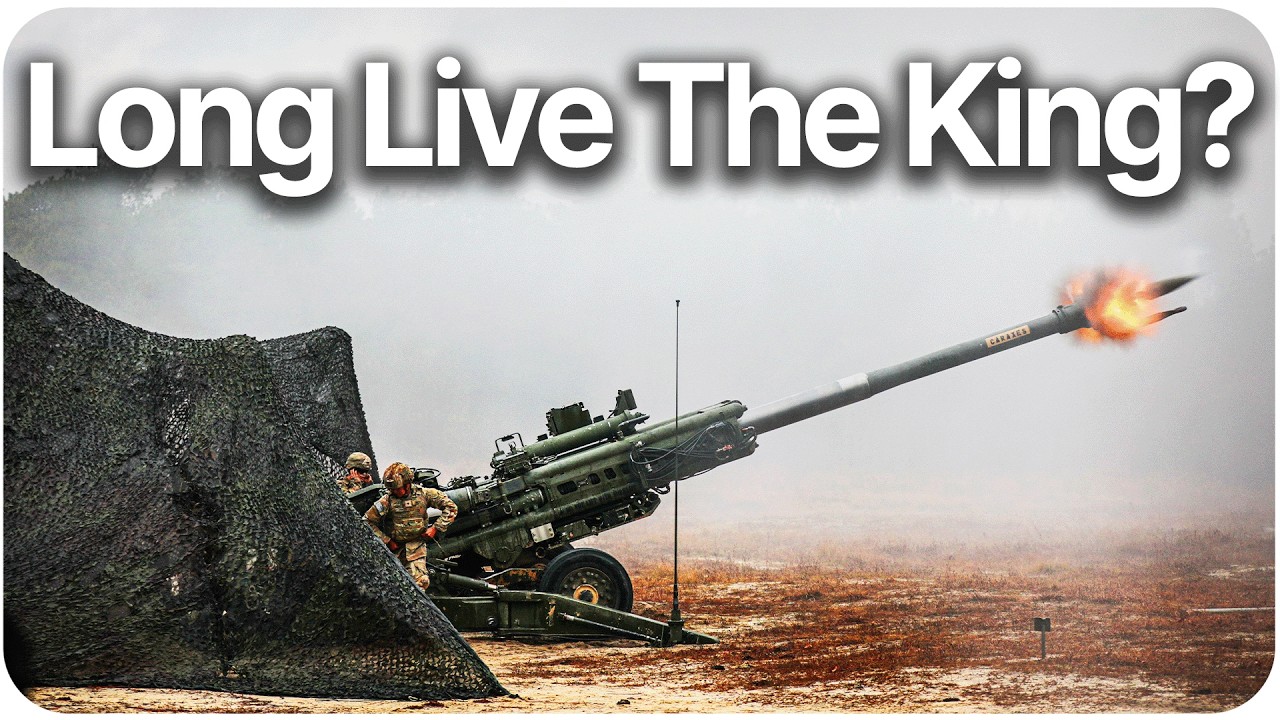
The ongoing transformation of the U.S. military is significantly reshaping its artillery strategies, particularly regarding the declining relevance of towed artillery systems like the M777 howitzer. As the Army and Marine Corps pivot towards high-tech, high-speed warfare, you will discover how the emergence of advanced systems, such as rocket artillery platforms like HIMARS and NMESIS, is influencing this shift. This analysis will also address critical factors such as vulnerabilities highlighted by modern battlefield dynamics, including drone efficacy and counter-battery tactics observed in recent conflicts.
You will encounter a comprehensive examination of the challenges faced by traditional towed artillery systems, including issues related to modernization efforts, barrel wear, and production bottlenecks. Additionally, a look into the future of artillery will reveal how contemporary innovations in mobility, armor, and speed are redefining the essence of military firepower. This discussion not only highlights the evolving landscape of artillery units but also underscores their enduring significance in modern combat.
The Future of Towed Artillery in Modern Warfare

Overview of Towed Artillery
Definition and Purpose of Towed Artillery
Towed artillery consists of large-caliber guns transported by a vehicle or towed by a prime mover, typically used in military operations to provide indirect fire support. Its primary purpose is to engage enemy forces or targets from a distance, offering a strategic advantage through firepower without exposing personnel to direct combat. Towed artillery systems, such as the M777 howitzer, have historically played a crucial role on the battlefield, serving as a backbone for ground forces during conventional warfare.
Historical Significance in Military Operations
The significance of towed artillery in military history cannot be overstated. During World War I and World War II, towed artillery was pivotal in both offensive and defensive operations, providing the firepower necessary to breach enemy defenses. Notable advancements over the decades, from the breech-loading artillery of the late 19th century to the modern howitzers of today, illustrate the evolution of military technology and tactics. The adaptability of towed artillery systems to various combat scenarios has cemented their status as vital assets in military arsenals.
Comparison with Other Artillery Types
When comparing towed artillery to other types such as self-propelled artillery or rocket artillery systems, notable differences arise in mobility, firepower, and tactical application. Self-propelled artillery units combine the gun and transport into a single platform, offering superior mobility and quicker response times. Rocket artillery provides a broader area of effect and rapid-fire capability, making it effective for saturating enemy positions. However, towed systems maintain a balance of range and precision, albeit at the cost of deployment speed and vulnerability to modern threats like drones and counter-battery fire.
Technological Advancements
Transition to High-Tech Weaponry
The battlefield landscape is increasingly defined by technological advancements, leading to a shift from traditional towed artillery toward high-tech weaponry. Innovations such as automated artillery systems, integrated fire control systems, and enhanced targeting capabilities are transforming how artillery is utilized. The military is focusing on leveraging advanced technology to improve accuracy, reduce response times, and increase effectiveness in increasingly complex combat environments.
Impact of Digital Warfare on Artillery Usage
Digital warfare has profoundly influenced artillery operations, enabling real-time data sharing and communication between units on the ground and command centers. The capability to rapidly process and analyze incoming intelligence allows artillery units to adjust their fire more accurately and quickly. This digital evolution has raised expectations for conventional systems, requiring them to adapt or risk obsolescence in the face of smarter, faster, and more lethal forms of warfare.
Emergence of Precision-Munitions Systems
Precision-guided munitions (PGMs) are increasingly integrated into modern artillery, drastically enhancing their effectiveness. Smart bombs and guided projectiles minimize collateral damage while maximizing impact on designated targets. This transition toward precision munitions allows you to engage with greater efficiency, reinforcing the necessity for towed artillery to evolve to maintain operational relevance in a high-tech warfare paradigm.
Operational Vulnerabilities
Drones and Drone Warfare Impacting Towed Artillery
The advent of drone technology has introduced new vulnerabilities for towed artillery systems. Drones are now capable of reconnaissance missions and precision strikes, allowing enemy forces to identify and target artillery positions effectively. The ability of drones to relay real-time information has made traditional, stationary artillery units extremely vulnerable on the modern battlefield, prompting military leaders to reconsider their role.
Counter-Battery Fire Risks in Modern Combat
Counter-battery fire, the retaliatory strike against enemy artillery positions, poses an ever-growing threat to towed artillery units. Modern counter-battery systems utilize advanced radar and targeting technologies to identify firing locations quickly and accurately. As the tempo of warfare increases, the risk that towed artillery will be observed and subjected to counter-battery fire escalates, emphasizing the need for more mobile and agile artillery solutions.
Lessons from Recent Conflicts like Ukraine
Conflicts such as the ongoing war in Ukraine have exposed the limitations of towed artillery in contemporary warfare. They have demonstrated that reliance on traditional artillery can lead to significant operational risks, especially in environments dominated by technology and precision strike capabilities. The lessons learned from such engagements encourage a re-evaluation of artillery strategies, urging military planners to innovate and adapt to modern warfare dynamics.
Limitations of Towed Artillery
Mobility and Deployment Constraints
One of the most notable limitations of towed artillery is its mobility and deployment constraints. Towed systems require logistical support for transport and setup, leading to slower response times compared to self-propelled or rocket artillery. This reduced mobility can hinder operational flexibility, particularly in rapidly changing combat situations where speed is essential.
Barrel Burn-Out and Maintenance Issues
Towed artillery systems are also subject to wear and tear due to extensive use. Barrel burn-out, a condition that diminishes the accuracy and effectiveness of artillery over time, necessitates costly maintenance and replacement. In light of budgetary constraints and modernization priorities, these maintenance challenges can hinder the operational readiness of artillery units.
Production Bottlenecks and Obsolescence
As the military pivots toward modern, high-tech solutions, the production of towed artillery systems faces potential bottlenecks and challenges related to obsolescence. The demand for newer, more technologically advanced systems could lead to decreased investment in traditional artillery capabilities, fostering a landscape where existing units may no longer meet future operational requirements.
The Rise of Multiple Launch Rocket Systems (MLRS)
Advantages of Systems like HIMARS
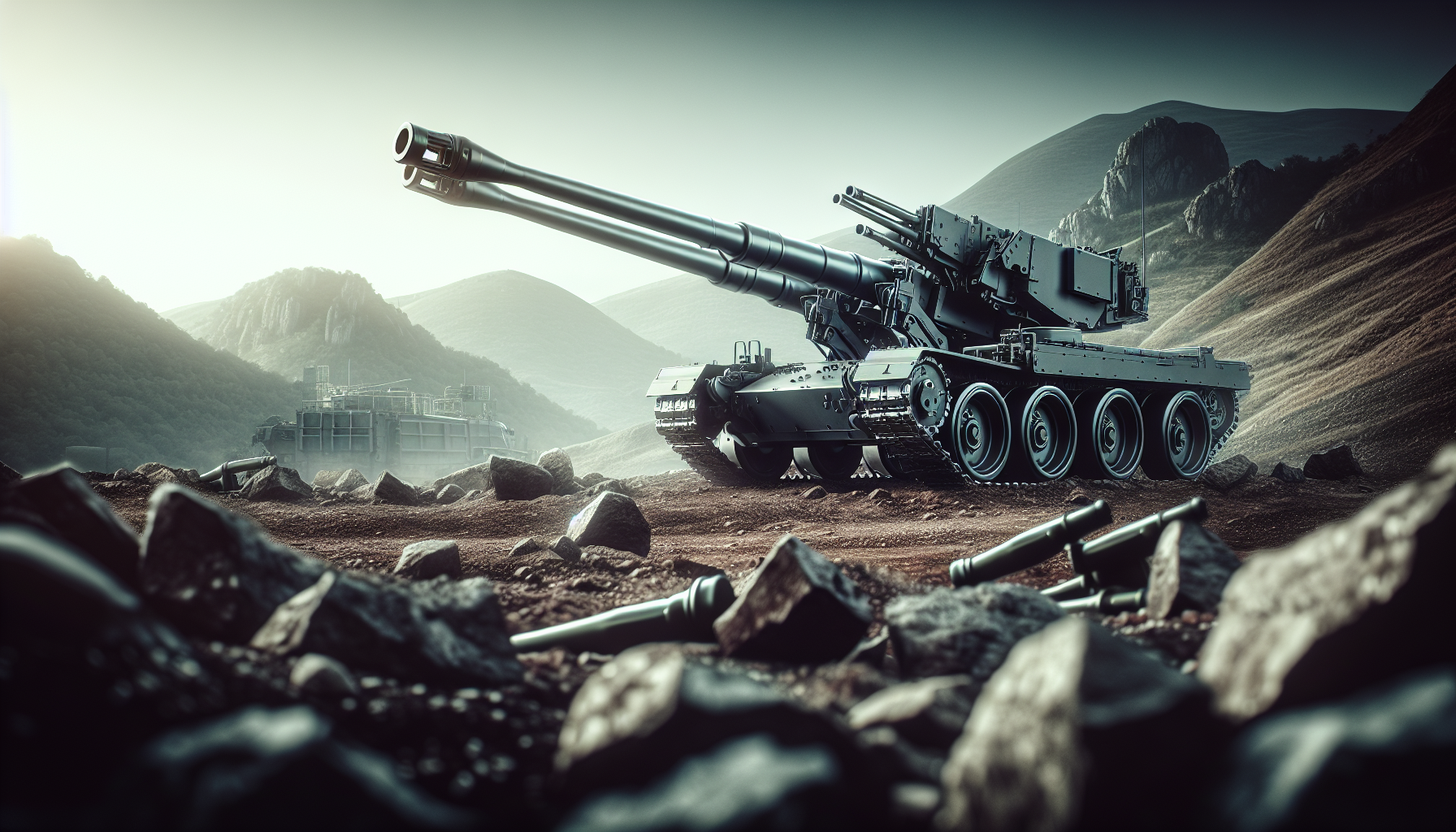
The emergence of Multiple Launch Rocket Systems (MLRS), such as the High Mobility Artillery Rocket System (HIMARS), underscores a shift in artillery capabilities. MLRS offer several advantages over traditional towed artillery, including rapid mobility, high volume of fire, and the ability to deliver precision strikes over extended ranges. This versatility makes MLRS a compelling alternative on the modern battlefield.
Flexibility and Speed of Rocket Artillery
Rocket artillery systems like HIMARS are designed for swift deployment and repositioning, enabling them to adapt to the dynamics of battle more effectively than towed artillery. Coupled with their capacity to launch multiple rockets in quick succession, these systems can saturate targets, disrupt enemy formations, and diminish opposition effectiveness through rapid firepower delivery.
Integration with Modern Combat Strategies
Modern combat strategies increasingly favor integrated systems that can operate within joint all-domain operations frameworks. The flexibility and adaptability of MLRS enable commanders to execute diverse operational plans that incorporate air, land, and cyber components. This interconnectivity positions rocket artillery as a vital asset in future military engagements, further diminishing the reliance on traditional towed artillery.
Modernization Efforts and Failures
Analysis of Failed Towed Artillery Modernization Programs
Past modernization efforts for towed artillery have often fallen short, struggling to meet the evolving requirements of modern warfare. Programs intended to upgrade existing systems or develop new capabilities have faced various obstacles, including budget constraints, bureaucratic delays, and shifting military priorities, resulting in stagnation in the evolution of towed artillery.
Comparative Success of Rocket Systems
In contrast, the development and procurement of rocket artillery systems such as HIMARS have demonstrated relative success in meeting contemporary military needs. They represent a paradigm shift in artillery deployment, often enjoying increased funding and resources in comparison to traditional systems. This success illustrates the military’s recognition of the necessity for evolution in artillery capabilities.
Strategic Shift in Military Doctrine
The failures of towed artillery modernization programs and the success of rocket systems indicate a broader strategic shift in military doctrine. With new threats arising from asymmetric warfare, hybrid threats, and rapid technological advancements, military planners are reassessing their approach to artillery—and, by extension, their overall force structure. This shift poses potential challenges for the continued relevance of towed artillery.
Training and Personnel Considerations
Evolving Skill Sets for Modern Artillery Crews
The transition towards advanced artillery systems necessitates the development of new skill sets for artillery crews. Modern warfare demands familiarity with technology, automation, and data analytics, requiring personnel to engage in ongoing training and education. Familiarity with digital systems and the capacity to integrate these technologies into combat operations are critical for maintaining effectiveness on the battlefield.
Importance of Training with New Technologies
Training with new technologies is imperative for ensuring optimal performance and safety in artillery units. As systems evolve, so too must the training methodologies employed to prepare personnel for their deployment. Continuous skill development is essential, particularly in high-stress environments where rapid decision-making and accurate execution can determine mission success.
Retention and Recruitment Challenges in the Field
As the military adapts to new technological demands, challenges surrounding retention and recruitment also emerge. Personnel may seek opportunities in civilian markets that offer similar skill sets but provide more favorable working conditions or compensation. Addressing these challenges will require the military to cultivate a supportive environment and offer incentives for service members to remain committed to their roles within artillery units.
Future of Artillery in the U.S. Military
Projected Developments in Artillery Technology
The future of artillery in the U.S. military will likely be characterized by continued advancements in technology, emphasizing automation, precision, and integration within a multi-domain framework. This trajectory points towards artillery systems that not only increase lethality but also enhance survivability and mobility on rapidly evolving battlefields.
Integration with Multidomain Operations
A key component of modern military strategy involves integrating artillery capabilities into multidomain operations. This approach necessitates seamless collaboration between ground, air, and maritime forces, where artillery units play a vital role in fire support, deterrence, and area denial. The ability to operate cohesively across domains will redefine the role of artillery in future combat scenarios.
Possibility of Hybrid Systems
Emerging platforms may also include hybrid systems that incorporate aspects of both traditional and modern artillery. Such innovations could combine the strength of towed artillery, such as range and fire power, with the mobility and responsiveness of rocket-based systems. Hybrid models could mitigate some limitations of towed systems while addressing the operational needs of contemporary warfare.
Impact on U.S. Military Strategy
Shifts in Strategic Priorities
The ongoing evolution of military technology and the challenges presented by modern warfare necessitate shifts in strategic priorities. As the focus moves towards rapid response and adaptability, traditional tools such as towed artillery may lose ground to advanced systems that better align with contemporary operational objectives.
Relevance of Artillery in Asymmetric Warfare
Artillery remains relevant in asymmetric warfare contexts, where indirect fire support can provide significant advantages against non-state actors and irregular forces. Understanding the tactical application of artillery in such scenarios will continue to inform military strategy and operational planning.
Preparing for Evolving Global Threat Landscapes
The U.S. military must remain agile in preparing for an increasingly complex global threat landscape. As adversaries continue to adopt advanced technologies and develop unconventional tactics, artillery systems must evolve accordingly. The U.S. military’s success will hinge on its ability to adapt artillery capabilities to address these emerging challenges.
Conclusion
Summary of Key Arguments Against Towed Artillery
This evaluation demonstrates that while towed artillery has served as a crucial component of military operations, it faces significant disadvantages in the context of modern warfare. Increasing vulnerabilities to drone surveillance, counter-battery fire, and the rapid pace of technological advancement highlight the need for evolution in artillery capabilities.
Future Implications for Military Arsenal
As the military re-evaluates its arsenal, future implications suggest a pivot toward more agile, integrated, and technologically advanced artillery systems. This shift indicates a broader trend of modernization across military forces, emphasizing speed, precision, and adaptability.
Final Thoughts on the Evolution of Warfare
In conclusion, the evolution of warfare demands a reevaluation of traditional artillery roles within military doctrine. As the U.S. military transitions toward high-tech solutions capable of addressing contemporary threats, it is incumbent upon military leaders to embrace innovation, aligning their strategies with the realities of modern combat. The journey forward may not signal the end of towed artillery, but rather a transformation that reflects a complex interplay of history, technology, and strategy.