
Battleships once represented the pinnacle of naval power, dominating the seas with their formidable firepower and armored hulls. However, the evolution of warfare, particularly following World War II, rendered these majestic vessels obsolete. This article examines the multifaceted reasons behind the U.S. Navy’s discontinuation of battleship production, highlighting shifts in military doctrine, advancements in missile technology, and changing threat environments that have shaped modern naval strategy.
The discussion will encompass the historical significance of battleships, their role during the Cold War, and various attempts to revive their use. You will gain insights into the inherent limitations of large-gun vessels in the current missile age, as well as the logistical and strategic challenges that would confront any future endeavors to construct new battleships. Ultimately, the analysis will clarify why these iconic warships are unlikely to reemerge in contemporary naval operations.
Historical Significance of Battleships
Overview of Battleship Development
The development of battleships unfolded as a fascinating chapter in naval history, showcasing significant technological and tactical innovations. The 19th century marked the transition from wooden ships to ironclads, highlighted by the British HMS Warrior in 1860, which introduced armor plating. The introduction of steam power allowed for increased speed and maneuverability, altering naval engagements profoundly. By the early 20th century, the dreadnought class revolutionized battleships, consolidating power with large-caliber guns and advanced fire control systems. Thus, battleships became symbols of national strength and maritime dominance, serving as floating fortresses designed to exert influence and project power across oceans.
Battleships in World War I
Battleships played a pivotal role in World War I, primarily as capital ships at the forefront of naval warfare. Their engagements, particularly at the Battle of Jutland in 1916, underscored their importance; despite being touted as decisive instruments, the outcome of Jutland revealed the limitations of battleship-centric strategies. The high casualty rates and the emergence of submarines forced naval commanders to reassess traditional doctrines. The fact that battleships were unable to secure clear victory raised questions on their infallibility and spurred discussions on the future of naval power.
Key Battleships of World War II
World War II witnessed the apex of battleship design and operational deployment, with iconic vessels such as the USS Missouri and the Yamato of the Imperial Japanese Navy standing testament to engineering prowess. These battleships engaged in several critical naval operations, although, paradoxically, many met their demise at the hands of aerial assaults or advanced naval strategies. Notably, the sinking of the Bismarck and the Iowa-class battleships illustrated the vulnerability of these once-dominant vessels in an evolving naval landscape dominated by air power and anti-ship weaponry. Their operational legacy remains embedded within naval histories, often romanticized yet overshadowed by their gradual obsolescence.
The Role of Battleships in Naval Doctrine
The inclusion of battleships in naval doctrine fundamentally shaped maritime strategies and military thinking. Naval theorists such as Alfred Thayer Mahan emphasized the importance of battleships for national security, asserting their capability to control sea lanes and influence naval supremacy. This emphasis, however, did not account for the transformative impact of aviation and missiles. The reliance on battleships served to maintain traditional tactics; however, as doctrines evolved, their once-prized status was challenged by the strategic necessity for aircraft carriers, submarines, and missile systems, demonstrating that maritime power was dynamic rather than static.
The End of an Era: Post-War Changes
Decline of Battleship Construction
The cessation of battleship construction after World War II marked a dramatic shift in naval policy and strategy. The complexities of modern warfare, coupled with rising costs, led to a reevaluation of naval assets. The stark contrast between the resources committed to battleship programs and the advancing capabilities of aircraft carriers made the latter more appealing in terms of versatility and effectiveness. Gradually, the battleship transitioned from a cornerstone of naval fleets to a historical relic, prompting a focus on multi-role vessels adaptable to contemporary operational needs.
Influence of New Naval Strategies
The emergence of new naval strategies highlighted the irrelevance of battleships in modern combat scenarios. The focus shifted toward air and missile capabilities, necessitating a reexamination of fleet composition. Aircraft carriers and submarines showcased a more flexible approach to warfare, emphasizing rapid response, stealth, and multipurpose functionality. As these new strategies proved effective in conflicts, the ability of battleships to compete diminished sharply, leading to their gradual sidelining in favor of alternative naval constructs that better aligned with contemporary military doctrines.
Economic Factors Affecting Battleships
Economic factors played a significant role in the decline of battleship construction and operational use. The post-war era marked the necessity for military expenditures to align with fiscal realities, leading to budgetary constraints that hindered large-scale battleship refurbishments or new builds. The financial implications of sustaining a battleship fleet became increasingly untenable as other naval assets within more diverse and strategically sound programs gained priority, illustrating the intersection of military needs and economic viability.
Transition to Aircraft Carriers and Submarines
The transition to aircraft carriers and submarines epitomized the evolution of naval warfare in the post-war period. As the complexities of modern combat necessitated greater adaptability, these vessels emerged at the forefront, replacing the traditional battleship role. Carriers facilitated long-range air support, while submarines offered stealth capabilities that shifted the balance of power under the waves. This transition not only redefined naval engagements but fundamentally altered strategic designs, leading to the declination of battleship relevance in global military strategy.

Technology Shift: Rise of Missiles
The Evolution of Missile Technology
The evolution of missile technology during the latter half of the 20th century irreversibly altered the landscape of naval warfare. The development of surface-to-air and anti-ship missiles introduced a new paradigm, where traditional heavy guns were increasingly outmatched by the speed, precision, and range of missile systems. This technological progression fundamentally challenged battleship supremacy, engendering a shift in design focus toward missile systems capable of engaging opponent vessels from considerable distances.
Impact of Guided Missiles on Naval Warfare
Guided missile technology revolutionized naval combat by providing a standoff capability that negated the need for direct engagement. The advantage of striking targets from afar with high accuracy transformed tactical considerations radically. With the proliferation of missile systems, the utility of heavily armored battleships became futile, as contemporary naval strategies now aimed to avoid the risks associated with close-quarters engagements that battleships traditionally engaged in. This realignment of focus towards missile-centric operations led to a decisive decline in the roles previously held by battleships.
Missile Systems vs. Big-Gun Ships
The evolving dynamic between missile systems and traditional big-gun ships underscored a transformative era in naval warfare. Despite the historical prestige associated with battleships’ firepower, the rapid advancement of missile technology highlighted the inherent vulnerabilities within their design. Missiles posed existential threats to battleships, culminating in their inability to withstand modern warfare’s tactical demands where speed and precision took precedence over sheer firepower.
Examples of Missile-Dominated Engagements
Missile-dominated naval engagements solidified the paradigm shift away from battleships as formidable forces. Instances such as the sinking of the Argentine cruiser General Belgrano by the British submarine HMS Conqueror during the Falklands War exemplified the realities facing battleships. Similarly, the persistent threats from North Korean missile systems have shaped naval planning strategies, illuminating how missile warfare redefined combat much beyond the traditional profiles set by battleships. Such occurrences illustrate the irrelevance of battleship designs in a landscape heavily influenced by guided missiles.
Survivability and Vulnerabilities
Armor and Defense Mechanisms of Battleships
Historically, battleships were designed with substantial armor and advanced defensive features intended to withstand enemy fire. The layering and complexity of protective systems were indicative of the belief in battleships as indomitable forces at sea. However, as military technologies advanced, it became evident that the armor systems of battleships were not designed to endure the velocity and impact of modern missile strikes and guided projectiles, revealing critical vulnerabilities.
Modern Threats and Targeted Attacks
The rise of asymmetric warfare further complicated battleship survivability, as non-traditional threats emerged. Small, agile vessels equipped with anti-ship missiles illustrated the potential for relatively minor investments to pose significant risks to traditional naval powerhouses. Factors such as terrain, intelligence, and precision strike capabilities against battleships demonstrated their heightened vulnerability to modern threats, forcing naval strategists to rethink their operational frameworks.
Why Battleships Are Less Survivable Today
The combination of advanced missile capabilities, the speed of modern naval warfare, and the proliferation of various naval assets has rendered battleships less survivable than their predecessors. Modern targeting systems that employ data-driven engagement protocols enable enemy forces to exploit battleship vulnerabilities effectively. The inability to adapt to these emerging threats has diminished the operational viability of battleships, prompting a shift toward more survivable platforms.
Case Studies of Battleship Losses
The historical case studies of battleship losses provide compelling evidence of their vulnerabilities. The striking of the USS Arizona during the Pearl Harbor attack showcased how even the most formidable battleships could be compromised unexpectedly, as modern tactics and air power superseded traditional naval engagements. Additionally, the fate of the Bismarck serves as a cautionary tale—despite its hailed design and power, strategic miscalculations and modern warfare ultimately contributed to its sinking. These instances stand as powerful reminders of the limitations of battleship design in contemporary naval strategy.
The Role of Naval Aviation
Development of Carrier-Based Aviation
Naval aviation emerged as a transformative force during the 20th century, bridging the gap between traditional naval operations and the demands of modern warfare. The development of carrier-based aviation allowed fleets to extend their reach significantly, facilitating air strikes and reconnaissance missions that were unattainable for battleships alone. This adaptation signaled a strategic evolution, where the aircraft carrier became the centerpiece of naval power projection.
Air Superiority and Battleship Reliance
The quest for air superiority significantly diminished the reliance on battleships for naval engagements. The dynamics of air and sea warfare dictated that control of airspace was crucial for successful operations, thus rendering battleships secondary in roles previously dominated by their capabilities. Consequently, naval strategies began emphasizing the integration of air power to optimize maritime effectiveness rather than depending exclusively on battleship firepower.
Integration of Air Power in Naval Strategy
The integration of air power within naval strategy marked a significant departure from traditional models reliant upon battleships. Modern naval doctrine combines land, sea, and air forces to achieve operational synergy. This convergence of capabilities illustrates how air power has come to dominate strategic thinking, enhancing the speed and accuracy of naval responses, which battleships alone could not guarantee.
Evolution of Air-Launched Weaponry
The evolution of air-launched weaponry reflects ongoing advancements in naval aviation technology, bolstering the supremacy of aircraft carriers over battleships. The development of precision-guided munitions revolutionized targeting, allowing for high-efficiency strikes that eliminated the need for close engagement. This paradigm shift in weaponry not only illustrates the diminishing role of battleships but also underscores the imperative for the contemporary navy to adapt to evolving warfare realities.
Cold War and Battleship Utility
Battleship Deployments and Significance
During the Cold War, battleship deployments reflected strategic posturing between naval powers, serving as symbols of national resolve rather than indispensable assets. While battleships were acknowledged for their symbolic utility, they increasingly became relegated to secondary roles as naval strategies evolved in response to emerging threats. Nevertheless, their presence in certain naval exercises and operations emphasized the lingering sentiment surrounding battleship prestige.
The Impact of Nuclear Submarines
The advent of nuclear submarines during the Cold War introduced a significant shift in naval warfare status quo. Their stealth, advanced technology, and unmatched strike capabilities eclipsed the roles of battleships, fundamentally redefining strategic priorities. The unique attributes of nuclear submarines, combined with their capacity for long-duration operations, diminished the tactical relevance of battleships, leading to their gradual phase-out in favor of more versatile platforms.
Strategic Reasons for Battleship Decommissioning
The strategic reassessment of naval priorities underscored the rationale behind battleship decommissioning. An increasing focus on rapid response, stealth capabilities, and multi-role platforms drew attention away from the static nature of battleships. As innovative naval strategies emerged, the need to allocate resources effectively dictated the downsizing of battleship fleets, heralding a shift toward adaptable platforms with enhanced capabilities to address changing security challenges.
Legacy and Perception of Battleships During the Cold War
By the conclusion of the Cold War, battleships retained a nostalgic yet diminished place within naval doctrine. Their legacy intertwined with perceptions of maritime strength, serving as historical markers rather than active participants in contemporary warfare. The perception of battleships evolved; they were regarded more as artifacts of a bygone era, eclipsed by more technologically advanced forces that dictated future naval strategies.
Attempts to Resurrect Battleships
Key Proposals and Projects
Throughout the late 20th and early 21st centuries, various proposals to resurrect battleships emerged, often reflecting a desire to return to perceived glory. Notable projects aimed at modernizing battleships included advanced systems and alterations designed to integrate modern technology. However, these proposals grappled with logistical and practical challenges, highlighting the difficulty of reintegrating battleships into contemporary naval forces amidst an evolving landscape.
Public and Military Perception of Revival
Public fascination with battleships often clashed with military assessments of their operational viability. While nostalgia and cultural significance galvanized interest in reviving battleships, military experts contended that the structural realities of modern warfare outweighed romantic notions of their resurgence. As a result, the public perception of battleship revival remained entangled in a historical narrative, often misaligned with exigent military needs.
Economic Considerations of Reactivation
The financial implications surrounding battleship reactivation corresponded directly to the broader economic context of naval expenditures. The exorbitant costs associated with refurbishing, operating, and maintaining battleships posed stark challenges to military budgets, which sought to prioritize versatile assets better suited to modern combat. Economic factors thus became a decisive barrier to the practical restoration of battleships within contemporary fleets.
Lessons Learned from Failed Attempts
Lessons derived from failed attempts to resurrect battleships reveal critical insights about the intersection of technology and warfare. Efforts to modernize battleships often faltered in comprehending the extent to which naval warfare had evolved. The reliance on outdated strategies that clashed with contemporary realities illustrated the need for comprehensive understanding and adaptability in future naval designs—a lesson that informs current and future military planning.
The Last Hurrah for Battleships
Final Operations and Missions of Battleships
The final operations and missions involving battleships marked an end of an era, with vessels such as the USS New Jersey participating in conflicts like the Gulf War. Their artillery provided fire support in land engagements; however, such operations underscored their role as supporting actors rather than leading forces. These missions showcased the battleship’s limitations in relevance amid modern warfare, symbolizing a transition phase between past and future naval paradigms.
Cultural Significance in the 20th Century
Battleships have etched themselves into cultural consciousness, resonating as symbols of strength and national pride across various human experiences. Their portrayal in literature, film, and media reflects nostalgic appreciation for an era that celebrated the majesty of these giants of the sea. Battleships occupy a unique intersection between history and culture, embodying the interplay between technological marvels and the romanticized ideals of naval warfare.
Retirement and Preservation Efforts
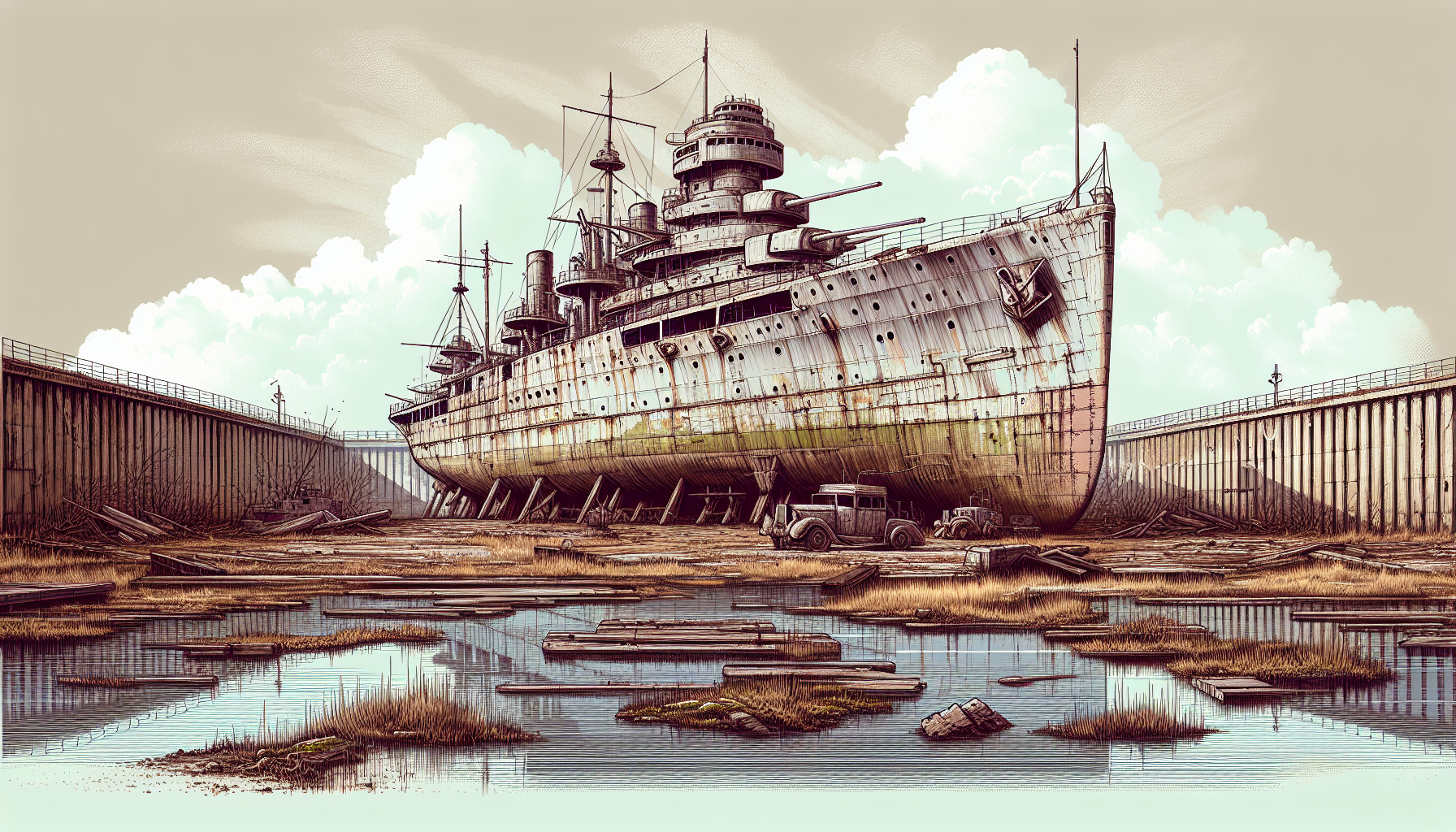
The retirement of battleships inevitably shifted focus toward preservation efforts and memorialization; these vessels were often transformed into museum ships, enabling future generations to connect with naval history. Exhibits like the USS Missouri serve as educational resources, preserving narratives of valor while fostering appreciation for the complexities of maritime power. This transition highlights the importance of honoring history while acknowledging its inevitable evolution.
Symbolism of Battleships in Modern Warfare
In modern warfare, battleships symbolize not only past triumphs and failures but also the essential lessons learned throughout naval history. While their utility has diminished, the legacy of battleships informs future naval strategies, reminding practitioners of the need for adaptability, innovation, and integration into emerging military paradigms. Their symbolism continues to resonate, reminding us that the principles underlying naval warfare endure even as the platforms to execute them evolve.
Modern Naval Strategy Without Battleships
Current Naval Priorities and Focus Areas
Today’s naval strategies prioritize versatility and adaptability, focusing on multi-role platforms that can seamlessly integrate various capabilities. The shift away from battleships emphasizes investments in advanced technologies, cyber capabilities, and unmanned systems that respond to modern warfare’s complexities. The current navy reflects an evolution toward joint operations and maritime security that transcends traditional battleship frameworks.
Investments in Naval Technology Alternatives
With the decline of battleships, navies now invest in alternative naval technologies, including advanced surface combatants, submarines, and carrier strike groups. These platforms offer improved flexibility, enhanced capabilities, and greater survivability against modern threats. As strategic contexts shift, investments in cutting-edge naval technologies ensure that modern fleets remain responsive to emergent challenges while upholding national security aims.
Shift in Doctrines Favoring Maneuverability
The shift in naval doctrines reflects an increased emphasis on maneuverability, agility, and rapid response capabilities. This evolution acknowledges the need for fleets to be capable of swift deployments and multi-domain engagements. The rebirth of maritime doctrines signals a preference for adaptable, modular systems that can be redirected for various missions, thereby prioritizing flexibility over the static nature of battleship-centric strategies.
Coalition and Joint Operations Without Battleships
In the absence of battleships, contemporary naval strategy emphasizes coalition and joint operations among allied forces. Collaborative efforts enable coordinated responses to threats, leveraging diverse capabilities across multiple regions and domains. The reliance on coalitions fosters interoperability and synergistic engagements, demonstrating how modern naval power is defined by cooperation rather than the singular dominance of battleships.
Conclusion
Summary of the Battleship Legacy
The legacy of battleships embodies the duality of technological prowess and inherent vulnerabilities. While battleships were emblematic of naval might during their peak, reality dictated a paradigm shift driven by advancements in warfare. Their transition from powerhouses to historical footnotes reflects broader lessons in military evolution, charting the course of naval strategy through experimentation and adaptation.
Enduring Principles in Naval Strategy
Despite the decline of battleships, enduring principles resonate within contemporary naval strategy. The lessons learned from battleship engagements underscore critical tenets of adaptability, innovation, and integration across diverse platforms. As military doctrines evolve, the foundational principles guiding effective naval warfare remain influential, reminding strategists that the past informs future actions.
Final Thoughts on the Future of Naval Warfare
The future of naval warfare resides within the dynamic interplay of emerging technologies, shifting strategies, and an increasingly interconnected world. While battleships may have aided historical victories, their obsolescence serves as a reminder that naval power is transient, contingent upon lessons learned, technological advancements, and adaptive thinking. Anticipating future challenges remains paramount—as does the commitment to evolving naval capabilities to meet emerging threats.
Reflection on Technological Evolution in Military Assets
The evolution of military assets defines the essence of naval power, illustrating an ongoing cycle of advancement grounded in historical contexts. The shift from battleships to modern platforms showcases not just the progression of technology but the necessity of navigating change with foresight and agility. The journeys from past practices to contemporary executions epitomize the transformative nature of naval ecosystems as they adapt to ever-changing operational demands.