
The U.S. Army’s recent decision to reduce Apache units and thousands of aviation jobs signals a significant shift in military strategy, emphasizing the integration of drones and “manned-unmanned teaming.” This transition raises critical questions regarding the future roles of attack helicopters amidst evolving technology. An analysis of the factors driving these cuts reveals not only the Army’s perspective on replacing existing capabilities but also insights derived from current conflicts, such as the war in Ukraine, which inform military approach toward air support and operational survivability.
Exploration of this shift encompasses a review of autonomous helicopter concepts, such as the U-Hawk, and considerations of the Army’s post-FARA trajectory. The future of the Apache helicopter may not reflect its traditional role; rather, a nuanced understanding emerges about how these assets might adapt within a transformed operational landscape. A comprehensive examination will illuminate the ramifications of these cuts and what they signify for the Army’s aviation strategy moving forward.
Overview of Apache Cuts

Reasons behind the reduction of Apache units
The decision to cut Apache units is driven by a confluence of strategic, operational, and budgetary factors. As the U.S. Army contemplates a pivot towards more versatile, cost-effective platforms, it recognizes that the traditional roles of manned attack helicopters are changing in the face of evolving warfare technologies. Budget constraints exacerbate this shift, as limited financial resources necessitate prioritizing investments in new technologies like unmanned aerial vehicles (UAVs). You may recognize that these decisions stem from the desire to allocate military funding to innovations that promise greater efficacy and operational flexibility.
Impact on aviation jobs
The revocation of Apache units inevitably leads to a substantial impact on aviation-related employment within the Army. Thousands of jobs are at risk, and this alteration threatens not only military personnel but also the broader ecosystem of defense contractors and technical support roles associated with Apache operations. The ramifications extend beyond immediate job losses; they introduce longer-term challenges in cultivating skilled personnel who can operate and maintain newer technologies, like drones. In these discussions, you should consider the ethical implications of such decisions on service members and the communities reliant on these positions for economic stability.
Historical context of Apache utilization
The Apache helicopter has occupied a revered place in the annals of military aviation since its introduction in the late 1970s. Initially designed for anti-tank warfare, Apache helicopters were pivotal during the Gulf War, exemplifying U.S. military prowess. Your understanding of Apache’s storied history highlights its remarkable adaptability over decades of conflict. From Cold War skirmishes to counterinsurgency operations, the Apache’s dominance in the battlefield has been well documented, raising questions about whether its historical utility justifies continued investment in the face of an emerging drone-centric paradigm.
Shift Towards Drones
The role of drones in modern warfare
You should recognize that drones have revolutionized how military operations are conducted in contemporary warfare. They serve diverse functions such as surveillance, reconnaissance, and direct strikes, which were traditionally executed by manned platforms. Their ability to operate in contested environments with minimal risk to human life enhances tactical options for military planners. The rise of drone technology corresponds not just to tactical advantages but also to broader strategic shifts in how conflicts are approached and managed.
Comparative advantages of drones over manned helicopters
Drones offer distinct comparative advantages over traditional manned helicopters. Given that they can be deployed at lower costs and with reduced logistical footprints, unmanned systems present both economic and operational efficiencies. They can linger over battlefields for prolonged periods, gathering intelligence or delivering precision strikes without the risk of human casualties. It is essential for you to internalize that the shift toward drones signifies a transformative moment in military strategy, characterized by redefining engagement rules and reshaping the battlefield landscape.
Current Army drone programs and technologies
You may want to explore the current landscape of Army drone programs, highlighting initiatives such as the Army’s Future Vertical Lift (FVL) program and the Multi-Domain Operations (MDO) strategy. These programs endorse the integration of diverse drone technologies, aiming to maintain battlefield dominance through innovative tactics. The Army invests heavily in swarm technology and artificial intelligence to enhance drone capabilities, which further solidifies their role as formidable assets in future military operations.
Manned-Unmanned Teaming
Definition of manned-unmanned teaming
Manned-unmanned teaming (MUM-T) represents a tactical evolution in how both manned platforms, like Apache helicopters, and unmanned systems can function cooperatively on the battlefield. This coordination aims to leverage the strengths of both types of platforms, maximizing operational effectiveness while minimizing vulnerabilities. As you unravel the complexity behind MUM-T, consider how it embodies a progressive military mindset that seeks to synthesize human decision-making with the efficiency of automated systems.
Benefits of integrating Apache helicopters with drones
Integrating Apache helicopters with drones presents various benefits that enhance tactical operational effectiveness. You should appreciate how such integrations allow Apaches to receive real-time intelligence from drones, thereby improving targeting and situational awareness. This symbiotic relationship enables helicopters to engage targets with pinpoint accuracy while remaining safely outside of hostile fire zones. Embrace the notion that this evolution doesn’t render manned systems obsolete; rather, it modifies their roles within a primarily drone-supported operational framework.
Examples of successful manned-unmanned teamwork in exercises
Successful exercises typically illustrate the efficacy of manned-unmanned teamwork, cementing its value in modern warfare. For instance, during various joint training exercises, Apache and drone teams have demonstrated how coordinated operations can enhance engagement outcomes, showcasing successful target acquisition and neutralization while reducing risks to pilots. You may find it instructive to review case studies that validate the operational synergy realized through MUM-T.
Helicopters in Modern Combat
Current state of helicopter warfare
As you examine the current state of helicopter warfare, it becomes clear that helicopters still retain a significant operational role. However, they are supplemented by innovations in UAV technology. You should consider that while helicopters are not broadly rendered obsolete, their utility and application are increasingly contextual. It is this juxtaposition that defines the contemporary battlefield where helicopters must adapt to new roles as support assets in drone-heavy environments.
Lessons learned from the war in Ukraine
The war in Ukraine has provided invaluable lessons regarding helicopter utilization in modern conflicts. You should note how both sides have employed helicopters and drones, revealing vulnerabilities and strengths unique to each platform. The conflict underlines the importance of air superiority and the effectiveness of integrated air defense systems against both helicopters and UAVs. Reflecting on these lessons allows military strategists to devise better tactics moving forward, emphasizing aerial survivability.
Case studies of helicopter deployments in recent conflicts
Case studies of helicopter deployments in recent conflicts illustrate the evolving dynamics in aerial warfare. For example, consider the use of Black Hawk helicopters in Afghanistan, where they were critical for insertion, extraction, and medevac missions. These operations contribute to your understanding of how helicopters maintain relevance through diversification in their operational roles, despite the growing prominence of UAVs. Dissecting these case studies can provide insights into the adaptability required in modern combat scenarios.
Future of the Apache Helicopter
Technological upgrades and modifications
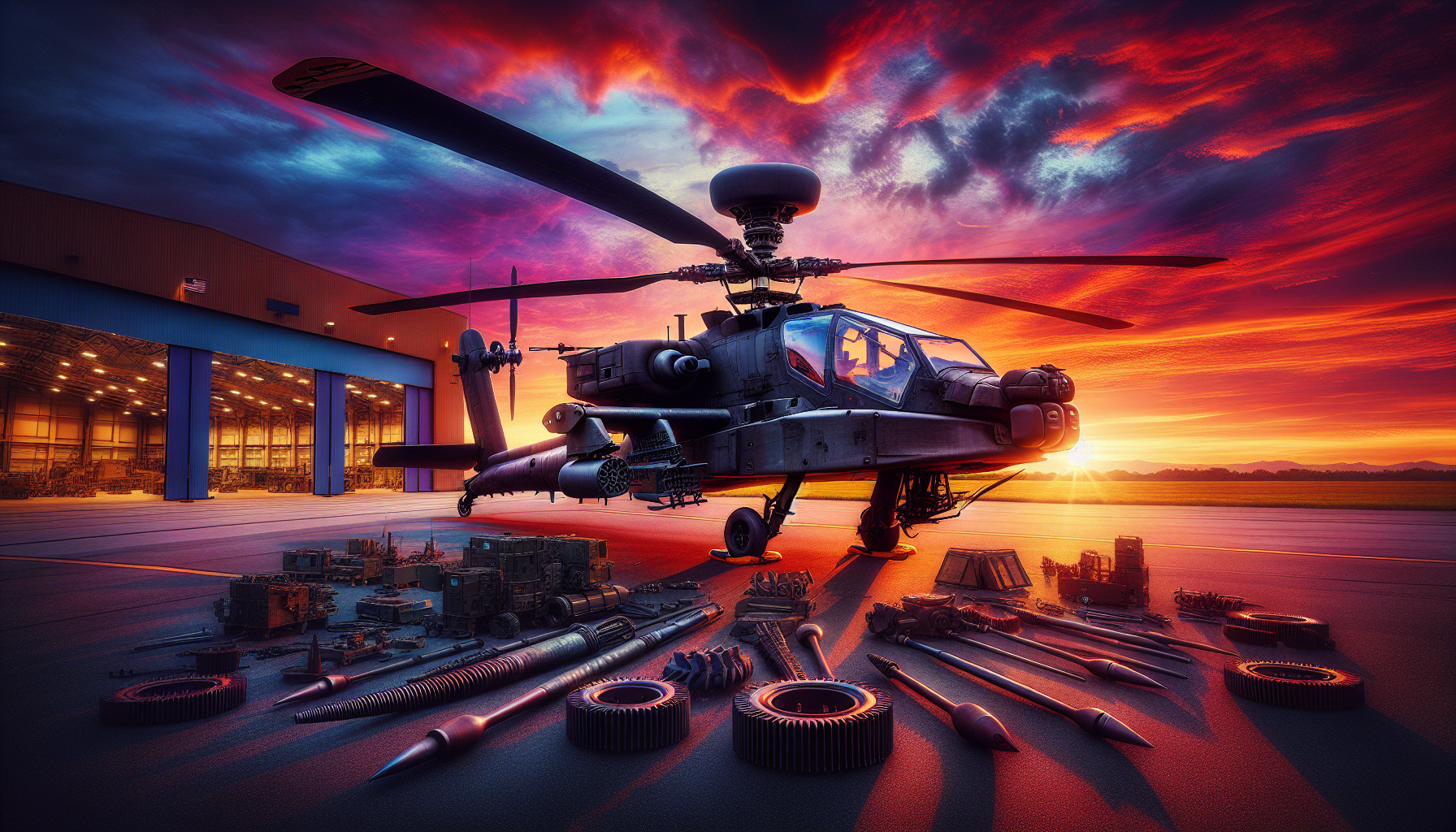
In contemplating the future of the Apache helicopter, it is critical to examine the technological upgrades and modifications that are being implemented. Advanced avionics, weapon systems, and enhanced communication capabilities are part of ongoing efforts to ensure that Apache helicopters remain effective in contemporary warfare. As you assess these advancements, recognize how they are aimed at prolonging the operational lifespan of legacy airframes while adapting to new mission requirements.
Potential new roles for Apache helicopters
The evolution of military strategy entails that Apache helicopters could transition into roles less focused on direct warfare. Potential new roles might include supporting drone operations, surveillance missions, and providing backup for infantry units. Such adaptability underscores the versatility inherent in the Apache’s design. You should consider the strategic implications of these new roles, which redefine their contributions to the Army’s operational framework.
Differences between legacy and future Apache models
You need to differentiate between legacy Apache models and future iterations being explored. Newer variants may incorporate cutting-edge technologies, such as improved sensors, high-tech avionics, and enhanced weaponry. Additionally, there is speculation about incorporating artificial intelligence to streamline operations and decision-making processes. Understanding these distinctions is vital as they inform your perspective on how the Army visualizes the Apache’s role moving ahead.
Post-FARA Plans
Overview of Future Attack Reconnaissance Aircraft (FARA)
The Future Attack Reconnaissance Aircraft (FARA) program represents the Army’s initiative to develop an advanced, next-generation rotary-wing aircraft designed to complement existing helicopter fleets. As you familiarize yourself with FARA, you should ascertain its potential to fill gaps within aerial recon capabilities and provide robust support to ground forces in diverse operational settings.
How FARA will complement or replace Apaches
FARA is intended to enhance, rather than completely replace, the capabilities of existing Apache helicopters. It is poised to introduce lighter, more agile designs that facilitate rapid response to emerging threats. By leveraging both manned and unmanned technologies, the FARA program embodies the Army’s vision of an integrated, multi-dimensional air assault capacity. You should recognize that this dual approach aims to create a more efficient deployment model, ensuring that critical missions can be accomplished effectively.
Timeline and current status of the FARA program
The FARA program has reached pivotal developmental milestones, with prototypes entering testing phases. The projected timeline indicates that operational deployment could emerge in the near future. You ought to stay appraised of advancements relating to FARA as they unfold, particularly how they will shape the U.S. Army’s aerial capabilities moving forward.
Emerging Autonomous Helicopter Concepts
Introduction to U-Hawk and other prototypes
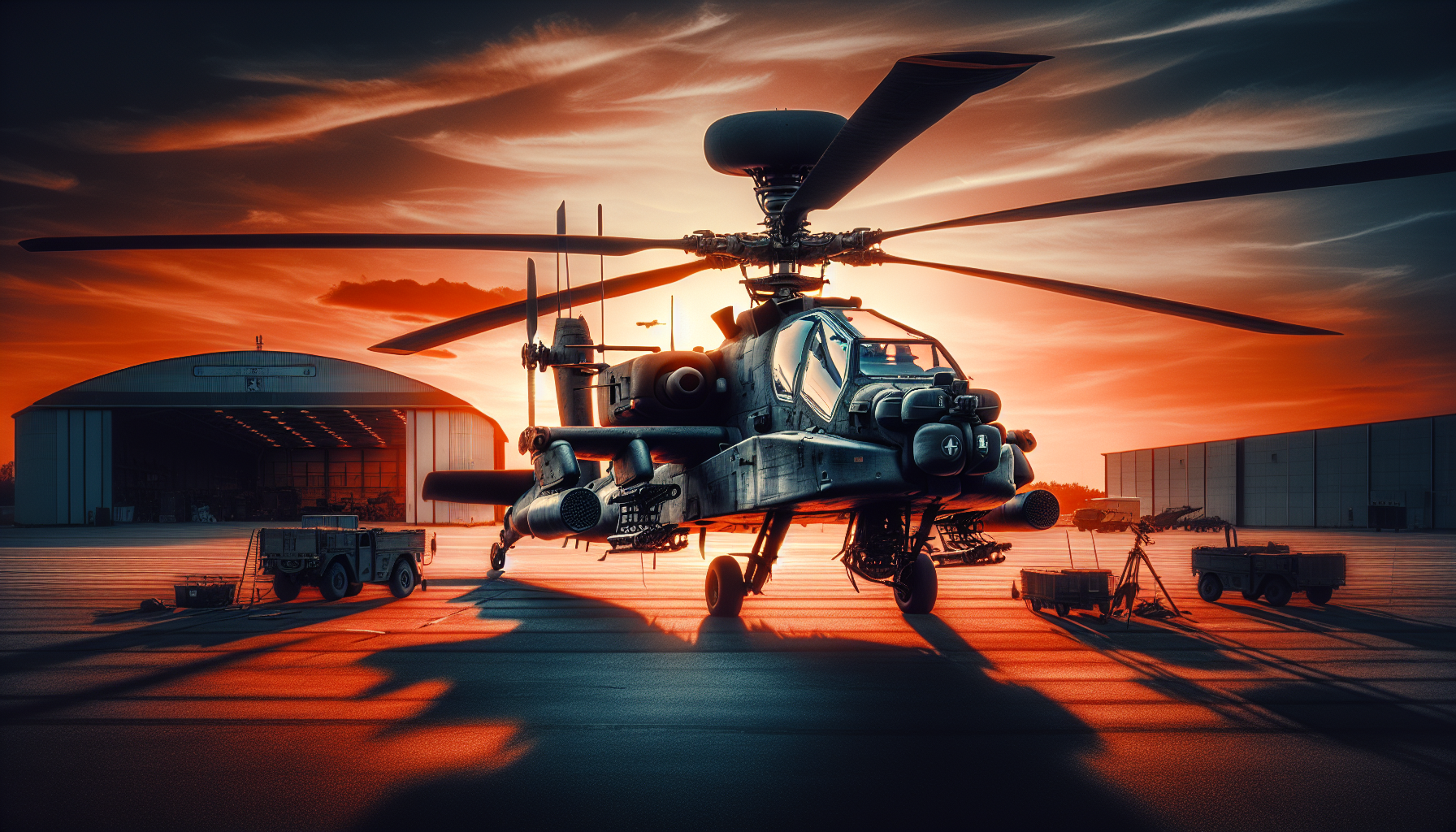
The U-Hawk and other autonomous helicopter prototypes signify a paradigm shift in military aviation. These systems are designed to operate independently or alongside manned aircraft, performing a range of roles such as reconnaissance, surveillance, and logistics. Their autonomous capabilities exemplify the Army’s commitment to employing advanced technologies, enhancing operational flexibility while reducing risks to personnel. As you explore these technologies, consider their implications on military strategy and operational planning.
Comparative analysis of autonomous vs. manned aircraft
The juxtaposition of autonomous and manned aircraft brings forth questions surrounding operational efficacy and strategic value. Autonomous helicopters present advantages such as cost-effectiveness and reduced risk to crew members. Yet, the decisions made by human pilots remain invaluable, particularly in complex environments where situational nuances demand human judgment. Analyzing these dynamics provides you with insights into how military operations may evolve, shaped by these differing modalities of flight.
Future operational capabilities of autonomous helicopters
As you contemplate the future operational capabilities of autonomous helicopters, consider their potential to transform mission profiles in various theaters of engagement. They may assume hazardous assignments, complementing manned platforms and expanding the spectrum of military options available to decision-makers. The integration of artificial intelligence and machine learning in these platforms heralds a new era of combat aircraft, one that redefines traditional notions of human-machine interaction in warfare.
Defense Strategies and Air Protection
Importance of air defense systems in the current landscape
In the evolving landscape of military operations, the importance of air defense systems cannot be overstated. With potential adversaries developing sophisticated aerial capabilities, maintaining an effective air defense strategy is crucial for safeguarding forces and strategic assets. You should recognize that integrated air defense systems employ a combination of radar, missiles, and other countermeasures to detect and neutralize threats before they can inflict harm.
Integrating helicopters into broader defense strategies
Integrating helicopters into broader defense strategies requires a nuanced understanding of their roles within contemporary military paradigms. As helicopters adapt to support drone operations, they can enhance situational awareness and provide critical support in denying enemy airspace. You should explore how synergistic relationships between helicopters and both manned and unmanned systems will be central to future military strategies, ultimately contributing to comprehensive air superiority.
Evaluating the survivability of aerial units
As aerial units face comprehensive threats, evaluating their survivability becomes essential. Factors such as platform agility, stealth technology, and integrated defense systems contribute to the broader conversation surrounding aerial unit survivability. You must engage with these aspects to discern how future military aviation strategies will adapt to ongoing technological advancements and threats to ensure mission accomplishment.
Military Budget and Resource Allocation
Financial implications of cutting Apache units
Budgetary considerations underpin many of the Army’s helicopter cuts. Reducing Apache units will yield significant financial savings, allowing the Army to redirect resources towards emerging technologies. However, these cuts represent not only a numerical decrease in capabilities but also a trade-off concerning long-standing investments in personnel training and maintenance infrastructure. You need to contemplate the broader ramifications of such budgetary decisions as they pertain to organizational efficacy and readiness.
Impact on overall Army budget and priorities
The reallocation of resources in light of Apache unit reductions reflects broader priorities within the Army. As funds are funneled toward drone technology and other emerging capabilities, traditionally existing priorities may shift, leading to a recalibration of operational focus. You should examine how these changes might affect the overall military readiness and capabilities of the Army, shaping future defense operations.
Future funding for aerial capabilities and technology
With an eye towards the future, keep in mind that funding for aerial capabilities will increasingly prioritize cost-effective, versatile technologies. The aforementioned pivot toward drones and autonomous systems speaks to the need for sustained investment in next-generation platforms. Understanding how the military budget will adapt to these demands allows you to position yourself for broader discussions concerning military innovation and resource allocation within the defense landscape.
Conclusion
Summary of the Apache cuts and their implications
In summary, the cuts to Apache units epitomize a broader transformation in military aviation strategy. As the Army pivots toward unmanned systems and technology-driven warfare, they must navigate challenges that encompass personnel, financial implications, and roles in modern combat. These decisions, while necessitated by evolving technologies and shifting military needs, will invariably reshape the landscape of Army aviation.
Future outlook for Army aviation and drone integration
Looking ahead, the integration of drones into Army aviation practices will remain central to military strategy. Continued advancements in manned-unmanned teaming, autonomous technologies, and upgraded aircraft designs will collectively contribute to a redefined aerial combat landscape. Through these adaptations, you may gain insight into the Army’s capability to maintain operational readiness while simultaneously capitalizing on technological innovations.
Final thoughts on the evolution of modern combat aircraft
In concluding your examination of modern combat aircraft, recognize that the evolution of aerial platforms underscores the dynamic nature of military strategy. While the Apache may no longer serve in the same capacity as before, its legacy informs future innovations. As military leaders consider the implications of emerging technologies, your understanding of these shifts will be pivotal in grasping the complexities of contemporary warfare and operational planning moving forward.