
The evolution of China’s nuclear capabilities under Mao Zedong marks a significant chapter in the narrative of global power dynamics post-World War Two. As China emerged as the fifth nation to possess nuclear arms, the establishment of a ‘no-first-use’ policy underscored its strategic positioning on the world stage. This development not only highlighted China’s military ambitions but also reflected the broader socio-political challenges faced within the People’s Republic of China (PRC).
This article examines the implications of China’s nuclear program during Mao’s leadership, highlighting its impact on international relations and internal societal tensions. It offers an analytical lens through which one can understand how nuclear armament became a key component of China’s identity as a rising superpower, amidst the complexities and contradictions of its domestic landscape.
Historical Overview of China’s Nuclear Program
China’s nuclear program has undergone significant transformations since its inception, reflecting the broader geopolitical landscape and national ambitions. This historical overview delineates key milestones, starting from early developments, through significant tests and evolving policies, all of which have shaped China’s current nuclear stance.
Early Developments under Mao Zedong
In the aftermath of World War II, as global power dynamics shifted, your country saw an urgent need to establish a robust defense mechanism against perceived external threats. Under Mao Zedong, who championed the view that nuclear weapons represented a fundamental tool of national sovereignty, the nascent Chinese nuclear program took its initial steps. By aligning with the Soviet Union during the 1950s, your government could benefit from Soviet technological expertise and financial assistance. However, with the Sino-Soviet split in the early 1960s, access to this technology was curtailed, propelling China into a self-reliant approach to nuclear weapons development. The late 1950s marked the beginning of domestic nuclear research, with a focus on building indigenous facilities for research, engineering, and eventually, weaponization.
China’s First Nuclear Test in 1964
The culmination of this effort occurred on October 16, 1964, when China successfully conducted its first nuclear test at the Lop Nur test site. This event marked your country’s entry into the exclusive club of nuclear-armed states, making it the fifth country to possess nuclear capabilities. The test was not merely a scientific achievement; it symbolized a powerful assertion of national pride and increased China’s status on the global stage. Post-test, the government adopted a more aggressive nuclear rhetoric, emphasizing that possessing such weapons was essential for your national security and a deterrent against imperialist threats, particularly from the United States and the Soviet Union.
Evolution of Nuclear Policy Post-Mao
Following Mao’s death in 1976, China’s nuclear policy began evolving to adapt to changing international circumstances. Under the leadership of Deng Xiaoping, a pragmatic approach emerged. You witnessed a shift toward strategic modernity, emphasizing modernization of the military and nuclear forces without compromising China’s ‘no-first-use’ policy, established in 1964. This commitment not only created stability in your country’s security posture but also served as a diplomatic tool in international relations, attempting to project a responsible nuclear stance while simultaneously enhancing China’s nuclear deterrence capabilities.
China’s Nuclear Doctrine
As you delve into China’s nuclear doctrine, it is crucial to understand the underlying principles that guide its nuclear strategy. Your nation’s approach is characterized by a commitment to a no-first-use policy, the establishment of a deterrence strategy, and a growing trend toward nuclear arsenal transparency.
No-First-Use Policy
A cornerstone of China’s nuclear doctrine is its ‘no-first-use’ policy, which posits that China will not be the first to use nuclear weapons in any conflict. This assertion aligns with your country’s goal of maintaining global stability and has been a key differentiator from the nuclear policies of other states. This policy not only reflects your nation’s stance on nuclear engagement but also reinforces its image as a responsible nuclear power committed to avoiding unnecessary escalations and conflict.
Deterrence Strategy
Your deterrence strategy operates on the premise that a credible nuclear arsenal serves as a safeguard against potential adversaries. China’s relatively minimal nuclear forces are designed to ensure that any potential aggressor understands the catastrophic consequences of nuclear retaliation. This approach aims to maintain a level of strategic ambiguity while ensuring that adversaries consider the repercussions of any hostile actions against your country.
Nuclear Arsenal Transparency
In recent years, there have been moves towards increased transparency regarding China’s nuclear arsenal. Your government has begun to provide limited insights into its capabilities, engaging in dialogues on disarmament and non-proliferation, both domestically and internationally. While still maintaining a degree of secrecy, there has been a gradual acknowledgment of the importance of transparency as a means to foster confidence-building measures and reduce the risks of miscalculation.
Current State of Nuclear Power in China
The current landscape of nuclear power in China is notable for its rapid expansion and strategic significance. As you explore these developments, the following points highlight the critical elements of China’s nuclear energy landscape, including operational reactors, energy alternatives, and strategic planning.

Number of Operational Nuclear Reactors
As of 2023, you can find that China hosts a growing fleet of nuclear reactors, with approximately 56 operational reactors and 21 under construction. This ranks China as one of the leading countries in nuclear power generation globally. The Chinese government is committed to increasing the share of nuclear energy in the national energy mix as part of its broader strategy to reduce reliance on fossil fuels and enhance energy security.
Renewable vs Nuclear Energy Growth
When assessing the growth trajectory of nuclear power in comparison to renewable energy sources, your perspective may reveal a nuanced understanding. While China ranks first in the world in renewable energy production, nuclear power also plays a critical role in the country’s energy strategy. The Chinese leadership views nuclear energy not as a competing force to renewables but rather as a complementary source that can help achieve energy diversification, reduce greenhouse gas emissions, and address the urgent issue of air pollution.
Nuclear Power as Part of Energy Strategy
Your evaluation of national energy planning reveals that nuclear power is deeply embedded in China’s long-term energy strategy. The nation aims to have about 150 gigawatts of nuclear capacity by 2030, as articulated in its energy development plans. By integrating nuclear energy into its strategy, China is positioned not only to meet rising domestic energy demands but also to play a pivotal role in global energy transitions.
Technological Advancements in Nuclear Energy
Technological advancements have been at the forefront of China’s efforts to establish a modern nuclear energy framework. Your exploration of this area emphasizes the importance of developing advanced reactor technologies, enhancing safety and efficiency, and fostering international collaborations.
Development of Advanced Reactors
China is actively pursuing the development of advanced reactor technologies, such as third-generation reactors like the AP1000 and Hualong One. These innovations reflect your country’s commitment to improving efficiency, safety, and sustainability in nuclear energy production. The emphasis on developing indigenous technology is aimed at reducing dependency on foreign designs and enhancing national capabilities.
Innovations in Safety and Efficiency
Your analysis indicates an increasing emphasis on safety protocols and efficiency measures in China’s nuclear program. Following the Fukushima disaster, China undertook a comprehensive review of its nuclear safety standards and has since implemented rigorous safety regulations to prioritize public and environmental safety. Moreover, innovations that enhance operational efficiency allow for the maximization of energy output while minimizing waste.
Collaboration with International Organizations
China’s engagement with international organizations has further accelerated technological advancements. By collaborating with entities such as the International Atomic Energy Agency (IAEA), your country is positioned to enhance its nuclear governance and safety standards. These partnerships also facilitate knowledge transfer and technology exchange, which are essential for maintaining high safety protocols and advancing nuclear technology.
Economic Implications of Nuclear Power
The economic dimensions of nuclear power in China warrant a thorough examination, as they encompass cost-benefit analysis, infrastructure investment, and job creation aspects. Your understanding of these implications can provide valuable insights into the role of nuclear energy in the overall economic landscape.
Cost-Benefit Analysis of Nuclear vs Fossil Fuels
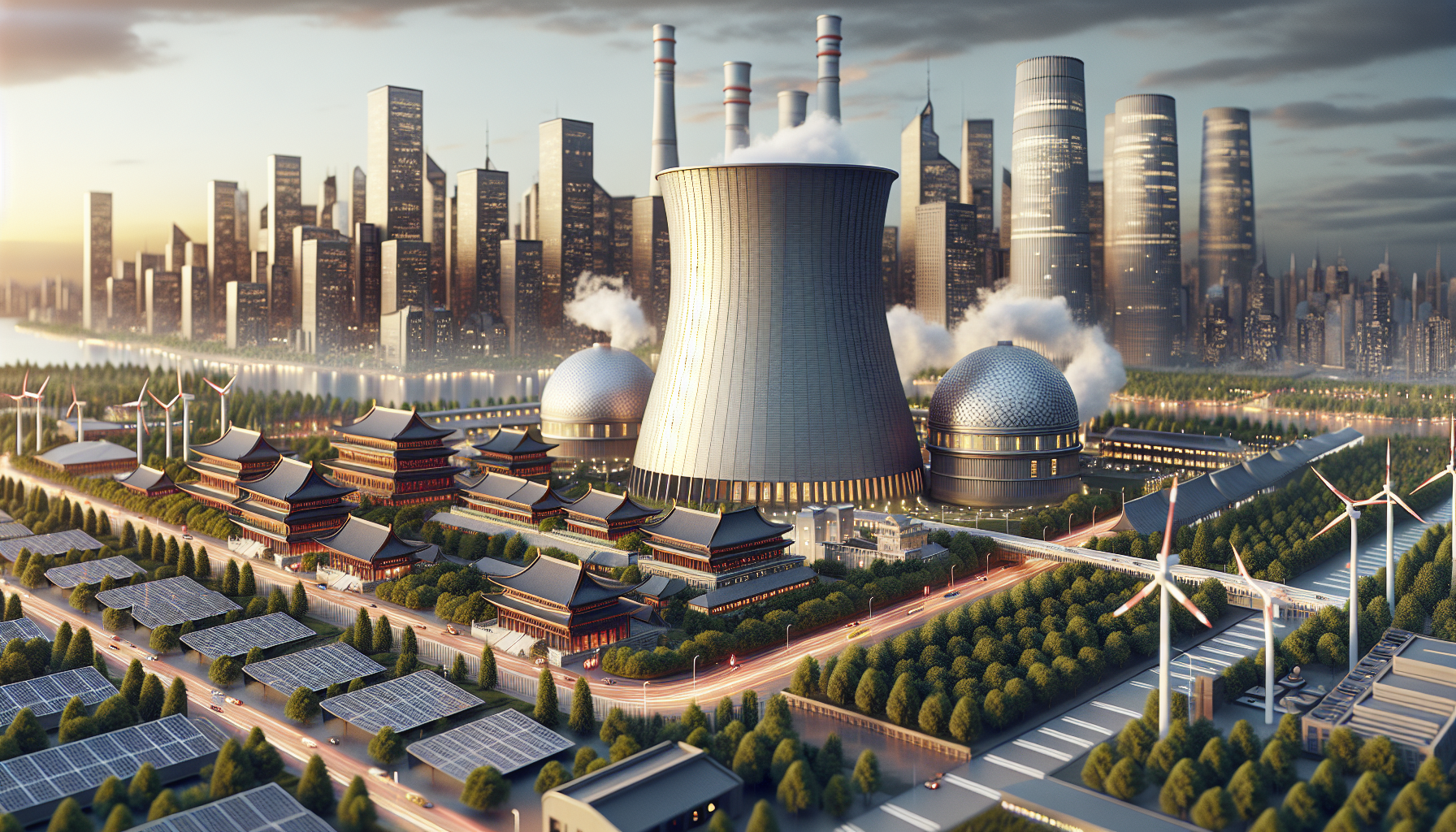
An essential aspect of evaluating China’s energy policy is conducting a cost-benefit analysis between nuclear power and fossil fuels. While initial capital costs for nuclear infrastructure can be substantial, operational efficiency and lower long-term costs often favor nuclear energy. You may consider that nuclear power, in terms of mitigating climate change and reducing air pollution, presents a compelling case against continued reliance on fossil fuels, which are subject to price volatility and geopolitical uncertainties.
Investment in Nuclear Infrastructure
Your assessment shows that significant investments are being dedicated to nuclear infrastructure, with expenditures aimed not only at new reactor construction but also at enhancing existing facilities. By prioritizing nuclear infrastructure, your government asserts its commitment to creating a robust energy framework that can withstand potential economic disruptions while ensuring energy security and sustainability.
Job Creation in the Nuclear Sector
The expansion of the nuclear sector also has profound implications for job creation. Employment opportunities arise not only from construction and operational phases of nuclear facilities but also from research and development initiatives. As you explore the potential social benefits, job creation in high-skilled areas positions nuclear energy as a catalyst for economic growth.
Environmental Considerations
Exploring the environmental implications of nuclear power in China includes examining air quality impacts, nuclear waste management challenges, and sustainable practices. This multifaceted analysis can offer a comprehensive understanding of nuclear energy’s environmental footprint.
Impact on Air Quality and Carbon Emissions
Nuclear power presents a distinct advantage when considered against traditional fossil fuel sources in terms of reducing air quality degradation and carbon emissions. Your observations may indicate that an increase in nuclear energy can lead to improved urban air quality, thereby enhancing public health and living conditions across densely populated areas.
Nuclear Waste Management Challenges
Despite its advantages, nuclear energy raises significant concerns regarding waste management. The challenges associated with the long-term storage and disposal of nuclear waste are critical considerations for your country’s nuclear strategy. It is paramount for your government to develop effective waste management solutions that assuage public fears and ensure environmental safety.
Sustainable Nuclear Practices
As you critically evaluate the sustainability of nuclear practices in China, you may find that there is an emphasis on promoting sustainable methodologies within the nuclear energy sector. This includes ongoing research into recycling nuclear waste and developing new technologies to make the entire nuclear energy lifecycle more sustainable, thus minimizing ecological impacts.
Geopolitical Dynamics
China’s nuclear capabilities are inextricably linked to the geopolitical landscape of Asia. Understanding regional dynamics, particularly in relation to China’s nuclear relations with the U.S., and proliferation concerns is crucial for comprehending the broader implications of China’s nuclear energy strategy.
Regional Nuclear Balance of Power
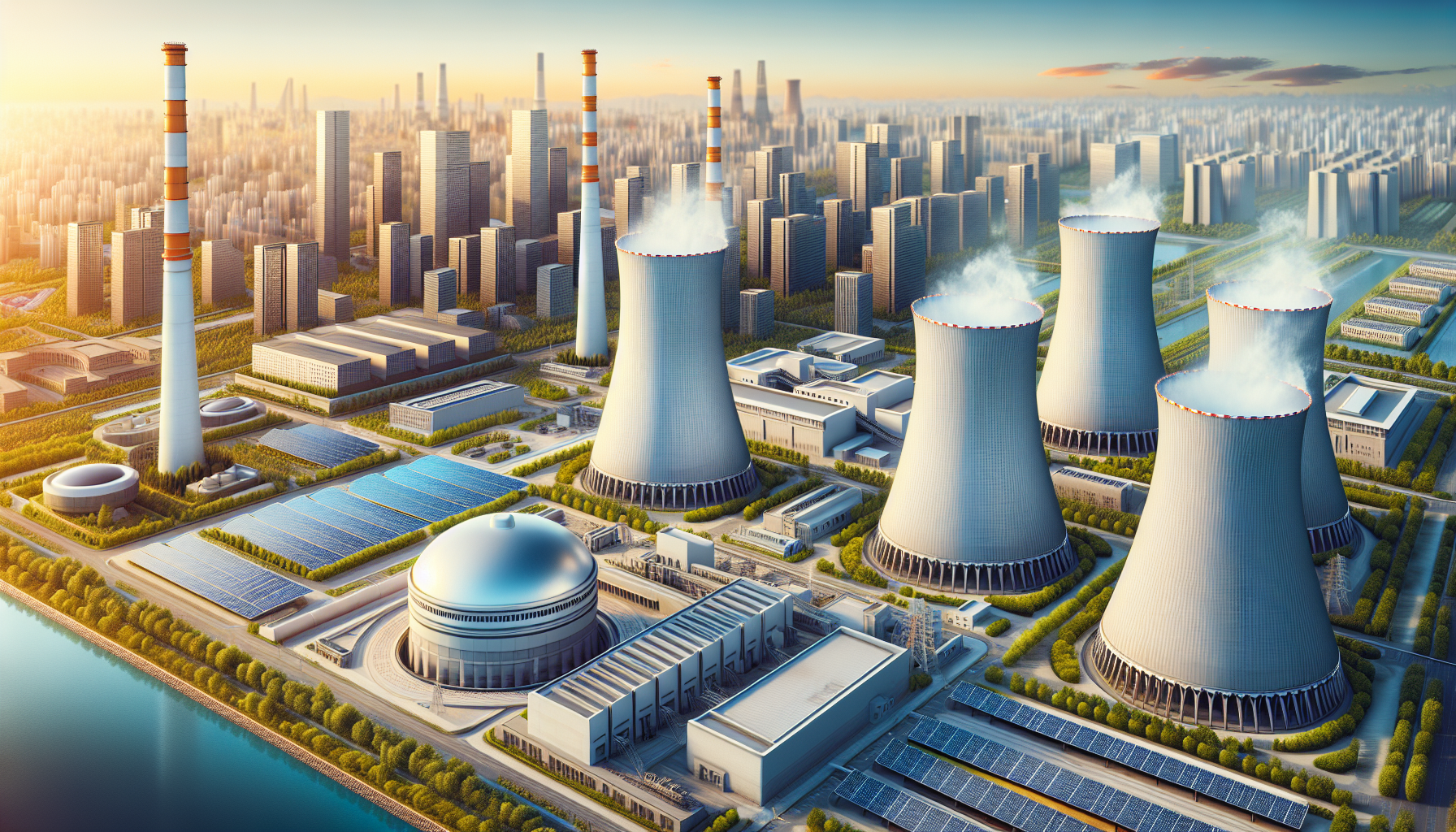
In the context of the regional nuclear balance of power, your analysis may reveal China’s efforts to maintain a credible deterrent against its neighbors, particularly India and Pakistan, who are also recognized nuclear states. The nuances of this nuclear balance are influential in shaping security policies and military strategies across Asia, highlighting the significance of China’s nuclear arsenal.
China’s Nuclear Relations with the U.S.
The historical trajectory of China’s nuclear relations with the United States has been characterized by periods of tension and engagement. As you explore this relationship, you might observe how diplomatic dialogues have centered around arms control, non-proliferation, and preventive measures to avoid nuclear confrontations. Maintaining strategic communication channels remains crucial in avoiding miscalculations in an increasingly complex security environment.
Nuclear Proliferation Concerns in Asia
Concerns about nuclear proliferation within Asia represent a daunting challenge for regional security. Your perspective may emphasize the significance of collaborative frameworks aimed at preventing the spread of nuclear weapons and promoting disarmament throughout the Asia-Pacific region, fostering stability and peace.
Public Perception of Nuclear Energy in China
The societal reception of nuclear energy in China is a multifaceted issue, characterized by varying levels of awareness, acceptance, and concerns regarding safety. Understanding the public’s perception can provide valuable insight into the future of nuclear energy policy.
Awareness and Acceptance of Nuclear Power
Public awareness of nuclear power is evolving, with government initiatives aimed at educating the populace about its benefits. Many citizens recognize nuclear power as a viable and necessary alternative to fossil fuels, especially given the pressing need to address environmental concerns. Your observations might suggest a growing acceptance of nuclear energy, though grounded in a desire for transparency and safety.
Safety Concerns and Public Opinion
Safety concerns remain a significant hurdle in the public’s acceptance of nuclear energy. Past incidents, such as the Fukushima disaster, cast long shadows and evoke fears of catastrophic consequences. Your analysis may indicate that addressing these fears through comprehensive safety protocols and open communication will be paramount to gaining broader public support for nuclear initiatives.
Government Educational Campaigns
Recognizing the importance of public perception, your government has initiated educational campaigns aimed at promoting the benefits and safety of nuclear energy. These campaigns play a key role in dispelling misinformation and fostering a culture of understanding within the populace, thereby easing apprehensions regarding nuclear technologies.
Future Prospects of China’s Nuclear Power
Looking ahead, the future of nuclear power in China is ripe with opportunities and challenges. Your exploration of projected growth, international collaboration, and climate goals evokes a sense of dynamism and responsibility in the energy sector.
Projected Growth of Nuclear Capacity
Projected growth in nuclear capacity signifies an ambitious commitment to clean energy solutions. Your insights into government plans indicating the construction of new reactors and the integration of advanced technologies suggest that China is positioned to become a global leader in nuclear energy production, aligning with its environmental goals.
International Collaboration for Nuclear Research
As international collaboration becomes increasingly significant, your perspective may emphasize the potential benefits derived from joint research initiatives, best practices, and technology exchanges. Engagement with global partners could address common challenges and fortify safety measures, positioning China as a pivotal player in the global nuclear energy landscape.
Role of Nuclear Energy in Meeting Climate Goals
Nuclear energy plays a critical role in enabling China to meet its ambitious climate goals. Your understanding may align with the perspective that nuclear energy is essential not only for reducing greenhouse gas emissions but also for achieving energy security while supporting economic growth.
Conclusion
Summary of Key Points
In summary, your exploration of China’s nuclear program reveals a complex interplay of historical development, policy evolution, technological advancements, and societal considerations. The ‘no-first-use’ policy stands as a pillar in China’s nuclear doctrine, while the growing nuclear energy infrastructure reflects both an economic and environmental commitment.
Future Challenges and Opportunities
However, key challenges persist, such as waste management, public perception, and geopolitical tensions. Your insights suggest that addressing these challenges will require thoughtful strategy and collaboration, not only within China but also globally.
Impact of Nuclear Power on China’s Global Standing
Ultimately, the trajectory of nuclear power in China plays a critical role in shaping its global standing as a responsible nuclear power. By embracing innovation and prioritizing safety, China has the opportunity to position itself as a model for sustainable nuclear energy use, influencing both regional stability and global energy dynamics in the years to come.