
The decline of battleship construction represents a significant shift in naval warfare and military strategy. Modern advancements in technology and changes in geopolitical dynamics have rendered these colossal vessels obsolete in contemporary combat scenarios. This article explores the factors contributing to the cessation of battleship production, examining technological progress, evolving military doctrines, and budgetary constraints that shape today’s naval fleets.
In addressing why battleships are no longer built, this examination encompasses not only the historical context of their design and utilization but also the implications of modern naval warfare. You will discover how contemporary needs shift the focus toward smaller, more versatile vessels equipped with advanced weaponry and systems. Ultimately, this discourse highlights the intricate balance between tradition and innovation within military capabilities.
Historical Significance of Battleships

Evolution of Battleships in Naval Warfare
Battleships have long held a pivotal role in the annals of naval warfare, evolving through various eras to adapt to the changing tides of technology and military strategy. Emerging prominently in the latter half of the 19th century, battleships transitioned from wooden-hulled vessels to ironclad warships, heralding a new era in maritime conflict. By the early 20th century, battleships had emerged as symbols of national power, equipped with the firepower to dominate the seas. The introduction of dreadnoughts in the early 1900s, characterized by a uniform battery of heavy guns and steam propulsion, revolutionized naval battles, shifting the focus towards massive, heavily armored ships capable of sustaining significant damage. This evolution did not just reflect advancements in naval technology; it also symbolized the geopolitical ambitions of nations vying for supremacy on the global stage.
Key Battles Involving Battleships
Throughout history, battleships have been at the forefront of several pivotal naval battles, shaping the outcomes of wars and influencing international relations. The Battle of Jutland in 1916, the largest naval engagement of World War I, highlighted the strategic importance of battleships. Despite their destructive capabilities, the battle showcased the limitations of these vessels against emerging technologies and tactics. In World War II, the battleship’s role intensified, most notably in the Pacific Theater, where engagements such as the Battle of Midway and the Battle of Leyte Gulf illustrated both their power and vulnerability. These battles not only signify tactical maneuvers but also reflect broader strategic shifts in maritime warfare, where the advent of air power began to overshadow traditional ship-to-ship engagements.
Transition from Sail to Steam Power
The transition from sail to steam power represents a crucial turning point in naval history. The advent of steam propulsion in the mid-19th century enhanced naval maneuverability and operational range, rendering sailing ships increasingly obsolete. As coal-powered engines replaced traditional sails, ships could maintain speed regardless of wind conditions, thereby revolutionizing naval strategy. This transition allowed for the development of faster, more heavily armed ships that could engage the enemy with greater efficiency. The interplay between sail and steam not only affected ship design but also necessitated substantial changes in naval tactics and logistics, changing how nations prepared for conflict on the high seas.
Technological Advancements in Naval Warfare
Introduction of Aircraft Carriers
With the introduction of aircraft carriers, the strategic paradigm of naval warfare shifted dramatically. Aircraft carriers emerged as crucial assets during World War II, serving as floating airbases that extended the reach of naval aviation far beyond the traditional limits of battleships. Their ability to launch and recover aircraft allowed for the projection of air power over vast distances, making them indispensable in modern naval strategy. The supremacy of aircraft carriers redefined engagement strategies, compelling navies to rethink their doctrines and prioritize air superiority over sheer firepower. As a result, the battleship’s preeminence was increasingly challenged, paving the way for newer classes of naval vessels that could support an integrated air-sea combat approach.
Role of Submarines in Modern Combat
Submarines have drastically altered naval warfare, creating new challenges and strategic considerations. The development of advanced submarines, particularly nuclear-powered vessels, introduced a stealth component that traditional surface ships struggled to counteract. Their ability to launch surprise attacks and conduct reconnaissance missions has reshaped naval strategies, prompting navies to invest in anti-submarine warfare capabilities. This evolution highlights a broader trend wherein the surface vessels, once the dominant force, are now complemented—or even undermined—by undersea assets. The role of submarines underscores the complexities of modern naval combat, where engagements can occur in the depths of the ocean, far removed from traditional surface confrontations.
Advancements in Missile Technology
The advent of missile technology has fundamentally transformed naval warfare. Guided missile systems have enhanced the lethality of surface ships, enabling them to engage targets at ranges previously deemed unattainable. Cruisers and destroyers equipped with sophisticated missile systems are now capable of delivering precision strikes against both air and sea threats. The ability to engage land targets from both sea and air has further blurred the lines of traditional maritime conflict. This shift has led to a reevaluation of naval strategy, compelling fleets to adopt integrated defense mechanisms against increasingly sophisticated missile threats, thereby heightening the stakes of naval engagements.
Economic Considerations
High Costs of Battleship Construction
Constructing battleships requires vast financial investments, often running into billions of dollars. The escalation in costs stems not only from the advanced technologies integrated into modern shipbuilding but also from the extensive workforce and resources required to complete such intricate projects. Given the budgetary constraints faced by many navies, the allocation of funds for battleship construction competes with other military priorities, such as ensuring versatile and adaptable naval fleets capable of addressing a range of threats. The economic viability of battleships has increasingly come into question, prompting a reassessment of their role within the broader context of naval capabilities.
Maintenance and Operational Expenses
Beyond initial construction, the ongoing maintenance and operational expenses of battleships are significant. These vessels require specialized upkeep, including regular overhauls and the management of sophisticated weaponry systems. The costs associated with training personnel, maintaining operational readiness, and conducting naval exercises compound these expenses. In an era where economic considerations are paramount, many navies find it increasingly challenging to justify the financial commitment necessary for sustaining a fleet of battleships. As priorities shift towards multifunctional platforms, the economic burden of traditional battleship fleets becomes a pressing concern.
Budget Priorities in Modern Navies
Modern naval budgets are shaped by the evolving landscape of threats and geopolitical considerations, prompting a reevaluation of spending priorities. Nations are increasingly drawn to cost-effective, multi-role vessels capable of fulfilling diverse missions rather than committing substantial resources to single-function battleships. Investments in technology, such as cyber warfare and unmanned systems, are often viewed as more strategically advantageous. This shift towards versatility reflects an understanding that future conflicts may require agile responses rather than the brute force often associated with traditional battleships. Consequently, achieving a balanced naval fleet that can respond to a spectrum of challenges takes precedence over the historical emphasis on battleship-centric strategies.
Strategic Changes in Naval Doctrine
Shift Towards Asymmetrical Warfare
The changing nature of global conflicts has resulted in a strategic shift towards asymmetrical warfare, where traditional battleship engagements are often ill-suited. Asymmetrical warfare emphasizes unconventional tactics, where weaker adversaries may leverage guerrilla strategies, cyber capabilities, or unmanned systems to counter technologically superior forces. This shift has compelled naval strategists to seek adaptable and responsive platforms capable of engaging in a broader range of scenarios. The rigidity associated with battleship doctrines may hinder effective responses to such unpredictability, necessitating a more diversified approach that embraces symptoms of modern conflict.
Focus on Multi-Role Platforms
In light of the complexities of contemporary warfare, navies are increasingly focusing on the development of multi-role platforms that combine various capabilities into a single vessel. Destroyers and frigates are often designed to perform a spectrum of missions, from anti-air and anti-submarine warfare to land attack. This versatility enhances operational efficiency and allows navies to deploy resources in a more flexible manner. As threats evolve, the ability to adapt quickly to distinct operational demands becomes paramount. Consequently, a fleet composed of diverse, multi-functional vessels is preferred over one relying heavily on traditional battleships, which may lack the adaptability necessary to meet the dynamic nature of modern engagements.
Importance of Naval Mobility
Naval mobility has emerged as a crucial factor in contemporary maritime strategy, as the ability to rapidly deploy assets across vast areas of operations can determine the outcome of conflicts. Traditional battleships, with their significant size and limited capabilities for kinetic maneuvering, often lack the agility required in modern naval theater aspects. Smaller, faster vessels equipped with advanced technology can achieve strategic objectives more effectively, facilitating rapid responses to emerging threats. In an age where naval engagements often unfold swiftly across global theaters, the importance of mobility emphasizes the need for navies to rethink their approaches and invest in assets that can maintain operational tempo.
Safety and Vulnerability of Battleships
Size and Target Profile of Battleships
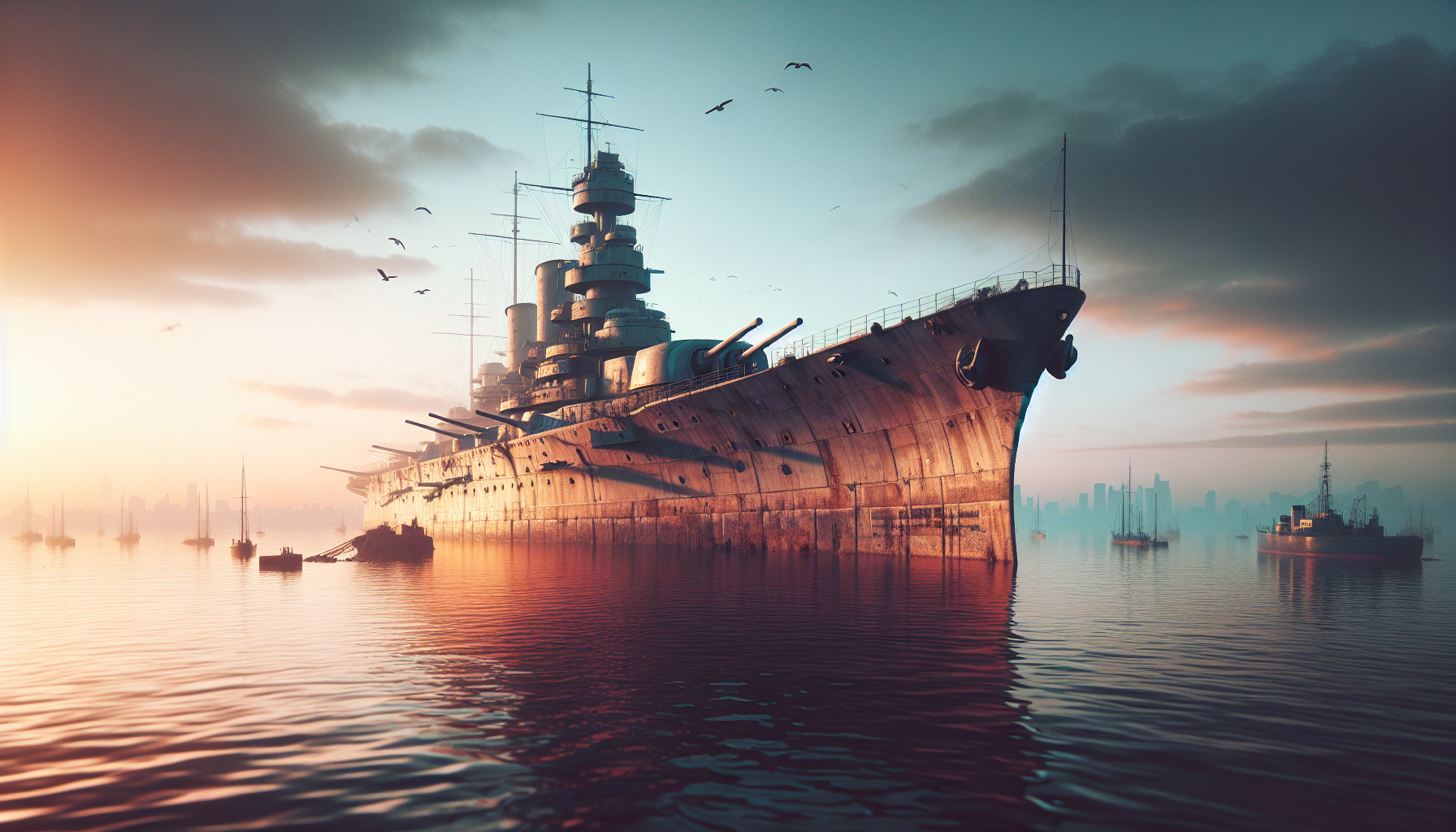
The sheer size of battleships presents substantial vulnerabilities in modern naval warfare. As the largest surface vessels, battleships are easily identifiable and represent conspicuous targets for adversaries. This visibility increases the risk of detection by enemy forces, particularly as guided missile technology becomes more advanced. Furthermore, the massive target profile makes them focal points in any naval engagement, rendering them susceptible to concentrated attacks by adversaries seeking to exploit their design flaws. As a result, the strategic utility of battleships diminishes in an era where stealth and asymmetrical tactics prevail.
Impact of Modern Anti-Ship Weapons
Modern anti-ship weapons pose a significant threat to the traditional concept of battleship dominance. Advances in missile technology have led to the development of highly sophisticated anti-ship missiles capable of engaging targets at ranges exceeding the strike capabilities of traditional battleships. The advent of precision-guided munitions further complicates the battle landscape, as targeting systems can now identify and strike battleships with alarming accuracy. Additionally, the proliferation of advanced submarines equipped with such weapons poses a critical challenge to battleships’ operational effectiveness, undermining their once unassailable role in naval engagements.
Historical Vulnerabilities of Battleships
Battleships have historically exhibited vulnerabilities that compromise their effectiveness in naval engagements. The infamous sinking of the USS Arizona during the attack on Pearl Harbor elucidates the susceptibility of battleships to surprise aerial assaults. The vulnerability of these vessels to evolving strategies, such as high-speed torpedo attacks or coordinated air strikes, has been evident throughout history. As a result, while battleships may boast formidable firepower and impressive shields, their susceptibility to rapid advancements in warfare tactics calls into question their continued relevance in modern naval combat.
Political and Military Perspectives
Public Opinion on Large Naval Assets
Public opinion regarding large naval assets, particularly battleships, reflects broader societal attitudes towards military investments and national defense. In an era marked by fiscal austerity and changing military priorities, the public often questions the rationale behind the substantial costs associated with maintaining a fleet of battleships. Debates surrounding defense spending reveal a divide between those advocating for traditional naval power and those advocating for budget allocations towards more diverse and flexible naval capabilities. These discussions underscore the importance of transparency in military budgeting and decision-making, as public sentiment increasingly influences operational strategies.
Military Strategy and Policy Decisions
The future trajectory of battleships is closely linked to military strategy and policy decisions made by national leaders. The evolving nature of conflict necessitates a re-evaluation of traditional doctrines, prompting military strategists to consider diverse approaches to fleet composition. Policymakers face choices regarding the allocation of resources to battleships versus investing in emerging technologies, such as unmanned vehicles and cyber capabilities. These policy decisions often reflect broader geopolitical dynamics and the perceived security environment, shaping the trajectory of naval forces for years to come.
International Naval Treaties and Limitations
The evolution of international naval treaties has also impacted the development and deployment of battleships. Agreements such as the Washington Naval Treaty and the London Naval Treaty sought to limit naval armament and promote strategic stability between competing powers. Such treaties have historically constrained battleship construction, driving nations to invest in more versatile naval platforms. As international relations shift and new treaties are introduced, historical norms surrounding battleship construction may also be influenced, further complicating the landscape of naval doctrine.
Modern Alternatives to Battleships
Role of Guided Missile Destroyers
Guided missile destroyers have emerged as modern alternatives to traditional battleships, integrating advanced weaponry and versatile capabilities. These vessels are designed to support a variety of missions, from anti-air operations to counter-submarine warfare. Their advanced radar and targeting systems allow them to engage multiple targets quickly, making them indispensable components of contemporary naval fleets. By combining the lethality of surface combatants with enhanced maneuverability, guided missile destroyers represent a paradigm shift in naval warfare, firmly away from the battleship-centric doctrine of the past.
Surface Combatants and Their Flexibility
Surface combatants, including frigates and corvettes, have gained prominence as adaptable naval assets capable of addressing diverse operational needs. These vessels often boast multi-role capabilities, equipping them to counter threats ranging from piracy to sophisticated air attacks. Their smaller size allows for greater agility and operational flexibility, making them well-suited to the complexities of modern maritime engagement. As navies grapple with diverse threats, the emphasis on surface combatants reflects a strategic pivot towards achieving maritime security through versatile, multifunctional platforms.
Integration of Unmanned Vehicles
The integration of unmanned vehicles into naval operations signals a transformative shift in modern warfare, offering unprecedented flexibility and risk-reduction. Unmanned aerial vehicles (UAVs), unmanned surface vessels (USVs), and unmanned underwater vehicles (UUVs) can conduct reconnaissance, surveillance, and even offensive operations with minimal risk to personnel. This technological evolution complements traditional naval assets by extending their operational reach without the inherent vulnerabilities associated with manned battleships. As these technologies proliferate, the future of naval warfare is increasingly populated by a blend of manned and unmanned forces, further reshaping the concept of naval engagement.
Naval Exercises and Real-World Implications
Simulations without Battleships
Naval exercises are essential for maintaining combat readiness, and in recent years, many have purposely excluded battleships, favoring more versatile platforms instead. Simulations without battleships emphasize the importance of adaptability, technological integration, and multi-role capable vessels in modern warfare. Such exercises allow naval forces to practice a range of scenarios, highlighting the effectiveness of contemporary ships in real-world conditions. As navies train for increasingly complex maritime environments, the exclusion of battleships from these simulations underscores the shift towards platforms better suited to meet contemporary challenges.
Training with Multi-Role Platforms
Training with multi-role platforms in naval exercises allows for the exploration of innovative tactics and operational strategies that align with the realities of modern maritime engagement. These exercises focus on joint operations among diverse platforms, reinforcing the need for collaboration in addressing multi-faceted threats. By emphasizing the integration of surface combatants, aircraft, and unmanned systems, naval training mirrors the complexities of contemporary warfare. This evolving training paradigm reflects the recognition that future conflicts will require flexible and adaptive responses rather than a reliance on traditional battleship doctrines.
Lessons Learned from Recent Conflicts
Recent conflicts offer invaluable lessons regarding the operational capabilities and vulnerabilities of contemporary naval forces. Engaging in operations that prioritize speed, agility, and technological sophistication has underscored the importance of adapting to the fast-paced nature of modern warfare. The experiences gleaned from recent conflicts inform naval strategy and fleet composition, underscoring the need for forces that can respond dynamically to emerging threats rather than adhering to outdated models centered around battleships. By examining these lessons, navies can refine their operational tactics to enhance overall readiness and effectiveness in future engagements.
Cultural Impact of Battleships
Battleships in Media and Literature
The cultural impact of battleships extends beyond their historical significance, permeating various aspects of media and literature. Iconic representations of battleships have evoked fascination and reverence, serving as lasting symbols of power, technology, and the maritime spirit. In fictional works, battleships often embody themes of conflict, heroism, and human resilience. These depictions have contributed to the enduring cultural resonance of battleships, framing them as potent symbols of naval prowess and contributing to the collective memory surrounding naval history.
Public Interest and Museums
Battleships have become objects of public interest, often finding their place in museums dedicated to preserving naval history. These exhibits educate visitors about the maritime past, showcasing the technological advancements and historical significance of battleships in shaping naval warfare. Preserving retired battleships as museum ships fosters public engagement and reflection on the challenges and triumphs of naval service. As tangible artifacts of history, these vessels invite exploration of the legacy of naval power, captivating the imagination of new generations and encouraging dialogue about contemporary naval affairs.
Symbolism of Naval Power
Battleships have long served as symbols of naval power, representing national pride and military might. Their towering stature and formidable armaments evoke a sense of awe and respect, encapsulating the strategic aspirations of nations throughout history. The symbolism extends to the geopolitical realm, where battleships have signified a nation’s commitment to maritime security and global engagement. Even in an era of evolving naval strategies, the enduring symbolism of battleships serves as a reminder of a time when maritime supremacy was synonymous with military dominance.
Conclusion
Summary of Key Points
In conclusion, the decline of battleships within modern naval strategy highlights a complex interplay of historical significance, technological advancements, economic considerations, and shifting military doctrines. As navies redefine their priorities in an increasingly dynamic and unpredictable world, the role of battleships has diminished in favor of versatile platforms that can address contemporary threats more effectively. While battleships played a crucial role in shaping naval warfare, their limitations have prompted a reevaluation of naval capabilities and strategies that reflect the realities of modern engagement.
Final Thoughts on the Fate of Battleships
The fate of battleships invites reflection on the broader trajectory of naval power and the evolution of maritime warfare. While their impressive history has etched them into the legacy of global conflict, the realities of emerging technologies and strategic needs necessitate a departure from traditional models. The lessons learned from past engagements underscore the importance of adaptability in naval strategy, paving the way for a future where flexibility and innovation triumph over the age-old reliance on battleship dominance.
Looking Ahead: The Evolution of Naval Power
As nations navigate the complexities of an evolving security landscape, the future of naval power lies in innovation and adaptability. The integration of emerging technologies, the prioritization of multi-role platforms, and a focus on flexible naval strategies will define the next era of maritime warfare. While battleships may no longer dominate the seas, the evolution of naval power will continue to shape the course of international relations and the conduct of warfare on the high seas. The journey towards a new paradigm is not merely one of hardware but encompasses a broader understanding of strategic imperatives that guide the naval forces of tomorrow.