
The recent selection of a landing ship by the Navy marks a significant development in the capability to transport Marines effectively in combat scenarios, particularly in the Pacific theater. This new vessel, the McClung-Class Medium Landing Ship, is a pragmatic choice, embodying a straightforward 100-meter design based on the Dutch LST-100, which contrasts sharply with more ambitious naval concepts. The article will analyze the pressing need for enhanced amphibious capabilities, explore the influences of Force Design 2030 and Expeditionary Advanced Base Operations (EABO), and assess how this simple yet robust solution may address longstanding operational deficiencies.
Furthermore, the discussion will extend to the implications of the evolution in amphibious warfare platforms, including the complexities surrounding previous initiatives such as the Light Amphibious Warship program. Insight will be provided into how the new ship is expected to function strategically around critical locations like Taiwan and the South China Sea, while evaluating how effectively the Navy can manage this program to prevent pitfalls observed in other ship construction efforts. The objective is to furnish a comprehensive understanding of the current and future landscape of Navy-Marine Corps amphibious operations.
Overview of the New Landing Ship
Description of the McClung-Class Medium Landing Ship
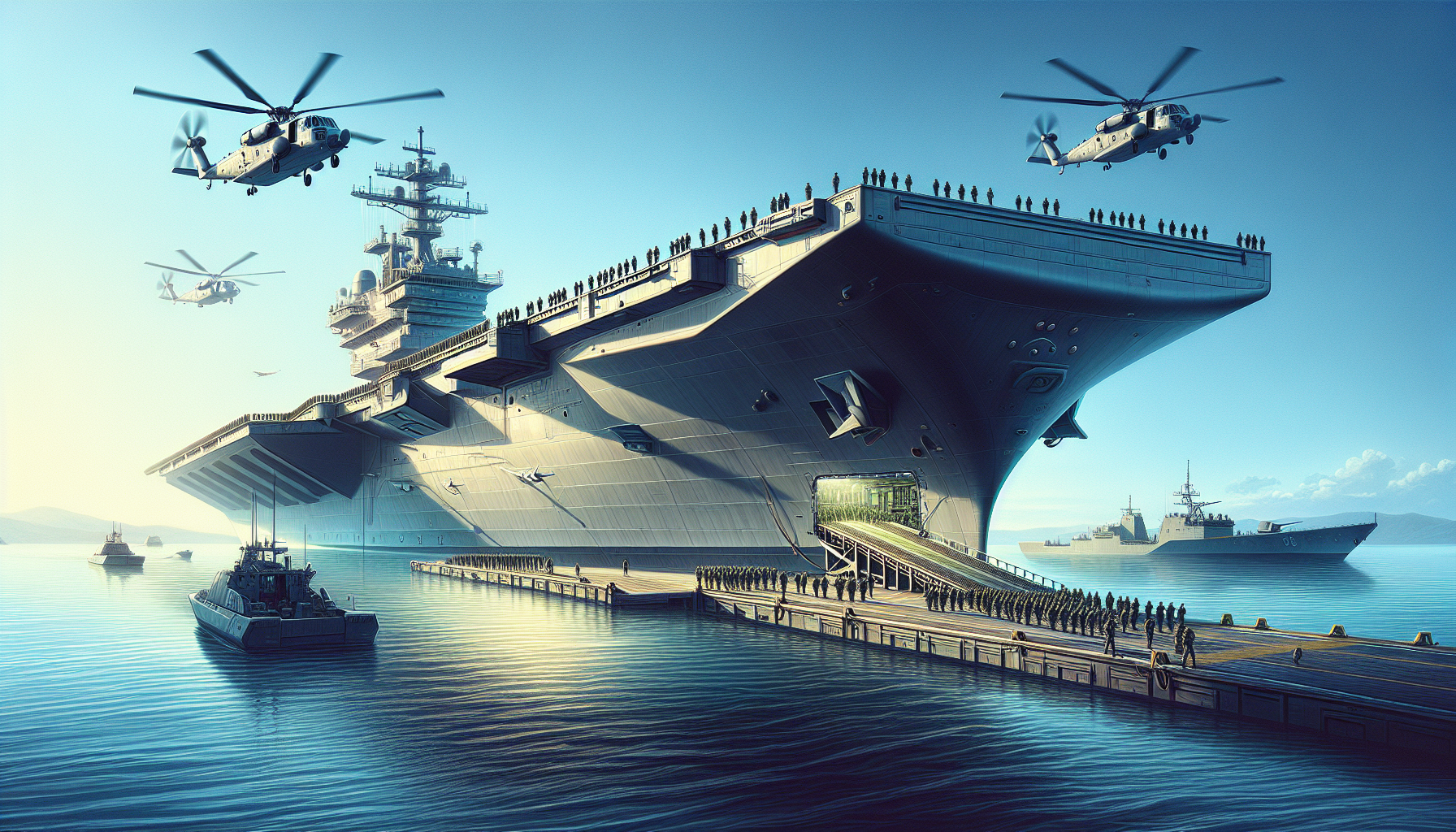
The McClung-Class Medium Landing Ship (LSM) serves as a strategic addition to the United States Navy’s amphibious operations. At 100 meters in length, this vessel is designed for versatility and efficiency, with a primary focus on transporting the Marine Littoral Regiments in the specific operational theater of the Pacific. Unlike previous designs that leaned towards complex and expensive technical specifications, this ship follows a more straightforward approach based on the Dutch-designed LST-100. This pragmatic design allows the McClung-Class to excel in deploying forces and capabilities swiftly, filling a critical gap in the Navy’s amphibious warfare framework.
Comparison with Current Amphibious Vessel Capabilities
The emerging capabilities of the McClung-Class stand in stark contrast to earlier amphibious vessels. Conventional amphibious ships often struggled with heavy cargo capacity or were designed without the capacity for true beach landing capabilities. The McClung-Class addresses these limitations by providing simplified loading processes, enabling faster deployment times, and offering improved access to contested shorelines. With an emphasis on maneuverability and logistics, its specifications are tailored to enhance the operational readiness of Marine Corps units, particularly as threats in the Pacific evolve.
Significance of the Ship in Modern Warfare
In the context of modern warfare, where rapid deployment and adaptability are paramount, the McClung-Class is highly significant. It embodies the U.S. Navy’s shift towards a more dynamic maritime strategy in the face of increasing geopolitical tensions, particularly concerning China. By improving its amphibious capabilities, the Navy not only enhances its logistical reach but also increases deterrence, providing an effective response to potential conflicts in the Pacific. The McClung-Class provides a foundation for a refreshed vision of amphibious warfare that integrates new technologies, strategies, and operational frameworks.
Historical Context of Amphibious Warfare
Evolution of Landing Ships in the U.S. Navy
The history of landing ships in the U.S. Navy is characterized by continuous development in response to evolving warfare strategies. From the early days of World War II, where ships like the LST (Landing Ship, Tank) revolutionized beach landings, to the current day, the Navy has consistently adapted its vessels to meet the demands of the battlefield. The evolution witnessed through various classes of landing ships illustrates a broader understanding of the necessity for flexibility, capacity, and technological advancement.
Past Challenges Faced by the Navy in Amphibious Operations
Amphibious operations have historically posed significant challenges, often exacerbated by logistical constraints and the unpredictable nature of conflict. Issues such as the adequacy of cargo space, the ability to withstand adverse environmental conditions, and the tactical integration with ground forces have all hindered operational effectiveness in past campaigns. The Navy’s ability to successfully execute amphibious assaults has been pivotal, but misalignments in resources and planning have often led to costly setbacks and thwarted missions.

Influence of Global Conflicts on Landing Ship Designs
Global conflicts have profoundly influenced the design of landing ships, driving enhancements in speed, capacity, and operational versatility. The Cold War era emphasized the need for rapid deployment capabilities across diverse geographic theaters, leading to innovations in ship design. In recent years, conflicts in the Middle East and the rise of peer competitors have further influenced the Navy’s commitment to creating versatile landing vessels. These experiences inform contemporary designs, such as the McClung-Class, to ensure preparedness for future challenges.
The Need for the McClung-Class Medium Landing Ship
Marine Corps’ Demand for Enhanced Amphibious Capabilities
The Marine Corps has long advocated for enhanced amphibious capabilities to maintain operational effectiveness in contested environments. Over the years, as the geopolitical landscape has shifted, the need for a vessel that can support rapid deployment, logistics, and ground operations has become increasingly clear. The McClung-Class Medium Landing Ship addresses these demands by providing a tactical platform that enables the rapid movement of troops and materials over the beach, essential for modern military engagements.
Role of Force Design 2030 in Shaping Naval Strategy
Force Design 2030 has played a crucial role in molding the Navy’s strategy regarding amphibious operations. This initiative represents a forward-looking approach to evolving naval capabilities, recognizing the need for responsiveness to modern threats. By informing the requirements for new ships like the McClung-Class, Force Design 2030 instills a comprehensive understanding of the Marine Corps’ operational requirements and directs attention towards platforms that can effectively project power in the Pacific theater.
Impact of Expeditionary Advanced Base Operations (EABO)
Expeditionary Advanced Base Operations (EABO) significantly impacts the operational landscape, advocating for the establishment of small, agile bases within contested areas. The McClung-Class Medium Landing Ship is instrumental in this strategy, facilitating logistical support to forward operating bases. By enabling the rapid transportation of forces and supplies to these advanced bases, the McClung-Class enhances the Navy’s operational reach and effectiveness, thereby ensuring that U.S. forces can deter aggression and assert influence where it is most needed.
Technical Specifications and Design Features
Size, Capacity, and Specific Functionalities
The McClung-Class boasts a compact size of 100 meters, offering keen operational capabilities. Its design allows for the transport of various military assets, including vehicles, personnel, and equipment, streamlined through robust loading systems that enable efficient deployment. Its capacity is tailored to accommodate Marine Littoral Regiments’ specific needs, ensuring that operational readiness is maintained regardless of the challenges encountered.
Key Design Elements Derived from the LST-100
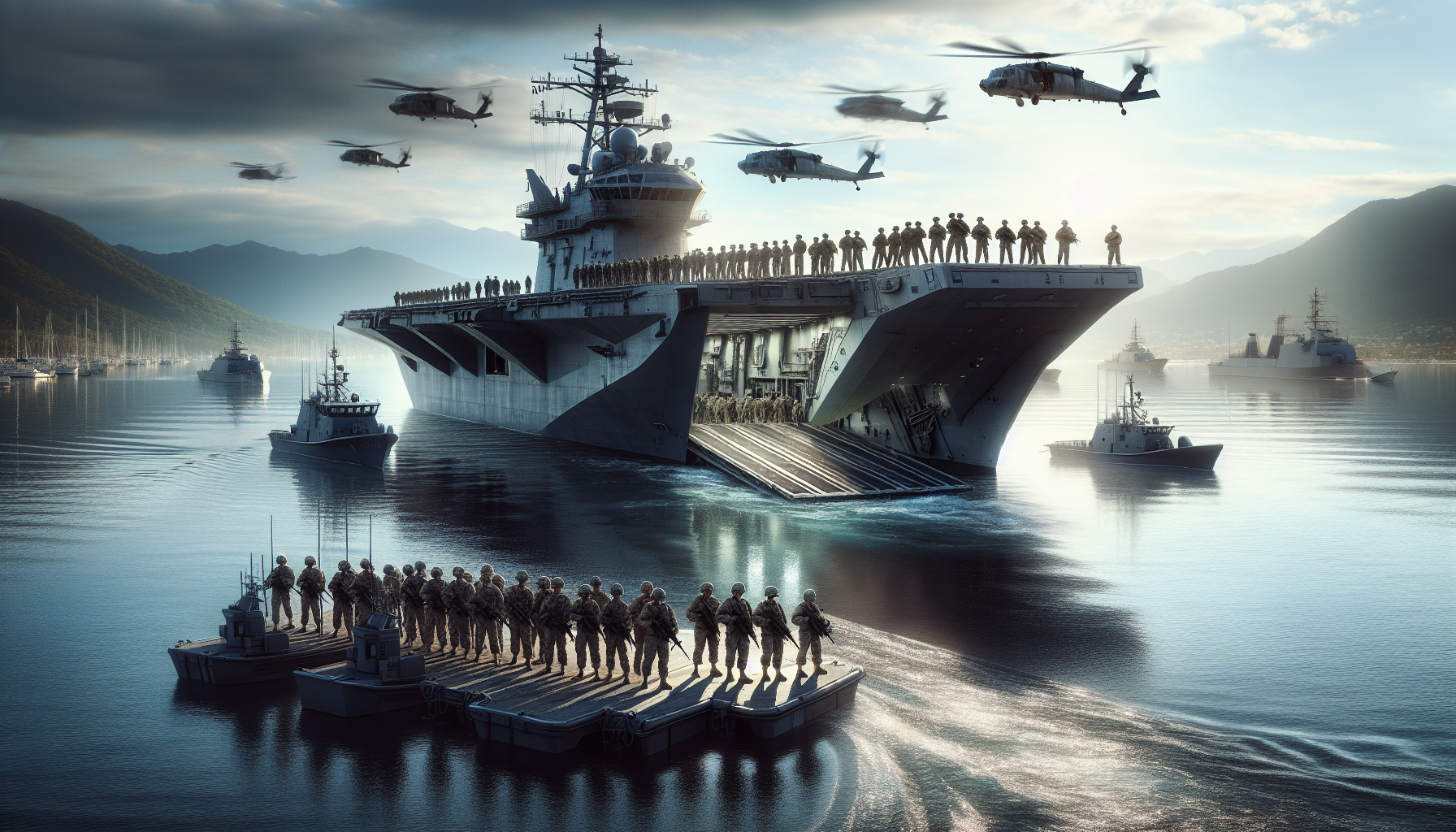
The design of the McClung-Class draws heavily from the successful elements of the LST-100. Its beaching capabilities, shallow draft, and ability to achieve direct land access are key characteristics that make it particularly suitable for its intended role. These features not only improve beaching operations but also augment its versatility in varied combat scenarios, offering significant operational advantages over previous amphibious vessels.
Advantages of the Ship’s Construction and Materials
The McClung-Class employs modern construction materials and methodologies that enhance its durability and performance in diverse environments. Lightweight composites and advanced hull designs contribute to improved fuel efficiency and operational range, steering away from the traditionally heavier constructions of older vessels. Additionally, the focus on simplicity in design minimizes maintenance complexity, allowing naval forces to focus on mission readiness and adaptability.
Operational Use of the McClung-Class
Deployment Strategies in the Pacific Theater
Deployment strategies involving the McClung-Class focus primarily on the Pacific theater, where the geopolitical climate necessitates a robust naval presence. By enhancing operational flexibility, these ships aim to facilitate rapid response in crises, support allies, and deter potential threats. The strategic positioning of the McClung-Class enables it to serve as both a logistics hub and a direct assault vessel, addressing diverse mission profiles.
Integration with Marine Littoral Regiments
The integration of the McClung-Class with Marine Littoral Regiments highlights a collaborative approach to amphibious operations. These units are structured around rapid deployment and adaptability, making them a perfect complement to the capabilities offered by the new landing ship. This synergy will enable streamlined operations across a variety of military engagements, ensuring that the Marine Corps is equipped to effectively project power and respond to emerging threats in real time.
Scenarios for Engagement in the South China Sea
In the South China Sea, potential scenarios for engagement are of paramount importance. The McClung-Class may play a vital role in establishing forward operating bases, conducting surveillance operations, and enabling cooperation with regional allies. Given the area’s complexity, comprising contested waters and strategic chokepoints, having agile and capable amphibious vessels like the McClung-Class enhances the U.S. Navy’s ability to maintain maritime security and influence regional stability.
Budgetary Considerations and Design Acquisition
Costs Involved in Developing and Producing the McClung-Class
The development and production costs of the McClung-Class are significant factors that influence the Navy’s capacity for budgeting and allocating resources efficiently. Cost assessments highlight the emphasis on affordability and practicality, ensuring that the vessel is not only effectively engineered but also economically feasible. Reflecting on fiscal responsibility, the McClung-Class aims to deliver value while meeting pressing operational needs.
Reasons for the Collapse of the Light Amphibious Warship Plan
The previous plan for the Light Amphibious Warship ultimately collapsed due to concerns over its high costs and complexities. The lack of alignment with budgetary constraints indicated a pressing need for cost-effective solutions that did not compromise military efficacy. The transition to the McClung-Class illustrates a strategic pivot toward functional, streamlined designs that prioritize operational readiness without forgoing fiscal sustainability.
How the Navy Procured Design Data from Damen LST-100
The Navy’s acquisition of design data from the Damen LST-100 reflects a strategic decision to leverage proven designs to meet contemporary needs. By adapting existing engineering solutions, the Navy not only saves time and resources but also ensures that lessons learned from previous designs are integrated into the new vessel. This approach underscores the Navy’s commitment to operational excellence and resource efficiency as integral elements of its modernization efforts.
Challenges and Criticisms Ahead
Skepticism Surrounding the Simplicity of the Design
Amidst the excitement surrounding the McClung-Class, skepticism persists regarding the simplicity of its design. Critics argue that a minimalist approach might overlook essential capabilities necessary for future conflicts, potentially leading to operational shortcomings. The balance between simplicity and advanced functionality presents a nuanced challenge that requires continuous assessment and adaptation.
Potential Pitfalls Reminiscent of Past Ship Programs Like the LCS
The legacy of past ship programs, such as the Littoral Combat Ship (LCS), haunts new naval projects, including the McClung-Class. Concerns about overly ambitious operational requirements and failures in execution can result in oversight that derails intended outcomes. Awareness of these historical pitfalls will be essential for the Navy to navigate the complexities of developing the McClung-Class successfully.
Concerns About Meeting Operational Timelines and Budget Constraints
With increasing scrutiny over timelines and budget constraints, the McClung-Class faces pressure to deliver on its promises. Ensuring that both operational capabilities and financial objectives are met will require effective project management and resource allocation. Stakeholders must be vigilant, enabling adjustments to plans as new challenges emerge and circumstances evolve.
Future of U.S. Naval Amphibious Operations
Strategic Implications for U.S.-China Relations
The McClung-Class serves as a vital asset amidst the strategic complexities of U.S.-China relations. Strengthening amphibious capabilities in the Pacific positions the U.S. Navy to effectively counter regional aggression and bolster support for allies. The deployment of this vessel is part of a broader strategic vision aimed at maintaining a balance of power and ensuring the operational readiness necessary for a multifaceted geopolitical landscape.
Anticipated Developments in Amphibious Warfare Technology
As the landscape of amphibious warfare continues to evolve, anticipated technological advancements will influence future ship designs and operational concepts. Innovations in artificial intelligence, unmanned systems, and enhanced logistics will likely reshape the amphibious battlefield. The McClung-Class must remain adaptable, ensuring that it can accommodate future developments and maintain relevance in an increasingly agile military environment.
Long-Term Vision for the Navy’s Fleet Composition
The Navy’s long-term vision must encompass a comprehensive approach to fleet composition that aligns with emerging threats, resource availability, and operational effectiveness. The McClung-Class represents a pivotal step in reevaluating and diversifying the Navy’s amphibious assets toward a more flexible and responsive structure, facilitating engagement across various operational domains.
Conclusion
Summary of the McClung-Class’s Expected Impact
In summary, the McClung-Class Medium Landing Ship stands as a transformative addition to the U.S. Navy’s amphibious capabilities. Its design promises to enhance logistical support, provide rapid deployment options, and improve operational flexibility in contested environments. As geopolitical dynamics shift, the significance of the McClung-Class will only grow in ensuring that U.S. forces can effectively meet emerging challenges.
Final Thoughts on the Evolution of Naval Engineering
The evolution of naval engineering reflects wider changes in warfare strategy and technological advancement. The development of the McClung-Class embodies a thoughtful synthesis of historical lessons, contemporary needs, and future challenges. As naval engineering continues to progress, it will require adaptability and foresight to navigate the uncertainties of a rapidly changing landscape.
Outlook on the Future of Amphibious Operations in a Changing World
As the world confronts complex security challenges, the future of amphibious operations remains critical. The McClung-Class serves as a harbinger for a new era of adaptability and preparedness within the U.S. Navy. Emphasizing collaboration, efficiency, and strategic foresight, it paves the way for enhanced operational capability in a dynamic global environment, ensuring that the Navy remains a formidable presence on the world’s seas.