
The Battle of Verdun, emblematic of the horrific attrition warfare of World War I, serves as a stark illustration of the devastating toll exacted on military forces during this period. With trench warfare dominating the landscape, armies found themselves locked in a relentless cycle of engagement where divisions could be annihilated almost as rapidly as they were replenished. Concurrently, Britain faced challenges in mobilizing its military, recognizing the inadequacy of voluntary enlistment and shifting towards conscription as the conflict extended, highlighting the need for a sustained effort in this brutal theater of war.
As the conflict progressed, the introduction of steel helmets proved only marginally effective against the pervasive threat of head injuries from artillery and shrapnel, a grim reality of trench combat. Additionally, the geopolitical ramifications of the war expanded as Portugal’s neutrality was jeopardized by Germany’s declaration of war, underscoring how alliances influenced events beyond the primary battlegrounds of Europe. This article examines the intricate dynamics and profound implications of the Battle of Verdun, providing clarity on the sheer terror and complexity of this pivotal moment in history.
Overview of the Battle of Verdun
The Battle of Verdun, fought from February to December 1916, stands as one of the longest and costliest engagements of World War I. Its significance, both militarily and symbolically, is monumental, representing the brutal nature of war and the human capacity to endure suffering amid relentless violence. As you delve into the complex layers of this historical event, you will appreciate how Verdun encapsulates the essence of World War I’s attritional warfare, reflecting the struggle for survival, national pride, and the enduring legacy of conflict.
Historical Context of the Battle
As you navigate through the backdrop of the Battle of Verdun, it’s crucial to understand the geopolitical landscape of Europe leading up to this bloody confrontation. By early 1916, the First World War had escalated into a protracted stalemate, characterized by trench warfare along the Western Front. Both the Allies and the Central Powers faced immense pressure to achieve a decisive victory. For France, Verdun was a vital stronghold; its fortifications and strategic location made it indispensable to the national defense. For Germany, seizing Verdun meant not solely military advantage but also the opportunity to break the French spirit, thereby shifting the balance of power.
Importance and Objectives of the Battle
The significance of Verdun transcends its physical geography; it embodies a profound national sentiment. The French viewed its defense as an act of patriotism—a necessary sacrifice to preserve their homeland. Conversely, the German strategy aimed to inflict maximum casualties, thereby exhausting French resources and morale. The overarching objective was one of attrition; Germany hoped to bleed France white through sustained assault on this iconic territory. As you can see, the stakes were not merely military, but deeply entwined with national identity and collective memory.
Summary of Key Events During the Battle
The Battle of Verdun unfolded over ten harrowing months, with key events marking its evolution. In February 1916, the initial German assault began, signaling the opening of one of the war’s most intense confrontations. The French responded under the commanding influence of General Philippe Pétain, who famously declared, “They shall not pass.” Throughout the battle, waves of infantry charges collided with devastating artillery barrages—each side taking enormous casualties in a relentless cycle of advance and retreat. Significant moments, such as the capture of Fort Douaumont by German forces and the harrowing defense of Fort Vaux, punctuated the battle, serving as grim reminders of the human cost of war. Ultimately, by December, the frontline barely shifted, but the toll had been catastrophic, with hundreds of thousands dead or wounded.
Strategic Significance
Verdun as a Symbol of French National Identity
As you consider the strategic implications of Verdun, recognize that it has evolved into a potent symbol of French national identity. The defense of Verdun became emblematic of French resilience and tenacity in the face of overwhelming odds. The phrase “Verdun” itself evolved into a rallying cry for the French military and civilian populations alike, symbolizing the sacred duty to protect the fatherland at all costs.
The Strategic Goals of Germany and France
The strategic objectives of Germany and France during the battle were intricately intertwined with their respective national narratives. For Germany, Verdun represented an opportunity to cripple French morale while simultaneously achieving military dominance. For France, the fortress held critical logistic value and symbolized national pride. Your understanding of these goals reveals not only military logic but also the emotional and psychological stakes involved in this epic confrontation.
Impact on the Western Front
Verdun significantly shaped the course of the Western Front. The battle drained vital resources and shifted the momentum toward the Allies, who were eventually able to regroup and launch counter offensives. Your exploration of Verdun illustrates not just a localized fight but a fundamental part of the larger war effort, where attrition led to a rethinking of military strategy across both sides.
The Concept of Attrition Warfare
Definition and Characteristics of Attrition Warfare
Attrition warfare, a term that becomes particularly relevant when analyzing Verdun, is defined as a military strategy aimed at wearing down an opponent to the point of collapse through continuous losses in personnel and material. As you analyze the events at Verdun, you will see this strategy in action, with both sides engaging in a protracted struggle, sacrificing vast numbers for incremental gains that often resulted in little more than a bloody stalemate.
Comparison to Other Forms of Warfare
When you compare attrition warfare to other forms, such as maneuver warfare, which emphasizes speed and mobility, the characteristics of Verdun starkly contrast. Here, the slow and grinding nature of conflict appeared to favor neither side, resulting instead in a devastating war of attrition where both armies suffered tremendously without achieving decisive breakthroughs. The lessons learned from Verdun subsequently influenced military tactics in the subsequent years of the conflict.
Long-term Implications for Military Strategy
The implications of attrition warfare observed in Verdun extended far beyond the immediate scope of World War I. Your engagement with these concepts will reveal how military doctrines evolved post-Verdun, with future strategists learning hard lessons about resource management, troop morale, and the psychological toll of relentless conflict. The horror of Verdun highlighted the need for new tactics that would prevent such massive losses while achieving strategic objectives.

Military Tactics Used in Verdun
Artillery and its Role in the Battle
Artillery emerged as the principal weaponry during the Battle of Verdun, shaping the battlefield dynamics in unprecedented ways. With both sides employing vast quantities of shells, this conflict became characterized by an overwhelming reliance on heavy artillery. As you delve deeper, you will uncover how the sheer volume of bombardments contributed to the attritional strategy, decimating not just troops, but also the landscape upon which they fought.
Infantry Tactics: Charges and Defenses
Next to the artillery, infantry tactics played a critical role. The traditional charge, once a hallmark of earlier warfare, devolved into desperate assaults over craggy terrain, frequently met with devastating enemy fire. You will observe how these tactics often led to devastating losses, leaving entire divisions annihilated in hours. The defense mechanisms, meanwhile, relied heavily on trench systems and fortified positions, which became focal points of bitter fighting.
Use of Trenches and Fortifications
Trenches became the defining feature of the Battle of Verdun, marking it as a prime example of World War I combat. These mud-filled networks provided necessary shelter yet also symbolized the horrors of entrapment and deprivation. As you explore the role of fortifications, consider how the stagnant nature of trench warfare underscored the intense psychological strain on soldiers, who were caught in a cycle of waiting and fighting without relief.
Casualties and Human Cost
Estimated Casualties and Their Impact
The human cost of the Battle of Verdun was staggering, with estimates of around 700,000 casualties, divided nearly equally between French and German forces. As you reflect on these figures, grasp the devastating scale of loss, where entire regiments were rendered ineffective. Beyond mere numbers, the implications extended into communities, where families faced the repercussions of losing fathers, sons, and brothers.
Psychological Effects on Soldiers
You will also delve into the psychological aftermath of the battle on soldiers. The relentless violence, coupled with the sight of comrades falling in droves, sowed the seeds of what would later be recognized as shell shock. The psychological scars endured by these individuals reveal another layer to the human cost, as many struggled to reintegrate back into society after the war, carrying invisible wounds that would haunt them for life.
Civilian Impact and Broader Social Consequences
The ramifications extended beyond the frontlines into civilian life. The Battle of Verdun disrupted local populations, displacing thousands and straining resources. As you explore the broader social consequences, consider how the battle contributed to a national trauma that would shape post-war France, affecting everything from culture to politics in the years that followed.
Technological Advances and Equipment
Development of Military Technology During the Battle
During the protracted engagements of Verdun, military technology saw significant developments. The need for effective weaponry led to innovations in artillery, including more effective shells and improved targeting technologies. You will find that these advancements were crucial in shaping the battlespace, altering both offensive and defensive doctrines as the war progressed.
Role of Protective Gear: Steel Helmets
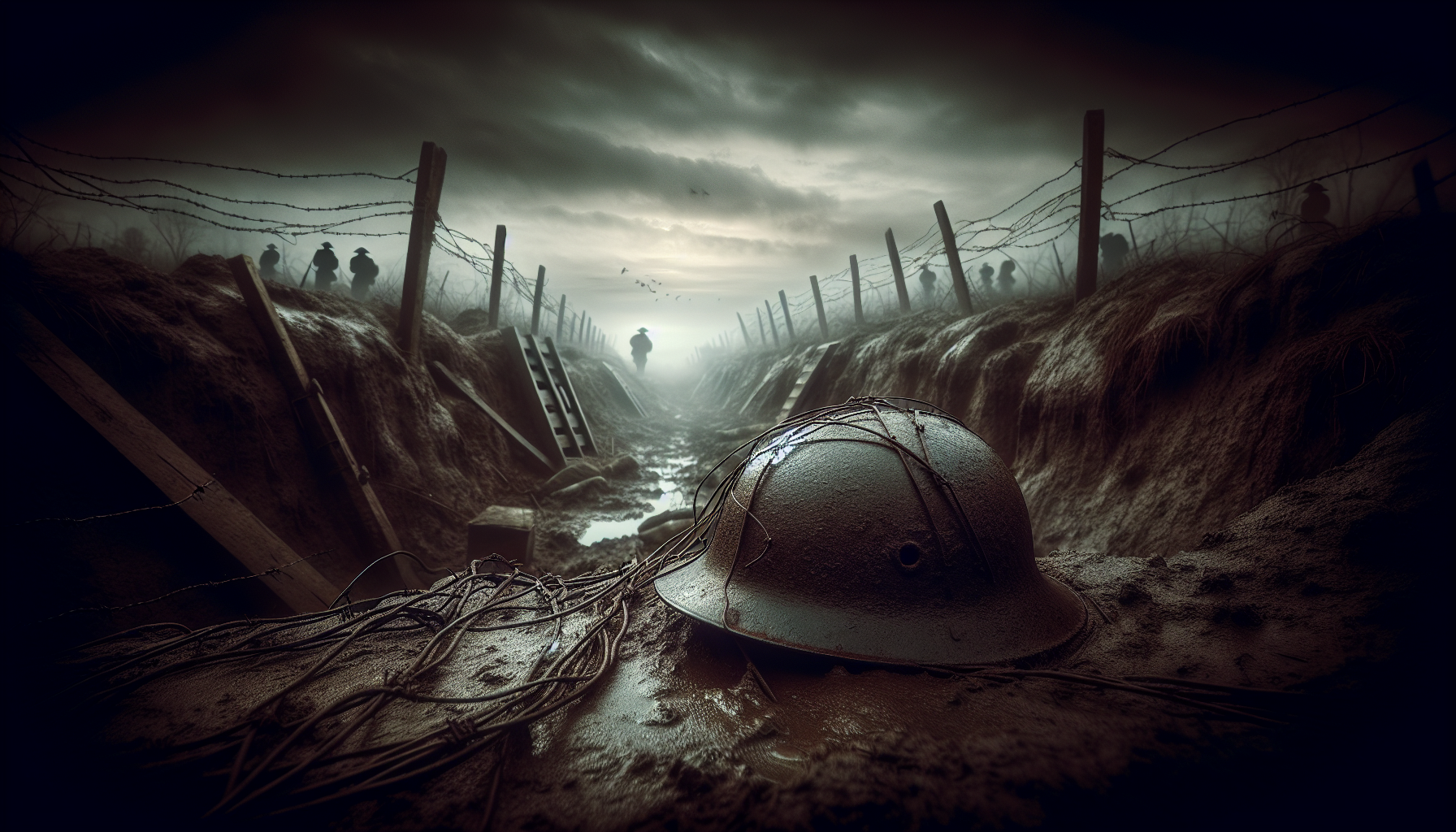
The introduction of protective gear, particularly steel helmets, marked a significant advancement in soldier safety. The German Stahlhelm, French Adrian helmet, and British Mark I were developed in response to the high incidence of head injuries from shrapnel. However, as your analysis will show, these advancements offered limited protection against the broader catastrophic injuries resulting from artillery and trench warfare.
Innovations in Artillery and Plumbing Defense
In examining the innovations surrounding artillery, you will uncover the evolution of both offensive and defensive strategies. The mechanization of artillery and the use of indirect fire marked a paradigm shift in military capabilities. Furthermore, advances in plumbing defense systems and fortification also showcased the evolving understanding of how to survive and operate within the hellish conditions of the battlefield.
International Repercussions
Portugal’s Involvement in the Conflict
The broader international context of the First World War interlinked countries that you may not immediately associate with the conflict. Portugal’s involvement, prompted by its colonial interests and alliances, underscores how the war’s repercussions extended beyond Europe. Your examination of Portugal’s strategic maneuvers reveals the intricate political web woven through the war, with nations drawn into the fray often against their initial intentions.
Alliances and Political Maneuvering
The alliances formed before and during the war played a critical role in escalating the conflict. As you analyze the shifting political dynamics, you will discover how allegiances were tested and reshaped in the crucible of battle. The declaration of war by Germany on Portugal exemplifies how intricate political maneuvering influenced war strategies, ultimately shaping the course of global history.
Global Impact Beyond Europe
Finally, consider the global ramifications of the Battle of Verdun. The war’s expansion into theaters beyond Europe demonstrated the interconnectedness of global affairs. You will see how this conflict catalyzed larger themes of colonialism, international relations, and the socio-political repercussions that transcended the battlefield, forever altering global configurations.
The Legacy of Verdun
Cultural References and Memorials
The legacy of Verdun transcends military history; it has permeated cultural narratives and collective memory. You will find that memorials and monuments erected at Verdun serve not only as a tribute to the fallen but also as a reminder of the futility of war. Films, literature, and art have since drawn inspiration from the horror and heroism witnessed at Verdun, embedding its lessons in the cultural consciousness.
Changes in Military Doctrine Post-Verdun
In the wake of Verdun, military doctrines underwent transformative changes as nations sought to reconcile the carnage with effective strategies. The experiences and lessons learned from the battle influenced future military engagements, prompting shifts toward more integrated approaches that valued mobility and rapid advances over the relentless attrition that characterized Verdun.
Verdun in Historical Memory and Commemoration
Your exploration of Verdun’s legacy will reveal how it has been commemorated over the years, becoming a site of pilgrimage for those seeking to honor the sacrifices made. The historical memory of Verdun, preserved through ceremonies and educational initiatives, underscores the need to remember the past, lest the sacrifices of those who fought be forgotten in the annals of history.
Comparative Analysis with Other Battles
Comparison with the Battle of the Somme
When comparing the Battle of Verdun with the Battle of the Somme, you will uncover key similarities and differences in the approach, scale, and human cost. Both battles exemplified the horrors of trench warfare and the concept of attrition; yet, while Verdun was a battle of defense, the Somme represented an offensive initiative with a broader strategic aim. Your analysis will highlight both the shared and divergent lessons drawn from these significant confrontations.
Lessons Learned from Verdun Compared to Other Conflicts
The insights gained from Verdun resonate beyond the First World War, offering enduring lessons applicable to later conflicts. You will explore how the horrors encountered during this battle have informed military strategies in various contexts, influencing contemporary approaches to conflict, peace, and military ethics.
Military Strategies in Different Contexts
As you assess military strategies in different contexts, remember that Verdun offers a case study in the limitations of attritional warfare. Understanding the failures and victories inherent in this battle can help illuminate the dynamic nature of warfare, demonstrating the need for adaptability amid evolving technologies and geopolitics.
Conclusion
Summary of Key Takeaways
In summation, the Battle of Verdun encapsulates the essence of World War I’s tragic brilliance—a testament to human endurance in the face of unimaginable adversity. The interplay of military strategy, technological innovation, and human sacrifice resonates throughout your examination of this pivotal event in history.
Acknowledgment of Human Sacrifice
As you reflect on the battle, consider the profound human sacrifice involved. The lives lost at Verdun are not mere statistics; they represent stories, families, and communities irrevocably changed. Acknowledging this sacrifice compels you to understand the cost of war beyond the battlefield.
Reflection on the Nature of War and Peace
Ultimately, as you conclude your exploration of the Battle of Verdun, you are left to ponder the nature of war and peace. The lessons of this battle challenge you to reconcile the dualities of heroism and horror, valor and loss, shaping a nuanced understanding of conflict and its long-lasting effects on humanity. Verdun serves not only as a cautionary tale but also as a reminder of the resilience of the human spirit amidst the darkest times.