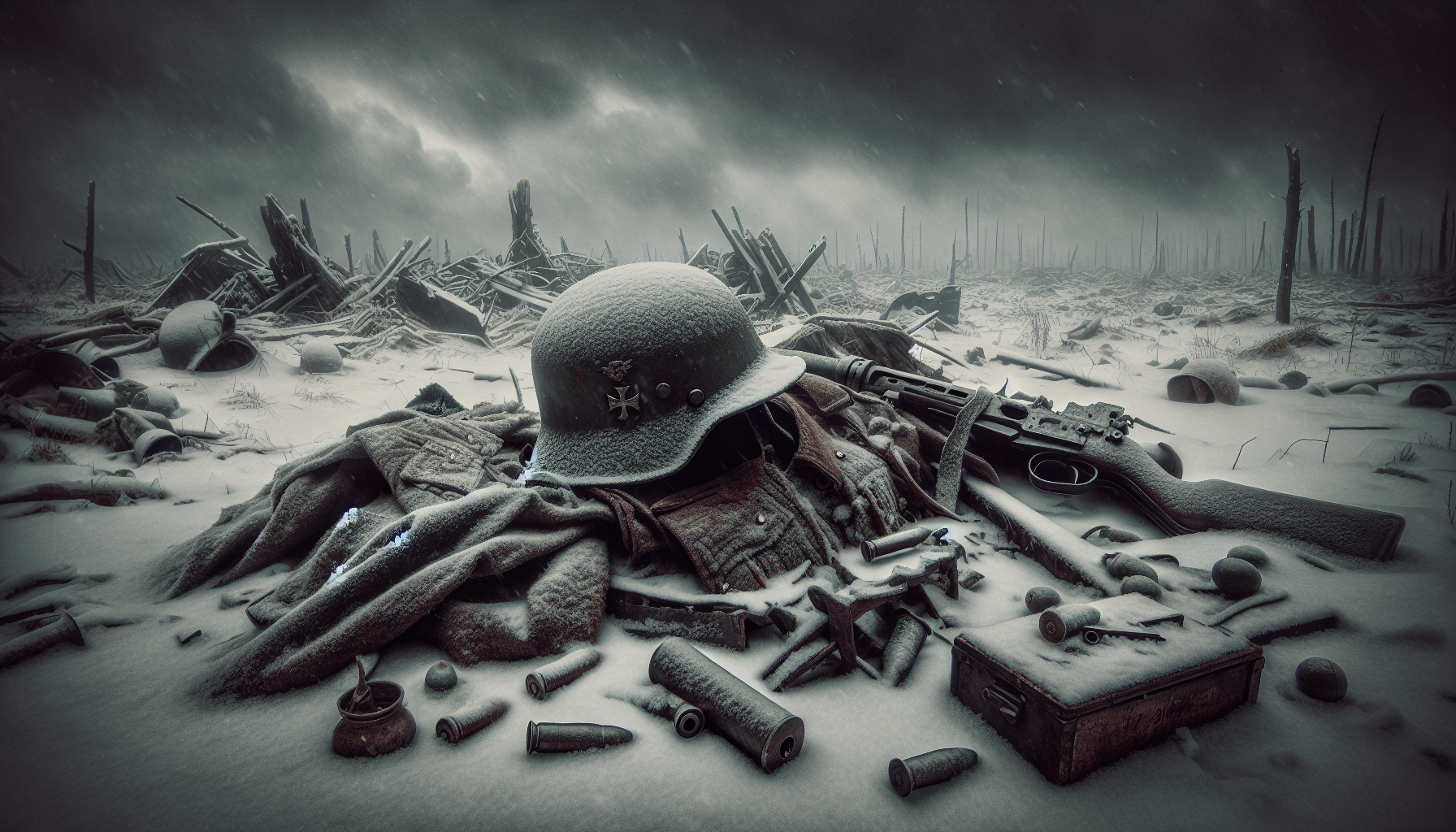
Operation Barbarossa, the codename for Nazi Germany’s invasion of the Soviet Union during World War II, stands as one of the most catastrophic and brutal military campaigns in history. This article examines the harrowing realities and significant consequences of this operation, highlighting the extensive human suffering and the strategic miscalculations that contributed to its infamous legacy. By analyzing primary sources and accounts, it becomes evident that the brutality of this invasion reshaped the battlefield and altered the course of the war.
The subsequent sections will explore the harsh realities faced by soldiers and civilians alike, examining the systematic violence and atrocities committed throughout the operation. Furthermore, it will address the broader implications of this campaign on military strategy and international relations. Through a detailed analysis, you are encouraged to consider the lessons learned from this dark chapter, underscoring the importance of historical awareness in understanding contemporary conflicts.
Operation Barbarossa: An Overview
Overview of Operation Barbarossa
Operation Barbarossa, launched on June 22, 1941, marked a pivotal moment in World War II, as it was the code name for the Nazi Germany invasion of the Soviet Union. This operation not only represented a significant military endeavor but also a profound manifestation of ideological conflict and human tragedy. It was characterized by an unprecedented scale of warfare and brutality, fundamentally altering the trajectory of the conflict and setting the stage for the eventual downfall of the Third Reich.
Historical Context Leading to Operation Barbarossa
To fully grasp the enormity of Operation Barbarossa, one must consider the historical context preceding it. The rise of Adolf Hitler and the resultant expansionist policies of Nazi Germany were predicated upon a vision of Lebensraum, or “living space,” which called for the conquest of Eastern Europe and the subjugation of its Slavic populations. The signing of the Nazi-Soviet Non-Aggression Pact in August 1939 allowed for a temporary alliance between the two nations, while simultaneously paving the way for the dismemberment of Poland and the division of Eastern Europe. This violent geopolitical reshaping set the stage for the assault on the Soviet Union, which Hitler viewed as essential for securing Germany’s future.
Strategic Goals of the German Invasion
The strategic goals of Operation Barbarossa were multifaceted. Primarily, the Nazi leadership sought to eliminate the Soviet Union as a significant military power. Following the rapid successes of the Blitzkrieg campaigns in Western Europe, Hitler envisioned a quick victory that would result in the seizure of territory and resources vital for the German war effort. Additionally, the ideological underpinnings of the invasion aimed at eradicating Bolshevism and implementing a regime based on racial hierarchies, thereby enabling the colonization of Soviet lands.
Timeline of Key Events During Operation Barbarossa
From its inception on June 22, the operation unfolded in distinct phases. Initial assaults saw rapid advances into Soviet territory, capturing key cities including Smolensk and Kyiv. By late 1941, however, the campaign faced significant setbacks, particularly during the harsh winter months, culminating in the failure of Operation Typhoon, the last major offensive against Moscow. The initial triumphs in the summer turned into a grueling war of attrition as the year progressed, marking a significant turning point in the Eastern Front.
The Prelude to Invasion
Nazi-Soviet Non-Aggression Pact
The Nazi-Soviet Non-Aggression Pact, established in August 1939, plays a critical role in understanding the prelude to Operation Barbarossa. This agreement not only ensured mutual non-aggression between Nazi Germany and the Soviet Union but also secretly divided Eastern Europe into spheres of influence. The pact afforded Hitler the confidence to pursue aggressive campaigns in Western Europe while contemplating a dramatic confrontation with the Soviet forces. For Joseph Stalin, the agreement was initially a strategic move to buy time for the USSR to build its military strength, but it ultimately proved a grave miscalculation regarding Hitler’s intentions.
Preparations by the German Wehrmacht
The German Wehrmacht undertook extensive preparations for Operation Barbarossa, developing meticulous plans that emphasized rapid movement and encirclement tactics. The invasion force comprised nearly three million soldiers supported by thousands of tanks, aircraft, and logistical units. Despite the robust planning and overwhelming amassed resources, the Wehrmacht underestimated several critical aspects of the Soviet military, including their resilience and the terrain they would navigate. This hubris would have devastating consequences as the invasion began to falter.
Soviet Defenses and Intelligence Failures
Soviet defenses against the impending invasion were rife with weaknesses, exacerbated by a series of intelligence failures and purges within the military command. Stalin’s mistrust of his senior officers led to a decimation of the Red Army’s leadership, resulting in a lack of coherent strategy and preparedness against the German onslaught. Consequently, the Soviets failed to effectively mobilize their forces in time to counter the initial attacks, allowing German forces to advance rapidly into their territory.

Initial Assault and Blitzkrieg Tactics
Overview of Blitzkrieg Strategies Employed
The initial assault of Operation Barbarossa was characterized by the application of Blitzkrieg tactics—swift and coordinated strikes involving concentrated infantry, armor, and air support designed to encircle and destroy enemy forces. This strategy aimed for psychological shock and rapid territorial gains, which proved devastatingly effective in the early stages of the invasion. The ability to maintain the initiative through synchronized attacks was a hallmark of German military doctrine that caught the Red Army off guard.
Major Breakthroughs in the Initial Phase
Germany achieved several significant breakthroughs in the early weeks of the campaign. Major victories at the battles of Bialystok-Minsk and Smolensk resulted in the encirclement and destruction of large Soviet formations. As German troops advanced deep into Soviet territory, cities such as Kyiv fell within a few months, resulting in one of the largest mass surrenders in history with over 600,000 Soviet troops captured. This precarious situation revealed both the effectiveness of the German war machine and the staggering challenges faced by the Soviets.
Impact of Rapid Advances on Soviet Forces
The rapid advances of German forces during the initial phases of the invasion inflicted devastating psychological and physical tolls on Soviet troops. The ensuing chaos resulted in ungainly retreats, high casualties, and a dwindling morale among the Red Army. With many units caught unprepared, the early successes of Operation Barbarossa transformed what would become a war of attrition into a desperate battle for survival, impacting Soviet strategies in the months that followed.
The Human Cost of War
Estimates of Casualties on Both Sides
The human cost of Operation Barbarossa was staggering. Estimates suggest that Soviet military casualties reached as high as 5 million by the winter of 1941-1942, alongside millions of civilians affected by the war. German forces also incurred significant losses, with approximately 1 million troops killed, wounded, or missing by the end of 1941. These catastrophic figures reflect not only the brutality of the conflict but also the scale of human suffering that accompanied it.
Civilian Suffering and War Crimes
The civilian population endured severe suffering throughout Operation Barbarossa, as the German military implemented a scorched-earth policy combined with systematic reprisals against suspected partisans. Major cities became battlegrounds, leading to immense civilian casualties and widespread destruction. Additionally, numerous war crimes, including mass shootings and genocidal practices against Jewish communities, unfolded as part of the Nazi ideology of racial purity, leaving an indelible mark on the collective memory of the affected populations.
Impact on Soviet Society and Morale
The psychological impact of the invasion on Soviet society was profound. Initial losses, coupled with atrocities committed against civilians, fostered a climate of despair and fear. Yet, as the German forces continued their advance, a retaliatory spirit emerged among the populace, with civilians taking up arms and participating in partisan efforts. This duality illustrated the struggle against oppression and the resilience of the human spirit during one of history’s darkest chapters.
Siege Warfare and Attrition
Key Battles: Smolensk, Kyiv, and Leningrad
The campaigns at Smolensk, Kyiv, and Leningrad demonstrated the intricacies of siege warfare during Operation Barbarossa. The battle for Smolensk, characterized by fierce fighting and high casualties, delayed the German advance, showcasing Soviet determination. The fall of Kyiv resulted in one of the largest encirclements in history, while the prolonged siege of Leningrad became emblematic of Soviet resilience amidst dire circumstances. These battles illustrated the emerging trend of attritional warfare, fundamentally shifting the nature of the conflict.
The Strategy of Encirclement and Its Effectiveness
The German strategy of encirclement, where large Soviet formations were surrounded and cut off from retreat, proved initially effective. The Wehrmacht capitalized on this tactic to gain significant territorial control and inflict heavy military losses. However, the effectiveness of this strategy began to wane as the Soviets adapted, learning from their early mistakes and employing more effective countermeasures to resist the encirclement strategy.
Stagnation and Shift in Momentum
By late 1941, the momentum of Operation Barbarossa began to stagnate, culminating in the failure of major offensives such as Operation Typhoon aimed at capturing Moscow. The onset of winter, combined with stretched supply lines and the increasingly resilient Soviet defenses, thwarted the initial plans of the Wehrmacht. This shift marked a significant transition in the war, as German forces found themselves vulnerable to counterattacks, and the tides of conflict began to turn.
The Role of Weather and Logistics
Impact of the Harsh Russian Winter
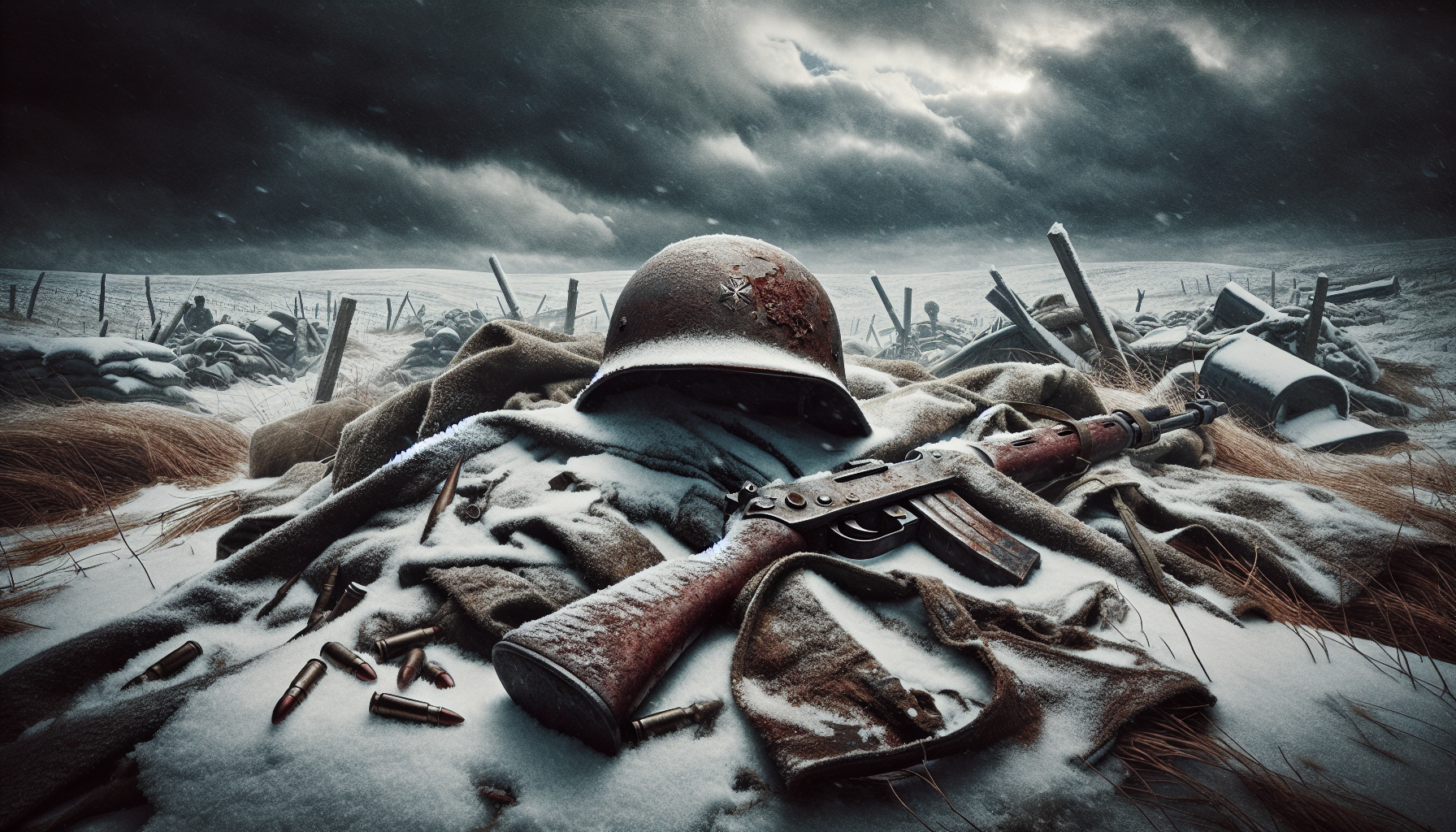
As the grueling winter descended upon the Eastern Front, the severe weather conditions posed an enormous challenge to German forces unprepared for such harsh environments. The notoriously cold winters of Russia resulted in frozen equipment, unserviceable vehicles, and significant hardship for troops ill-equipped for the elements. This climatic British winter ultimately countered the advantages of the rapid advances achieved during the summer months.
Challenges in German Supply Lines
Logistical challenges compounded the difficulties faced by German troops during Operation Barbarossa. Overstretching supply lines and the inability to maintain provisions as they advanced led to severe shortages of food, fuel, and ammunition. This challenge significantly hampered operational effectiveness and morale, leading to greater reliance on hastily assembled supply trains often targeted by Soviet partisans.
Soviet Resilience in Adverse Conditions
Despite the overwhelming odds presented by the harsh winter and logistical woes faced by the Wehrmacht, the Soviet forces displayed remarkable resilience. The Red Army adapted to the conditions, utilizing the terrain as part of their defensive strategies. They employed scorched-earth tactics and retreated strategically to regroup and bolster defenses. This adaptability enabled the Soviets to hold the front as 1942 began, marking a crucial turn in the war’s trajectory.
The Soviet Counteroffensive
Operation Typhoon and Its Shortcomings
Operation Typhoon, launched in October 1941, aimed to deliver a decisive blow to capture Moscow before winter set in. However, the operation suffered from overambitious objectives and logistical challenges. As the German forces met stronger-than-anticipated resistance and faced the realities of the Russian winter, the campaign ultimately fell short of its goals. The failure of Operation Typhoon not only represented a miscalculation in German strategy but also signified a turning point for the Red Army’s counteroffensive capabilities.
The Red Army’s Strategic Shifts
Following the setbacks of Operation Typhoon, the Red Army underwent fundamental strategic shifts. Stalin directed reorganizations to improve command structures and adapt tactics against the Germans. Increased emphasis was placed on utilizing deep defense positions and engaging in warfare that took advantage of local conditions. These adjustments ultimately facilitated the Red Army’s ability to regroup and prepare for counteroffensive operations in the subsequent months.
Turning Points in the Battle of Moscow
The Battle of Moscow emerged as a pivotal turning point within Operation Barbarossa. Soviet reinforcements and the strategic utilization of the harsh winter conditions allowed the Red Army to launch counterattacks that pushed German forces back from the capital. The successful defense of Moscow proved a significant morale booster for the Soviet populace and military, shifting the dynamics of the war and marking the inception of a more sustained Soviet resistance.
Ideological and Propaganda Aspects
Nazi Ideology and the Dehumanization of the Enemy
At the core of Operation Barbarossa lay a deeply rooted Nazi ideology that sought not only territorial conquest but also the dehumanization of the enemy. The portrayal of Soviet soldiers and civilians as subhuman was exploited to justify extreme brutality and war crimes. This ideological framework fueled the commission of horrific acts against the populace, revealing how war was inextricably intertwined with the cultural narratives and beliefs held by the warring factions.
Soviet Propaganda in Rallying the Populace
Conversely, the Soviet Union employed propaganda as a powerful tool to bolster morale and rally the populace against the invaders. By framing the conflict as a patriotic struggle against fascism, authorities sought to unite the diverse Soviet republics against a common enemy. This ideological narrative helped shape public sentiment, encouraging enlistment and participation in the war effort, and emphasizing the resilience of the Soviet spirit in the face of overwhelming odds.
International Reactions to the Brutality of War
The brutality of Operation Barbarossa elicited reactions worldwide, complicating international perceptions of Nazi Germany. Reports of war crimes, mass executions, and the plight of civilians appalled global audiences and spurred protests in various nations. These revelations would later shape the international discourse surrounding the war, influencing both post-war justice initiatives and the establishment of human rights frameworks in the decades to follow.
Long-term Impacts of Operation Barbarossa
Consequences for the Eastern Front
The consequences of Operation Barbarossa rippled through the Eastern Front for the remainder of the war. The staggering human toll and territorial losses affected both the morale and strategic capabilities of the Soviet Union. Conversely, while German forces initially achieved significant territorial gains, the eventual halt of their advance and the rising strength of the Red Army would lead to a gradual shift in the balance of power on the Eastern Front.
Impact on Future Military Strategies
The experiences derived from Operation Barbarossa reshaped future military strategies on both sides. The failures encountered by the Wehrmacht led to reassessments of tactics, training, and logistics that would influence campaigns beyond the Eastern Front. Moreover, the resilience of the Red Army and its eventual offensives would become a model for future military engagements, heralding new approaches to combined arms warfare and operations across diverse terrains.
Legacy in Post-War Europe
The aftermath of Operation Barbarossa would have lasting repercussions for post-war Europe. The war’s brutality and the ideological divide between East and West would manifest in the Cold War’s geopolitical landscape, with the USSR emerging as a superpower. Additionally, the human costs incurred during the operation continued to affect collective memory and national narratives long after the conflict ended, shaping dialogues surrounding war, genocide, and human rights.
Conclusion
Summary of the Brutality of Operation Barbarossa
Operation Barbarossa epitomized the brutality of warfare during World War II, marked by staggering human costs and ideologically motivated violence. The catastrophic consequences faced by both military and civilian populations highlighted the relentless and dehumanizing nature of conflict. Engendered by a toxic blend of militaristic ambition and ideological fanaticism, the invasion irrevocably changed the course of history.
Reflections on the Human Cost of Conflict
As you reflect on the human cost of Operation Barbarossa, it is crucial to acknowledge the myriad of experiences endured by individuals on both sides of the conflict. Stories of loss, heroism, and resilience are forever etched in the cultural memory of nations affected by this catastrophic event, reminding you that the impacts of war extend beyond the battlefield, leaving scars that endure through generations.
Contributions to the Understanding of Modern Warfare
Moreover, the lessons drawn from Operation Barbarossa continue to inform contemporary understandings of warfare. The interplay of strategy, ideology, and human factors remains central to discussions of military engagements today, illustrating how history offers crucial insights into the complexities of conflict in the modern world. In grappling with the echoes of the past, you are reminded of the necessity of empathy and the commitment to justice in fostering a path toward peace.