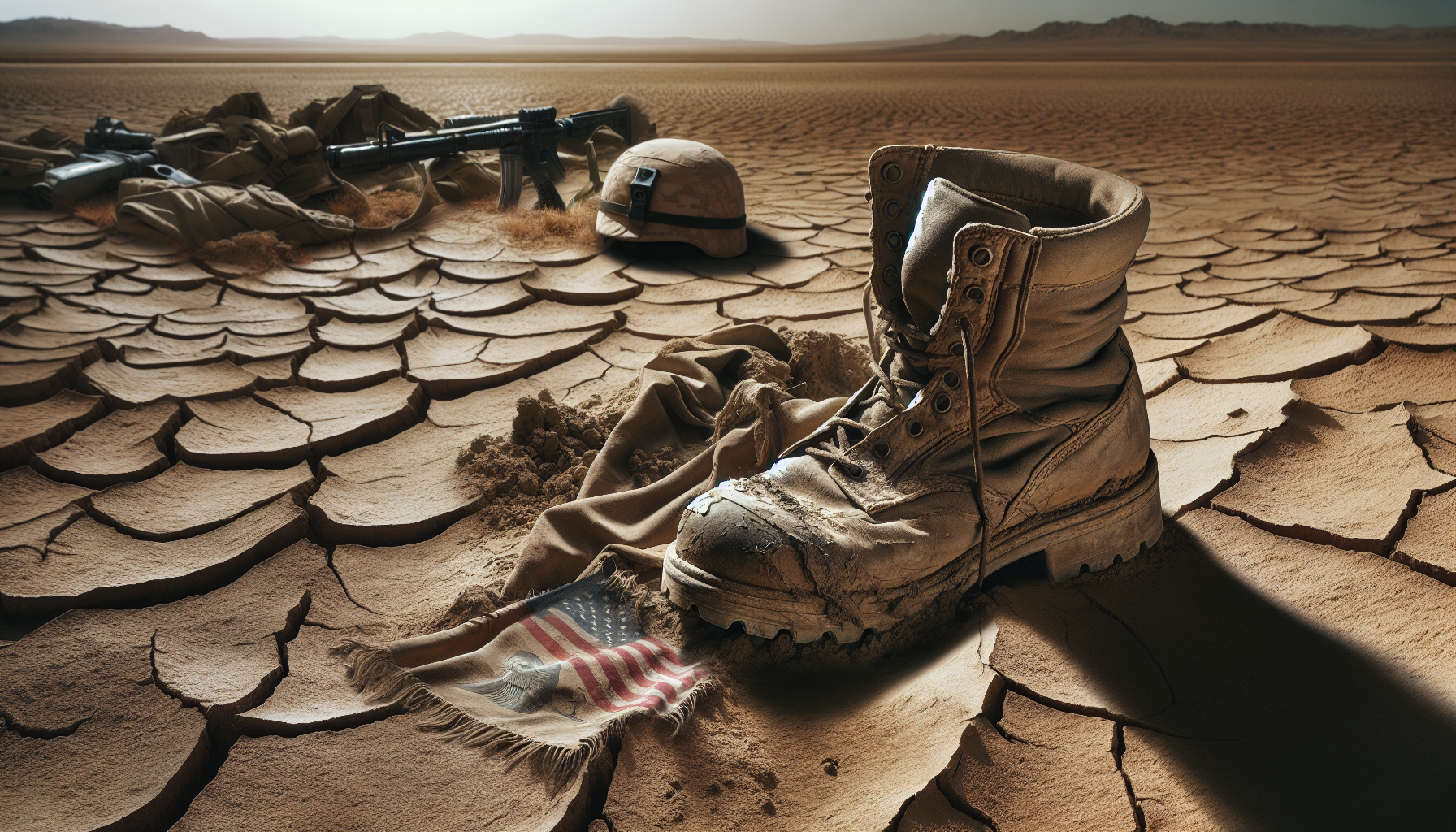
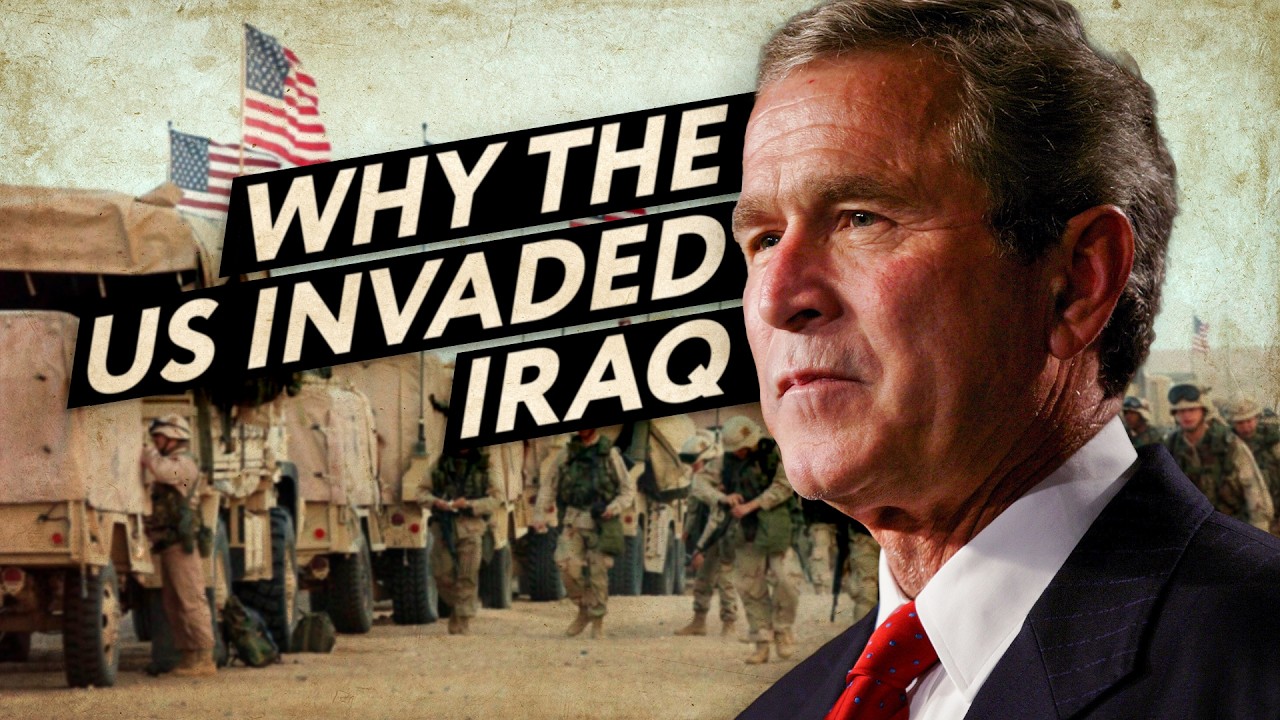
The US invasion of Iraq represents a pivotal moment in contemporary history, rooted in complex geopolitical dynamics that evolved after the Gulf War in 1991. The documentary critically examines the justifications put forth by the Bush administration in 2002, particularly the claims surrounding Weapons of Mass Destruction (WMDs) and alleged connections between Saddam Hussein and al-Qaeda. Through a careful analysis of these claims and the subsequent consequences of the invasion, the documentary highlights the multifaceted motivations behind the decision to engage militarily in Iraq.
You will encounter a thorough exploration of various academic perspectives and analyses that contextualize the invasion within a broader historical narrative. Key sources and arguments will be presented to elucidate how misinformation and political agendas influenced public support for the war. By examining these critical elements, the documentary aims to provide a nuanced understanding of why the US undertook such a significant military intervention and the repercussions that followed.
Historical Context
The End of the Gulf War and Its Aftermath
The Gulf War, concluding in 1991, set the stage for the conflicts that would embroil Iraq and the United States in the ensuing decades. Following Iraq’s invasion of Kuwait in August 1990, a massive coalition led by the United States launched Operation Desert Storm, effectively liberating Kuwait by February 1991. However, despite military success, President George H.W. Bush chose not to topple Iraqi leader Saddam Hussein, leaving him in power. This decision, aimed at maintaining regional stability, inadvertently laid the groundwork for future U.S.-Iraq relations. Post-war, Iraq faced severe economic sanctions imposed by the United Nations, straining its infrastructural and humanitarian conditions and cultivating resentment within the Iraqi populace towards outside influence, particularly American policies.
Early Relations Between Iraq and the United States
Early relations between Iraq and the United States were complex and often driven by political expediency. Initially, during the Iran-Iraq War (1980-1988), the U.S. cultivated ties with Iraq, viewing Saddam Hussein as a counterbalance to the Iranian regime. This collaboration included providing intelligence and economic support. However, Iraq’s invasion of Kuwait transformed the U.S. perspective, marking the beginning of a tense adversarial relationship. The subsequent sanctions and military confrontations further solidified Iraq’s perception of the U.S. as an existential threat, embedding mistrust that would fester in the years leading up to the invasion in 2003.
Impact of the UN Sanctions on Iraq
The United Nations sanctions imposed on Iraq after the Gulf War had profound implications for the country. Designed to coerce Saddam Hussein into compliance with international law, these sanctions enacted an extensive embargo that limited access to essential goods, medical supplies, and food. The resulting humanitarian crisis led to widespread suffering, with estimates suggesting that hundreds of thousands of Iraqi civilians, especially children, perished due to malnutrition and lack of healthcare. The punitive nature of the sanctions not only weakened Iraq’s economy but also intensified resentment towards the U.S. and the West, laying fertile ground for nationalistic sentiments and anti-Americanism, which would resurface as key factors justifying military intervention in 2003.
The Bush Administration’s Rationale
The Weapons of Mass Destruction (WMD) Argument
As the Bush administration approached the decision to invade Iraq, the narrative of Weapons of Mass Destruction (WMD) emerged as a cornerstone of their justification. Administration officials asserted that Iraq possessed biological, chemical, and potentially nuclear weapons in direct violation of UN resolutions. The relentless focus on WMDs was used strategically to frame the narrative not just as a matter of national security, but as a direct existential threat that required preemptive action. This rationale resonated profoundly in a post-9/11 America that had experienced unprecedented terror and fear, making the case for invasion appear urgent and necessary.
Links Between Saddam Hussein and Al Qaeda
In tandem with the WMD argument, the Bush administration posited alleged connections between Saddam Hussein and terrorist groups, particularly Al Qaeda. Administration spokespersons argued that Iraq offered sanctuary to terrorists and could potentially share WMD capabilities with them, framing the invasion as a means to prevent a new era of global terrorism sponsored by a rogue state. However, substantive evidence supporting such links was sparse, raising critical questions about the motivations behind these assertions. Nonetheless, this narrative effectively capitalized on the American public’s post-9/11 fears, uniting the justification for invasion within a broader context of the War on Terror.
The 9/11 Attacks and Their Influence on Policy
The September 11 attacks of 2001 significantly influenced U.S. foreign policy, creating a climate in which preemptive military action was deemed not only justifiable but necessary. The trauma of 9/11 engendered a national psyche characterized by urgency and aggression towards perceived threats. The sense of vulnerability felt by Americans allowed the Bush administration to reframe its military objectives, promoting the idea that Iraq, as a state categorized within the “Axis of Evil,” was inherently complicit in the global terrorism that culminated in 9/11. This rationale helped to garner public and congressional support for the impending military action against Iraq.
International Reactions
Support from Coalition Partners
In the lead-up to the Iraq War, the United States sought the support of key international allies, forming a coalition that included the United Kingdom, Australia, and Poland, among others. This coalition was framed not only as a united front against terrorism but also as a necessary action to uphold international law against states violating United Nations resolutions. While the coalition partners rallied behind the U.S. in rhetoric, skepticism varied among global leaders regarding the validity of the claims regarding WMDs and ties to terrorism. Nonetheless, the portrayal of a multilateral effort provided the Bush administration with a veneer of legitimacy that sought to bolster its interventionist agenda.
Opposition from Global Leaders
In stark contrast to the coalition sentiment, many global leaders expressed vehement opposition to the invasion. Countries like France, Germany, and Russia criticized the lack of concrete evidence for WMDs and warned against the destabilizing consequences of military intervention. Concerns about the precedent set by a unilateral invasion of sovereign nations raised alarms about the erosion of international norms governing state behavior. This profound dissent illustrated the fractures within the international community regarding U.S. foreign policy, leaving a legacy of debates over legitimacy, sovereignty, and the ethics of intervention.
The Role of the United Nations
The United Nations played a pivotal role in the lead-up to the Iraq War, serving both as a platform for diplomatic discourse and a battleground for competing narratives. The U.S. sought UN endorsement for military action but faced significant resistance amid a dearth of corroborating evidence regarding WMDs. The failure to secure a second UN resolution explicitly authorizing the invasion highlighted the complexities of international law and the limitations of the UN as a governing body. Instead of fostering collective action, the dichotomy of opinion within the UN underscored a growing disillusionment with international institutions and their ability to mediate conflicts.
Domestic Political Factors
Public Opinion Leading Up to the Invasion
Public opinion within the United States leading up to the invasion of Iraq was largely shaped by a potent mix of fear, patriotic fervor, and a call for national security. Polls reflected widespread support for military action, with many Americans viewing it as a justified response to the threats supposedly posed by Saddam Hussein. The Bush administration effectively capitalized on the public’s emotional state, positioning the invasion not only as a means of ensuring national security but also as a moral imperative to liberate the Iraqi people from tyranny. In this charged atmosphere, dissenting voices were often marginalized, leading to a skewed understanding of the complexities involved in military intervention.
Congressional Support and Opposition
When the Bush administration sought congressional approval for military action in late 2002, a significant portion of Congress rallied behind the president. The enacted resolution authorized the use of force against Iraq, reflecting a climate of bipartisan support driven largely by post-9/11 anxiety and the persuasive rhetoric surrounding WMDs. Nevertheless, voices of opposition emerged, highlighting concerns regarding the lack of a comprehensive plan for post-war Iraq and questioning the validity of intelligence reports. Yet, as calls for national unity prevailed, questioning the course of action became increasingly politically risky.
Role of Media in Shaping Perceptions
The media played a critical role in shaping public perception and the political discourse leading up to the invasion. The narrative circulated within major media outlets frequently echoed the Bush administration’s rationale, from the emphasis on WMDs to echoing the urgency of preemptive action against perceived threats. However, the media landscape was not monolithic; alternative viewpoints and critical journalism emerged but struggled to penetrate the prevailing narrative that framed the war as both a national necessity and a moral obligation. The consequences of this media landscape continue to resonate in discussions regarding accountability and transparency in political decision-making.
Intelligence Failures
The Gathering and Analysis of Intelligence
The intelligence apparatus tasked with assessing Iraq’s WMD capabilities faced significant challenges leading up to the invasion. Analysts relied on a range of sources, including interviews with defectors and satellite imagery, yet the quality and reliability of information varied significantly. The complexity of Iraq’s military capabilities meant that assessments were often ambiguous, leading to interpretive challenges. The reliance on flawed intelligence systems, combined with the prevailing political narrative, resulted in a serious misalignment between what was known and what was claimed publicly.
Key Misinterpretations and Errors
Critical misinterpretations of intelligence data, particularly regarding the existence of WMDs, underpinned the justification for war. The emphasis on Iraq’s supposed nuclear ambitions, bolstered by faulty intelligence from both domestic and foreign sources, created a misleading urgency. Notably, CIA assessments suggested that Iraq had active programs in place, a conclusion later revealed to be overinflated and misleading. As subsequent investigations unraveled these narratives, the questions surrounding the objectivity and accuracy of intelligence judgments garnered intensified scrutiny, illustrating the grave consequences of political pressure on intelligence analysis.
Consequences of Flawed Intelligence
The consequences of flawed intelligence were far-reaching, culminating in the unnecessary loss of lives, instability in the Middle East, and a protracted commitment of U.S. forces in Iraq. The lack of credible WMDs discovered post-invasion undermined the pillars of justification for military action, leading to widespread criticism and calls for accountability. Furthermore, the ramifications extended beyond Iraq’s borders; the erosion of U.S. credibility on the international stage threatened to impact global diplomatic relations and diplomatic engagement strategies for years to come, as it underscored the implications of a misinformed foreign policy.
The Invasion Begins
Timeline of the Military Campaign
The invasion of Iraq officially commenced on March 20, 2003, marked by the launch of “Operation Iraqi Freedom.” This campaign was characterized by rapid military mobilization and subsequent progression across Iraq, demonstrating the overwhelming technological advantages of U.S. forces. The invasion phase witnessed initial military success, centered around the strategic aims of dismantling the Iraqi military and securing key urban centers. Major cities, including Baghdad, fell swiftly; however, the subsequent phase revealed the complexities of occupation and the challenges of creating stability.
Strategic Objectives of the Invasion
The strategic objectives of the invasion were twofold: to eliminate Iraq’s WMD capabilities and to oust the Hussein regime from power. The Bush administration placed an emphasis on both action and accountable governance, positioning the U.S. as a liberating force for the Iraqi people. Yet, the incongruency between military objectives and post-invasion governance became a focal point of critique. As later events unfolded, it became evident that the planning for post-war governance was inadequately addressed, leading to chaos and power vacuums that would fuel unrest.
Initial Military Successes and Challenges
In the early stages of the invasion, U.S. forces encountered minimal resistance, achieved rapid territorial gains, and toppled Saddam Hussein’s government in a matter of weeks. However, the initial military successes masked the onset of significant challenges, including the lack of a coherent plan for stabilizing the country post-invasion. The dismantling of Iraqi military structures left a vacuum that led to heightened violence, sectarian tensions, and the emergence of insurgent groups. The optimistic expectations of a swift transition to peace and democracy clashed profoundly with the grim realities faced in Iraq, leading to a protracted conflict that belied initial hopes for a straightforward intervention.

Post-Invasion Chaos
The Insurgency and Its Non-State Actors
Following the invasion, Iraq descended into chaos as an insurgency arose, underscoring the complexities of governance amidst a fragmented sociopolitical landscape. Non-state actors, including various militant factions and extremist groups, capitalized on discontent among the populace, leveraging grievances against U.S. forces and the newly established regime. The multiplicity of insurgent groups, driven by diverse ideologies, contributed to a protracted and violent struggle that challenged the notion of a unified national recovery. The roots of this insurgency reflected deeper societal divides and impacts of foreign intervention, leading to a cycle of violence that would persist for years.
Impact on Iraqi Society and Governance
The aftermath of the invasion wrought significant changes on Iraqi society and governance structures. The lack of effective governmental institutions contributed to corruption and inefficiency, while sectarian divides grew more pronounced. Ethnic and religious tensions erupted into violence, undermining efforts to foster a stable, democratic society. The interplay between occupation forces and local governance became a subject of contention, as many Iraqis perceived the U.S. presence as an occupation rather than a liberating force. As social fabric unraveled, the struggle for power within Iraq laid a turbulent path forward, with cascading implications for regional stability.
Humanitarian Crisis and Refugee Issues
The ensuing chaos led to a humanitarian crisis in Iraq, manifested in widespread displacement and refugee issues. Millions of Iraqis fled their homes, seeking safety from violence, and migration paths opened not only within the region but beyond. The influx of refugees strained neighboring nations and created significant international humanitarian challenges. Additionally, the failure to address the humanitarian dimensions of the conflict further complicated long-term recovery efforts. The consequences of invasion extended beyond national borders, creating a complex web of humanitarian concerns that demanded global attention.
Key Figures and Decision-Makers
Profiles of Key Bush Administration Officials
The decision to invade Iraq was shaped by key figures within the Bush administration, including President George W. Bush, Vice President Dick Cheney, Secretary of Defense Donald Rumsfeld, and then-National Security Advisor Condoleezza Rice. Each played a critical role in framing the narrative for war, emphasizing themes of national security and liberation. Their positions often reflected divergent perspectives on military intervention, with some advocating for rapid action while others expressed caution. Their collective influence would ultimately guide U.S. policy in the region, with long-lasting consequences.
Saddam Hussein’s Regime and its Dynamics
Saddam Hussein’s regime was characterized by authoritarianism, brutality, and a complex interplay of political alliances. Hussein maintained power through a combination of oppression, strategic purges, and the cultivation of loyalty among key military and political figures. His rule relied heavily on fear and repression, creating a landscape of paranoia and dissent, which would later fuel resistance against U.S. forces post-invasion. The dynamics of Saddam’s regime interacted with emerging sectarian identities, complicating any transitions towards a stable governance model following his ousting.
Voices of Opposition and Dissenters
Amidst the prevailing narratives supporting military intervention, voices of opposition emerged from a range of individuals and organizations. Prominent figures, including anti-war activists, policymakers, and diplomats, raised concerns about the impending invasion. Their protests were grounded in the belief that the consequences of war would outweigh any perceived benefits, advocating instead for diplomatic solutions. Yet, their voices often struggled to reach the broader public consciousness, overshadowed by the administration’s imperatives and the prevailing media narratives that championed military action.
Legal and Ethical Implications
Justifications of the Invasion under International Law
The legal justifications for the invasion of Iraq have been hotly debated in both domestic and international forums. The Bush administration contended that Iraq’s non-compliance with UN resolutions warranted military intervention. Critics viewed the unilateral approach lacking credible justification since the absence of an imminent threat violated international law principles. The failure to obtain UN authorization for military action raised serious questions regarding the legitimacy of the invasion, complicating the discourse around enforcement of international norms and state sovereignty.
Ethics of Military Intervention
The ethical considerations surrounding the Iraq War raise fundamental questions about the morality of military intervention. Proponents framed the invasion as a necessary step to liberate the Iraqi people from tyranny, yet detractors highlighted the resulting humanitarian crises and loss of civilian life as violations of ethical standards for engagement. Debates about the ethics of preemptive strikes based on flawed or uncertain intelligence posed critical philosophical challenges. The war ultimately positioned ethical ramifications squarely within discussions of responsibility and the moral duties of nations toward fellow human beings.
War Crimes and Accountability
The invasion of Iraq and its aftermath have triggered inquiries into war crimes and accountability for those involved in decision-making processes. Allegations of human rights abuses, including the mistreatment of detainees at Abu Ghraib and civilian casualties during military operations, cast a shadow over the moral high ground claimed by the U.S. defenders of the war. The debates regarding accountability extend to a broader discourse on the implications of leadership decisions in wartime. The challenges of pursuing justice and accountability remain pertinent, as the quest for truth continues in the wake of the conflict.
Conclusion
Summary of Key Points
In summary, the invasion of Iraq in 2003 was a multifaceted event influenced by historical contexts, domestic and international politics, and flawed intelligence. The Bush administration’s rationale centered on WMDs and terrorism, amidst shifting global sentiments and significant opposition. The early military successes were overshadowed by post-invasion chaos and an ongoing humanitarian crisis, illustrating the complexities and unintended consequences of intervention.
Reflections on the Invasion’s Impact
The legacy of the Iraq War continues to reverberate within international relations, shaping perceptions of U.S. foreign policy and the efficacy of military interventions. The challenges faced in rebuilding Iraq underscore the intricate dynamics of governance and the delicate interplay of power and ideology in conflict zones. Reflections on the U.S. experience emphasize the need for a nuanced understanding of diplomacy, statecraft, and the limits of military power in achieving political ends.
Lessons Learned for Future Foreign Policy Decisions
The lessons learned from the invasion of Iraq are profound, signaling the importance of thorough intelligence analysis, accountability, and the imperative for robust diplomatic efforts. Future foreign policy decisions must consider the complexities of regional dynamics, historical legacies, and the sanctity of international law to avoid repeating mistakes of the past. A commitment to prioritizing diplomatic engagement over military action is necessary to navigate the intricate challenges inherent in global politics, ensuring a more stable and informed approach to international relations.