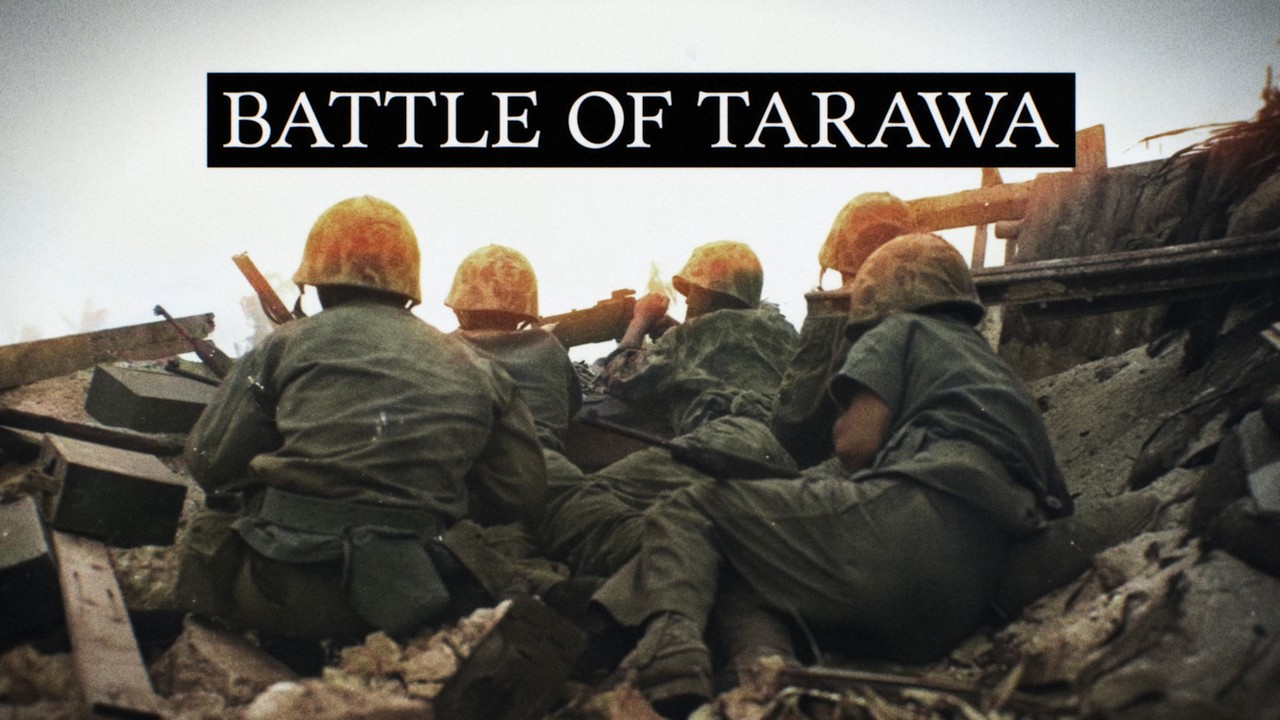
The narrative of the Battle of Tarawa serves as a consequential chapter in the history of World War II, particularly in the context of the United States Marine Corps’ strategy of island hopping across the Pacific. As one of the first amphibious assaults on the Central Pacific front, the landing at Tarawa’s Betio and Makin islands introduced significant tactical challenges that would shape subsequent military engagements. The ferocity of the battle, characterized by intense combat and substantial loss of life, underscored the need for improved operational execution, even as it laid the groundwork for future American offensives in the Pacific theater.
Examining the experiences gleaned from the Tarawa campaign offers profound insights into the evolution of military strategy and doctrine during World War II. The critical lessons learned from this grueling engagement not only informed the tactics employed in subsequent battles such as Kwajalein and Eniwetok but also revealed the complexities involved in amphibious warfare that the Marine Corps had yet to master. This exploration of Tarawa serves to contextualize the broader implications of war strategy and the relentless pursuit of operational perfection in the face of overwhelming adversity.
Understanding Tarawa: Overview of the Atoll
Geographical Location and Significance in the Pacific
Tarawa, an atoll in the Gilbert Islands, lies in the central Pacific Ocean, specifically at 1.5 degrees north latitude and 173 degrees east longitude. Its geographical position rendered it a crucial waypoint for military operations in the Pacific theater during World War II. Given the extensive distance between strategic locations in the Pacific, the atoll served as an essential base for launching further assaults against Japanese-held territories. This strategic significance escalated as the United States aimed to regain control of the Pacific domain and cut supply lines to Japanese forces.
Historical Context Prior to the Battle
Prior to the battle of Tarawa in November 1943, the atoll had been primarily inhabited by local populations and had seen little military activity. However, the onset of World War II transformed its status as the United States and its allies aimed to solidify their presence in the Pacific. Understanding the historical landscape of Tarawa allows you to grasp the gravity of the impending conflict and the fierce resistance that would characterize this battle.
Strategic Importance for Allied Forces
The capture of Tarawa was seen as pivotal for the Allied forces, particularly for the United States Marine Corps (USMC). Control of the atoll would not only secure logistics routes but also pave the way for further island-hopping campaigns. The need to establish a foothold in this part of the Pacific was critical as the Allies sought to disrupt Japanese supply lines and ultimately plan assaults on larger strongholds, such as Rabaul.
The Prelude to Battle
Rising Tensions in the Pacific Theater
As the war intensified across the Pacific, escalating conflicts drove both the neutral and combatant nations into a narrative marked by territorial ambitions and military strategies. The Japanese expansion across the Pacific islands elicited heightened military responses from the United States, which recognized the danger posed by encirclement. You should understand that this phase set the stage for many violent confrontations, where tactical decisions would result in lasting implications.
Objectives of the United States Marine Corps
You should appreciate that the USMC’s objectives in the initial assaults on Tarawa revolved around establishing a permanent presence at the atoll. The overarching goal was to secure territory while simultaneously inflicting heavy losses on Japanese forces. This marked a critical turning point in shifting the momentum of the Pacific War from a defensive stance to one of aggressive advancement.
Logistical Preparations for the Assault
The logistical planning behind the assault was both extensive and complex. It involved coordinating land, sea, and air resources to ensure that the operation could deliver the necessary firepower while minimizing risks to troops involved. You can see how methodical strategies concerning transportation, supplies, and military communication were vital in preparing for the amphibious assault that would unfold shortly.
The Forces Involved
Composition of US Marine Corps Units
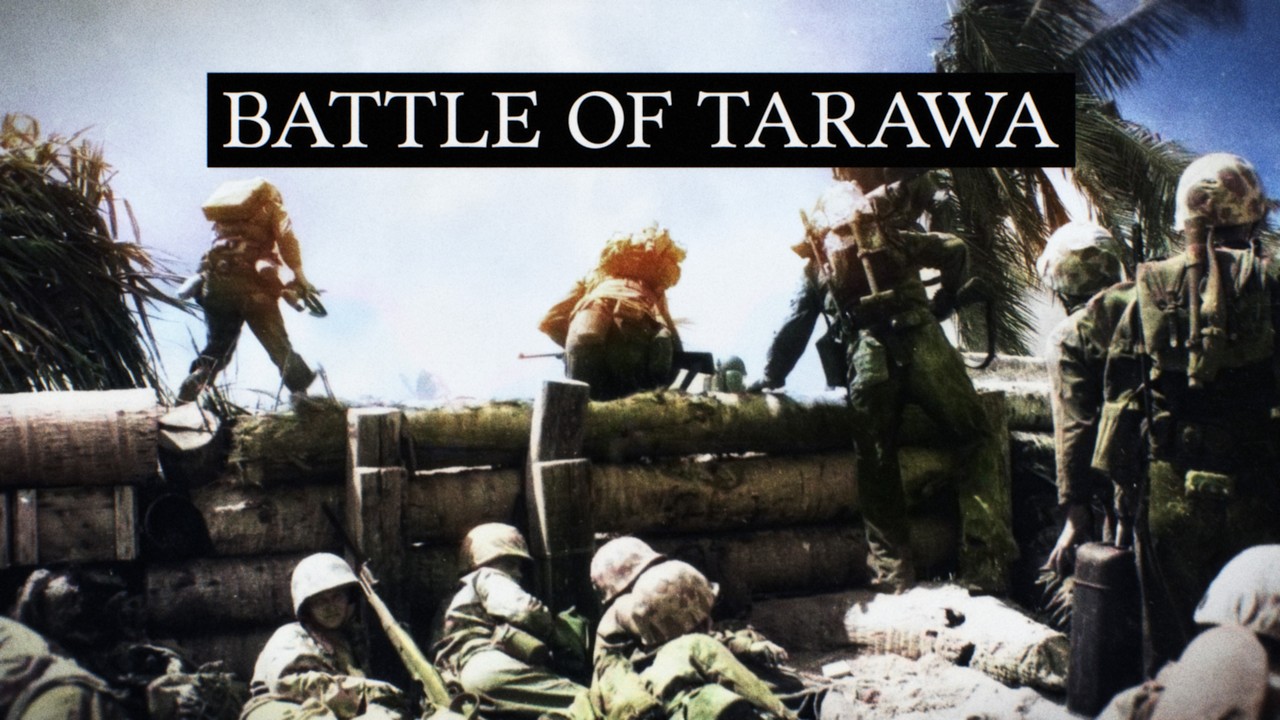
The assault on Tarawa featured a diverse composition of units from the US Marine Corps, including the 2nd Marine Division and various support units. These divisions were specially trained and equipped for amphibious operations, yet they faced challenges that tested their capabilities. Understanding the structure and preparation of these units provides insight into the formidable task they undertook.
Japanese Defense Forces on Tarawa
On the opposing side, Japanese defense forces were entrenched and resolute, with a complex web of fortifications aimed at repelling an invasion. Commanded by Admiral Keiji Shibasaki, the defenders were well aware of the strategic importance of the atoll and prepared to fight fiercely. They comprised both regular troops and local labor forces, reinforcing the defensive capabilities and zeal for preserving their territory.
Understanding the Leadership on Both Sides
Leadership on both the American and Japanese sides proved to be determinative during the battle. For the USMC, leaders like General Julian Smith provided tactical direction in the face of overwhelming odds. Contrastingly, the unwavering dedication exhibited by Japanese officers showcased their commitment to the Emperor and their homeland, even as the situation deteriorated.
The Amphibious Assault: Day One
Initial Landings and Challenges Faced
The initial landings on November 20, 1943, faced immediate challenges due to heavy Japanese machine-gun fire and the reef surrounding the atoll, which caused many landing craft to ground. As you delve into the specifics of that chaotic first day, a stark picture of confusion and peril emerges, underscoring the courage required for the Marines to advance under fire.
The Role of Naval Bombardments
Naval support played an absolute role in the early stages of the assault. Bombardments aimed to soften Japanese defenses considerably. However, miscalculations regarding the effectiveness of these bombardments meant that many Japanese positions remained intact, presenting additional challenges for the Marines as they landed.
Casualties and Immediate Consequences
The first day of the battle saw astonishing casualties on both sides, marking it as one of the bloodiest landings in Marine Corps history. You must consider the social and psychological toll on the soldiers involved as they fought to maintain their will to press on in the face of staggering loss.
Combat Strategies and Tactical Approaches
Land and Sea Coordination Issues
The coordination between land and sea elements revealed significant shortcomings during the battle. You can recognize that the rapid transition from naval bombardment to ground assault necessitated clear communication and tactical synchronization, which fell short at critical points, resulting in lost opportunities and increased risks for the Marines on the ground.
Innovations in Amphibious Warfare
The battle of Tarawa marked a crucial learning moment for the USMC, offering significant innovations in amphibious warfare tactics. The period witnessed the introduction of specialized amphibious vehicles and warfare strategies, which would be refined in future engagements. Understanding these advancements highlights the relentless adaptability of military forces in responding to battlefield realities.
Lessons Learned from Previous Encounters
The lessons derived from prior engagements, such as the assaults on Guadalcanal and Tarawa itself, informed the strategies employed. As you explore these tactical evolutions, you will appreciate how they paved the way for subsequent operations across the Pacific, enabling greater effectiveness and reducing casualties in later campaigns.
The Human Cost: Casualties and Suffering
Estimating the Death Toll and Injuries
Estimates indicate that the battle of Tarawa incurred a staggering toll, with thousands of casualties occurring over a brief period. For you, understanding the human cost is essential to grasp the full implications of warfare; these were not just numbers, but the lives of brave individuals and families affected by the conflict.
Accounts from Soldiers and Survivors
Firsthand accounts from both soldiers and survivors illustrate the profound struggles faced during the battle. These narratives offer poignant insights into the emotional and psychological scars left by the harrowing experiences of combat. You are encouraged to engage with these stories to understand the nuanced human condition in the face of the horrors of war.
Psychological Impact on Troops
The psychological aftermath of the battle resonated deeply among the troops who survived. Concepts of PTSD, survivor’s guilt, and moral injuries began to take shape as soldiers grappled with the reality of what they had witnessed and endured. Your awareness of these psychological factors amplifies the multifaceted nature of war and its long-lasting repercussions.
Technology and Warfare: Naval Gunfire Doctrine
Impact of Naval Gunfire Support on the Battle
Naval gunfire support was a foundational tactic in the operation, aiming to neutralize Japanese positions before the Marines could land. Examining the role of gunfire in establishing dominance reveals its dual impact—not only as a force multiplier but also as a source of ineffectiveness when not executed with precision.
Adapting Technology for Island Warfare
The advances in technology for warfare showcased the American military’s commitment to evolving its capabilities. From amphibious tanks to floating docks, the battle highlighted the necessity of adapting technology to specific contexts, a lesson of particular relevance in modern military strategy. You can see how this adaptability illustrates the tempo of innovation under pressure.
Future Implications for Military Strategy
The battle’s insights into naval gunfire doctrine and its execution have had long-lasting implications for military strategy. You should consider how these newfound strategic perspectives influenced subsequent campaigns in the Pacific and led to the development of refined methods in contemporary military operations.
Post-Battle Analysis
Evaluating the Outcome: Success or Failure?
The evaluation of the battle reflects a complex dichotomy of success and failure. Strategically, the capture of Tarawa was deemed a success, paving the way for future operations. However, the heavy losses incurred raised ethical questions concerning the efficacy of such aggressive military endeavors. Analysing these outcomes requires a nuanced understanding of military victory beyond mere territorial gains.
Lessons Learned for Subsequent Battles
The myriad lessons learned from Tarawa informed future military operations throughout the Pacific. You are encouraged to contemplate how these experiences shaped tactics, doctrine, and overall military philosophy moving forward. Understanding that one battle can significantly alter the arc of a war enhances your perspective on military history.
The Significance of Morale in Wartime
The morale of the troops was a critical determinant in both the immediate and longer-term fate of military operations. Tarawa established a precedent for maintaining high morale amid combat’s chaotic environment. Your awareness of the psychological elements highlights the foundational role of human spirit in determining the outcomes of conflicts both at the individual and collective levels.
Media and Documentation of Tarawa
Use of Film and Photography During the Battle
The battle of Tarawa was notably documented through film and photography, enabling a powerful narrative to emerge regarding the ferocity of the conflict. These visual records serve as crucial historical artifacts, and your understanding of the impact of media is significant in recognizing how documentation shapes public memory of war.
The Role of Media in Shaping Public Perception
The media’s coverage of the battle significantly influenced public perception of the United States’ military efforts in the Pacific. By amplifying both the heroism of the Marines and the toll of war, the coverage heightened awareness and drew attention to the sacrifices made by soldiers. You can reflect on this duality of portrayal and its implications for public support during wartime.
Documentary Efforts and Historical Accuracy
Documentary efforts surrounding the battle have focused on maintaining historical accuracy while capturing the realities faced by troops. Understanding the delicate balance between dramatization and objective representation helps you engage critically with wartime narratives and highlights the importance of representing personal experiences authentically.
Conclusion: Legacy of Tarawa
Impact on Subsequent Military Engagements in the Pacific
Tarawa’s legacy resonates through subsequent military engagements in the Pacific, informing strategies and tactics employed by the USMC and its allies. The insights garnered from the battle fostered an adaptive approach that would prove necessary in the ensuing island-hopping campaigns, underscoring its lasting impact on military doctrine.
Remembering the Sacrifices Made
As you reflect on Tarawa, it is critical to honor the sacrifices of those who fought and lost their lives. Remembering these individuals serves as a profound reminder of the heavy human cost embedded within military conflicts and ensures that their contributions are recognized and commemorated, contributing to a broader understanding of history.
Continuing Relevance of Lessons Learned from Tarawa
The battle of Tarawa remains relevant not only in military strategy but also in the broader discussion of warfare ethics, psychology, and human resilience. The lessons learned from the experiences of combatants continue to resonate, providing valuable insights for current and future military leaders. Your engagement with these lessons is crucial for fostering responsible military strategies and informed public discourse on war.
In conclusion, you are invited to view Tarawa not merely as a historical event but as a rich subject that encapsulates complexities inherent in war, valor, strategy, and humanity. The legacy of Tarawa is a testament to the courage of those who served, the evolution of military initiatives, and the imperative to remember and learn from history.