
Canada is currently undertaking significant initiatives to modernize its ground forces, including the acquisition of 250 tracked armored fighting vehicles and plans to replace its fleet of Leopard 2 tanks. This strategic pivot is largely motivated by the evolving geopolitical landscape in the Arctic, which has emerged as a contentious region due to increased interest from Russia and China as retreating sea ice unveils new shipping routes and resources. The pressing need for enhanced military capabilities reflects Canada’s commitment to ensuring national security amidst these emerging challenges.
Despite these proactive steps, Canada faces considerable hurdles that could impede the realization of its armor modernization goals. Factors such as budget constraints, procurement timelines, and logistical challenges must be addressed to facilitate the effective implementation of these plans. The discussion ahead will explore these complexities and their implications for Canada’s defense strategy in a rapidly changing global environment.
Strategic Importance of the Arctic
Geopolitical Tensions
The Arctic region has emerged as a significant geopolitical arena, characterized by rising tensions among global powers, notably Canada, Russia, and China. These tensions stem from territorial claims, national security concerns, and the strategic positioning of military assets. As melting ice opens previously inaccessible areas, nations vie to assert their sovereignty over new shipping corridors and resource-rich territories. For Canada, as the nation positioned closest to the North Pole, the imperative to secure its northern borders becomes critical not just for sovereignty but also for national identity and geopolitical leverage.
Resource Accessibility
The retreat of Arctic ice has unveiled vast natural resources, including oil, gas, and minerals. Estimates suggest that the Arctic holds a substantial proportion of the world’s untapped fossil fuel reserves. The scramble for these resources, combined with a growing demand for energy globally, intensifies the competitive dynamics in the region. Canada finds itself at a crossroads, balancing the dual objectives of resource development and environmental stewardship. How Canada navigates this delicate situation will significantly influence its economic and environmental future.
Shipping Routes and Trade
The changing landscape of the Arctic is redefining global shipping routes, making it possible to connect Asia and Europe through the Northwest Passage. As these routes become navigable for longer periods each year, they present economic opportunities. However, with opportunities come risks, including increased maritime traffic and potential environmental damage. You must, therefore, consider how Canada will regulate and protect these vital routes and ensure safe passage while fostering international cooperation among Arctic states.
Canada’s Defense Policy Overview
Historical Context
To understand Canada’s current defense posture, one must reflect on the historical context that has shaped its military strategy. From its involvement in World War I and II to its role in peacekeeping missions, Canada’s defense policy has evolved, emphasizing diplomacy and multilateralism. The historical narrative of Canada’s military engagement informs its contemporary approach to security, which focuses on maintaining peace and stability in an increasingly volatile world.
Current Defense Strategies
In response to evolving threats, Canada’s defense strategies now prioritize modernization and readiness. This pivot is reflective of the recognition that national sovereignty requires a robust defense mechanism, especially in light of resurgence in geopolitical tensions. Recent strategic reviews have emphasized the need for increased investment in military capabilities, force cohesiveness, and the integration of technology into operational planning.
International Commitments
Canada’s defense policy is further shaped by its international commitments, especially its role within NATO and the North American defense framework. These alliances represent not only a commitment to collective defense but also a platform for Canada to assert its interests in Arctic geopolitics. By aligning defense strategies with international partners, Canada aims to project power and safeguard its northern approaches.
Recent Developments in Canadian Armor
Announcement of New Armored Fighting Vehicles
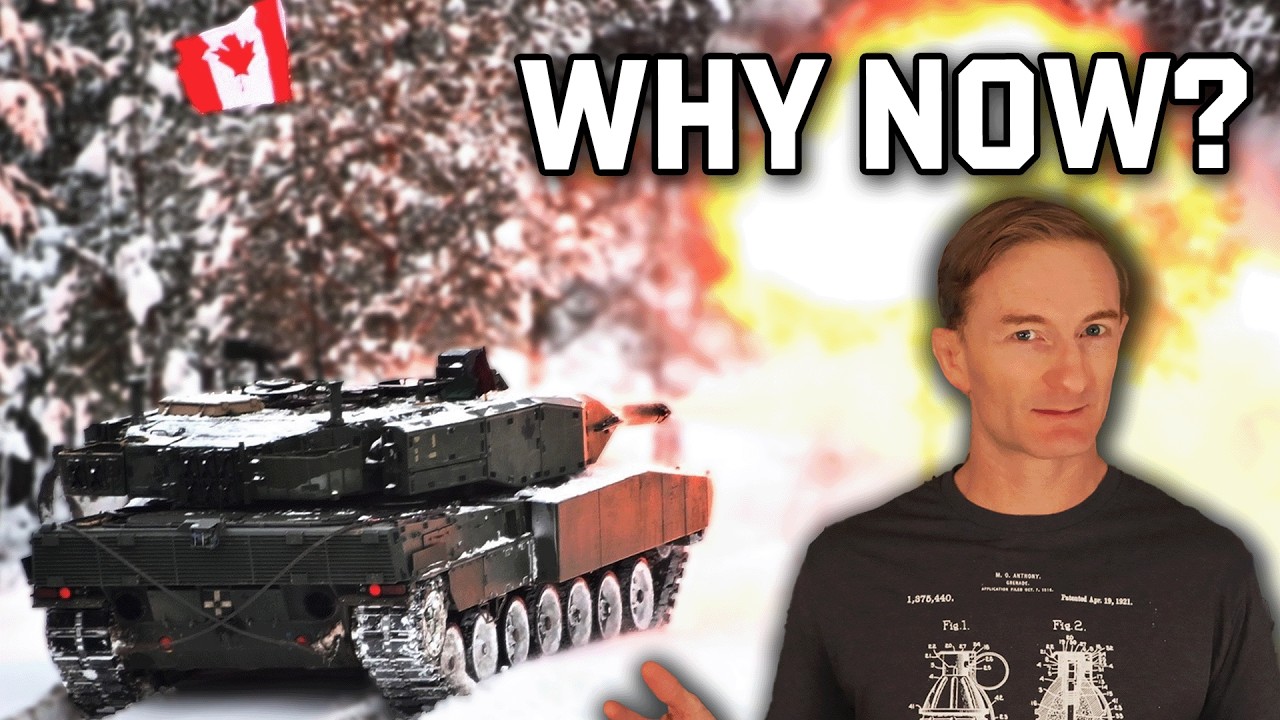
Recent developments in Canada’s military procurement have highlighted the urgency to upgrade its armored capabilities. The announcement of the acquisition of 250 tracked armored fighting vehicles marks a significant investment in modernizing the Canadian Army. This initiative is not simply about replenishing worn-out equipment; it reflects a strategic shift towards enhancing operational readiness and adapting to the realities of contemporary warfare.
Plans for Leopard 2 Replacement
The plans for replacing the Leopard 2 tanks further underscore Canada’s commitment to maintaining a state-of-the-art armored capability. As adversaries advance their technologies, Canada’s reliance on aging Leopard 2 tanks could pose strategic risks. The modernization effort acknowledges that an effective armored force is pivotal for national defense, especially in the Arctic, where terrain and climate present unique operational challenges.
Investment in Military Modernization
The broader context of military modernization encompasses enhanced budgeting, investment in research and development, and the pursuit of innovative technologies. Canada is exploring partnerships with domestic and international defense industries to ensure that its forces remain at the cutting edge. This investment is not just focused on quantity but also on quality, ensuring that new systems are interoperable with allied forces.
Capabilities of Modern Armored Vehicles
Importance of Mobility and Protection
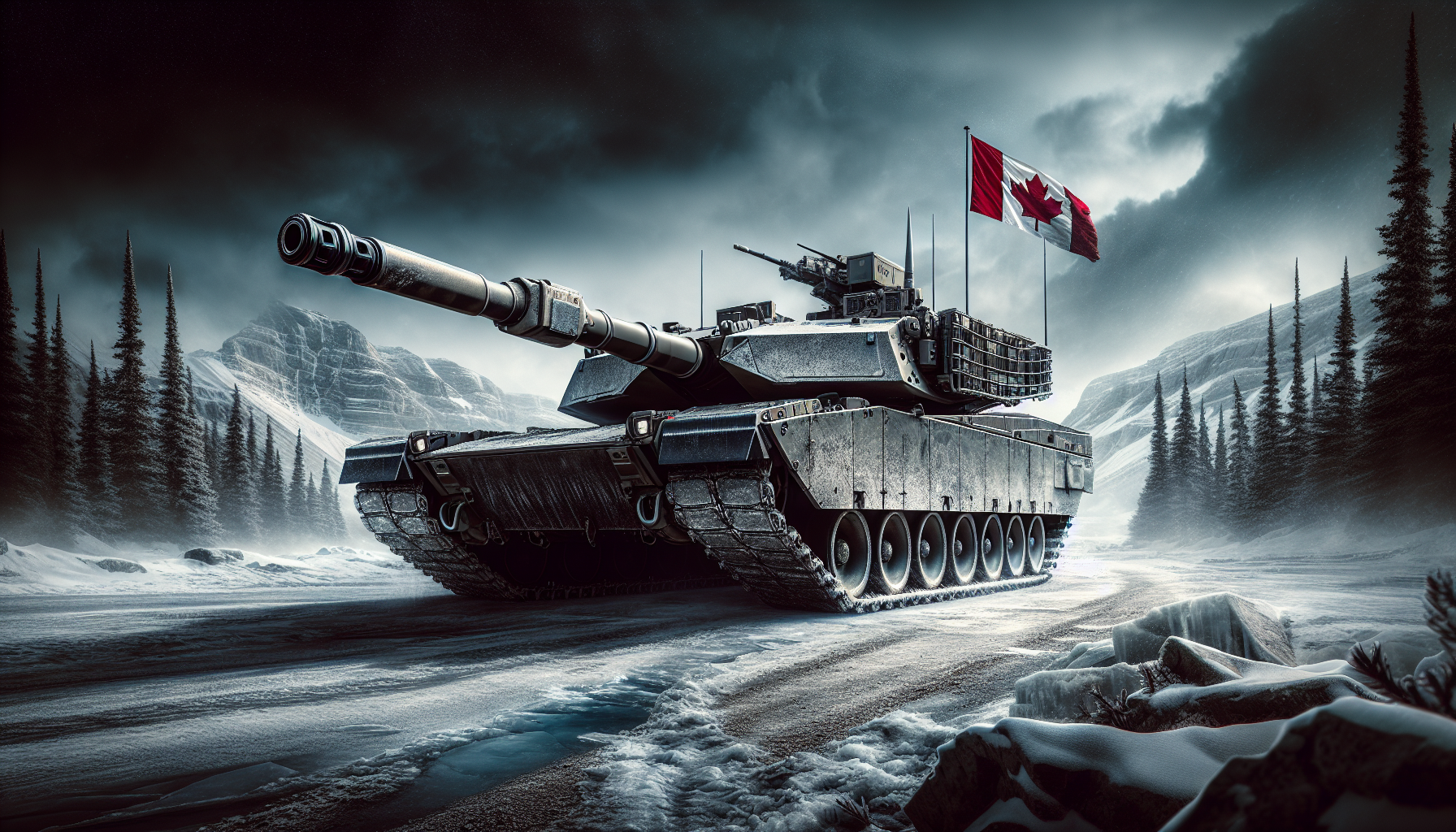
Modern armored vehicles are characterized by a dual emphasis on mobility and protection, crucial for contemporary battlefield dynamics. For Canada, where Arctic operations pose unique challenges, the ability to maneuver quickly and effectively while ensuring crew survivability is paramount. Understanding the role of these vehicles in enhancing operational capabilities allows you to appreciate the shift in defense strategy.
Technological Advancements
The evolution of armored vehicles is closely tied to advancements in technology. Innovations in defensive systems, situational awareness, and weaponry are reshaping how armored forces are utilized on the battlefield. Canada’s investment in next-generation combat vehicles is a testament to its commitment to integrating these advancements into its arsenal, thereby enhancing its operational effectiveness and deterrence capabilities.
Role in Multi-Domain Operations
In an era where multi-domain operations have become the norm, armored vehicles must play a versatile role across various combat environments. The integration of ground forces with air, naval, and cyber capabilities enhances the overall effectiveness of military operations. For Canada, ensuring that its armored forces can operate cohesively within this framework is critical for future engagements, particularly in complex arenas like the Arctic.
Challenges Facing Canadian Military Procurement
Budget Constraints
One of the foremost challenges in Canadian military procurement is the issue of budget constraints. With competing priorities for government spending, sustaining an adequate defense budget is an ongoing struggle. The need for modernization and the urgency of increased defense capacities must contend with fiscal realities, requiring policymakers to make tough decisions regarding resource allocation.
Supply Chain Issues
Supply chain issues have emerged as a critical concern in the context of military procurement. Global disruptions, exacerbated by the COVID-19 pandemic, have highlighted vulnerabilities in the production and delivery of military assets. Canada must address these supply chain fragilities to ensure the timely acquisition and maintenance of essential equipment.
Political and Bureaucratic Hurdles
The procurement process is often hindered by political and bureaucratic hurdles that can delay the acquisition of vital military assets. Complicated procedures, shifting political priorities, and administrative inefficiencies can impede the rapid deployment of necessary resources. For Canada, streamlining these processes is essential to align military needs with national security demands.
Impact of Global Military Trends
Response to Russian Aggression
In recent years, the resurgence of Russian aggression has notably impacted global military strategies, including Canada’s. The annexation of Crimea and increased military activities in the Arctic compel Canadian policymakers to recalibrate defense strategies and enhance deterrence capabilities. Canada’s response to these developments must reflect its commitment to ensuring national security and contributing to international stability.
Chinese Expansion in the Arctic
China’s burgeoning interest in the Arctic presents additional challenges for Canada. The assertiveness of Chinese maritime expansion raises concerns regarding sovereignty and territorial integrity. As Canada navigates these new geopolitical waters, it must develop comprehensive strategies that address both the economic opportunities and security risks posed by Chinese activities in the region.
Encouragement of NATO Cooperation
The evolving global military landscape encourages greater cooperation among NATO allies. Sharing intelligence, conducting joint exercises, and enhancing interoperability among allied forces are essential for collective security. Canada’s commitment to strengthening NATO relations is vital for fostering a united front against any potential threats emerging from the Arctic region or elsewhere.
Future of Canada’s Armored Forces
Potential New Technologies
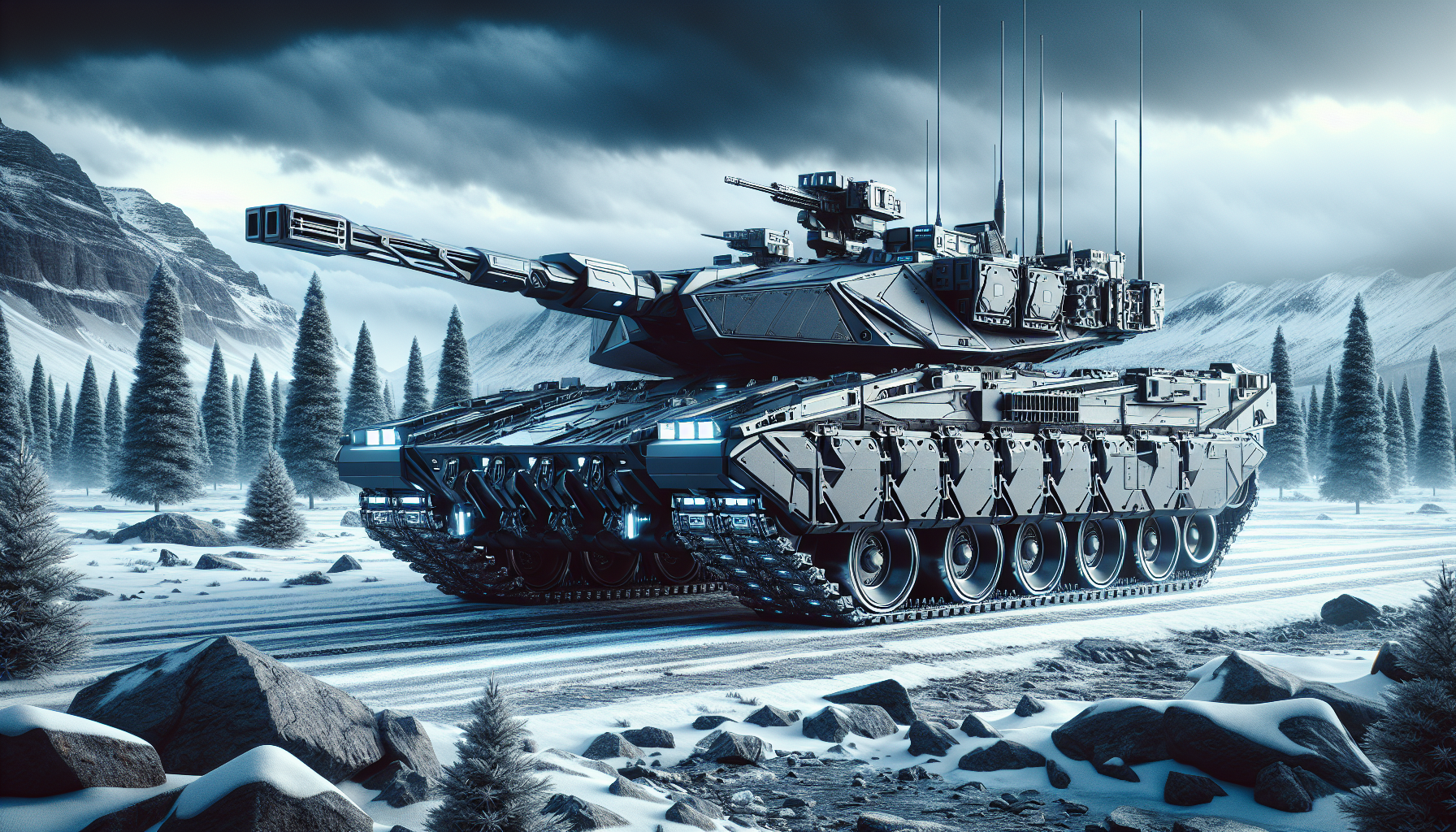
As Canada looks to the future of its armored forces, the importance of embracing new technologies cannot be understated. Innovations in artificial intelligence, robotics, and automation have the potential to redefine the capabilities of armored units. Exploring these advancements will allow Canada to maintain a competitive edge in an increasingly complex defense environment.
Future Operational Concepts
The conceptual evolution of military operations will also influence the deployment of armored forces. The focus may shift towards hybrid warfare, where conventional armored units must adapt to asymmetric threats. Canada must invest in training and doctrine development to prepare its forces for future operational landscapes characterized by unpredictability and diverse combat scenarios.
Integration with Allied Forces
The future of Canada’s armored forces will also hinge on their integration with allied forces. Joint exercises and collaborative training missions will foster interoperability, ensuring that Canadian armored units can seamlessly operate alongside NATO partners when required. This integration enhances collective security and strengthens Canada’s geopolitical standing.
Public Perception and Support for Military Spending
Civic Understanding of Defense Needs
Public perception plays a pivotal role in shaping national defense policies. Civic understanding of defense needs, including the rationale behind military spending, is essential. Engaging the public in discussions about security concerns and military investments can foster appreciation for the complexities of defense strategies and the necessity of maintaining a capable military force.
Influence of Media on Public Opinion
The media significantly influences public opinion regarding military spending and defense issues. Coverage of defense initiatives, international conflicts, and military procurements can shape perceptions and inform citizen views. Understanding the media’s role in this discourse helps illuminate how public support for military efforts can be cultivated or challenged over time.
Political Discourse on Military Investment
Political discourse surrounding military investment has become increasingly polarized, reflecting broader societal debates about resource allocation and priorities. Open dialogues among political parties regarding defense expenditure can ultimately steer national defense policies. As you consider these dynamics, it becomes clear that maintaining a consensus on defense needs is crucial for ensuring that Canada can respond effectively to emerging threats.
Lessons from Other Nations
Case Studies of Military Modernization
Examining case studies of military modernization from other nations can provide valuable insights for Canada. Countries like Germany, the United States, and South Korea have effectively transformed their military structures and capabilities in response to evolving threats. By learning from their successes and challenges, Canada can better navigate the complexities of its own modernization efforts.
Comparative Analysis with NATO Allies
A comparative analysis of NATO allies’ military capabilities allows Canada to benchmark its own defense strategies. Understanding how allied nations allocate resources, invest in advanced technologies, and respond to emerging threats will inform Canada’s approach to military modernization and enhance its ability to collaborate on joint missions.
Insights from Historical Conflicts
Historical conflicts deliver critical lessons regarding military preparedness, resource allocation, and the importance of adaptability in the face of shifting geopolitical dynamics. Analyzing such conflicts enables Canada to anticipate future challenges and refine its military strategies accordingly.
Conclusion
Summary of Key Points
In summary, the strategic importance of the Arctic, Canada’s evolving defense policy, modernization of armored forces, public perception, and lessons from allied nations all contribute to a nuanced understanding of national security in Canada. The multifaceted challenges present a guided roadmap for policymakers as they navigate future defense initiatives.
Implications for National Security
The unfolding military landscape demands a multifaceted response that not only addresses immediate needs but also anticipates long-term challenges. As Canada seeks to assert its position in the Arctic while safeguarding its national interests, cohesive and comprehensive defense strategies are more vital than ever.
Looking Ahead for Canada’s Military Future
Looking ahead, Canada stands at a critical juncture. The interplay of resource demands, geopolitical shifts, and technological advancements will shape its military future. Emphasizing modernization, investment in new technologies, and fostering collaborative alliances will be paramount as Canada seeks to navigate the complexities of 21st-century military operations. A concerted effort towards these objectives will ensure that Canada is well-prepared to confront the challenges on the horizon.