
The analysis of Alexander the Great’s remarkable triumph over Darius III at Issus transforms an ancient battle into a compelling narrative that continues to resonate today. Set against the backdrop of 333 BCE, this encounter on a restricted coastal plain showcases not only Alexander’s tactical brilliance but also his ability to command and inspire a disciplined army. Through strategic maneuvers, including a deceptive feint and decisive strikes against the Persian flanks, this battle became a defining moment that would reverberate through history.
Examining the aftermath of this encounter reveals a pivotal shift in the balance of power in the ancient world. Darius III’s hasty retreat marked not just a military defeat but also set the stage for Alexander’s subsequent conquests across Anatolia. This analysis encapsulates the essential tactics employed by Alexander and highlights the human drama that unfolded, demonstrating how a single battle could alter the course of history.
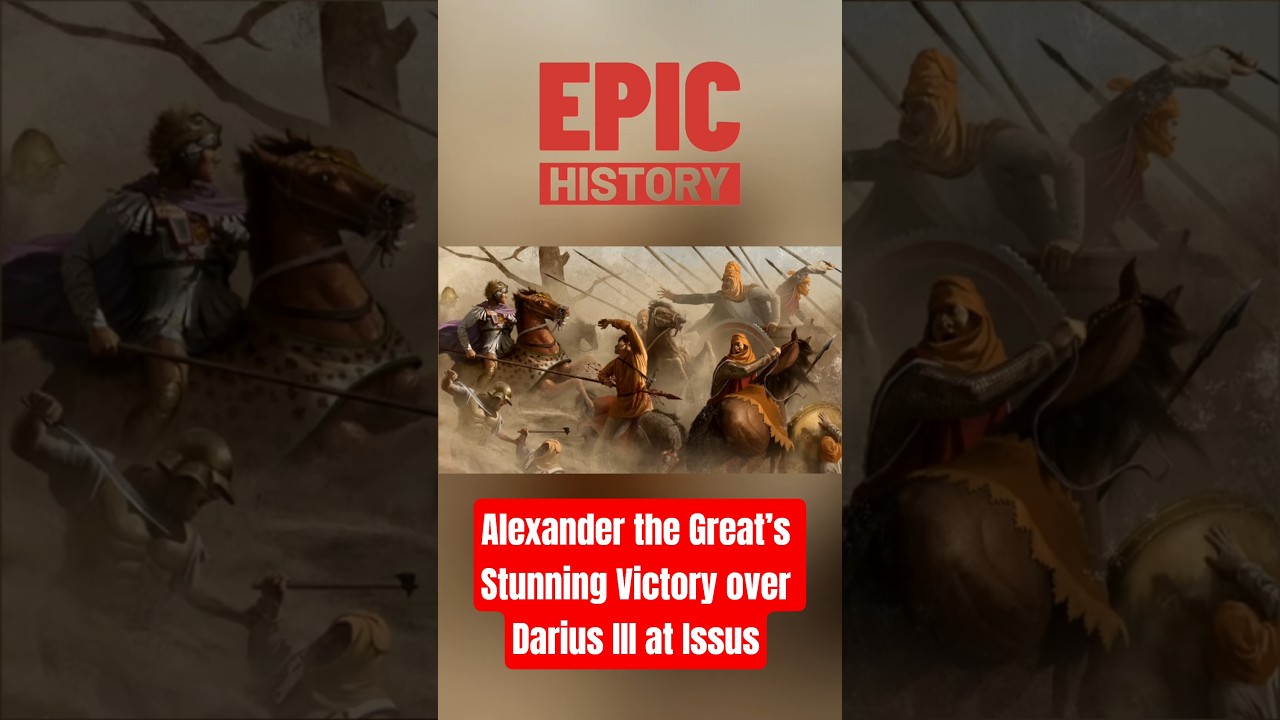
Alexander the Great’s Stunning Victory at Issus: A Comprehensive Analysis
Background of the Battle
Political Climate in 333 BCE
In 333 BCE, the political landscape was dominated by the longstanding struggle for supremacy between Greece and Persia. The Grecian city-states, despite their fragmented nature, had begun to coalesce around the figure of Alexander the Great, who was both a symbol of Macedonian dominance and a beacon of hope for various Greek factions. Meanwhile, the Persian Empire, under the rule of Darius III, was experiencing internal strife and a decline in central authority. This tumultuous environment set the stage for the Battle of Issus, a pivotal confrontation that would alter the balance of power in the ancient world.
The Rise of Alexander
Alexander, son of King Philip II of Macedon, exhibited extraordinary military prowess from an early age. Following his father’s assassination, he gained the throne and promptly set out to fulfill his ambition of conquering Persia. He cultivated a reputation for strategic brilliance and charismatic leadership, garnering loyalty from his troops. His military campaign began in earnest in Asia Minor, where his victories over the Persian forces at Granicus and subsequent encounters set the tone for his aggressive westward expansion.
Darius III and the Persian Empire
On the opposing side stood Darius III, who ascended the Persian throne amidst a backdrop of political contention and military challenges. His empire, once formidable, was weakened by both external enemies and dissent among subjugated nations. Darius attempted to rally his forces to confront the rising threat posed by Alexander, believing that a decisive victory would not only regain lost territories but also solidify his legitimacy as emperor.
The Significance of Issus
Geographical Importance of the Battlefield
The battlefield at Issus, located in southern Anatolia, was of considerable strategic significance due to its unique geographical features. Encased by the mountains of Cilicia to the north and the Mediterranean Sea to the south, Issus provided a constricted area where military tactics could directly influence outcomes. For Alexander, who benefited from a more mobile and disciplined army, the terrain played to his advantages, permitting effective innovations in warfare even in the face of larger Persian forces.
Strategic Location for the Persian Army
For Darius III, the choice of Issus was equally strategic, as it allowed him to bring together a sizable contingent of soldiers in a single location. However, this advantage was also a double-edged sword. Although the Persians aimed to leverage their numerical superiority, the narrow confines of Issus hampered the effectiveness of their traditional battle formations. Such geographical constraints would soon become pivotal to the unfolding events.
Implications on Alexander’s Campaigns
The outcome of the battle at Issus carried significant implications for Alexander’s subsequent campaigns. A victory here would not only embolden his forces but also serve as a psychological blow to Darius and his army. Furthermore, it was essential for consolidating Alexander’s reputation as a formidable military leader, charting a course for further advances into Persian territory, thereby escalating his conquest across Asia Minor.
Prelude to the Battle
Tensions between Macedonia and Persia
Tensions had been escalating between Macedonia and Persia, rooted in centuries of rivalry. As Alexander’s ambitions became clear, Persian forces in the region mobilized in response. Local alliances and betrayals made the atmosphere increasingly volatile, and anticipation of inevitable confrontation thickened. This brewing conflict would soon manifest on the battlefield at Issus.
Military Movements Leading to Issus
In the months leading up to the battle, both armies engaged in intricate military maneuvers that showcased their strategies and capabilities. Alexander marched with deliberation, often surprising his adversaries with his speed and tactical flexibility. Conversely, Darius sought to consolidate his forces, often attempting to outflank the Macedonian army by positioning his troops strategically along key routes. Each side’s movements revealed insights into their respective command structures and operational philosophies.
The Build-Up of Forces on Both Sides
As the armies converged upon Issus, the scale of forces became noticeable. Darius III boasted a significantly larger army, yet a sense of uncertainty lingered within the ranks; many troops were conscripted, lacking the fierce loyalty that characterized Alexander’s forces. As each side assembled for the impending clash, the contrast in morale and training foreshadowed the battle’s outcome.
Tactical Strategies Employed
Macedonian Phalanx Formation
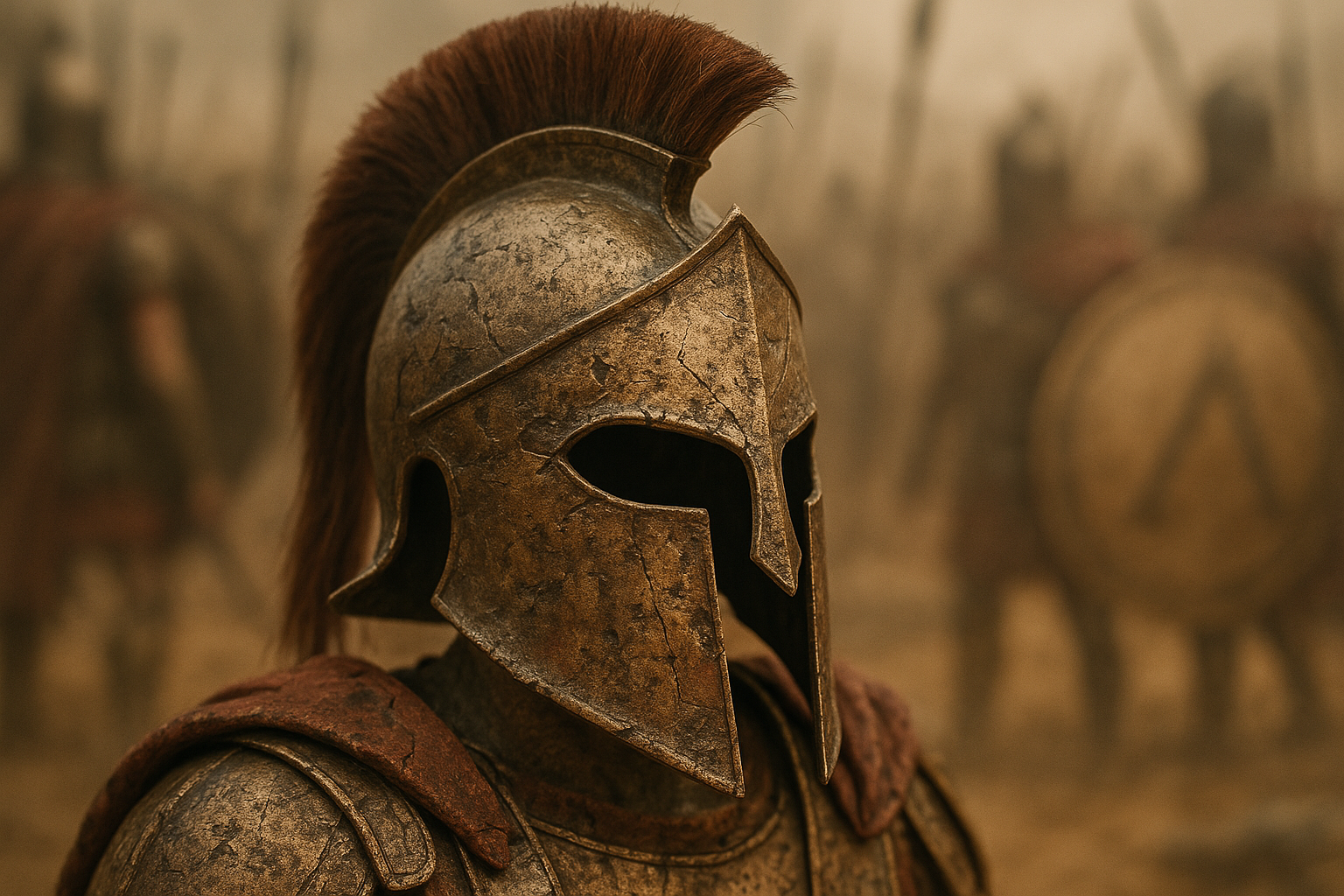
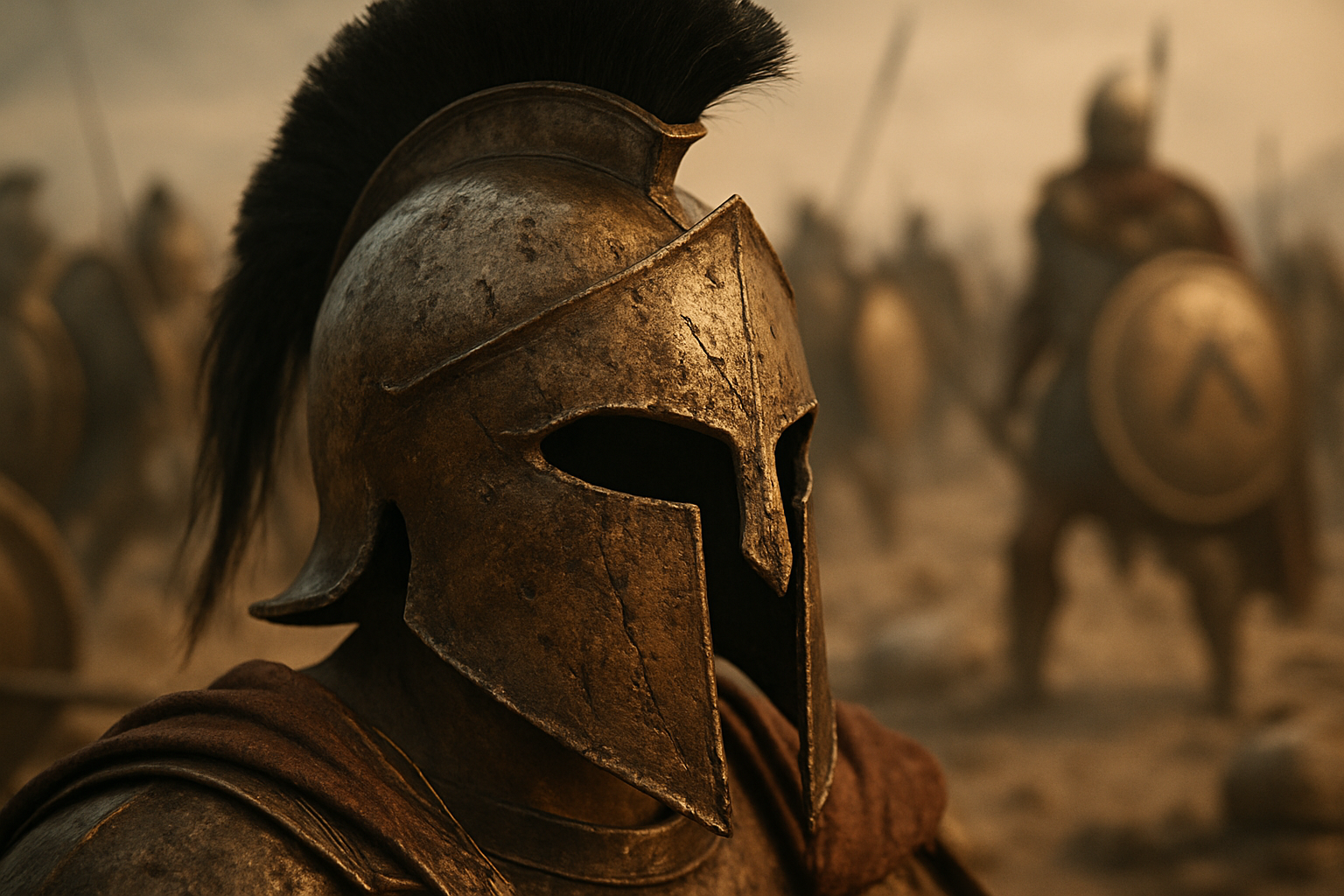
The characteristic Macedonian phalanx formation became a hallmark of Alexander’s military tactics. This formation utilized long spears (sarissas) and tightly packed lines, providing a formidable barrier against charging enemies. Alexander’s adept use of the phalanx at Issus proved pivotal in controlling the battlefield and sustaining momentum, allowing Macedonian forces to effectively engage their foes head-on.
Alexander’s Feigned Retreat
An innovative tactic employed by Alexander during the battle was a calculated feigned retreat. As the Macedonian forces initially appeared to falter, they lured the Persian center into pursuit. This maneuver drew Darius’s forces forward, creating gaps within their ranks that would later be exploited decisively. Such cunning strategies exemplified Alexander’s ability to manipulate battlefield dynamics to his advantage.
Flanking Maneuvers Against the Persians
As the battle progressed, Alexander executed flanking maneuvers with precision. He dispatched units to strike at vulnerable points in the Persian line, further amplifying the disarray among Darius’s forces. These well-coordinated assaults not only destabilized the Persian command structure but also inspired the Macedonian troops, reinforcing their resolve and commitment to the fight.
Leadership and Morale
Alexander’s Charismatic Command
Central to the Macedonian victory at Issus was Alexander’s compelling leadership. His ability to connect with his soldiers through passionate oratory and personal courage inspired unwavering loyalty. By leading from the front, he instilled confidence in his troops, who were motivated not merely by duty but also by their admiration for their commander.
Roman Recruitment and Loyalty
While Issus was a conflict primarily between Macedonia and Persia, it is essential to acknowledge the influence of recruitment strategies employed by Alexander. His ability to forge alliances and secure loyalty among local populations and mercenaries expanded his army’s base. Such dynamics reflected a more extensive pattern of loyalty beyond traditional Macedonian allegiances that contributed to the overall morale and effectiveness of his forces.
Darius III’s Leadership Challenges
In contrast to Alexander’s strengths, Darius III faced significant leadership challenges. His reliance on vast numbers did not compensate for the lack of unity and morale within his ranks. Reports of discontent and suspicion circulated, sapping the potency of his once-proud army. The perception of Darius as an ineffective leader only compounded these issues, ultimately undermining the Persian position during the battle.
The Course of the Battle
Initial Engagements and Skirmishes
The early phases of the battle were characterized by intense skirmishing as both sides vied for control. Initial engagements saw the Macedonian phalanx hold firm against Persian assaults. Despite being heavily outnumbered, Alexander’s troops maintained their resolve, leveraging their rigid formations to absorb and counter Persian advances. The chaotic nature of these skirmishes set the stage for more decisive confrontations.
Turning Point of the Battle
The decisive turning point came as Alexander executed his feigned retreat, successfully enticing a portion of the Persian army into a vulnerable position. As they pursued the Macedonians, Darius’s forces found themselves open to flanking attacks from Alexander’s well-disciplined troops. This tactical masterstroke shifted the momentum of the battle, as the once-confident Persian forces began to unravel under duress.
Pursuit and Aftermath of Darius III
In the wake of the Macedonian victory, Darius III made a fateful decision to retreat, abandoning the battlefield in a desperate bid for safety. This act not only underscored his leadership failures but also had profound consequences for the Persian Empire. The ensuing chaos among Darius’s men led to a significant breakdown of order, allowing Alexander to pursue and capitalize on his victory.
The Aftermath of the Battle
Immediate Consequences for Darius and His Army
The repercussions for Darius III and his army were dire following the defeat at Issus. His inability to rally his forces not only resulted in heavy casualties but also diminished his standing among his subjects and allies. The once-great Persian Empire now faced an existential crisis, as subjugated regions began to question their loyalty to a retreating king.
Impact on Alexander’s Campaign in Asia Minor
In stark contrast, the victory at Issus paved the way for Alexander’s unimpeded advance into Asia Minor. The morale of his troops surged as they tasted victory, and the perception of him as an invincible commander grew. This battle effectively opened routes for further military campaigns, culminating in the eventual conquest of key Persian territories and shaping the trajectory of Hellenistic influence across the region.
Shift in Regional Power Dynamics
The outcome of the Battle of Issus inaugurated a significant shift in regional power dynamics. For the first time, the might of the Persian Empire was publicly challenged and defeated by a relatively smaller army. This pivotal encounter not only cemented Alexander’s position in the annals of history but also catalyzed a series of events that would reshape the cultural and political landscapes of the ancient world.
Historical Interpretations
Ancient Sources on the Battle
Written accounts from ancient historians provide valuable insights into the events at Issus. Figures such as Arrian, Plutarch, and Curtius Rufus chronicled the battle, often highlighting Alexander’s strategic genius and the chaotic conditions faced by Darius. However, one must critically analyze these sources, recognizing their biases and potential embellishments that frame Alexander as a larger-than-life figure.
Modern Historians’ Perspectives
Contemporary historians continue to debate the implications of Issus, examining its impact from various analytical frameworks—military, political, and cultural. Some consider the battle an exemplar of tactical innovation, while others focus on the broader social changes it engendered throughout the Hellenistic world. These interpretations enrich the understanding of Issus beyond mere military victory, reflecting the complexities of historical narratives.
Myths and Legends Emerging from Issus
The Battle of Issus has not only left a mark on historical lexicons but has also birthed myths and legends that echo through time. The image of Alexander as the heroic underdog, defeating a colossal adversary, has been perpetuated in literature and art, serving as a narrative device that inspires ideals of bravery and cunning. This myth-making process illustrates the interplay between history and storytelling in shaping collective memory.
Cultural Impact
Alexander’s Image as a Conqueror
The victory at Issus immediately contributed to the formation of Alexander’s enduring image as a conqueror. His tactical brilliance and victorious outcome were exalted, leading to a legacy that transcended military achievements. This perception was further embellished by subsequent tales of his exploits, establishing him as a pivotal figure in Western history whose influence reverberated far beyond his lifetime.
Art and Literature Inspired by the Battle
Numerous artistic and literary works have drawn inspiration from the Battle of Issus. From classical sculptures to Renaissance paintings, these representations reveal how the encounter has been commemorated through the ages. In literature, the battle’s themes of valor, strategy, and hubris have provided fertile ground for writers, allowing them to explore the intricacies of human ambition and the nature of power.
The Legacy of Issus in Historical Memory
The legacy of Issus extends beyond its immediate military significance. It serves as a crucial moment in the broader tapestry of historical narratives, representing both the fragility of great empires and the profound impacts of leadership and strategy. Consequently, it has secured a place in educational curricula and popular discourse, ensuring that future generations remain grounded in its lessons.
Conclusion
The Lasting Legacy of Issus
The Battle of Issus stands as a monumental event in the annals of history, signifying a critical junction in the peregrinations of Alexander the Great. Its ramifications reverberated across the ancient world, ultimately reshaping the political fabric of regions and establishing paradigms of warfare that would endure for centuries.
Alexander’s Role in Shaping Ancient History
Alexander’s role in this pivotal battle underscores his broader significance as a historical innovator and strategic leader. His capacity to inspire and mobilize diverse forces toward a unified goal created new paradigms in military leadership, influencing generations of leaders who followed in his wake.
Reflections on Leadership and Strategy
The lessons gleaned from the confrontation at Issus resonate through time, offering insights into leadership, strategy, and the ever-changing dynamics of power. The moral complexities and tactical ingenuity displayed by both sides illustrate that history is not merely a series of battles fought and won, but a tapestry woven from the threads of human ambition, valor, and resilience. As you reflect on the implications of Issus, consider how these themes continue to echo in the annals of both military history and contemporary governance.