
The historical event of Alexander the Great’s victory over Darius III at Issus in 333 BCE serves as a significant turning point in ancient military history. This article examines how Alexander’s extraordinary leadership and innovative tactics allowed him to secure a decisive defeat against a larger Persian force on a confined coastal battlefield. It articulates the key strategies employed during the battle, such as the theatrical feint that drew the Persian troops into a vulnerable position and the coordinated maneuvers that exploited the terrain’s advantages.
Analyzing the ramifications of this engagement reveals not only the immediate impact on Darius III’s forces but also how it set the stage for Alexander’s subsequent campaigns throughout Anatolia. By contextualizing the human drama and the strategic elements of this encounter, the article provides a concise overview of how this remarkable victory contributed to the larger narrative of conquest and the establishment of Alexander’s enduring legacy as a formidable ruler.
The Battle of Issus: A Historical Analysis
Background of the Conflict
The Rise of Alexander the Great
You stand at the precipice of history, gazing back to the genesis of Alexander the Great’s meteoric rise. Born in 356 BCE in Pella, Macedon, Alexander, the son of King Philip II, inherited not only a powerful kingdom but also the ambition to unify the fragmented Greek city-states. It was under his father’s tutelage, amidst the grandeur of the Macedonian court, that Alexander cultivated a formidable military acumen. His education by the philosopher Aristotle ingrained in him a perspective that merged intellect with ambition, setting the stage for an empire that would span continents. By the time of the Battle of Issus in 333 BCE, you witness an individual who had transformed from a mere prince into a conquering sovereign, intent on dethroning the Persian Empire.
Darius III and the Persian Empire
Darius III, facing your gaze from the other side of history, found himself in a precarious position as the ruler of Persia. Ascending to the throne in 336 BCE, Darius inherited a vast but precarious empire, fraught with internal strife and external challenges. His reign was marked by administrative reforms and an ambition to restore the glory of Persia. The Persians, although a formidable force, were burdened by logistical challenges and a reliance on traditional military strategies that would soon clash with Alexander’s innovative tactics. As you consider this duality, it becomes clear that the fate of both kings hinged on their forthcoming encounter at Issus.
Political Climate Leading to War
You now find yourself amidst the tumultuous political landscape of the early 4th century BCE. The Greek city-states, long oppressed by Persian dominion, were beginning to stir under the banner of a unified Macedonian lead. As Alexander proclaimed his intent to liberate the Greeks and avenge past Persian aggressions, a charged atmosphere prevailed. You observe the shifting alliances, with Greek mercenaries flocking to Alexander’s cause, as Darius sought to maintain his grip on power through displays of might and strength. The stage was set for a bloody confrontation on the narrow coastal plains of Issus, fueled by nationalistic fervor and deep-seated animosities.
The Battle of Issus: Key Events
Timeline of the Battle
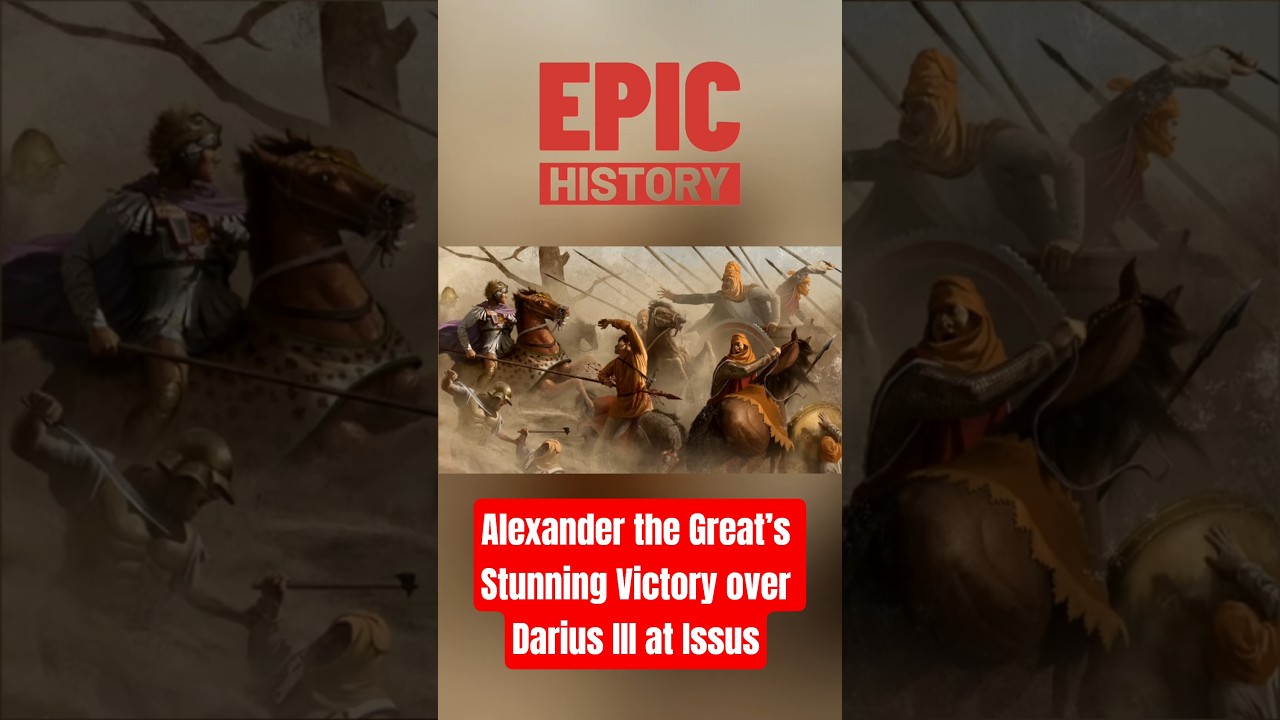
You visualize the crescendo of events as they unfolded on November 5, 333 BCE. The early morning sun cast shadows over the battlefield as Macedonian forces, numbering around 40,000, clashed with Darius’ larger army of approximately 100,000 men. The confrontation initiated with skirmishes, escalating into a full-scale battle, with each phase marked by strategic maneuvers and decisive moments. As you trace the sequence, the chaos and valor of the soldiers emerge, scenes of heroism intermingled with the dread of war.
Initial Engagements
As the conflict unfolded, you witness the initial engagements characterized by cavalry confrontations and the widening arcs of infantry lines. Alexander, with his elite cavalry units, targeted the Persian left flank, seeking to establish dominance early. Meanwhile, Darius engaged in a classic display of Persian strength, amassing his forces for a counter-offensive. The early exchanges, laden with courage and despair, set the tone for what would become a monumental clash.
Critical Tactical Moves
Here, you pivot to Alexander’s critical tactical moves that would ultimately turn the tide of the battle in favor of the Macedonians. His audacious feint towards the Persian center drew Darius’s forces inward. This maneuver, coupled with a synchronized assault on the Persian left flank, effectively shattered the cohesion of Darius’s army. You can almost hear the clash of steel, the shouts of commands, and the roars of men as you envision Alexander’s spearhead piercing through the enemy lines with surgical precision.
Military Strategies Employed
Macedonian Phalanx Tactics
You now delve into the foundational military strategies employed by the Macedonians, particularly the formation of the phalanx. This tactical unit, characterized by rows of heavily armed infantry soldiers known as hoplites, created an impenetrable wall of shields and spears. As you analyze the implications of this formation, you recognize how its disciplined, cohesive structure provided not only defensive advantages but also allowed for aggressive offensives under Alexander’s command. The phalanx acted as an extension of Alexander’s will, adapting fluidly to the chaos of battle.
Persian Army Composition
In contrast, you turn your gaze toward the Persian army, noting its heterogeneous composition consisting of various ethnic contingents, from the elite Immortals to local auxiliaries. While the Persians boasted numerical superiority, their reliance on traditional tactics often undermined their potential effectiveness in combat. The absence of a unified command structure exacerbated their challenges, as the diverse background of the troops contributed to inconsistencies in discipline and morale.
Terrain Utilization in Warfare
Certainly, you appreciate the terrain as a silent yet potent influencer in the course of warfare at Issus. The narrow coastal plain limited the effectiveness of the larger Persian force, compelling Darius to fight in an enclosed space where Alexander’s strategic innovations could shine. You envision the implications of geography, as the Macedonian army, familiar with the environment, utilized the surrounding hills and coastal barriers to their advantage. Such skillful manipulation of terrain ultimately played a pivotal role in shaping the outcome of the battle.
Leadership Styles of Alexander and Darius
Alexander’s Tactical Genius
You cannot overlook the brilliance of Alexander as a military leader. His capacity for adaptation and innovative strategy set him apart as not just a king, but a tactical genius. His decisions were often quick, reflecting an instinctive understanding of battlefield dynamics. You note how he remained present on the front lines, inspiring his troops through his valor, transforming the philosophical ideals of leadership into actions that secured triumph.
Darius’ Command Decisions
On the opposing side, Darius III’s leadership reveals a contrasting narrative. His decisions, though marked by an intention to demonstrate power, often faltered in the face of Alexander’s spontaneity. His intermittent retreats and hesitance to adapt to the immediate realities of battle fueled a perception of indecisiveness. When Darius chose to flee, leaving his army behind to fend for itself, you observe the profound implications of his choices on Persian morale and the eventual outcome of the battle.
Contrast in Leadership Approaches
As you reflect on the duality of leadership styles, you perceive a compelling narrative of contrast. While Alexander embodied the attributes of a charismatic leader, inspiring loyalty and courage, Darius represented the challenges of traditional kingship, hindered by a reliance on established protocols. This dichotomy in their approaches greatly shaped the dynamics of the battle, where winning hearts and minds proved as pivotal as battlefield strategies.
The Role of Geography in the Battle
Description of the Battlefield
Positioned at the narrow grasp of the Amanus Mountains and the Mediterranean Sea, the battlefield at Issus presents contrasting landscapes and deep strategic implications. You can visualize the narrow corridors that hemmed in Darius’s forces, creating a scenario that favored Alexander’s more maneuverable troops. This confined space underscored the vulnerability of the Persian grand strategy, as they struggled against a well-coordinated and relentless opponent.
Weather Conditions and Their Impact
You now bring your focus to the weather conditions that loomed over the battlefield. The shifting winds took on a foreboding nature as rain could ease into a torrential downpour, hampering visibility and affecting troop morale. Such environmental factors further complicated command decisions for Darius. In contrast, the Macedonian soldiers, seasoned under diverse conditions, utilized the weather to infuse adaptability into their maneuvers.
Geographical Advantages for Macedonians
Here, standing in the shoes of a historical analyst, you cannot help but recognize the advantages that geography conferred upon Alexander. The Macedonians, adept at utilizing terrain and space, achieved successful placements that provided both cover and initiative. Each ridge and valley transformed into strategic assets in the hands of a resourceful commander. This edge not only hindered Darius’s forces but also inspired awe among the Macedonian troops, empowering them toward victory.
Aftermath of the Battle
Immediate Consequences for Darius III
As the dust settles on the battlefield, you confront the immediate consequences for Darius III. His retreat marked a psychological blow, creating ripples that would weaken his already fracturing authority. Darius’s forced flight would haunt him, staining his reputation, and ultimately leading to his eventual downfall. The loss of confidence among his generals and soldiers accentuated the rift between aspiration and reality in his rule.
Impact on Greek-Persian Relations
You now broaden your perspective to the wider Greek-Persian relations that unfolded post-battle. The victory for Alexander not only represented a territorial gain but metamorphosed perceptions of power in the ancient world. The struggle for dominance shifted from an imperial perspective to an expansive Greek ambition, reshaping allegiances as former adversaries considered joining forces with the conqueror. The monumental clash invited a redefinition of loyalty among Greek states, some now willing to abandon centuries of antipathy toward each other.
Long-term Effects on Alexander’s Campaigns
Lastly, as you trace the long-term effects of the Battle of Issus on Alexander’s campaigns, a clearer picture of his conquests emerges. This victory served as a springboard for subsequent campaigns, emboldening his resolve to pursue Darius and dismantle the Persian hold over Asia. The momentum created at Issus not only infused confidence within the Macedonian ranks but also established Alexander as a formidable force, redefining the course of history itself.
Key Figures in the Battle
Notable Macedonian Commanders
In contemplating the human elements of the battle, you take note of the notable Macedonian commanders who stood alongside Alexander. Generals such as Parmenion and Cleitus the Black played pivotal roles in orchestrating strategies and rallying the troops. Their loyalty and military prowess provided Alexander with the necessary support and experience to exploit every opportunity. Their actions reverberated through time, as they too contributed to the mythos surrounding Alexander.
Persian Generals and Their Fates
Conversely, you observe the Persian generals, each representing a facet of Darius’s ambitions. Men like Bagoas and Artabazus, who once stood resolutely behind their king, faced dire consequences following the defeat. The fallout from the Battle of Issus imprinted irrevocable fates upon those who had once commanded respect. The narratives of these figures display broader themes of loyalty, betrayal, and the brutal meritocracy that war often engenders.
Influence of Advisors and Soldiers
Beyond the titular generals, you contemplate the palpable impact of advisors and soldiers on the narrative of the battle. Leadership is rarely a solitary path; advisors shaped decisions and strategies through counsel and intelligence. As you reflect on the collective resilience of the soldiers—those ordinary men thrust into the maelstrom—you gain an understanding of how their ardor and resolve contributed to the overwhelming drama of the battlefield.
Cultural and Historical Significance
Mythologizing Alexander’s Victory
In examining the cultural implications of the battle, you see how the victory at Issus became a tool for mythologizing Alexander. The supposed invincibility of Alexander soon transformed into an enduring legend, navigating through artistic expressions and literary narratives. You ascertain the potential for propaganda, as his accomplishments were portrayed far beyond mere military triumph, redefining how rulers and conquerors would be remembered.
Battle’s Impact on Military History
You now contemplate the implications of the Battle of Issus on military history. This conflict illuminated tactical innovations that would become intrinsic to military strategy worldwide. The emphasis on mobility, adaptiveness, and the effective use of terrain established a template that military leaders would study and emulate for generations. The legacy of this battle endured far beyond its time, influencing field strategies and command structures.
Cultural Exchanges Post-Battle
Finally, the cultural exchanges that unfurled after Issus reveal a tapestry of interaction that would shape the ancient world. Hellenization began to permeate the territories once controlled by Persia, fostering a blend of Greek and Eastern cultures. You reflect upon how Alexander’s campaigns set the stage for dynamic cultural exchanges that would draw connections between disparate peoples, paving the way for future interactions.
Comparative Analysis with Other Historic Battles
Similarities with Previous Conflicts
As you draw comparisons with other historic battles, the similarities with earlier confrontations come into focus. The principles of strategy, the importance of troop mobility, and the significance of morale emerge as common threads woven through history. You see echoes of earlier conflicts, where the clash of ideologies often determined not just the fate of armies, but the shaping of nations.
Differences from Later Battles
However, you also note how Issus diverges from later battles in the effectiveness of leadership and innovation. While future conflicts would witness heavier reliance on technology and mass formations, the personal engagement and tactical ingenuity displayed at Issus were emblematic of an era where individual leadership could tilt the scales. The contrast serves as a reminder of the evolution of warfare through time.
Lessons Learned from Issus
In your retrospective analysis, lessons learned from the Battle of Issus resonate through the ages. It encapsulates the significance of adaptability in warfare, the need for cohesive command structures, and the pivotal role of geography in determining outcomes. These lessons continue to bear relevance in contemporary military considerations, reinforcing the notion that the past often serves as a mirror to our present.
Conclusion
Summary of Key Outcomes
Stepping back into a reflective stance, you summarize the key outcomes of the Battle of Issus. The victory not only affirmed Alexander’s place in history as a conqueror but also marked a critical juncture in the ongoing struggle between East and West. For Darius III, it signaled the beginning of a downward spiral from which his reign would never recover. The cultural, military, and political echoes of Issus would resound through time, shaping the contours of history.
Legacy of the Battle of Issus
You grasp the profound legacy of the Battle of Issus that transcends its immediate consequences. As a nexus of bravery, strategy, and human drama, it marked a pivotal moment that redefined not only the future of a king but the trajectories of empires. The battle’s narrative encapsulates themes of ambition, resilience, and the relentless pursuit of greatness—a legacy that challenges and inspires generations.
Reflection on Alexander’s Continuing Influence
Lastly, your contemplation leads you to reflect upon Alexander’s lasting influence. His name endures through ages as a symbol of unyielding determination and calculated audacity. The reflections drawn from Issus extend beyond mere history; they serve as cautionary tales and reflective points for leaders, inspiring those who seek to challenge the status quo. Thus, as you consider the annals of time, you realize that the ripples of the past cast long shadows on the present, reminding you of the enduring human spirit.
In conclusion, the Battle of Issus stands not merely as an account of military might but as a testament to human ambition and the indomitable nature of leadership. Through this lens, you are invited to explore the confluence of history, culture, and strategy, ever vigilant in recognizing the lessons that can be gleaned from the monumental seas of the past.