
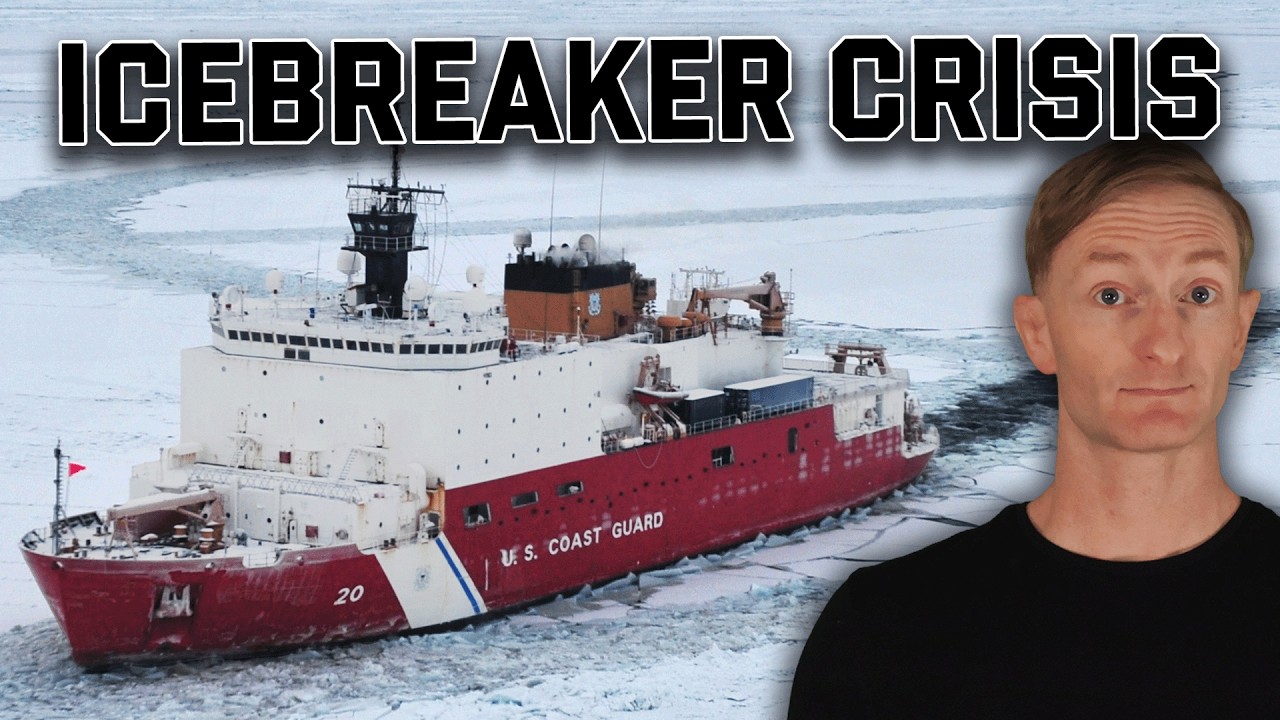
The U.S. Coast Guard is currently facing significant challenges regarding its icebreaker fleet, which has been under strain for years. As Arctic conditions evolve and geopolitical tensions mount, the urgency to bolster this fleet has intensified. This article examines the current state of the Coast Guard’s polar capabilities, focusing on essential vessels, including the USCGC Polar Star, USCGC Healy, and the recently acquired USCGC Storis.
Additionally, the article discusses critical initiatives aimed at modernizing the fleet, such as the Polar Security Cutter and Arctic Security Cutter programs. These efforts are pivotal for maintaining maritime security, supporting sovereignty patrols, and facilitating missions across polar regions, including Operation Deep Freeze in Antarctica. Understanding the significance of these operations will shed light on the pressing need for a robust icebreaker fleet to navigate an increasingly contested Arctic landscape.
Overview of the Coast Guard’s Icebreaker Fleet
Current Composition of the Icebreaker Fleet
The United States Coast Guard’s icebreaker fleet is a vital component in the realm of Arctic operations, yet it has experienced significant strain due to an aging and limited number of vessels. Currently, the fleet consists primarily of three operational icebreakers: the USCGC Polar Star, the USCGC Healy, and the USCGC Storis. The Polar Star, a heavy icebreaker, was commissioned in 1976 and has been crucial for maintaining American presence and capabilities in polar regions. The Healy, introduced in 1999, is classified as a medium polar icebreaker and has been employed for scientific research missions, while the Storis, acquired more recently, represents a modest reinforcement of the fleet’s capabilities. Collectively, these vessels are often stretched thin by increasing operational demands, particularly as interests in the Arctic intensify due to climate change and geopolitical shifts.
Functions and Capabilities of Different Classes of Icebreakers
Icebreakers fulfill multifaceted roles that extend beyond mere navigation of icy waters. Heavy icebreakers like the Polar Star are specifically designed to break through thick ice, allowing for the passage of other vessels and supporting logistics. These vessels are equipped with powerful engines and reinforced hulls to withstand harsh Arctic conditions. In contrast, medium icebreakers such as the Healy are adapted for research and logistical support, featuring capabilities like modern scientific labs and telecommunication systems that facilitate data collection and exploration in the polar environment. Each class of icebreaker embodies unique specifications that cater to distinct operational imperatives, ensuring the Coast Guard can respond accordingly to various maritime challenges.
Comparison with Other Nations’ Icebreaker Fleets
When examining the U.S. Coast Guard’s fleet, it becomes critical to consider the capabilities of icebreakers from other nations. Countries such as Russia and Canada possess more extensive fleets, with Russia leading the world in the number of operational icebreakers. The Soviet Union’s historical investments in Arctic naval capability have resulted in a series of modern heavy and medium icebreakers that assert control over Northern waters. Meanwhile, Canada’s icebreakers, like the CCGS Louis S. St-Laurent, emphasize sovereignty and serve dual roles in both navigation and scientific endeavors. The comparative analysis illustrates the urgent need for the U.S. to enhance its own capabilities to safeguard national interests in increasingly contested polar regions.
Importance of Icebreakers in Maritime Operations
Supporting Arctic Sovereignty and Territorial Claims
The Arctic has evolved into a strategically significant region, embodying not only ecological intricacies but also vast untapped resources. With melting ice altering accessibility, nations must establish and enforce territorial claims effectively. Icebreakers facilitate this by allowing naval and scientific missions to operate within established maritime boundaries, thereby reinforcing national sovereignty. The presence of U.S. icebreakers in these waters serves as a deterrent to potential encroachment by other states, thus asserting American influence in a rapidly changing geopolitical landscape.
Facilitating Shipping Routes and Trade Through Polar Regions
As climate change continues to alter the physical landscape of the Arctic, new shipping routes are emerging, notably the Northern Sea Route and the Northwest Passage. Icebreakers play a pivotal role in ensuring safe passage along these routes, thus enhancing global trade. The facilitation of these shipping lanes leads to decreased transit times and lower costs for maritime trade, benefiting economies worldwide. However, the emergence of these routes also raises concerns regarding environmental sustainability and the risks associated with increased maritime traffic, emphasizing the need for responsible operations by icebreakers.
Impact on Scientific Research and Environmental Monitoring
Icebreakers are instrumental in conducting vital scientific research in polar regions, particularly in the fields of climate studies and environmental monitoring. These vessels allow scientists to access hard-to-reach locations, thereby gathering data on ice thickness, ocean temperatures, and ecosystem changes. Additionally, as climate change substantially impacts the Arctic environment, icebreakers contribute to ongoing efforts to observe and understand these phenomena, underscoring their irreplaceable role in integrating environmental stewardship with maritime operations.
Historical Context of the Coast Guard’s Icebreaker Fleet
Origins and Evolution of the U.S. Icebreaker Program
The establishment of the U.S. Coast Guard’s icebreaker program can be traced back to the early 20th century, reflecting an acknowledgment of the strategic importance of the Arctic region. The first icebreaker, the USCGC Northwind, commissioned in 1958, laid the groundwork for U.S. presence and operations in icy waters. Over the decades, the program evolved to meet emerging challenges, transitioning from military necessity to environmental, humanitarian, and research-oriented missions. This evolution mirrors the changing role of icebreakers, which now embody a multifaceted approach to maritime policy.
Key Missions of Historical Icebreakers
Historically, icebreakers have participated in a myriad of missions that underscore their significance. Missions such as Operation Deep Freeze, which supports U.S. research efforts in Antarctica, highlight the critical logistics capabilities that icebreakers provide. Additionally, during the Cold War, these vessels served as instruments of national security, projecting power and ensuring navigation rights in polar territories. Such missions firmly establish the importance of icebreakers in promoting both scientific inquiry and national interests.
Challenges Faced Over the Decades
Despite their significance, the U.S. icebreaker fleet has continuously confronted challenges, notably in funding and maintenance. As newer classes of icebreakers emerged globally, the U.S. fleet remained stagnant, resulting in increased operational demands that were difficult to fulfill. Aging infrastructure led to higher maintenance costs and operational downtimes, restricting the Coast Guard’s capacity to execute its missions effectively. Thus, the historical context paints a picture of resilience amidst mounting pressures, setting the stage for current challenges.
The Icebreaker Crisis: Current Challenges
Aging Fleet and Maintenance Issues
The age of the Coast Guard’s icebreaker fleet poses significant challenges that threaten operational effectiveness. The Polar Star, despite being a crucial asset, is over four decades old, and the resulting wear affects its performance and reliability. With increasing maintenance requirements and fewer vessels available, the Coast Guard faces a precarious situation where mission execution is jeopardized, underscoring the urgency needed for a robust replacement program.
Increasing Operational Demands in the Arctic
The Arctic region has witnessed a considerable uptick in operational demands, driven by geopolitical tensions, climate change, and burgeoning commercial interests. This escalation necessitates a more substantial and capable icebreaker fleet to adequately address the challenges posed by increased shipping traffic, resource exploration, and national security needs. The Coast Guard must recognize that failing to adapt to the crisis could diminish U.S. influence in a strategically vital area.
Impact of Climate Change on Ice Conditions
Climate change significantly transforms the Arctic’s ice conditions, which presents complexities for operational planning. The unpredictable nature of ice formation complicates traditional navigation timelines and requires icebreakers to adapt rapidly to changing circumstances. As environmental changes accelerate, the Coast Guard must account for these fluctuations, ensuring that its fleet remains capable of addressing novel challenges in the dynamic Arctic landscape.
Program for Replacement: Polar Security Cutter
Overview of the Polar Security Cutter Program
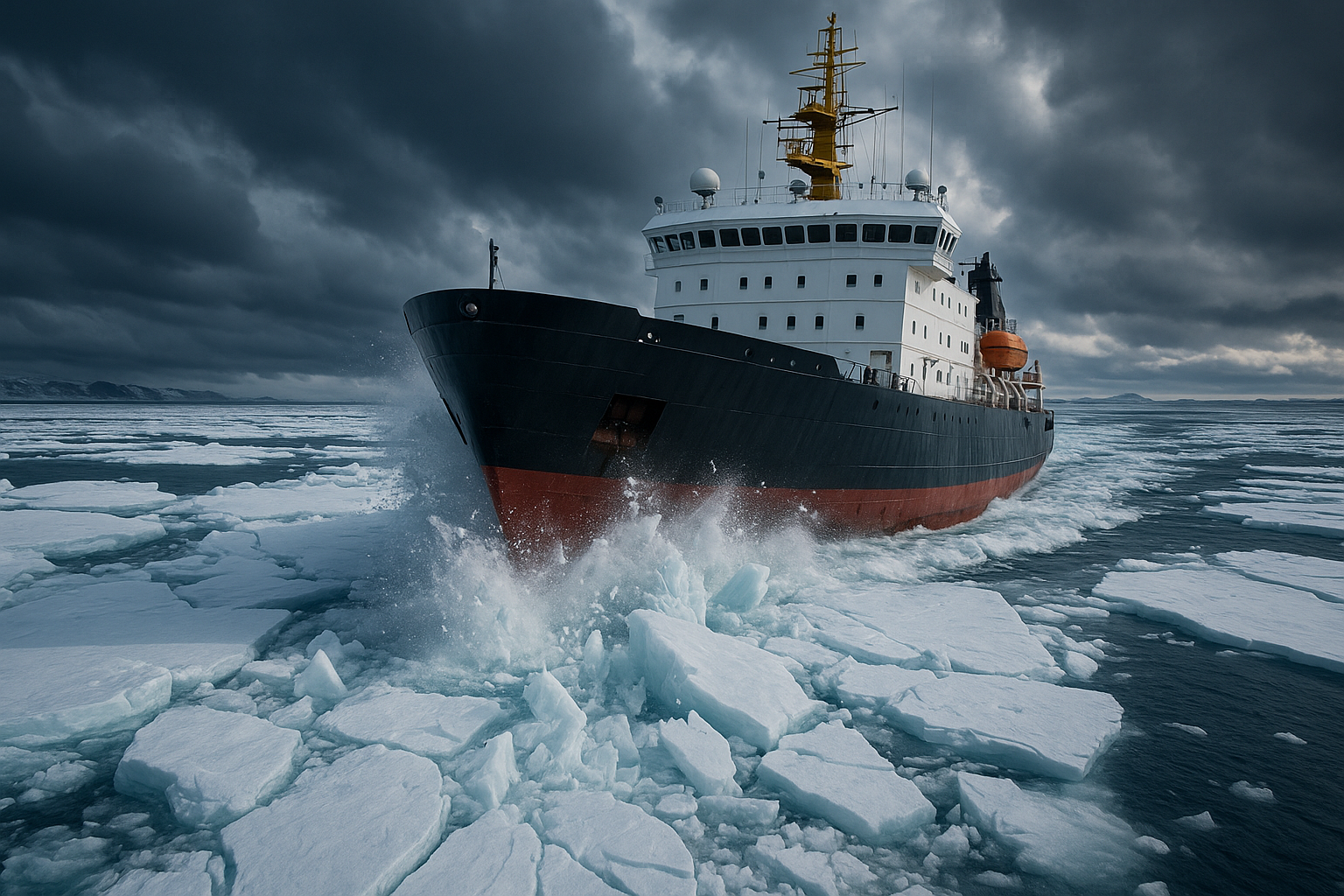
In recognition of the urgent need for enhanced capabilities, the Coast Guard has initiated the Polar Security Cutter program, aimed at constructing new heavy icebreakers to rejuvenate the fleet. This program, a response to the pressing challenges faced by the existing fleet, signifies a commitment to restoring a robust icebreaking capacity that aligns with national interests in polar regions. The program is expected to deliver state-of-the-art vessels designed for contemporary operational demands.
Expected Capabilities of the New Heavy Icebreakers
The new heavy icebreakers under the Polar Security Cutter program are anticipated to offer advanced technologies and enhanced operational capabilities. These vessels will not only feature reinforced hulls capable of navigating through thinner and fluctuating ice but will also incorporate modern systems for improved energy efficiency and reduced environmental impact. The integration of advanced research equipment will further enable scientific exploration, demonstrating a multifunctional approach to Arctic operations.
Timeline and Challenges in the Construction Process
While the Polar Security Cutter program embodies a strategic step forward, its success hinges on navigating various challenges tied to construction and delivery timelines. Initial projections suggest that the first vessel could be operational within the late 2020s; however, challenges such as funding fluctuations and supply chain disruptions may impact this timeline. The Coast Guard’s ability to see the program through to fruition will be pivotal in addressing the icebreaker crisis.
Development of the Arctic Security Cutter Program
Goals and Objectives of the Arctic Security Cutter Program
Complementing the Polar Security Cutter program, the Arctic Security Cutter program seeks to enhance the Coast Guard’s operational presence through the construction of medium icebreakers. The objectives of this program include bolstering maritime security, supporting icebreaking missions, and enhancing scientific research capabilities in Arctic waters. Together, these programs aim to develop a comprehensive icebreaker fleet responsive to contemporary challenges.
Contract Awards and Partnerships
The Arctic Security Cutter program has already seen significant advancements, with contract awards for the construction of eleven new medium icebreakers. Partnerships with leading shipbuilding entities underline a commitment to expediting development and ensuring modern specifications are met. The collaborative approach not only fosters innovation but also strengthens the U.S. shipbuilding industry, ensuring that operational demands are met efficiently.
Projected Impact on the Coast Guard’s Operational Capability
The integration of new cutters under the Arctic Security Cutter program is projected to significantly enhance the Coast Guard’s operational capability in polar regions. As the fleet expands and modernizes, the Coast Guard will be better positioned to conduct missions ranging from search and rescue to environmental monitoring. The modernization efforts reflect an understanding of the Arctic’s evolving landscape and the necessity for a proactive approach to maritime operations.
Geopolitical Significance of the Arctic
Emerging Contenders for Arctic Influence
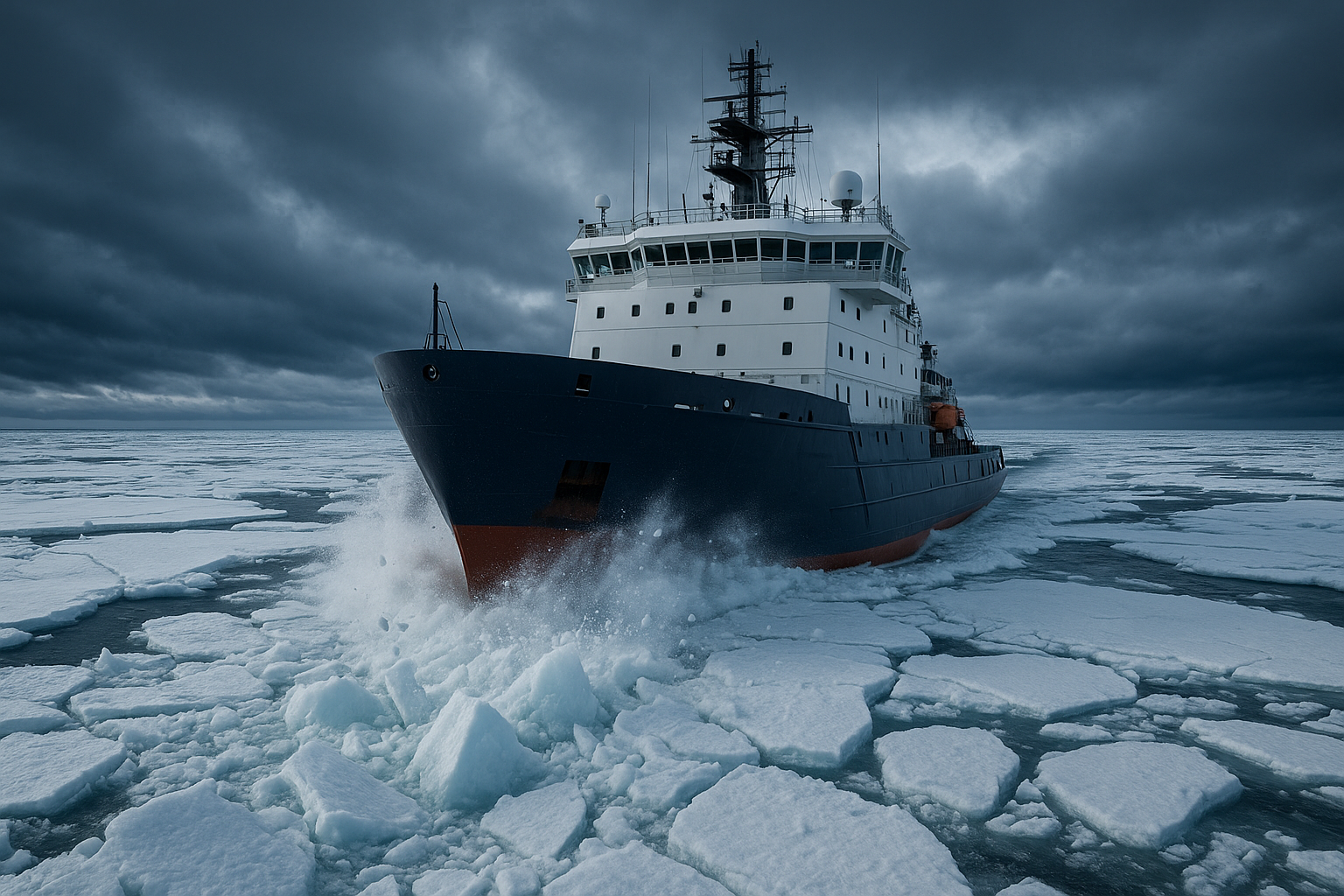
The Arctic region is increasingly becoming a focal point of geopolitical contention, with multiple nations vying for greater influence and resources. Countries such as Russia, Canada, and China have ramped up their activities in the region, conducting military drills, establishing bases, and expanding their icebreaking fleets. This burgeoning interest underscores the necessity for the United States to assert its influence through effective Arctic policy and operational readiness.
Strategic Importance of the Arctic in Global Affairs
The Arctic holds significant strategic importance, particularly as shipping routes become more accessible due to melting ice. Control over these vital passages will facilitate global trade and resource extraction, rendering the Arctic a key area of focus in contemporary international relations. Furthermore, the geopolitical ramifications of climate change extend beyond national interests, as they invoke wider discussions on environmental stewardship and sustainable practices in navigational spheres.
Implications for National Security
The implications of Arctic developments for national security cannot be overstated, as increasing tensions require vigilant oversight. A robust icebreaker fleet will not only project power but also provide critical support for establishing and maintaining territorial claims. Strengthening the Coast Guard’s presence in these waters reinforces national security measures, ultimately solidifying U.S. interests in an increasingly contested environment.
Environmental Considerations and Icebreaking
Role of Icebreakers in Environmental Protection Efforts
While icebreakers are crucial for facilitating access and navigation in the Arctic, they also play an essential role in environmental protection efforts. These vessels often participate in research missions that examine ecosystem changes, pollution levels, and the impacts of climate change on local habitats. The Coast Guard’s operational focus increasingly integrates environmental stewardship, recognizing the importance of protecting sensitive polar regions while conducting necessary maritime operations.
Balancing Maritime Activity with Conservation
The challenge of balancing maritime activity with environmental conservation is paramount in the Arctic, where ecosystems are fragile and vulnerable to disturbances. Icebreakers must employ strategies that minimize ecological footprints while conducting missions. The implementation of best practices for navigation and research data collection ensures that icebreakers contribute to the preservation of marine environments while fulfilling their operational mandates.
Innovations in Eco-Friendly Icebreaking Technologies
As awareness of environmental impacts grows, the development of eco-friendly icebreaking technologies becomes increasingly vital. The integration of alternative energy sources, advanced hull designs, and eco-conscious operational practices can significantly reduce the ecological footprint of icebreakers. By committing to innovation in this sphere, the Coast Guard exemplifies a dedication to safeguarding the Arctic environment while maintaining its operational integrity.
The Future of Coast Guard Operations in Polar Regions
Long-Term Strategy for Icebreaker Fleet Expansion
Looking ahead, an expanded icebreaker fleet is critical for maintaining the Coast Guard’s operational readiness in polar regions. A long-term strategy that emphasizes a comprehensive approach to fleet expansion will ensure enhanced capabilities required to navigate the evolving maritime landscape. Effective management of resources, public engagement, and sustained investment will be essential in realizing a multifaceted operational framework.
Integration of Technology and Innovation in Fleet Operations
The future of icebreaker operations will increasingly depend on the integration of cutting-edge technologies and innovative practices. Advances in automation, navigational tools, and communication systems will enable improved operational efficiencies, allowing the Coast Guard to respond adeptly to emerging challenges. The fusion of technology with traditional operational expertise will empower the fleet to navigate the complexities of the Arctic effectively.
Collaborations with Other Agencies and Nations
Collaborative efforts will play a pivotal role in enhancing the Coast Guard’s operational capabilities in polar regions. Engaging with other federal agencies, international partners, and scientific organizations will foster a cooperative approach to addressing shared challenges. Through partnerships, resources can be pooled, knowledge can be shared, and unified efforts can be made to bolster maritime security and environmental stewardship in the Arctic.
Conclusion
Summary of the Urgency to Rebuild the Icebreaker Fleet
The necessity to rebuild the Coast Guard’s icebreaker fleet has reached a critical juncture, driven by aging vessels, increasing operational demands, and the geopolitical significance of the Arctic. The urgency of this situation compels immediate attention to revitalizing the fleet, ensuring that the U.S. can effectively navigate the rapidly changing maritime landscape.
Final Thoughts on the Implications for U.S. Arctic Strategy
The Coast Guard’s icebreaker fleet embodies the intersection of national security, environmental stewardship, and international influence. As the Arctic evolves into a focal point of global concern, a robust icebreaker fleet becomes indispensable for asserting U.S. interests and leadership in the region. Strategic investments will serve as the foundation for a proactive Arctic strategy that prioritizes both operational readiness and ecological integrity.
Call to Action for Support and Investment in the Coast Guard
In light of the challenges and opportunities ahead, it is paramount that stakeholders, including policymakers, industry leaders, and the public, advocate for sustained support and investment in the Coast Guard’s icebreaking capabilities. The commitment to rebuilding and modernizing the icebreaker fleet is not merely a national imperative; it is essential for ensuring a balanced approach to U.S. maritime operations in the Arctic for generations to come.