
The Strait of Hormuz, a critical maritime passage, plays a pivotal role in global energy security and international trade. Understanding the complexities involved in reopening this vital waterway necessitates an examination of the multifaceted challenges presented by geopolitical tensions, military capabilities, and strategic interests. This analysis will illuminate how the United States Navy confronts these issues while aiming to secure safe passage for commercial vessels amidst a landscape marked by potential threats, including anti-ship missiles.
In exploring the operational difficulties associated with the reopening of the Strait, you will gain insight into the nuances of contemporary military strategy and the implications for regional stability. This discourse will address the significant obstacles that must be navigated and the broader consequences for international diplomacy and economic lifelines. Engaging with the detailed narratives surrounding this issue will enrich your understanding of its significance on a global scale.
Overview of the Strait of Hormuz
Geographical Importance
The Strait of Hormuz occupies a critical geographical location as a narrow, 21-mile-wide waterway linking the Persian Gulf to the Gulf of Oman and the Arabian Sea. This strait serves as the primary maritime passage for the transportation of oil, with estimates suggesting that about 20% of the world’s oil supply transits through it daily. Its edges are defined by the coasts of Iran to the north and Oman and the United Arab Emirates to the south, illustrating a complex interplay of regional dynamics and international interests. You might consider the strait not merely as a bottleneck for maritime traffic, but as a linchpin in the global energy supply chain, making its security and accessibility paramount to economic stability worldwide.
Historical Significance
Historically, the Strait of Hormuz has been a theater of conflict and diplomacy. The rise of oil as a global commodity in the twentieth century marked the beginning of heightened interest in this strategic passageway. From the British Empire’s colonial pursuits in the 19th century to contemporary tensions involving various nations, the strait’s historical tapestry is woven with episodes of exploration, territorial claims, and military confrontations. You may find it pertinent to acknowledge that the evolution of naval power in the region reflects broader geopolitical shifts, with each era defining access to this vital corridor.
Economic Impact on Global Oil Supply
The economic implications of the Strait of Hormuz’s operations cannot be overstated. For you, the ramifications extend beyond simple supply and demand economics; disruptions here can lead to price volatility on a global scale. Fluctuations in oil supply due to geopolitical tensions often trigger immediate reactions in commodity markets, impacting not only prices but also economic forecasts across nations. Additionally, the strait’s influence touches on alternate energy strategies, as reliance on oil from this region compels countries to assess their energy security and diversify their energy portfolios.
Current Geopolitical Climate
Tensions Among Regional Powers
As you analyze the current geopolitical dynamics surrounding the Strait of Hormuz, heightened tensions among regional powers such as Iran, Saudi Arabia, and various Gulf Cooperation Council (GCC) members come into sharp focus. An ongoing rivalry rooted in ideological differences and territorial ambitions complicates the landscape. You may particularly note how Iran’s assertive posturing, including military exercises and aggressive rhetoric, has escalated concerns over freedom of navigation in the strait, prompting defensive measures from its neighbors and global superpowers alike.
US Military Presence and Strategy
The United States maintains a significant military presence in the Gulf region, recognizing the strategic importance of the Strait of Hormuz. This presence is characterized by naval fleets, air bases, and cooperative engagements with regional allies. You should consider how U.S. military strategy aims to assure free passage for commercial vessels, deter hostile actions, and project power in the face of Iranian aggression. However, this complex web of military partnerships can also foster resentment among certain factions, complicating relations further.
Iran’s Influence and Military Capabilities
Iran’s role in the geopolitical landscape of the Strait is profound, underpinned by its military capabilities and asymmetric warfare strategies. As you examine Iran’s regional influence, it becomes evident that their arsenal includes anti-ship missile systems and naval assets designed to threaten shipping lanes, which you may find to be a critical dimension of their defense policy. The evolution of Iran’s military doctrine reflects their intent to assert control over this vital passage and leverage it as a bargaining chip in international negotiations.

Potential Scenarios for Reopening
Diplomatic Negotiations
A potential reopening of the Strait of Hormuz hinges significantly on successful diplomatic negotiations among regional and global powers. You may consider how platforms like the United Nations or bilateral talks could serve as forums for de-escalation and resolution. The complexities of gaining consensus from nations with entrenched positions and historical grievances underscore the challenges that lie ahead. However, as history has shown, effective diplomacy could pave pathways for stability and reduce the risks associated with military engagement.
Military Interventions
Conversely, military interventions represent a more immediate but fraught option for securing the strait. You must account for the stark realities connected to such a course of action, including the potential for escalation into broader conflict. Military initiatives could involve coalition forces tasked with ensuring freedom of navigation and deterring hostile acts, yet this strategy could also provoke fierce responses from Iranian forces, complicating the geopolitical situation further.
Joint Operations with Ally Nations
The prospect of joint operations with ally nations to secure the strait could emerge as a viable scenario, drawing upon collective defence frameworks and shared military resources. Such collaborative efforts, you could argue, would not only enhance security but also foster greater cooperation among nations with shared interests. You should also recognize the inherent challenges in executing joint operations, particularly in aligning strategic objectives, avoiding misunderstandings, and addressing the diverse military capabilities of involved partners.
Obstacles to Reopening
Risk of Anti-Ship Missile Attacks
One of the foremost dangers associated with reopening the Strait of Hormuz involves the risk of anti-ship missile attacks. Armed with enhanced capabilities, Iranian forces have demonstrated the ability to target vessels navigating the strait. You may find it essential to consider how the threat of such missile systems serves as both a deterrent and a source of insecurity for both commercial and military ships, inhibiting free passage and potentially triggering military responses.
Naval Mines and Maritime Security Threats
Naval mines pose another significant hurdle in endeavors to reopen the strait. You should examine how these indiscriminate weapons can rapidly compromise maritime safety, as well as the logistical challenges associated with mine clearance operations. The historical use of naval mines in regional conflicts illustrates how such tactics can disrupt shipping lanes, complicate military responses, and exacerbate tensions among nations.
Piracy and Non-State Actors
The specter of piracy and the involvement of non-state actors also adds layers of complexity to the reopening of the Strait of Hormuz. As you analyze these threats, you might reflect on how piracy not only imperils commercial shipping but also heightens geopolitical tensions by introducing unpredictable elements into maritime security operations. The need to address the intricacies of policing international waters becomes evident, necessitating cooperative engagements that extend beyond traditional military responses.
Role of the US Navy
Naval Capabilities in the Region
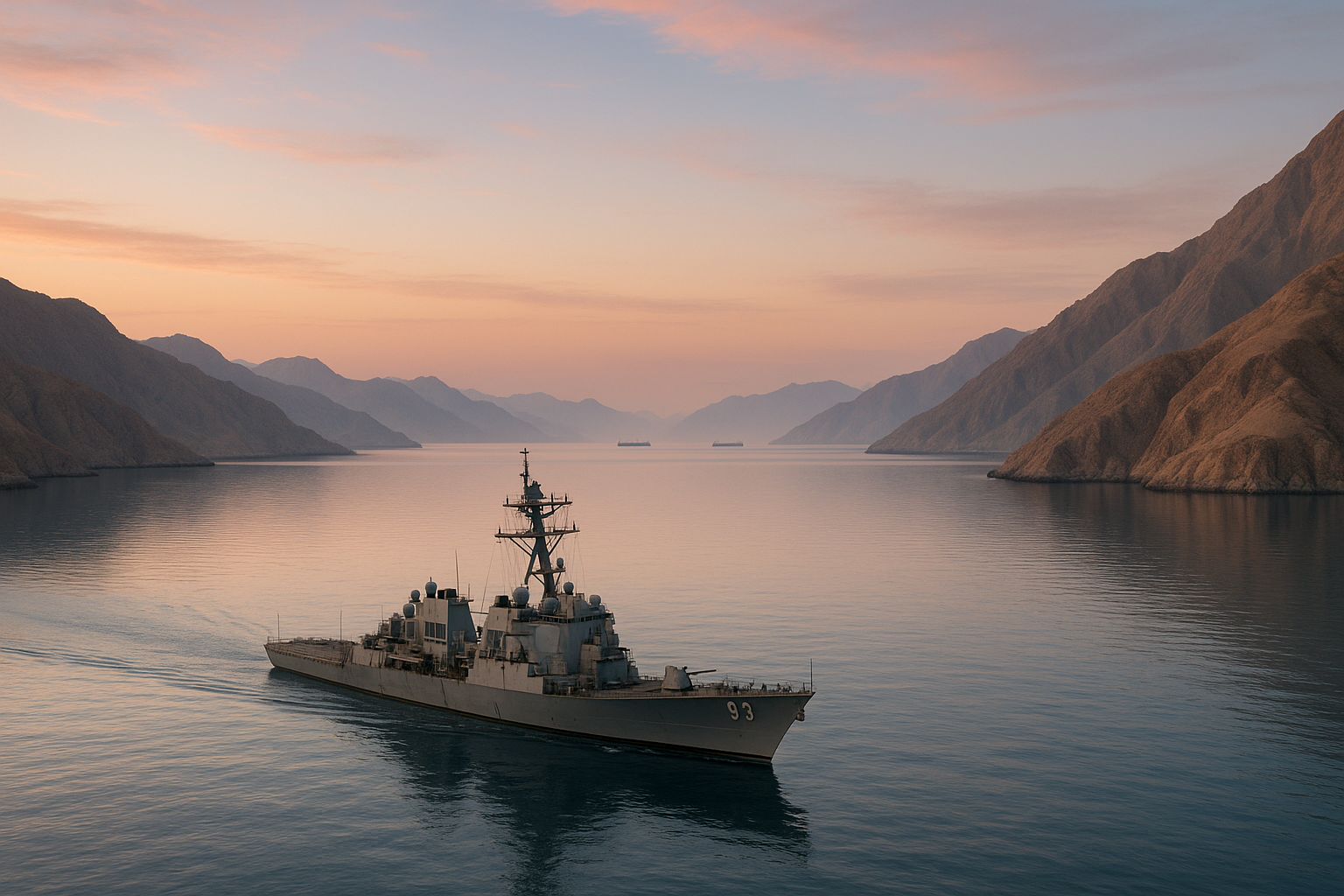
The United States Navy plays a pivotal role in addressing maritime security in the Strait of Hormuz, utilizing a spectrum of naval capabilities designed for both deterrence and operational effectiveness. You might consider the diverse array of assets at their disposal, including carrier strike groups, amphibious forces, and surveillance technologies, which together create a formidable presence in the region. This naval power acts as a stabilizing force, reassuring allies and deterring adversarial actions.
Operational Strategies for Securing the Strait
As you delve into the operational strategies, it becomes clear that the U.S. Navy employs a comprehensive approach, combining freedom of navigation operations with engaging regional allies. You may appreciate how these strategies seek to provide a visible deterrent while also enabling rapid response capabilities in the event of aggression. The U.S. Navy’s ability to coordinate multinational exercises and build partnerships reflects a multi-faceted approach to ensuring security in the strait.
Logistical Challenges Faced by the Navy
Despite its capabilities, the U.S. Navy faces significant logistical challenges in the region. As you assess these challenges, you may find it critical to examine issues such as supply chain vulnerabilities, the maintenance of assets in a demanding operational environment, and the need for intelligence-sharing among partner nations. The intricate web of logistics must be navigated to ensure that naval forces can operate effectively amidst potential threats.
International Responses and Perspectives
Reactions from Gulf States
You may find it illuminating to analyze the varied responses from Gulf states concerning the situation in the Strait of Hormuz. Nations such as Saudi Arabia, the UAE, and others within the GCC share a vested interest in maintaining security; however, their responses often reflect divergent strategic priorities and approaches toward engagement with Iran. These responses can shape regional dynamics, with some opting for heightened military readiness while others may pursue diplomatic avenues.
Global Economic Powers’ Interests
The reactions of global economic powers to events in the Strait are pivotal, given its significance in the global oil supply chain. As you reflect on the responses from nations like China, India, and the European Union, it becomes evident that economic dependencies lead to a complex interplay of interests that can influence global diplomatic efforts. These powers, concerned with the ramifications of any disruption, often utilize their economic leverage to advocate for stability.
Impact on International Relations and Alliances
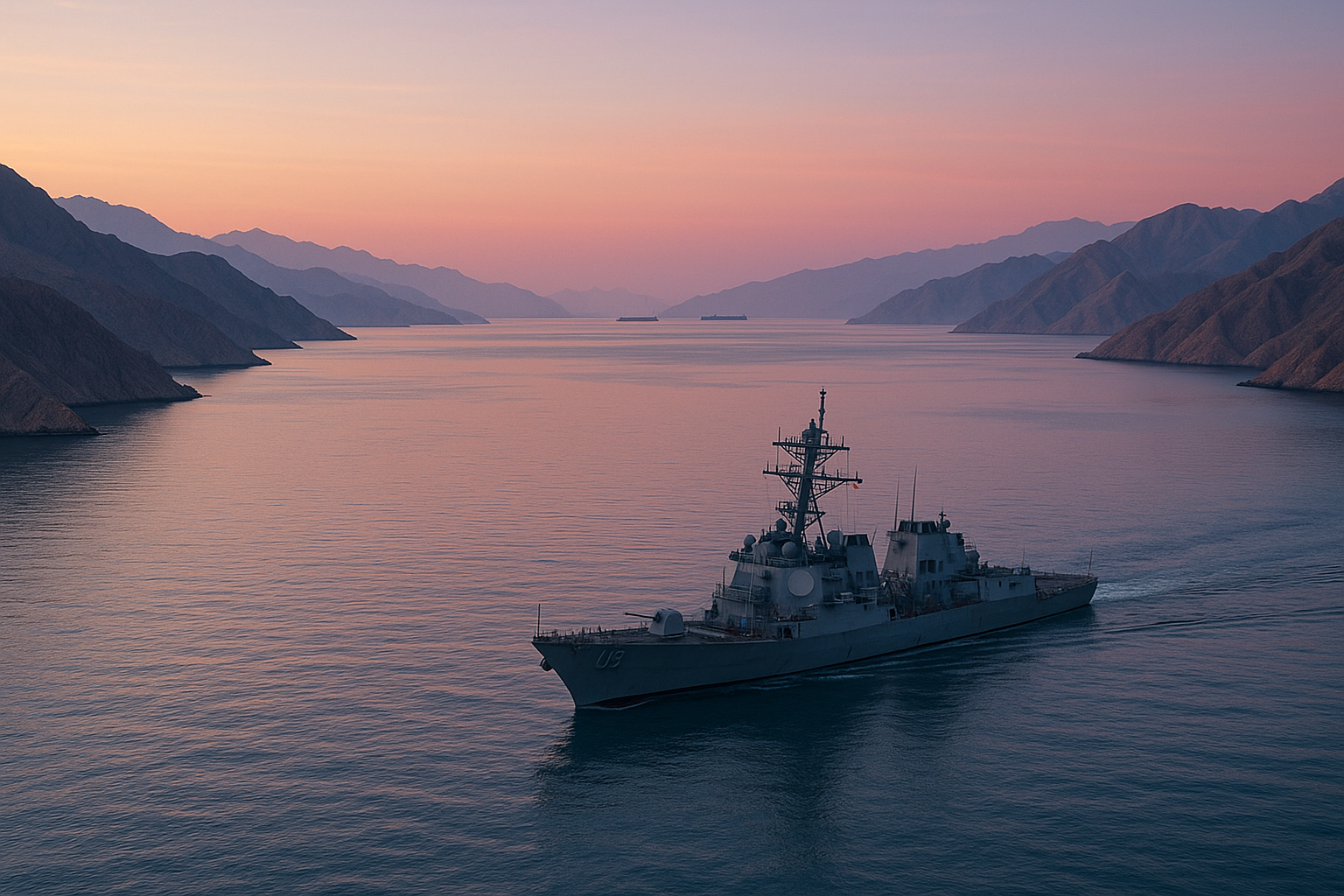
The evolving conditions around the Strait of Hormuz serve as a backdrop for reshaping international relations and alliances. You might consider how alliances are tested and forged in the context of maritime security challenges, as nations grapple with varying threat perceptions and engagement strategies. The interplay between traditional alliances and emerging partnerships raises questions about the future of diplomatic relations in a multipolar world.
Impact on Global Oil Markets
Short-term Effects on Oil Prices
The global oil markets are acutely sensitive to developments around the Strait of Hormuz, particularly in the short term. You may examine how fluctuations in supply due to geopolitical tensions can lead to immediate increases in oil prices, contributing to economic uncertainty. Investor sentiment often sways in response to news from the region, underscoring the interconnectedness between political stability and market reactions.
Long-term Supply Chain Considerations
Over the long term, the stability of the Strait of Hormuz remains paramount to global supply chain strategies. As you ponder its implications, the discourse around diversifying energy sources becomes increasingly relevant, prompting nations to consider alternatives to oil transported through the strait. This shift could result in changes to energy policy, innovation in extraction technologies, and investments in renewable energy, reflecting a broader transition in the energy landscape.
Alternative Shipping Routes and Strategies
In light of potential disruptions, the examination of alternative shipping routes becomes inevitable. You may reflect on previous considerations of bypassing the Strait of Hormuz through routes such as the Bab el-Mandeb Strait or even overland pipelines extending to incipient markets. These strategies might mitigate some risks associated with excessive reliance on one corridor, but they also require substantial political will and infrastructural investment.
Technological Advancements in Naval Warfare
Development of Anti-Ship Missile Systems
As the threat landscape evolves, advancements in maritime technology have a lasting impact on naval warfare, particularly through the development of anti-ship missile systems. You should consider how these technologies have changed the dynamics of power at sea, empowering nations such as Iran to project force and defend their interests in the Strait of Hormuz. The proliferation of these capabilities underscores the pressing need for countermeasures from global powers in response.
Evolution of Naval Defense Mechanisms
Corresponding to advancements in offensive capabilities is the evolution of naval defense mechanisms. You might explore how navies worldwide are investing in newer technologies for detection, interception, and engagement to protect commercial and military vessels navigating hostile waters. The discussion of maritime drones, electromagnetic weapons, and layered defense systems reflects a fast-evolving combat environment that challenges traditional naval doctrines.
Future Trends in Maritime Warfare Technology
The future of maritime warfare technology is set to reshape strategic paradigms governing the Strait of Hormuz. Consider the implications of artificial intelligence, automation, and unmanned systems as they redefine engagements at sea. As you assess the trajectory of maritime technology, you may ponder how these trends will not only enhance operational capabilities but also dictate future naval doctrine and cooperation strategies among allied nations.
Comparative Analysis with Other Strategic Waterways
Suez Canal Dynamics
You might consider the Suez Canal as an intriguing comparative case regarding maritime chokepoints. Much like the Strait of Hormuz, the Suez Canal is critical for international shipping and trade. However, the dynamics of political control, the role of international law, and historical precedents illustrate the distinctive challenges posed by each waterway. Analyzing these contrasts can provide deeper insights into the broader implications of securing critical maritime passages.
Strait of Malacca Security Concerns
The Strait of Malacca serves as another pivotal waterway, often regarded as the second most important chokepoint after Hormuz. As you investigate the security concerns surrounding Malacca, consider how piracy, regional geopolitics, and the interplay of major powers create a landscape that mirrors some aspects of the situation in the Hormuz. Comparative examinations between these straits enhance your understanding of regional security in maritime routes and global trade networks.
Lessons from Previous Conflicts in Maritime Chokepoints
Historical conflicts related to maritime chokepoints offer valuable lessons, particularly in understanding how geopolitical interests can culminate in strife. You may reflect on examples such as the Gulf of Tonkin incident or the violent confrontations in the Gulf region during the 1980s. These historical precedents serve as reminders of the delicate balance that governs navigation rights and military operations in contested waters.
Conclusion
Summary of Key Points
In dissecting the complexities of the Strait of Hormuz, you have traversed a landscape teeming with geopolitical significance, economic implications, and security challenges. You’ve observed how external powers, regional tensions, and evolving maritime technologies intersect to create a dynamic and often perilous environment. The potential pathways toward reopening the strait reflect both the intricate dance of diplomacy and the specter of military intervention alike.
Future Outlook on Strait of Hormuz
Looking forward, the prospects for the Strait of Hormuz hinge upon a myriad of factors, including diplomatic engagement, military readiness, and international cooperation. You may find it essential to appreciate that while the strait remains fraught with risks, it is also a potential site for innovative solutions and collaboration among nations. The encourage for strategic dialogues may ultimately lead to lasting stability in a region marked by uncertainty.
Call for Continued Global Engagement
In closing, the call for continued global engagement is paramount in ensuring the security and accessibility of the Strait of Hormuz. You may advocate for multifaceted approaches that emphasize diplomacy, cooperation, and technological innovation as strategies to navigate the tumultuous waters ahead. The intertwined fates of regional and global powers within this critical maritime corridor reflect the broader challenges of an increasingly interconnected world, necessitating robust frameworks for collaboration and peace.