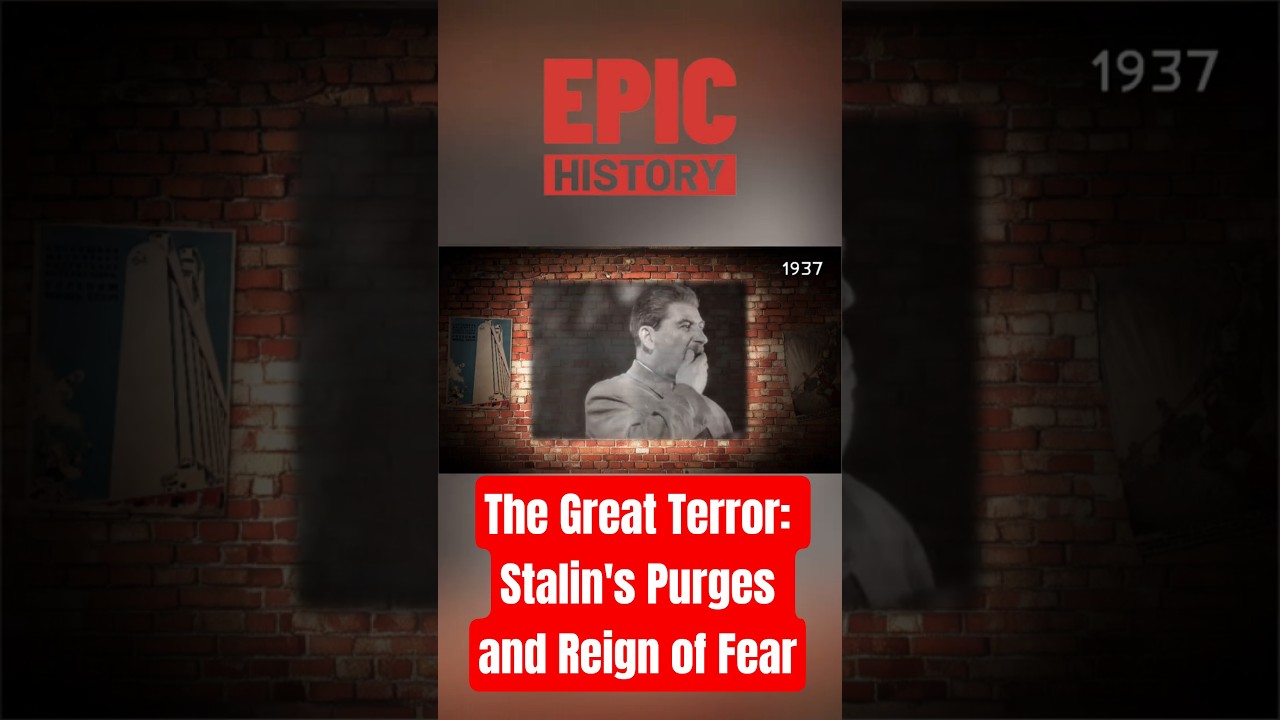
The Great Terror represents a pivotal chapter in Soviet history, characterized by the systematic purges orchestrated by Joseph Stalin between 1936 and 1938. This dark period saw the eradication of political opponents, intellectuals, and ordinary citizens, all driven by Stalin’s paranoia following the assassination of political figure Sergei Kirov. The enforcement of terror resulted in the execution of over 700,000 individuals and the displacement of millions to labor camps, known as the Gulag, fundamentally altering the fabric of the Communist Party and ensuring Stalin’s firm grip on power.
This article examines the wide-ranging implications of the Great Terror, highlighting the impact on the Red Army’s structure and the pervasive climate of fear that turned citizens into informants. By analyzing key figures like NKVD head Nikolai Yezhov and their role in show trials marked by coerced confessions, you will gain insight into how the repression not only devastated lives but also reshaped the trajectory of Soviet governance. In exploring these events, the discussion underscores the enduring lessons from this historical episode concerning the dangers of authoritarianism and the pervasive consequences of unchecked power.
Historical Context
Overview of the Soviet Union in the 1920s and 1930s
In the backdrop of early Soviet history, the 1920s and 1930s were marked by profound transformation and instability. Following the Bolshevik Revolution of 1917, the country faced the challenges of rebuilding amidst civil strife, economic ruin, and the backlash of internal and external opposition. During the 1920s, the New Economic Policy (NEP) was instituted by Vladimir Lenin to revitalize the economy by allowing limited market mechanisms. However, resentment towards the NEP led to ideological conflicts within the Communist Party, laying fertile ground for the emergence of a more authoritarian regime. As the decade transitioned into the 1930s, the agrarian reforms and rapid industrialization campaigns initiated by Joseph Stalin catalyzed significant societal change but also generated widespread hardship, particularly among the peasantry.
Stalin’s rise to power
Joseph Stalin, initially positioned as a key figure in the party apparatus, gradually consolidated power following Lenin’s death in 1924. By deftly maneuvering through political alliances and purging rival factions (notably the Left Opposition led by Leon Trotsky), Stalin eradicated dissent and entrenched himself as the undisputed leader of the Soviet Union. His vision of “Socialism in One Country” marked a pivot from the internationalist aspirations of early Bolshevism, focusing instead on fortifying the Soviet state. Through propaganda, manipulation of the party structure, and repression of opposition, Stalin transformed himself into a cult of personality, which both reflected and amplified the ruling ideology.
Political landscape prior to the purges
Before the onset of the purges, the Soviet political landscape was fraught with tensions. Ideological divisions within the Communist Party, particularly between Stalin and the remaining old Bolsheviks, created an environment ripe for suspicion and persecution. This atmosphere of fear was exacerbated by Stalin’s preoccupation with potential threats to his authority, both perceived and real. The implementation of collectivization and the disastrous consequences it entailed further fueled social unrest, leading to widespread discontent among the populace, especially the peasants. In this context, the groundwork for a purging campaign was being laid, one that would redefine the parameters of Soviet governance.
The Assassination of Sergei Kirov
Kirov’s role in the Communist Party
Sergei Kirov emerged as a notable figure within the Communist Party, largely through his popularity and leadership in Leningrad (formerly St. Petersburg). As a member of the Politburo and a perceived ally of Stalin, Kirov’s rise was met with both admiration and envy. His advocacy for certain policies and reforms garnered support from party members and the public alike, making him a potential rival to Stalin’s increasingly autocratic rule. His assassination would trigger a series of extraordinary measures that would lead to some of the darkest aspects of Stalin’s reign.
Circumstances surrounding his murder
On December 1, 1934, Kirov was assassinated under suspicious circumstances that have fueled countless theories and debates. Shrouded in uncertainty, the event occurred shortly after he had publicly criticized Stalin’s policies, thus positioning him as a target. The official narrative portrayed his killer, Leonid Nikolayev, as a deranged individual acting alone, but many analysts posit that Stalin orchestrated the assassination to eliminate a political rival and justify a broad-scale crackdown on dissent within the party. This pivotal act of violence precipitated the onset of the Great Terror, with Kirov’s death exploited as a pretext for comprehensive purges.
Impact on Stalin’s policies and actions
The assassination not only solidified Stalin’s path to unchecked authority but also catalyzed a series of violent purges that reshaped the political landscape of the Soviet Union. Fearing the ramifications of Kirov’s growing influence and the unrest spreading through party ranks, Stalin seized the moment to launch a campaign marked by paranoia and brutality. The subsequent ratcheting up of repression led to the implementation of policies aimed at neutralizing conceivable threats to the regime, profoundly influencing the trajectory of Soviet governance in the late 1930s.
The NKVD and the Machinery of Repression
Formation and evolution of the NKVD
The NKVD, or the People’s Commissariat for Internal Affairs, emerged as a powerful instrument of state control and repression. Established in 1934, it evolved from earlier iterations of Soviet security services and gained notoriety for its central role in the Great Terror. Tasked with safeguarding state security, the NKVD expanded its functions to include not only policing but also surveillance, arrest, and internment of ‘enemies of the state.’ Under the leadership of key figures, the NKVD became emblematic of Stalinist terror, wielding unparalleled power over the lives of Soviet citizens.
Key figures: Nikolai Yezhov and others
Nikolai Yezhov, appointed as the head of the NKVD in 1936, became synonymous with the excesses of the Great Terror. Tasked with carrying out Stalin’s edicts, Yezhov cultivated a culture of fear and brutality within the security apparatus. His zeal for purging perceived enemies, including Bolshevik leaders, intelligentsia, and common citizens, propelled an unchecked campaign of terror. Yezhov’s tenure was marked by escalating brutality, achieving unprecedented levels of repression until his downfall and eventual execution in 1939. Other notable figures, such as Lavrentiy Beria, would later emerge, perpetuating the legacy of state terror.
Methods of surveillance and repression
The NKVD deployed an array of methods to instill fear and maintain control over the populace. Surveillance networks permeated society, equipped with informants and a web of citizens engaging in self-censorship. Arrests were frequently arbitrary, extending to neighbors, colleagues, and even family members of those deemed suspicious. Methodologies became increasingly brutal, employing torture to extract confessions and dismantling legal protections. The NKVD’s actions entrenched a climate of suspicion and fear, effectively transforming society into a vast prison where paranoia became the norm.
The Purge Campaigns
Timeline of the Great Terror (1936-1938)
The Great Terror unfolded in a concentrated campaign from 1936 to 1938, characterized by systematic purges across various layers of Soviet society. The first major purges began with the launch of the Moscow Trials in 1936, targeting leading Bolsheviks who had previously opposed Stalin. The subsequent years saw an escalation in state-sponsored violence; over 700,000 individuals were executed, while millions more were sent to labor camps or faced other forms of repression. The Terror’s intensification by the summer of 1937 coincided with widespread purging of the Communist Party, intellectuals, and military leaders, culminating in a staggering loss of life and social cohesion.
Targets of the purges: who was affected?
Stalin’s purges indiscriminately targeted various groups, embodying the regime’s paranoia. First and foremost, the old Bolsheviks—individuals who had been pivotal to the Revolution—fell prey to Stalin’s wrath as he sought to eliminate any competition. Intellectuals, artists, and thinkers were also targeted, as their criticism and inquiries posed threats to the state narrative. Furthermore, the military suffered heavy losses; thousands of officers were executed, severely compromising the leadership structure of the Red Army. This unprecedented repression fostered a culture of fear, where trust eroded and loyalty became synonymous with survival.
Mechanisms of arrest and execution
The mechanics of arrest during the Great Terror reflected a disregard for legal norms and due process. The NKVD employed arbitrary detention, baseless accusations, and coercive tactics to achieve its objectives. The establishment of extrajudicial bodies, such as troikas, allowed for rapid trials that culminated in death sentences without significant evidence. Executions became commonplace, with targets often disappearing overnight into the fog of state-sanctioned violence. The purges disrupted lives and shattered communities, marking a grim period in Soviet history that would leave indelible scars.
Show Trials and Fabricated Confessions
Notable show trials and their significance
The show trials of the late 1930s served as a potent propaganda tool for Stalin’s regime, dramatizing the supposed treachery of the accused while reinforcing the absolute authority of the state. Notably, the Moscow Trials, especially the 1936 trial of prominent Bolsheviks, came to symbolize the perverse intertwining of justice, theater, and political repression. The trials were strategically staged performances intended to validate the regime’s narrative of external and internal threats, showcasing confessions that often bore the marks of coercion and torture. These spectacles not only condemned the accused but also served to intimidate the broader populace into submission.
Tactics used to extract false confessions
Confessions at the show trials were often extracted through brutal means, including psychological coercion, physical torture, and threats against family members. Once arrested, many defendants faced weeks of isolation and abuse, forced to disavow their revolutionary pasts and implicate others as a condition for survival. The outcome was a pantomime of justice, wherein the act of confessing became a grotesque spectacle, reflecting the terror of the state rather than an adherence to legal principles or truth. This manipulation of truth further entrenched Stalin’s regime as it leveraged propaganda to portray the narratives aligned with its self-interest.
Public perception and propaganda
The messaging surrounding the show trials was meticulously crafted to shape public perception in favor of the regime. The spectacle of the trials, broadcast widely and accompanied by fervent propaganda, painted the accused as enemies of the state, thus justifying the brutal purges and the ongoing repression. The orchestrated confessions, along with images of contrition and vulnerability, were employed to cultivate societal support for Stalin’s policies, reshaping the historical memory of the revolution and casting dissenters as threats to national security. The blurring of truth and deception during this period served as a potent reminder of the manipulative power of authoritarian regimes.
Impact on the Communist Party
Elimination of old Bolsheviks
Stalin’s purges fundamentally transformed the internal dynamics of the Communist Party by systematically eliminating the old Bolshevik leadership that had once challenged Stalin’s authority. Figures such as Trotsky, Zinoviev, and Kamenev, once central to the party, were rendered powerless or exterminated during the purges. This decimation not only extinguished the legacy of the revolution’s original architects but also reinforced Stalin’s grip on power, as ideological orthodoxy aligned with his vision became the defining feature of party loyalty moving forward.
The transformation of party leadership
In the wake of the purges, the consolidation of power within the Communist Party created a new cadre of leaders whose loyalty to Stalin was paramount. The promotion of less experienced individuals, often less ideologically steadfast, marked a shift towards an administration characterized by subservience rather than criticality. This transformation often led to a culture of sycophancy within the party, where dissent was crushed and innovation stifled. The political landscape of the Soviet Union was irrevocably altered, giving rise to a regime increasingly dependent on fear and repression.
Consequences for future political dissent
The purges had lasting consequences for political dissent within the Soviet Union, entrenching a climate of fear that stifled opposition. The elimination of dissident factions, pacification of the intelligentsia, and the indoctrination of party members rendered future resistance nearly impossible. This profound disillusionment permeated society, with many opting for silence rather than risk the dire repercussions of dissent. As a result, the Stalinist model of governance established a precedent for suppression that would continue to haunt Soviet politics long after the purges had ended.
Impact on the Military and the Red Army
Purge of military leadership
A significant and catastrophic dimension of the Great Terror was its impact on the military leadership. Between 1937 and 1938, a targeted campaign resulted in the execution or imprisonment of thousands of officers in the Red Army, including experienced generals and tactical innovators. The purge sapped military leadership of its expertise, resulting in diminished morale and effectiveness. High-level offensives faltered, and many seasoned military strategists fell victim to Stalin’s paranoid purges, leaving a void that would have dire consequences for future conflicts.
Consequences for World War II preparedness
The consequences of the military purges rippled into World War II, severely undermining Soviet strategic readiness in the face of impending challenges. The loss of key military personnel curtailed the Red Army’s operational capabilities, critical decision-making, and overall defense posture. The purging of military leadership inadvertently weakened Soviet preparedness for the Nazi invasion in 1941, showcasing the folly of Stalin’s paranoia-driven policies. This historical lesson illustrates the potential perils of sacrificing institutional integrity on the altar of power.
Long-term effects on Soviet military strategy
In the aftermath of the purges, the Red Army underwent a transformation characterized by a reliance on unwavering loyalty over merit and experience. Although the need for military reform became apparent post-purge, the shadow of Stalin’s repressive policies loomed large, stifling comprehensive modernization efforts. The prioritization of political loyalty over strategic competence ultimately jeopardized long-term military effectiveness. The purges thus not only decimated the existing military hierarchy but also instilled a culture deterred from embracing innovative strategies or challenging the status quo.
Social Impacts and Public Response
The culture of fear among citizens
Stalin’s purges instigated a pervasive culture of fear among Soviet citizens, where everyday interactions became rife with suspicion and caution. Citizens modified their behaviors, mindful of the omnipresent threats posed by informants and the NKVD. The trepidation of being accused, arrested, or disappearing into the Gulag system became an integral facet of life, leading to an atmosphere where trust eroded and silence prevailed. This fear extended to all levels of society, as neighbors became reluctant to speak freely and families drove narratives of conformity to ensure their safety.
Role of informants and community suspicion
The regime’s reliance on informants exacerbated societal paranoia, as citizens were incentivized to report on one another for personal gain or survival. This led to a breakdown of communal relations and a heightened sense of mistrust among friends, family, and colleagues. The use of informants became normal, fostering a society where betrayal was commonplace, and loyalty to the state superseded familial ties. The pervasive climate of suspicion immobilized communities, paving the way for state control and complicity in the erasure of dissenting voices.
Effects on art, literature, and public discourse
The Great Terror had profound implications for art, literature, and public discourse in the Soviet Union. Faced with oppressive censorship and state surveillance, creative expression became stifled, as writers and artists navigated the thin line between acceptable content and potential persecution. The fear of reprisal led many to self-censor, resulting in an artistic landscape characterized by propaganda and conformity rather than innovation. This stranglehold on creativity stifled the emergence of dissenting narratives and marginalized voices, solidifying a cultural milieu that feared the repercussions of divergence from the state-sanctioned narrative.
The Gulag System
Overview and purpose of the Gulag
The Gulag system, a network of labor camps across the Soviet Union, epitomized the regime’s repressive machinery. Originally intended for political dissidents and common criminals, the Gulags functioned as instruments of terror, coercing obedience through brutal labor and harsh conditions. Incarceration within these camps served multiple purposes—from punishing dissent to extracting labor for economic goals. The pervasive use of the Gulag illustrated Stalin’s ruthless consolidation of power and the regime’s capacity for human rights violations.
Living conditions and hardships faced by prisoners
In the Gulags, inmates endured dire living conditions, marked by overcrowding, inadequate nutrition, grueling labor, and brutal treatment from guards. Dehumanization permeated the camps, as prisoners faced extreme weather, appalling sanitation, and rampant disease. Many succumbed to exhaustion or illness, while others were subjected to violence and torture. Reports of death marches and executions added to the grim reality of life within the Gulag, as countless prisoners endured endless suffering with little hope of reprieve. It was a stark and harrowing existence that highlighted the extreme human cost of Stalin’s policies.
Death toll and human cost
The death toll associated with the Gulag system is staggering, with estimates suggesting that millions perished as a consequence of insufferable conditions, forced labor, and systematic executions. The human cost of Stalin’s purges and the expanding Gulag was not only a tragic chapter in Soviet history; it embodied the depths of suffering inflicted when state power went unchecked. Each statistic represents a life obliterated under the weight of an authoritarian regime, a heartbreaking reminder of the collective trauma endured by the Soviet populace.
Conclusion
Reflection on the human cost of Stalin’s purges
The Great Terror stands as a harrowing testament to the human cost of totalitarian governance and the extremes of ideological extremism. The purges, fueled by paranoia and a thirst for unchecked power, fostered a climate where countless individuals fell victim to state violence, their lives irrevocably shattered by the regime’s relentless pursuit of conformity. The tragic loss of life and spirit highlights the cruelty of authoritarianism, serving as a poignant reminder of the dangers inherent in illiberal regimes.
Importance of remembering historical atrocities
It is vital to remember and analyze historical atrocities like Stalin’s purges to prevent the repetition of similar patterns in the future. Acknowledgment of past horrors fosters critical discourse on governance and power, illuminating the price paid by societies that succumb to totalitarian impulses. The legacy of the Great Terror serves as an enduring cautionary tale, reinforcing the value of safeguarding human rights and protecting dissent in all forms.
Contemporary relevance of Stalin’s Great Terror
Understanding the historical context and implications of Stalin’s Great Terror bears significant contemporary relevance. Authoritarian regimes often exploit fear and violence to consolidate power, echoing the patterns laid out in Stalin’s era. The lessons drawn from this dark chapter of history remain pertinent, urging vigilance against tendencies toward oppression and the erosion of civil liberties. The Great Terror serves as a profound reminder of the need for accountability, justice, and the relentless pursuit of truth in the face of authoritarianism.