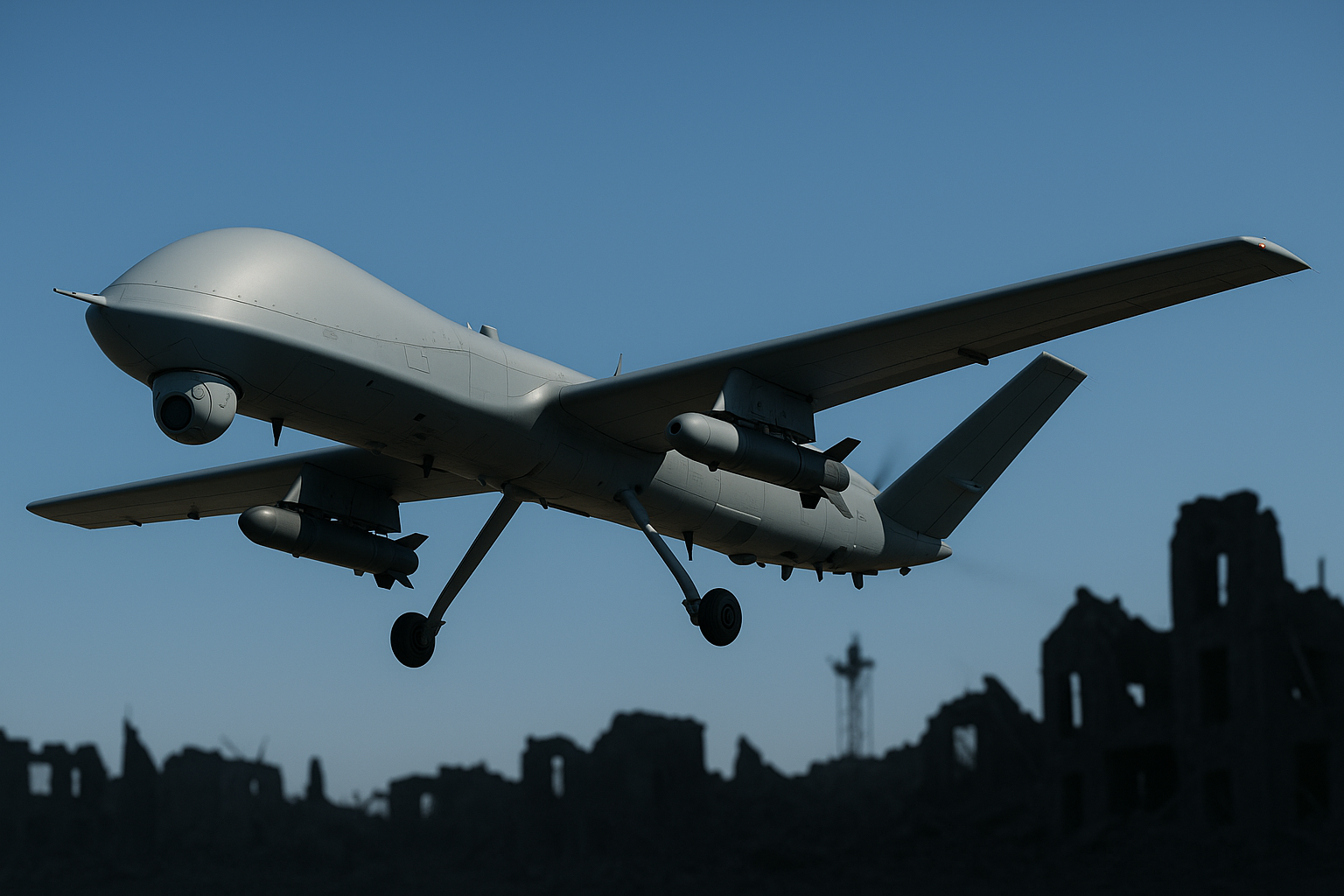
The United States is increasingly focused on the strategic advantages presented by Ukraine’s innovative anti-drone technology, particularly its Shahed-killer drones. These systems, such as the Skyfall P-1 Sun and the General Cherry Bullet, are not only cost-effective but also provide crucial expertise in countering threats akin to Iran’s Shahed drones. This article will explore the operational capabilities of these drones, the implications of their integration into U.S. defense strategies, and the complexities of Ukraine’s ability to export such technologies amid ongoing conflict.
A detailed analysis will be provided on the challenges faced by the U.S. in intercepting Shahed drones, alongside a consideration of economical alternatives available within the defense landscape. Additional insights will be shared regarding Ukraine’s objectives for its arms exports and how these dynamics shape international relations in the context of the broader conflict with Russia. The discussion will further illuminate the evolving nature of warfare and the role of innovative technologies in contemporary military operations.
Understanding Shahed-Killer Drones

Definition and Purpose
The Shahed-Killer drones represent a significant advancement in anti-drone technology, specifically designed to counter the threats posed by Iranian Shahed drones. These unmanned aerial vehicles (UAVs) serve a dual purpose: first, they aim to intercept hostile drones before they can inflict damage, and second, they provide tactical advantages in modern warfare. As conflicts evolve and new technological threats emerge, understanding the precise role these drones play in defense strategies becomes increasingly critical.
Technical Specifications
Shahed-Killer drones are characterized by their lightweight construction and cost-efficient design. Typically priced around $1,000, these drones boast several essential specifications that enhance their operability. They are equipped with advanced sensors to detect incoming threats, utilizing both visual and radar systems. With flight capabilities extending over several kilometers, they can respond swiftly to aerial threats, thereby safeguarding critical assets. Additionally, these UAVs integrate innovations in battery life and propulsion that enable prolonged operational use, thereby maximizing the effectiveness of military engagements.
Operational Capabilities
The operational capabilities of Shahed-Killer drones are notable for their adaptability and responsiveness in various military scenarios. Deployed primarily as a defense mechanism against aerial attacks, their quick-launch systems allow for rapid deployment under pressure. Furthermore, advanced algorithms enhance their targeting systems, enabling them to identify and engage multiple threats simultaneously. This ability to execute swift, calculated responses in real-time combat situations signifies a transformative shift in drone warfare, reshaping the strategic landscape of modern military operations.
Overview of the Geopolitical Landscape
Current Conflicts Involving Iran
Iran’s geopolitical ambitions have resulted in mounting conflicts across multiple regions, most notably through its support of proxy groups and its military engagements. These conflicts frequently involve the utilization of drones as essential components of warfare, which pose significant threats to both regional stability and international security. The US has responded to these threats with a focus on counter-drone strategies, seeking to mitigate the operational effectiveness of Iranian drones in conflict zones.
Russia’s Use of Iranian Drones
The pervasive nature of drone warfare is further exemplified by Russia’s strategic partnership with Iran, wherein Russian forces have employed Iranian Shahed drones in their military operations. This collaboration has raised alarm among Western nations, evidenced by instances of drone utilization in Ukraine against Ukrainian defenses. The integration of Iranian technology in Russian military tactics underscores the multifaceted threats posed by drone warfare in contemporary conflicts.
The Role of Ukraine in Countering Threats
Amidst these geopolitical dynamics, Ukraine has emerged not only as a battleground but also as a pivotal player in countering aerial threats. The development and deployment of indigenous anti-drone systems, such as the Shahed-Killer drones, signify Ukraine’s commitment to enhancing its defense capabilities. By leveraging local knowledge and technological advancements, Ukraine attempts to mitigate risks posed by both Iranian and Russian aerial threats, thereby asserting its position in the ongoing geopolitical struggle.
The American Interest in Ukraine’s Drones
Cost-Effectiveness
One of the most compelling reasons for American interest in Ukraine’s Shahed-Killers lies in their cost-effectiveness. At a mere fraction of the price of traditional interceptors, these drones offer a viable alternative for the US military, which constantly seeks to balance efficacy with fiscal responsibility. Their affordability could allow for significantly larger deployments, thereby enhancing overall military readiness without imposing severe budgetary constraints.
Technological Advantages
In addition to their cost-effectiveness, Ukrainian drones feature numerous technological advantages that have garnered American interest. Advanced guidance systems, modular designs, and rapid deployment capabilities are some highlights of these drones. Such features not only optimize operational efficiency but also enhance interoperability with existing military systems of the United States, fostering a synchronized defense infrastructure in response to emerging aerial threats.
Strategic Alliances
The analysis of these UAVs also connects to broader strategic alliances that the US seeks to cultivate, particularly in Eastern Europe. By establishing partnerships with Ukraine and integrating their drone technologies, the US aims to foster a collaborative defense initiative while bolstering Ukraine’s position against adversarial forces. This move reflects a wider strategy aimed at reinforcing alliances, particularly as global military dynamics shift towards more technologically advanced warfare methodologies.
The Financial Implications
Comparing Costs of Shahed-Killers vs. Traditional Interceptors
A detailed comparison between the operational costs of Shahed-Killers and traditional interceptors reveals significant financial benefits. Traditional systems often require extensive investments not only in procurement but also in maintenance and operation. Conversely, the simplicity and low cost of producing Shahed-Killers afford the US military an opportunity to invest more in quantity rather than solely in advanced technology, potentially shifting the balance in future conflicts.
Budgetary Considerations for the US Military
Budgetary considerations play a pivotal role in the strategic decision-making processes of the US military. As defense budgets are scrutinized amidst competing national priorities, adopting cost-efficient technologies like the Shahed-Killers enhances operational capability while mitigating financial constraints. This economic approach further aligns with broad military objectives aimed at increasing readiness and adaptability to emerging threats without compromising defense budget allocations.
Potential Savings for Future Conflicts
The integration of Shahed-Killers into the US military arsenal offers potential long-term savings in future conflicts. Investing in economically viable drone technology could lead to significant reductions in procurement costs over time, allowing for reinvestment in other essential areas. Moreover, the deployment of such cost-efficient systems provides a strategic cushion against resource exhaustion in prolonged engagements, ensuring sustained military effectiveness and operational continuity.
Technological Insights from Ukraine
Innovations in Drone Technology
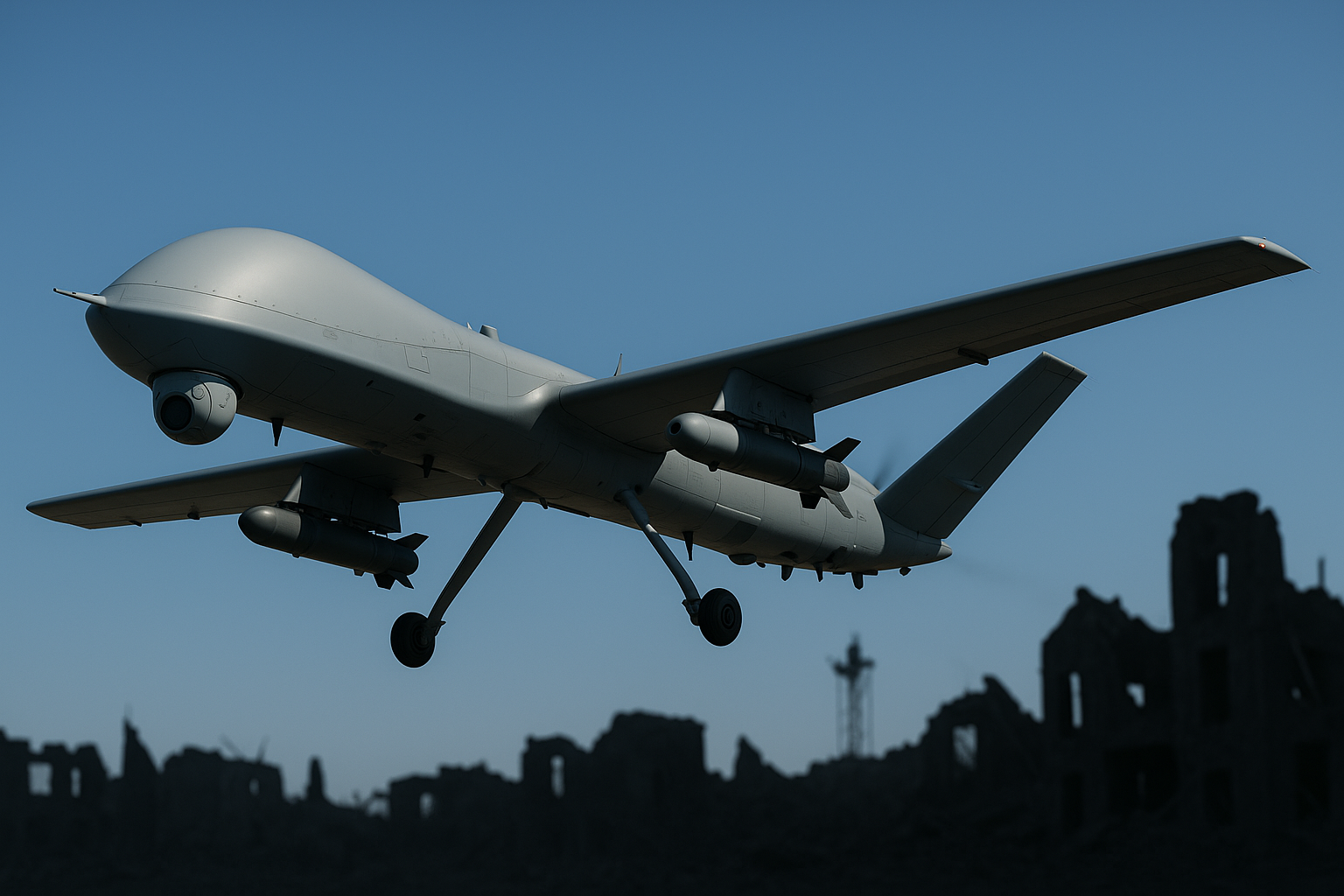
Ukraine’s rapid evolution in drone technology has garnered attention globally, showcasing innovations that stress both efficacy and versatility. Developments in drone navigation, semi-autonomous functionality, and payload management mechanisms represent a burgeoning field within military technology. These insights fuel continuous improvement and adaptation within drone warfare tactics, encouraging other nations to assess similar advancements for their strategic frameworks.
Ukraine’s Tactical Knowledge
The tactical knowledge cultivated by Ukrainian forces amidst ongoing conflicts has profound implications for warfare strategies globally. Experiences gained from direct encounters with sophisticated threats such as Shahed drones refine their understanding of detection, interception, and engagement. This knowledge not only enhances Ukraine’s own defense capabilities but also contributes valuable intelligence to allies, who may face similar challenges.
Lessons Learned from Combat Experiences
Lessons learned from combat experiences remain invaluable throughout military operations. The intelligence derived from Ukraine’s engagements against drone threats informs best practices and adaptive strategies, which are essential for effective counter-drone operations. Such insights derive not only from failures or successes in operations but also from iterative learning that can be shared among allied forces to enhance collective military efficacy.
Exporting Defense Technologies
Ukraine’s Defense Industry Growth
Ukraine’s ongoing conflict has spurred growth in its defense industry, showcasing the country’s ability to innovate under pressure. As defense technologies develop, Ukraine has begun to export these innovations internationally, positioning itself as a noteworthy player in the global arms market. Such development indicates a shift where nations formerly reliant on external suppliers can cultivate homegrown capabilities, thereby enhancing their military autonomy.
Impact on Global Military Dynamics
The expansion of Ukraine’s defense exports has implications for global military dynamics, particularly as countries reconsider their strategic partnerships. Nations seeking advanced yet affordable defense technology may turn to Ukraine’s offerings, disrupting conventional arms supply chains and reinforcing new geopolitical alliances. This shift has the potential to reshape existing military landscapes, particularly in regions grappling with endemic conflict and shifting power balances.
Opportunities for Collaboration
The advancement of Ukraine’s defense industry presents substantial opportunities for collaboration with allied nations. Joint ventures and technology exchanges may arise, allowing countries to pool resources and expertise in developing next-generation military systems. Such collaborative efforts could enhance operational capabilities while fostering closer international partnerships, revolutionizing the scale and efficiency of military innovation.
Responses from the US Military
Adopting New Strategies
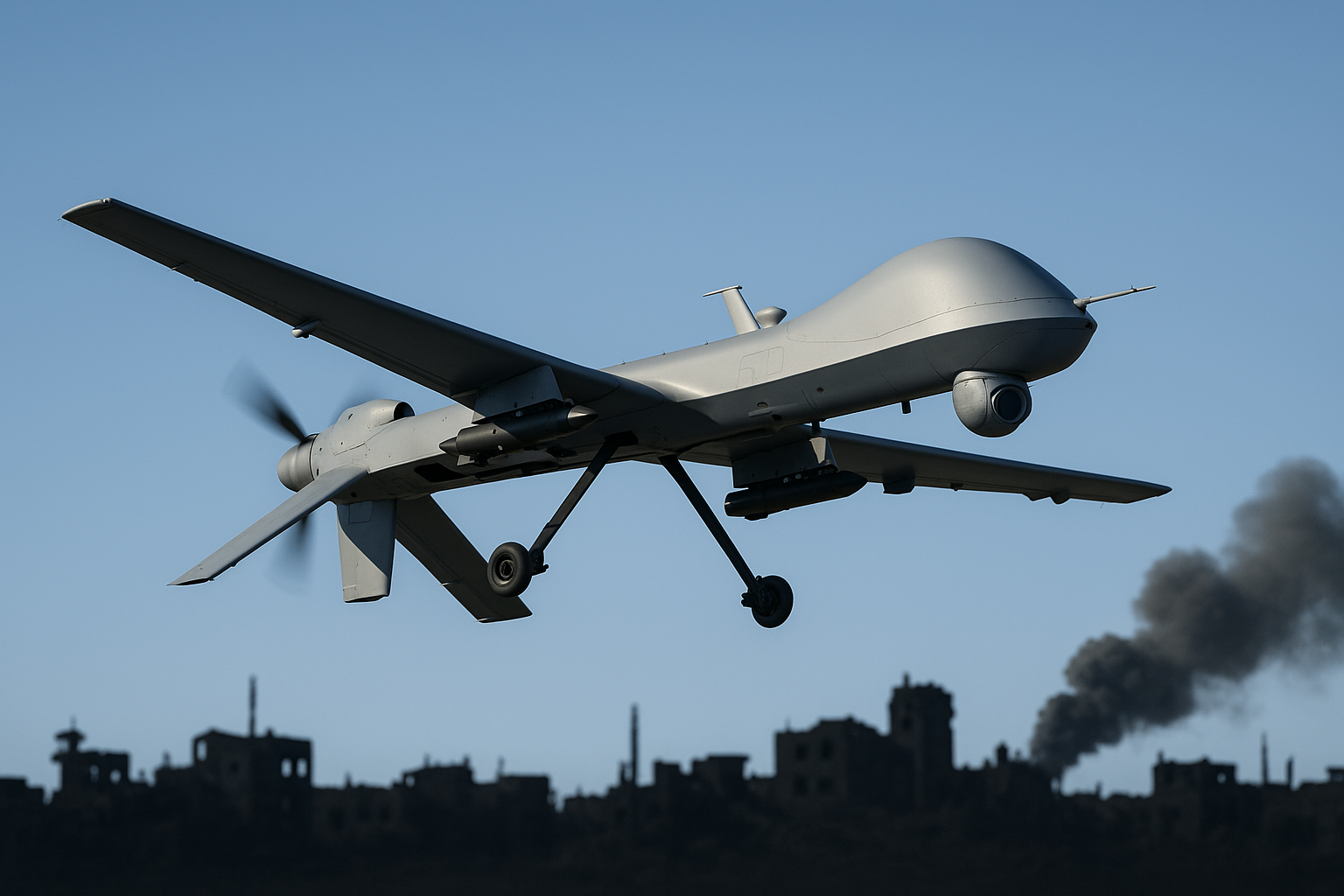
As the nature of warfare evolves, the US military recognizes the necessity of adopting new strategies that incorporate advanced technologies. The adoption of Ukrainian drone capabilities exemplifies a forward-thinking approach that emphasizes adaptability and innovation. By integrating these technologies into existing frameworks, the US aims to maintain its strategic edge in an increasingly complex global military environment.
Integrating Ukrainian Technology
Integrating Ukrainian drone technology into the US military arsenal requires careful planning and implementation, with a focus on aligning operational capabilities. Ensuring compatibility with incumbent systems, while also embracing new functionalities, is essential to maximize the effectiveness of drone warfare. Facilitating smooth integration processes reflects a commitment to evolving military strategies that meet contemporary operational needs.
Training and Logistics for Implementation
Successful integration of new technologies hinges upon comprehensive training and logistical frameworks. Ensuring that personnel are adequately prepared to operate Shahed-Killers and similar technologies is paramount for effective operational deployment. Establishing logistical support systems that can efficiently manage the supply and maintenance of these drones ensures sustained effectiveness and readiness, underlining the commitment to innovation within military practices.
Implications for NATO and Allies
Strengthening Collective Defense
The incorporation of advanced drone technology, particularly from Ukraine, stands to strengthen collective defense among NATO allies. By embracing shared advancements, member nations align their military capabilities, enhancing stability and deterrence against potential threats. This collective approach fosters unity, essential for addressing contemporary security challenges that transcend national borders.
Balancing Power Dynamics in Europe
The deployment of Ukrainian-developed drone technologies can shift power dynamics in Europe, particularly against adversarial forces. By equipping NATO allies with high-performing drones, a unified front emerges against mutual threats. This balancing act aims to deter aggression while bolstering defense strategies that promote mutual security across Europe.
Potential for Joint Military Exercises
The adoption of Ukrainian drones paves the way for enhanced joint military exercises among NATO members, facilitating the exchange of tactical knowledge and operational strategies. Collaborative exercises can simulate real-world scenarios, enabling forces to refine their effectiveness in counter-drone operations. Such integration enhances interoperability and ensures that allied nations are well-prepared to confront emerging threats collectively.
Challenges of Fighting Shahed Drones
Identification and Detection Issues
Despite advances in technology, challenges persist in the identification and detection of Shahed drones. Their stealth characteristics complicate traditional detection methods, necessitating ongoing advancements in monitoring systems that can accurately identify threats before they can launch an attack. Addressing these challenges is pivotal to ensuring the efficacy of defense systems employed against drone threats.
Countermeasures Against Advanced Drones
The evolving nature of drone warfare necessitates the development of innovative countermeasures to combat advanced drones. Developing effective technologies capable of neutralizing threats at various engagement ranges remains a pressing priority for military strategists. Research and innovation in electronic countermeasures, kinetic interceptors, and drone-on-drone tactics explore options that adapt to the shifting contours of aerial combat.
The Evolving Nature of Drone Warfare
The rapid evolution of drone warfare engenders a continuous need for adaptation and innovation within military strategies. As adversaries refine their drone technologies, military forces must remain agile in responding to new challenges. Continuous learning and adaptation are paramount to maintaining operational superiority in an increasingly complex battlefield environment.
Conclusion
Summary of Key Points
In summary, the emergence of Shahed-Killer drones highlights a pivotal shift in modern military technology, characterized by cost-effectiveness and adaptability. As global security dynamics evolve, recognizing the strategic implications of these drones is crucial for adapting military policies and operational strategies.
Importance of Ukraine’s Shahed-Killers for US Strategy
Ukrainian Shahed-Killers hold significant importance in shaping US military strategy, providing a cost-effective alternative to traditional defense technologies. The synthesis of Ukrainian tactical knowledge and operational capabilities broadens the scope for addressing contemporary threats posed by aerial warfare.
The Broader Impact on Global Security
Ultimately, the integration of Ukrainian-developed drone technologies not only benefits US military objectives but also holds broader implications for global security. Enhanced collaborations and collective responses among allied nations may redefine the frameworks within which international military engagements are conducted, fostering stability in an increasingly interconnected and volatile global landscape.