
The MQ-9 Reaper has proven to be an enduring asset within the U.S. military arsenal since its inaugural flight 25 years ago. Despite its apparent limitations—slow speed, lack of stealth, and vulnerability to modern air defenses—this unmanned aerial vehicle continues to be deployed across a multitude of operations, demonstrating significant versatility. This article examines the origins of the MQ-9, its current roles, and technological adaptations that have sustained its relevance in modern warfare.
An analysis of the MQ-9 Reaper reveals the complexity of military technology and strategy in an evolving combat landscape. You will explore its operational utility, the challenges posed by efforts to phase it out, and how innovative advancements have allowed it to maintain its significance on the battlefield. The discussion also highlights future limitations the Reaper may encounter, providing a comprehensive understanding of why this aircraft has yet to be retired.
Historical Overview of the MQ-9 Reaper
Development Timeline
The MQ-9 Reaper, developed by General Atomics Aeronautical Systems, marks a significant leap in the evolution of unmanned aerial vehicles (UAVs). The Reaper was first conceived in the late 1990s, with its maiden flight occurring in 2001, aiming to enhance the U.S. military’s capabilities in intelligence gathering, surveillance, and reconnaissance (ISR). Initially designed as a hunter-killer UAV, its specifications and operational capabilities were continually refined over the years. By 2007, it had entered full-scale production, showcasing its ability to carry out long-endurance missions with advanced sensor packages and weaponry.
Initial Deployment and Early Missions
The initial deployment of the MQ-9 Reaper occurred during Operations Iraqi Freedom and Enduring Freedom. It rapidly established itself as an essential tool for ground forces, significantly enhancing battlefield awareness and firepower. Early missions primarily focused on ISR operations, aiding U.S. and coalition forces in tracking enemy movements and providing real-time data to commanders in the field. The Reaper’s ability to loiter in a combat zone for extended periods enabled it to support ground troops through targeted strikes while minimizing collateral damage.
Evolution of Roles and Missions Over Time
Over time, the MQ-9 Reaper has evolved from a primarily surveillance platform to a multi-role weapon system that includes precision strikes against high-value targets. Its operational roles have expanded to include combat air support, data relay, and even assistive roles in humanitarian missions. As geopolitical conditions have shifted and adversaries have adapted, the Reaper has remained relevant by integrating new payloads, upgrading its software, and adjusting its operational deployment strategies, thus ensuring its utility remains high in modern conflicts.
Technological Specifications
Design Features and Capabilities
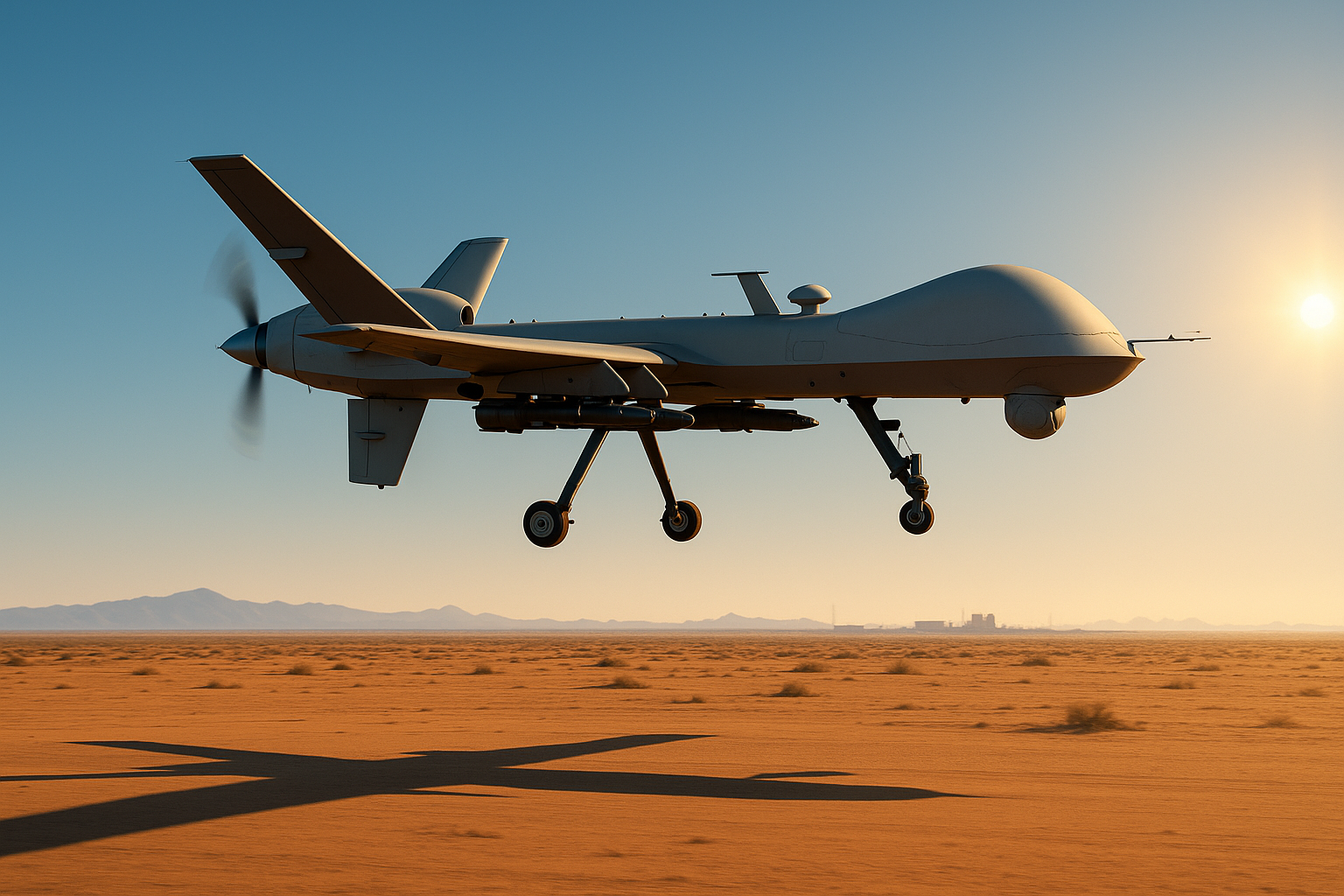
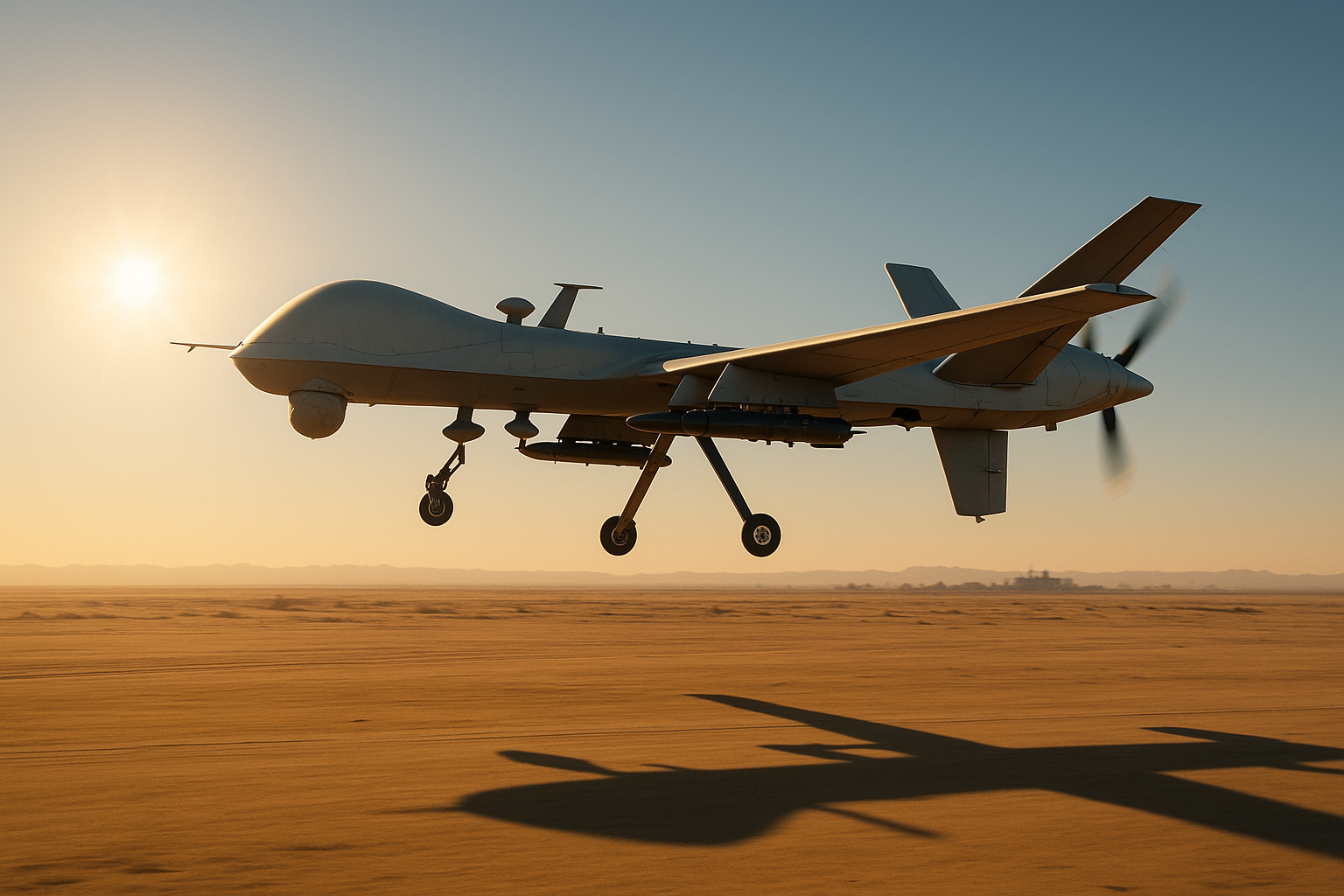
The MQ-9 Reaper is characterized by its unique design, featuring a wingspan of 66 feet and a maximum takeoff weight of 10,500 pounds. Its aerodynamic structure allows for extended flight endurance, capable of loitering for up to 27 hours. Equipped with a suite of sensors, including full-motion video cameras, infrared sensors, and radar, the Reaper excels in ISR missions. Its modular design permits adaptability, enabling the integration of various payloads and systems customized to mission requirements.
Payload Options and Versatility
The versatility of the MQ-9 is underscored by its extensive array of payload options. It can carry both precision-guided munitions, such as Hellfire missiles and laser-guided bombs, as well as a variety of sensors for ISR tasks. This flexibility not only allows for combat operations but also supports non-combat missions, such as reconnaissance and disaster response, showcasing the Reaper’s role as a multi-disciplinary asset.
Flight Performance and Operational Range
With a service ceiling of 50,000 feet and a range exceeding 1,150 nautical miles, the MQ-9 Reaper showcases exceptional flight performance. Its operational range, enhanced by satellite communication systems, provides command and control of multiple assets over vast distances. The combination of its high altitude capabilities and long-range operations significantly enhances its utility in global military operations.

Strategic Advantages of the MQ-9 Reaper
Intelligence, Surveillance, and Reconnaissance (ISR) Capabilities
The primary strategic advantage of the MQ-9 Reaper lies in its superior ISR capabilities. The advanced sensors onboard allow for high-resolution imagery and real-time intelligence dissemination, making it an invaluable tool for tactical commanders. The ability to maintain persistent surveillance over target areas provides a tactical edge, enabling informed decision-making and rapid responsive actions to emerging threats.
Combat Support and Close Air Support Roles
In addition to its reconnaissance capabilities, the Reaper serves a critical function in combat support and close air support missions. Its precision strike capabilities allow ground forces to engage enemy combatants with minimal collateral damage. This has been particularly beneficial in asymmetric warfare environments, where distinguishing combatants from non-combatants is vital for mission success and maintaining local support.
Cost-Effectiveness Compared to Manned Aircraft
From an economic perspective, the MQ-9 Reaper offers a cost-effective alternative to manned aircraft. With lower operational costs, reduced risk to human pilots, and the ability to conduct prolonged missions, it provides a fiscal advantage to military planners. The Reaper’s maintenance costs and loss rates are also lower compared to traditional fighter jets, making it an attractive option for sustained military operations.
Current Utilization of the MQ-9 Reaper
Operational Missions in the Middle East
The MQ-9 Reaper continues to be actively deployed in the Middle East, primarily tasked with monitoring hostile entities and conducting targeted strikes on identified threats. Its role in counter-terrorism operations has been instrumental in degrading the operational capabilities of extremist groups. The Reaper’s presence offers reassurance to coalition partners and enhances overall security in volatile regions.
Role in Domestic Surveillance and Border Security
Domestically, the MQ-9 Reaper has been utilized in border security operations, aiding in the monitoring of aerial trespassing and drug smuggling routes. Its capabilities have been adopted by various federal agencies, showcasing versatility beyond combat scenarios. By employing the Reaper, law enforcement agencies benefit from advanced surveillance capabilities that enhance situational awareness and operational efficiency.
Adaptations for Indo-Pacific Operations
As geopolitical tensions in the Indo-Pacific region evolve, the Marine Corps and other branches of the U.S. military have begun adapting the MQ-9 Reaper for these specific operational environments. Enhanced communications, payloads, and flight ranges are being integrated to address the unique challenges posed by potential peer adversaries. This evolution reflects the Reaper’s continued relevance and the agile approach of the U.S. military to global threats.
Challenges and Limitations
Vulnerability in High-Threat Environments
Despite its many advantages, the MQ-9 Reaper is not without limitations. Its non-stealthy design makes it vulnerable in high-threat environments equipped with advanced surface-to-air missile systems. As adversaries enhance their air defense capabilities, the Reaper’s deployment in contested regions raises concerns about survivability and operational efficacy.
Technological Obsolescence Concerns
The rapid advancement of drone technologies presents potential obsolescence concerns for the MQ-9 Reaper. As newer, more stealthy, and capable UAVs enter the battlefield, questions arise about the longevity of the Reaper’s operational relevance. Continuous upgrades and modifications are essential to sustain its competitiveness against evolving threats.
Budget Constraints and Retirement Talks
In recent years, discussions regarding the retirement of the MQ-9 Reaper have surfaced, driven by budgetary constraints and shifting military priorities. While there is substantial advocacy for its continued use, financial limitations necessitate considerations of potential replacements. These conversations reflect broader trends in military funding and resource allocation.
Recent Upgrades and Modifications
Integration of New Technologies
To remain competitive in a rapidly changing operational landscape, the MQ-9 Reaper has undergone several upgrades. The integration of advanced sensors and weapons systems enhances its capability for both ISR and combat roles. New technologies allow for greater accuracy in strikes and improved capabilities in signal intelligence gathering.
Enhanced Communication Systems
Enhancements to communication systems have been pivotal in maintaining the Reaper’s effectiveness. The introduction of new satellite communication technology and data link systems has improved real-time data transmission, allowing for better coordination between ground forces and aerial operations. This capability is critical in managing complex operational landscapes.
Improvements to Autonomy and Navigation
Recent improvements in autonomy and navigation systems have refined the Reaper’s operational efficiency. Advances in artificial intelligence and machine learning empower the UAV with enhanced decision-making capabilities, allowing it to execute missions with reduced human intervention. These upgrades significantly contribute to its adaptability in dynamic operational environments.
Comparison with Other Drones
MQ-9 Reaper vs. MQ-1 Predator
While both the MQ-9 Reaper and its predecessor, the MQ-1 Predator, share similar missions, the Reaper has far more advanced features. The Reaper boasts greater payload capacity, longer flight duration, and more sophisticated sensors compared to the Predator. This evolution underscores the U.S. military’s ongoing commitment to enhancing unmanned capabilities for modern warfare.
MQ-9 Reaper vs. Modern Stealth UAVs
In contrast to modern stealth UAVs, such as the Northrop Grumman RQ-170 Sentinel, the MQ-9 Reaper was not designed with stealth as a central feature. While the Reaper excels in conventional ISR and combat roles, stealth platforms provide capabilities needed for high-threat environments. The choice between these platforms ultimately depends on mission requirements and operational contexts.
Roles of General Atomics Drones vs. Competitors
General Atomics has positioned the MQ-9 Reaper as a leader in the UAV market, competing with a range of international models. While competitors offer varying features, the Reaper’s operational track record, versatility, and established presence in combat environments maintain its status as a preferred choice for military operations. This competitive landscape continues to evolve as drone technology progresses.
Future Outlook for the MQ-9 Reaper
Possible Extensions of Service Life
As discussions around the potential retirement of the MQ-9 Reaper persist, prospects for extending its service life also emerge. Continued technological upgrades and adaptations can prolong the operational capability of this UAV, allowing it to remain a key asset in the U.S. military inventory. A comprehensive evaluation of its contributions to modern warfare will inform future decisions regarding its retirement.
Emerging Concepts for Unmanned Warfare
The shifting paradigm of unmanned warfare presents opportunities and challenges for the MQ-9 Reaper. As conflicts evolve and the need for versatile aerial platforms increases, innovative concepts such as swarm tactics and enhanced interoperability with manned aircraft could redefine how the Reaper is deployed in future operations. Staying ahead of evolving doctrines will be crucial for its continued relevance.
Anticipated Technological Trends and Developments
The future of the MQ-9 Reaper will likely be shaped by emerging technological trends in UAV development. Advancements such as artificial intelligence, improved sensor technologies, and enhanced data fusion capabilities will enable the Reaper to operate more effectively in complex environments. Embracing these trends is essential to maintaining its edge on the battlefield.
Operational Doctrine and Military Strategy
Integration into Joint Force Operations
The MQ-9 Reaper’s capabilities have been seamlessly integrated into joint force operations, enabling collaboration across branches of the military. This integration not only enhances situational awareness but also optimizes resource allocation in multi-domain operations. By acting as a force multiplier, the Reaper plays a pivotal role in contemporary warfare strategies.
Impact on Future Military Tactics
The ongoing presence of the MQ-9 Reaper has influenced shifts in military tactics, particularly in asymmetric warfare. Its capabilities have allowed for more strategic, informed decision-making in combat scenarios, reshaping how forces engage with adversaries. The trends established by the Reaper may inspire future tactical approaches and doctrine development.
Global Partnerships and Collaborative Use
International partners have also recognized the utility of the MQ-9 Reaper, leading to cooperative agreements for its use in various missions. By leveraging shared intelligence and operational experiences, allied forces can enhance their collective security. This broad utilization reflects a growing trend toward collaborative operations and force integration among global military partners.
Conclusion
Recap of the MQ-9 Reaper’s Relevance
In summary, the MQ-9 Reaper remains a highly relevant platform in modern military operations. Its unparalleled ISR capabilities, combat support functions, and versatility in various mission types illustrate its significance. While challenges related to technology and budget persist, the Reaper’s operational history underscores its value.
Long-Term Implications for Drone Warfare
The MQ-9 Reaper has set a precedent for the role of UAVs in modern warfare. Its successes and adaptations contribute to ongoing discourse regarding the future of unmanned combat systems. As weapon systems continue to evolve, lessons learned from the Reaper will inform the development of subsequent generations of UAVs.
Final Thoughts on Its Resistance to Retirement
Despite ongoing discussions regarding its retirement, the MQ-9 Reaper’s continuous adaptability and relevance highlight its importance in contemporary military strategy. In a time of rapid technological advancement and shifting operational landscapes, the Reaper stands as a testament to the enduring value of well-conceived and resilient military assets. As future threats emerge, the MQ-9 Reaper may continue to redefine expectations for unmanned aerial platforms.