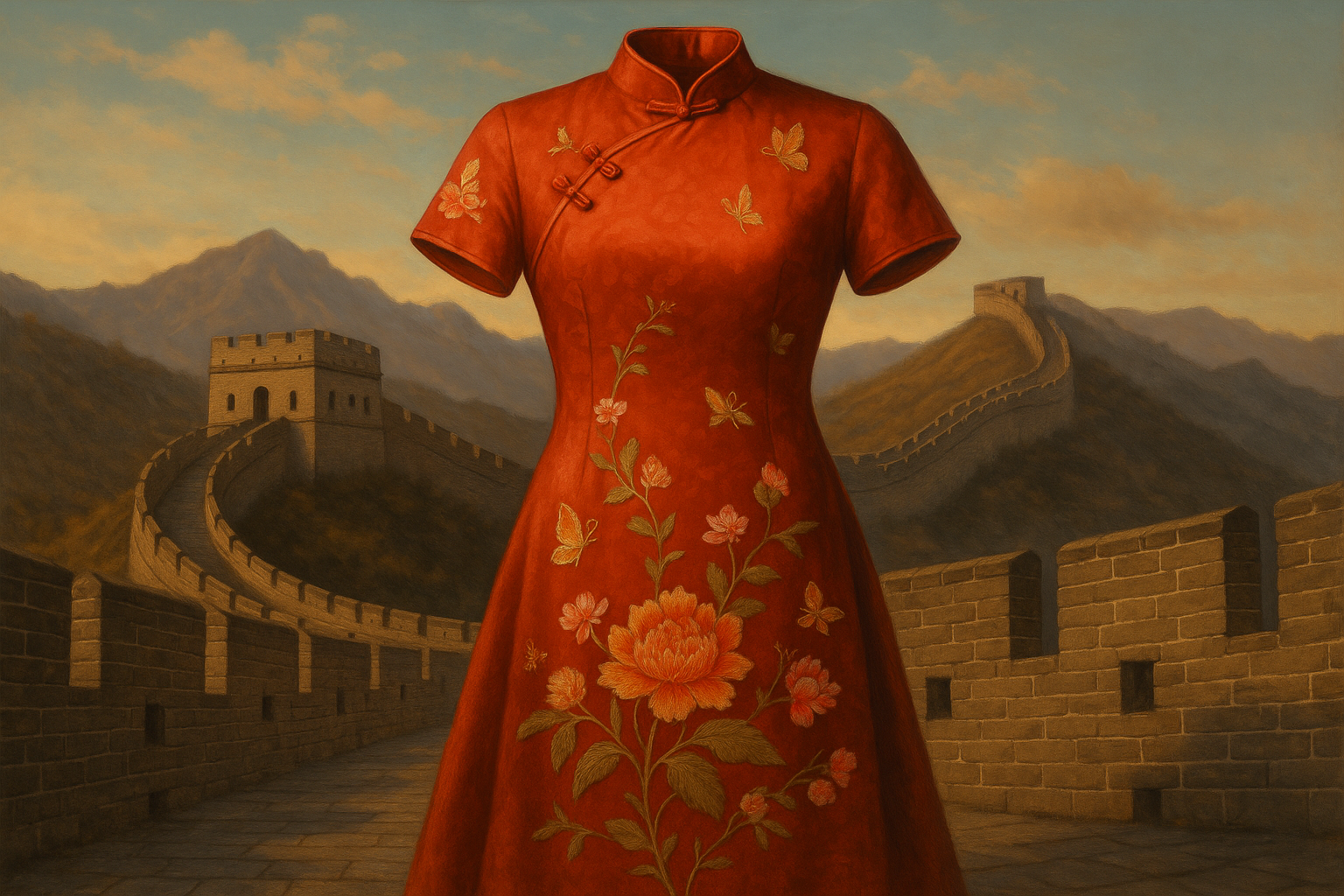
This article provides a comprehensive examination of the evolution of women’s rights in China, tracing the trajectory from Mao Zedong’s policies to contemporary challenges. It reflects on the Communist Revolution’s initial push for gender equality, which was symbolized by the slogan “Women hold up half the sky.” Over the decades, significant advancements and setbacks are explored, including workforce mobilization and economic reforms that reshaped women’s roles in society.
The discussion extends to the impacts of post-Mao reforms under Deng Xiaoping, revealing the complexities of modern gender dynamics. Despite notable participation rates in the labor force and advancements in education, persistent issues such as pay disparities, workplace discrimination, and societal stigmas remain problematic. By analyzing these interconnected historical and social factors, this article uncovers the ongoing struggles and achievements of women’s rights in China.
Historical Context of Women’s Rights in China
Pre-1949 Gender Norms and Roles
Before 1949, societal expectations for women in China were heavily influenced by entrenched patriarchal norms. The Confucian doctrine, which predominated Chinese culture for centuries, positioned women primarily within the domestic sphere, emphasizing their roles as dutiful wives and mothers. This framework not only dictated the behaviors and aspirations of women but also established a social hierarchy that placed men at the top. The ideal woman was expected to exhibit virtue, obedience, and submissiveness, thus severely limiting their personal freedoms and opportunities for self-actualization. Traditional practices such as foot-binding epitomized the lengths to which women were subjected to conform to predetermined roles, often at the expense of their health and autonomy.
Impact of Confucianism on Women’s Status
Confucianism played a pivotal role in shaping gender norms, rendering women’s status as subordinate to that of men. The doctrine posited that the home was a woman’s rightful domain, while men were entrusted with public affairs and decision-making. This ideological reinforcement of patriarchy institutionalized inequality, effectively minimizing women’s contributions outside the private sphere. The familial structures emphasized by Confucian principles further marginalized women, as lineage and heritage were traced through male descendants. Consequently, women’s aspirations for education, professional growth, or political engagement were consistently sidelined, foreshadowing the challenges that would prevail even into the modern era.
Early Feminist Movements in the 20th Century
As the 20th century approached, burgeoning feminist movements began to challenge the prevailing norms. Influenced by both domestic developments and international ideologies, women in China started advocating for rights to education, suffrage, and social reform. The Women’s Association, founded in 1912, became a vital platform for voicing grievances and championing women’s rights, while the May Fourth Movement of 1919 expanded these conversations to include broader social critiques. It was at this juncture that intellectuals began to question traditional practices, leading to a slow but noticeable shift in attitudes towards women’s rights.
The Mao Era: 1949-1976
Mao’s Ideology and Gender Equality
The establishment of the People’s Republic of China in 1949 under Mao Zedong heralded a new era for women’s rights, explicitly launching initiatives aimed at promoting gender equality. The Maoist slogan “Women hold up half the sky” became the rallying cry for an extensive campaign to mobilize women into various spheres of labor and political participation. Mao’s ideology fundamentally shifted the narrative around women’s roles, framing their involvement in the workforce and politics as crucial to the success of the socialist state. This ideological shift reevaluated women’s labor contributions, presenting them as equal partners in societal development.
Women in the Workforce: Policies and Realities
During the Mao era, state policies aggressively promoted female labor participation. In initiatives such as the Great Leap Forward, women were systematically integrated into agricultural and industrial workforces, challenging traditional gender norms. However, the enthusiasm for female labor was paradoxically coupled with harsh realities including exploitative working conditions, forced collectivization, and persistent gender discrimination. Although women gained employment in various sectors, the struggle against patriarchal values persisted within the workplace, as biases often dictated roles, responsibilities, and pay inequities.
Cultural Revolution: Shifts in Family Dynamics
The Cultural Revolution (1966-1976) further complicated women’s roles within society. While the period aimed to eradicate the “Four Olds” (old customs, culture, habits, and ideas), it also pressured women to abandon traditional family roles in favor of collective responsibilities. Family dynamics were restructured, as the focus on loyalty to the Party often overshadowed familial ties, impacting women’s roles in the household. Despite these shifts, women continued to face significant challenges relating to both societal expectations and bureaucratic oppression.
Post-Mao Reforms and Their Impact on Women

Deng Xiaoping’s Economic Policies
The economic reforms introduced by Deng Xiaoping in the late 1970s initiated a transformative phase for women’s rights and roles in Chinese society. With the shift towards a market-oriented economy, women gained greater access to education and employment opportunities. The deregulation of industries allowed women to enter various professional fields, expanding their horizons beyond agriculture and labor. Nevertheless, this economic liberalization also fostered a competitive environment that, while presenting opportunities, also highlighted the persistence of gender discrimination in hiring, promotion, and pay.
Education and Professional Opportunities for Women
In the wake of Deng’s reforms, educational institutions opened their doors wider to women. The emphasis on human capital and skill development also resulted in a significant uptick in female enrollment in higher education and vocational training. Consequently, women began entering fields once dominated by men, including science, engineering, and business. The rise of women in educational and professional settings indicated a generational shift towards striving for gender parity, yet structural barriers remained salient, perpetuating disparities in career advancement.
Rise of Female Entrepreneurs in the 1990s
The economic reforms of the 1990s also witnessed the emergence of female entrepreneurs who would redefine traditional roles within Chinese society. Women leveraged new market opportunities to establish businesses, challenging the conventional narratives surrounding gender and work. These female entrepreneurs became critical players in the economic landscape, contributing to both local and national economies. Their success stories underscored not only personal triumphs but also a larger societal recognition of women as vital contributors to economic development.
One-Child Policy and Its Consequences
Gender Imbalance and Societal Impact
The implementation of the one-child policy in 1979 emerged as a controversial undertaking with profound implications for women’s rights in China. While designed to curb population growth, the policy inadvertently intensified societal preferences for male children, contributing to a significant gender imbalance. This preference was often fueled by traditional views that positioned male progeny as carriers of family lineage and economic support, resulting in an alarming increase in female infanticide and sex-selective abortions. As a consequence, societal attitudes towards women were further skewed, perpetuating stereotypes regarding gender and familial roles.
Forced Abortions and Women’s Autonomy
The enforcement of the one-child policy brought with it numerous violations of reproductive rights, including forced abortions and sterilizations. Women’s autonomy over their bodies became undermined by state interventions, which framed such measures as necessary for population control. These policies not only stripped women of their reproductive rights but also left deep psychological and physical scars on individuals and communities. As families became increasingly fractured by a lack of female children, the societal ramifications of these ethical transgressions continued to resonate, leading to long-term repercussions that transcended generations.
Long-term Effects on Family Structure
The legacy of the one-child policy also brought seismic shifts to family structures within Chinese society. With fewer women in the population, many men faced challenges in finding spouses, leading to increased social instability and a phenomena known as “bare branches” — men who remain single and without family support. The consequences of disrupted family units have manifested in myriad social issues, including heightened domestic violence and elder care crises, as families grappled with the loss of traditional support systems.
Modern Women in China: A Balancing Act
Current Workforce Participation Rates
In contemporary China, women constitute nearly half of the workforce, reflecting significant advancements made over the decades. Despite high rates of female labor participation, women often find themselves at a crossroads between professional ambitions and societal expectations surrounding traditional family roles. Women frequently juggle responsibilities both in their careers and as primary caregivers, eliciting a unique set of challenges that impact their professional trajectories.
Challenges Facing Women Today
Despite advancements, modern Chinese women face persistent challenges in workplace equity, including gender discrimination, wage disparities, and limited representation in leadership roles. The complexities of balancing work and family life become heightened within a context that frequently imposes unrealistic expectations on women to fulfill both professional and domestic responsibilities. Additionally, the perceived stigma of being a “leftover woman” — an unmarried, professional woman over the age of 25 — further complicates the societal landscape for women, hindering personal aspirations and impacting mental health.
Cultural Expectations and the ‘Leftover Women’ Stigma
The notion of “leftover women” highlights the pervasive cultural pressures women face in navigating societal expectations. Females who prioritize careers over marriage often encounter societal condemnation, as traditional values still influence perceptions of success and fulfillment. This stigma underscores the tension between evolving gender roles and entrenched expectations, raising critical questions about the true meaning of empowerment in a society rife with contradictions.
Legal Framework Surrounding Women’s Rights
Key Legislation and Reforms
Legal frameworks concerning women’s rights in China have evolved, encapsulating a range of reforms aimed at addressing gender inequality. Landmark legislations such as the Marriage Law and the Labor Law have sought to safeguard women’s rights within domestic and professional spheres. While progress has been made, the enforcement of these laws often lapses, presenting significant obstacles for women seeking to invoke legal protections against discrimination and abuse.
Discrimination Laws and Enforcement Issues
Despite existing regulations, pervasive enforcement issues remain a profound barrier to achieving full gender equality. Women frequently encounter discrimination in hiring practices, workplace environments, and promotions, which undermine the intentions of legal protections. The slow pace of judicial processes and the lack of awareness regarding rights further exacerbate these issues, placing women in precarious positions where they may feel disenfranchised and unable to seek recourse.
Protection Against Domestic Violence
The 2015 domestic violence law marked a progressive step in recognizing women’s rights and providing legal recourse for victims of abuse. However, the implementation of this legislation has faced significant challenges, including societal stigma and inadequate support systems for survivors. Expanding education and awareness campaigns are critical for fostering a more supportive environment, encouraging women to speak out against abuses and seek protection under the law.
Intersectionality in Women’s Issues
Rural vs. Urban Women: Diverse Realities
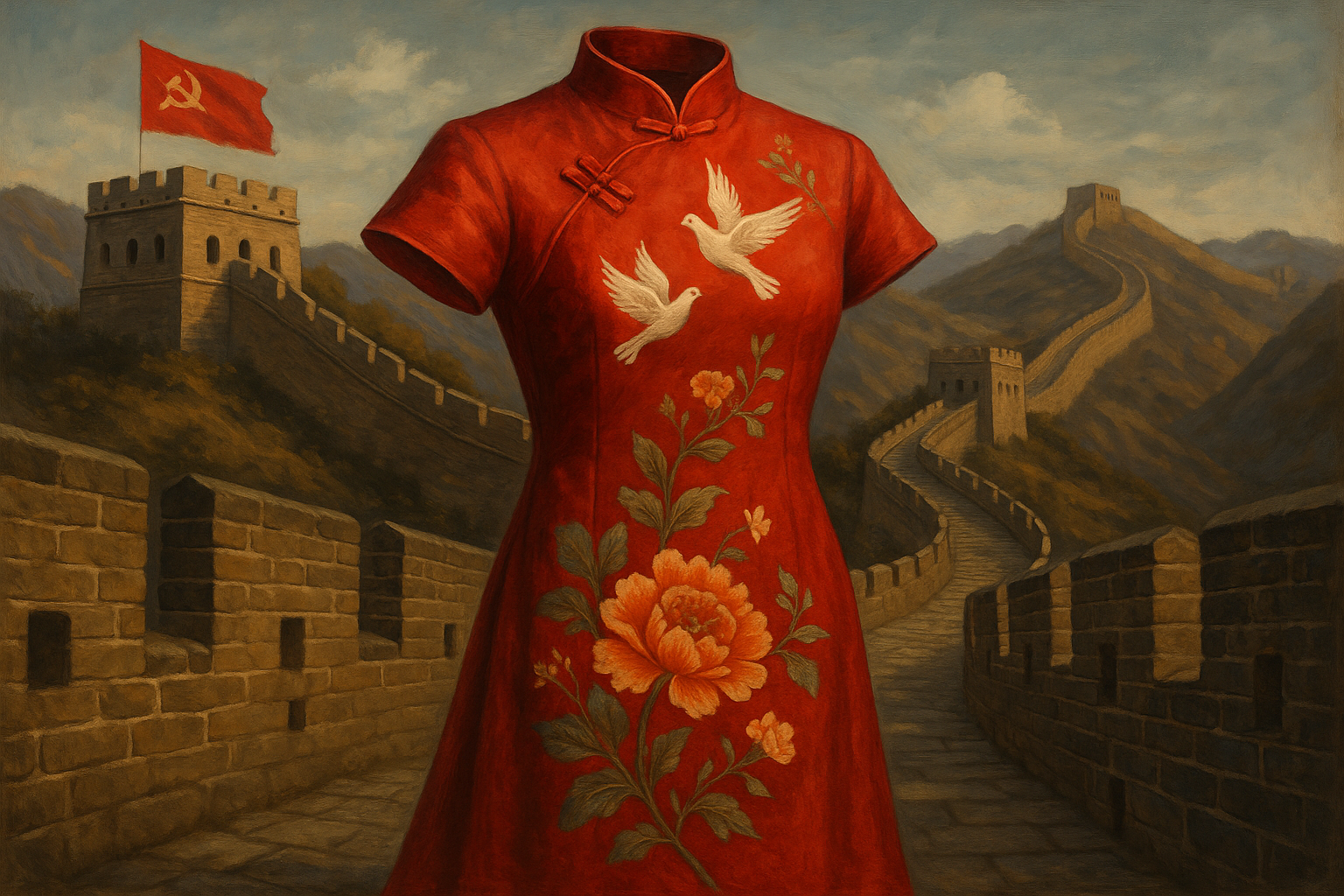
The experiences of women in China are not monolithic; intersectionality plays a crucial role in understanding the varied realities that rural and urban women face. In rural areas, women’s economic opportunities remain limited, and traditional norms persist, often reinforcing gender disparities. Conversely, urban women may experience greater access to education and professional growth, albeit still within a framework that emphasizes competitive and traditional gender roles. Highlighting these disparities enhances comprehension of the multifaceted challenges that women encounter within diverse contexts.
Ethnic Minorities and Gender Challenges
Ethnic minorities in China face unique gender challenges compounded by cultural and systemic discrimination. Traditionally marginalized communities often hold entrenched gender norms that further hinder women’s rights and access to resources. Regional disparities in education, employment, and healthcare services further complicate the landscape, demanding a nuanced approach to gender equality that takes into account the cultural diversity of women’s experiences in the country.
Class Disparities Affecting Women
Class disparities also intersect with gender dynamics, impacting women’s access to opportunities and resources. Women from lower socioeconomic backgrounds often face compounded barriers in securing education, healthcare, and employment, often relegated to informal labor markets with limited protections. Understanding these dynamics necessitates an examination of the broader systemic inequities that perpetuate class-based discrimination, further undermining women’s rights advancements.
Role of Technology in Empowering Women
Digital Education and Skill Development
Emerging technologies have presented unprecedented opportunities for women in China, particularly in realms of education and professional development. Online learning platforms have democratized access to educational resources, enabling women to acquire new skills and knowledge from remote locations. These advancements have empowered women to participate actively in the digital economy, fostering greater independence and opportunities for self-expression.
Online Platforms for Advocacy and Employment
The proliferation of social media and online platforms has provided women with new spaces to advocate for their rights and mobilize around issues that affect them. Grassroots movements have utilized digital tools to raise awareness, engage in activism, and connect women across the country. While this interaction fosters a sense of solidarity, it also exposes women to risks of censorship and surveillance by state actors, raising critical questions about the sustainability and safety of these movements.
Gender Gaps in the Technological Sector
Despite advancements in technology, gender gaps persist within the tech sector. Women often face barriers to entry, including biases in hiring practices and a lack of representation in leadership roles. Addressing these gaps is essential not only for promoting gender equality but also for harnessing the full potential of diverse talent within the rapidly evolving technological landscape.
Contemporary Feminist Movements in China
Emergence of Feminist Organizations
The contemporary era has witnessed the emergence of feminist organizations in China, advocating for women’s rights on various fronts, including reproductive rights, workplace equity, and combating gender-based violence. These organizations serve as critical platforms for mobilization and community-building, empowering women to confront societal inequities. Their efforts underscore a renewed commitment to advancing women’s rights through collective action and awareness-raising campaigns.
Challenges of Censorship and Surveillance
Feminist movements in China operate under a complex landscape characterized by government censorship and surveillance. While activists increasingly leverage digital platforms for advocacy, they must navigate the risks associated with state scrutiny, which seeks to suppress dissenting voices. This tension creates significant hurdles for mobilizing collective action and sustaining feminist movements, challenging the vitality and long-term impact of these initiatives.
International Solidarity and Influence
Contemporary feminist movements in China do not exist in isolation; they are increasingly connected to global conversations around women’s rights and empowerment. International solidarity networks provide resources, visibility, and support for local activists, amplifying their efforts and fostering a shared understanding of gender equity. This interplay between local and international frameworks enhances the efficacy of movements, as Chinese feminists draw on global insights while addressing their unique context.
Conclusion
Reflecting on Achievements and Struggles
The trajectory of women’s rights in China reveals a complex narrative of progress and setbacks. Significant strides have been made in terms of legal frameworks, educational opportunities, and workforce participation, yet systemic barriers and cultural stigmas persist. As you reflect on these achievements and struggles, it becomes evident that the pursuit of gender equality requires ongoing vigilance and advocacy, reaffirming the commitment to advancing women’s rights.
Future Directions for Women’s Rights in China
The future of women’s rights in China rests on several key directions, including the need for robust legal protections, increased awareness and education on gender issues, and the cultivation of an inclusive societal environment. Ongoing advocacy efforts must center diverse experiences, embracing the intersectionality that coexists within gender discourse.
The Role of Collective Action and Policy Change
Collective action emerges as a decisive force in shaping the future landscape of women’s rights. By fostering solidarity among women and amplifying their voices, movements can drive meaningful policy changes and promote an inclusive dialogue that transcends traditional barriers. The ongoing journey towards gender equality in China, fraught with challenges yet rich with potential, necessitates a collaborative commitment to sustain and amplify the efforts of those who fight for justice and equity.