
The operational challenges faced by the USS Gerald R. Ford, a supercarrier in active deployment, highlight significant issues that emerge with advanced military technology. Recent reports indicate that the vessel’s complicated vacuum plumbing system has resulted in a serious shortage of functioning toilets for the crew, revealing vulnerabilities in its infrastructure. Alongside this, critical systems such as the Electromagnetic Aircraft Launch System (EMALS), arresting gear, and weapon elevators have encountered persistent malfunctions, necessitating a thorough examination of the supercarrier’s performance under high-stress conditions.
This article will explore the implications of the USS Gerald R. Ford’s operational difficulties, particularly as they relate to the high operational tempo experienced by the ship and its crew. Additionally, the discussion will extend to future naval vessels, specifically the USS John F. Kennedy Jr. and USS Enterprise, assessing how lessons learned from the Ford can influence their design and functionality. By analyzing these ongoing issues, you can better understand the broader context of modern military capabilities and the inherent challenges that accompany technological advancement in naval warfare.
Overview of USS Gerald R. Ford
Introduction to the USS Gerald R. Ford
The USS Gerald R. Ford (CVN-78) represents a monumental leap in naval engineering and capabilities as the lead ship of the Ford class of aircraft carriers. Designed to enhance the United States Navy’s power projection and operational efficiency, this supercarrier embodies the most advanced technologies and systems in modern naval warfare. With a displacement of over 100,000 tons and a crew of around 4,500 personnel, the Ford class redefines the benchmarks for naval operations, offering significant improvements over previous Nimitz-class carriers in areas such as sortie generation and system reliability.
History and Development of the Class
The development of the USS Gerald R. Ford commenced in the early 2000s as a response to transforming naval warfare requirements and strategies in the post-Cold War era. The Ford class was conceived not just to replace the aging Nimitz-class carriers but to incorporate cutting-edge technologies that would ensure dominance in future conflicts. The ship features notable innovations, including the Electromagnetic Aircraft Launch System (EMALS) and advanced radar systems, which promise to enhance both the effectiveness and efficiency of carrier strike group operations. Delays in construction and development costs, however, have been contentious issues, reflecting the broader struggles inherent in military procurement processes.
Significance in Modern Naval Warfare
The USS Gerald R. Ford and her class mark a paradigm shift in how naval power is projected. With the ability to launch a larger number of sorties in a shorter time frame than her predecessors, the Ford serves as a crucial element in the United States’ strategy to maintain maritime superiority. The integration of next-generation technologies allows for greater flexibility, responsiveness, and lethality in conflict scenarios, thus solidifying the carrier’s role as a cornerstone of U.S. naval capabilities in an increasingly complex geopolitical landscape.
Current Operational Challenges
Overview of Operational Tempo
The operational tempo of the USS Gerald R. Ford has been exceedingly high, particularly as she has been deployed to various conflict zones in rapid succession. You may observe that this intensity mirrors a broader trend within the U.S. Navy, emphasizing the need for continuous readiness amid rising global tensions. This relentless pace, however, places substantial strain on both the ship and its personnel, leading to multifaceted challenges that require immediate attention.
Impact of Frequent Deployments on Vessel Integrity
Frequent deployments subject the USS Gerald R. Ford to wear and tear which can compromise the integrity of both her systems and hull. Such operational demands necessitate rigorous maintenance protocols; however, the pace often outstrips the capacity for adequate upkeep. As a result, equipment failures have become increasingly common, threatening the ship’s operational capability and service life. The need for a balanced operational tempo that allows for scheduled maintenance is critical to preserving the vessel’s functionality.
Crew Morale and Operational Efficiency
The relentless cycles of deployment have engendered notable ramifications for crew morale. Prolonged periods away from home, coupled with the stress of operational challenges, can adversely affect personnel performance and mental health. High morale is essential for maintaining operational efficiency, as it directly impacts the crew’s ability to perform their duties effectively. Addressing crew wellbeing through support systems and sustainable operational planning is vital for supporting the long-term efficacy of the USS Gerald R. Ford.
Toilet Troubles
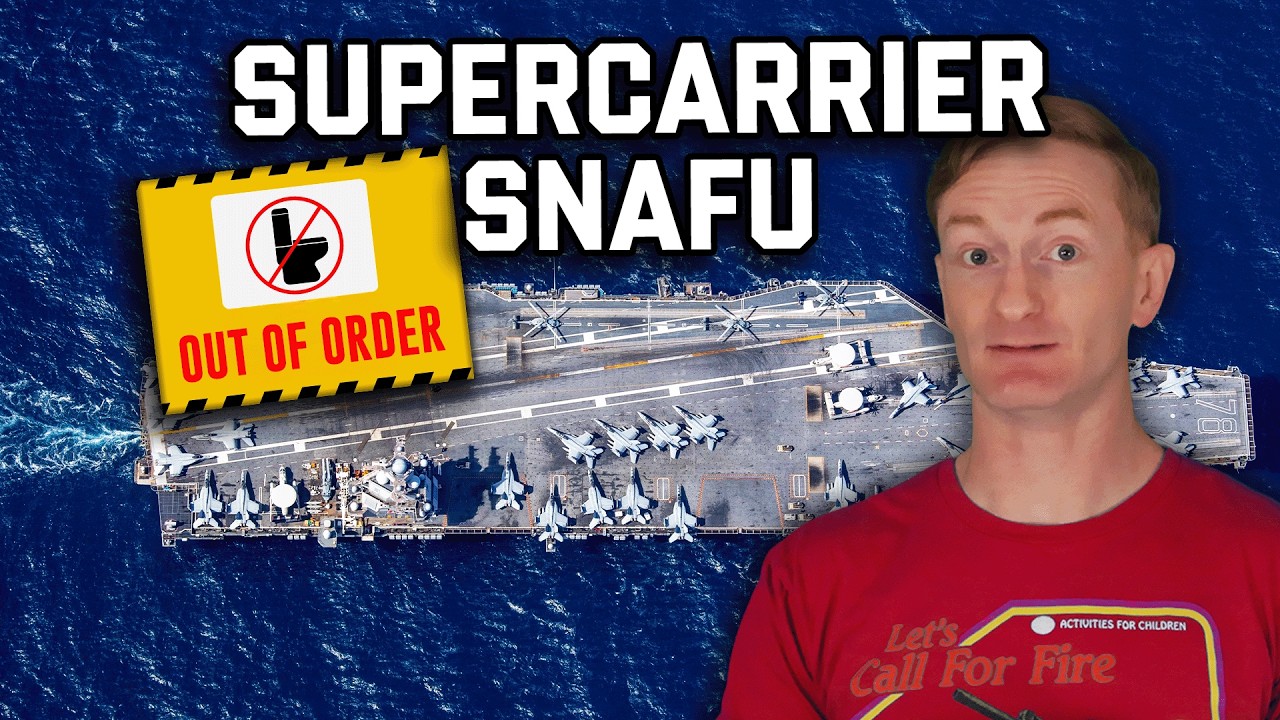
Explanation of the Vacuum Plumbing System
The USS Gerald R. Ford employs an advanced vacuum plumbing system, a design intended to maximize efficiency and conserve space within the confines of the ship. This modern system minimizes water usage, facilitating the disposal of waste with reduced sound and environmental impact. However, its complexity presents inherent challenges that can compromise reliability.
Incidents of Malfunction and Consequences
Reports indicate that the vacuum plumbing system has experienced multiple malfunctions, leading to a scarcity of functioning toilets for the crew. This situation underscores the vulnerabilities associated with cutting-edge technological implementations. The resulting inconvenience not only hampers daily operations but also seriously affects crew morale, creating a domino effect of dissatisfaction that may influence operational readiness.
Impact on Crew Wellbeing
The operational environment on a naval vessel, particularly one of such scale, must prioritize the welfare of its crew. The issues stemming from the malfunctioning toilets can lead to frustration and stress among the personnel, impacting overall wellbeing. As a core aspect of life on board, access to adequate sanitation facilities is crucial for maintaining health and hygiene, which, in turn, supports overall mission efficacy.
Next-Gen Systems and Their Challenges
Introduction to Next-Gen Weapon Systems
The USS Gerald R. Ford is equipped with various next-generation weapon systems designed to provide the United States Navy with an unparalleled tactical advantage. These systems include advanced radar technologies, sophisticated missile systems, and the aforementioned EMALS. The intention behind these innovations is to enhance the ship’s combat capabilities and adaptability in fast-evolving conflict scenarios.
Overview of Emerging Technologies on the Ford
The technologies integrated into the Ford represent the forefront of naval innovation. From automated handling systems to electronic warfare capabilities, these advancements have been designed to streamline operations and improve combat effectiveness. Nevertheless, the interconnectedness of these systems also introduces complexities that may lead to unanticipated failures under stress or high operational demands.
Complexity Leading to Failures
Despite their intended benefits, the complexity of these next-gen systems can lead to operational failures, raising concerns about reliability. The integration of multifaceted components necessitates careful management and maintenance, ensuring that all systems function cohesively. They must withstand the rigors of deployment while remaining accessible for troubleshooting and repair—a challenge that the crew and technical teams are currently grappling with.
EMALS and Arresting Gear Issues
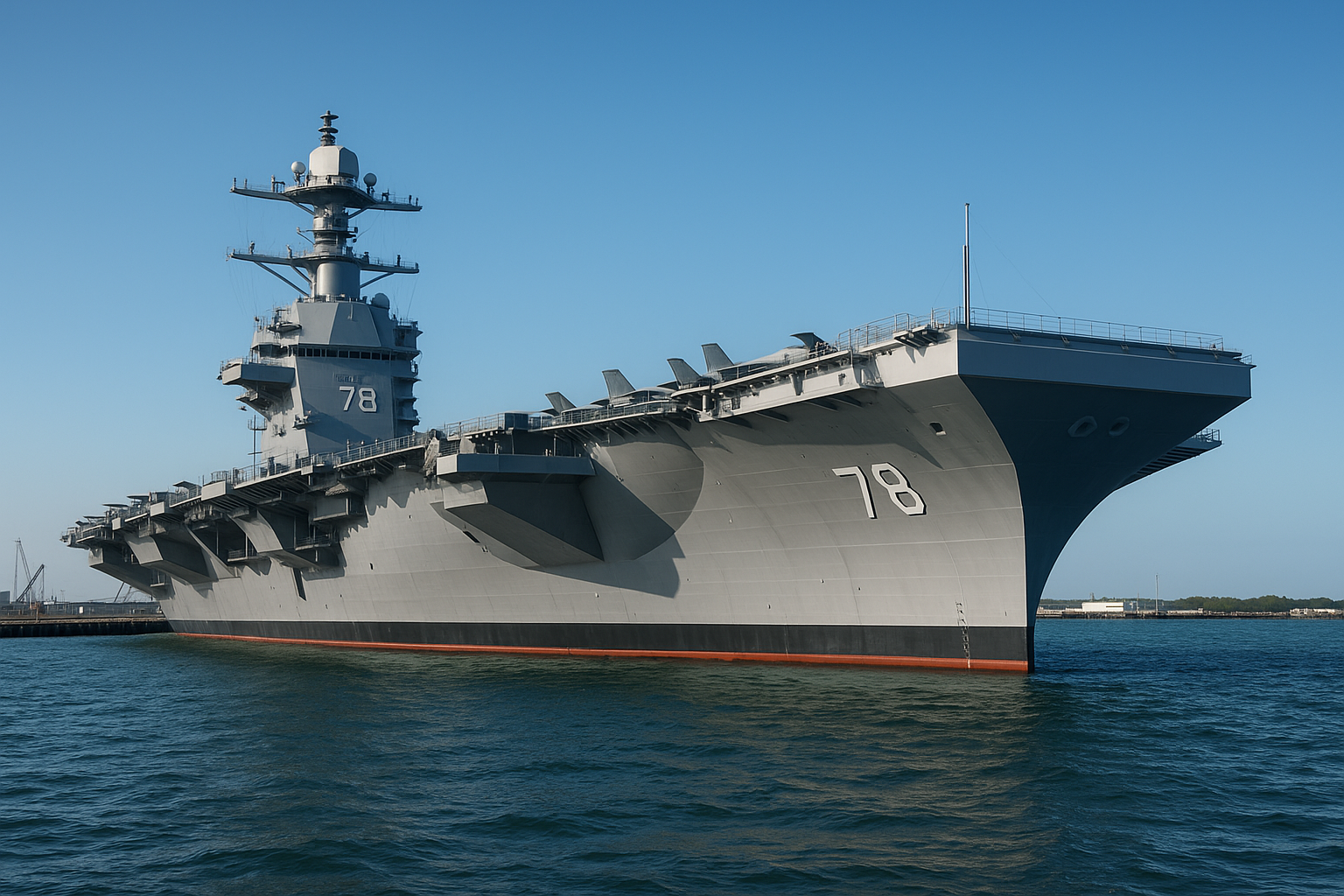
Functionality of the Electromagnetic Aircraft Launch System (EMALS)
The EMALS is heralded as a groundbreaking innovation aimed at replacing the traditional steam catapult systems for launching aircraft from aircraft carriers. This system allows for more precise control over launch parameters, thus enhancing the safety and effectiveness of air operations. Its advanced design theoretically improves efficiency by allowing rapid and repeated launches without the extensive maintenance associated with traditional systems.
Challenges Faced with the Arresting Gear
While the EMALS has been noted as a significant advancement, it is not without its challenges. Issues related to the arresting gear, which is responsible for safely retrieving aircraft upon landing, have also attracted scrutiny. Complications here can lead to safety hazards and operational disruptions, emphasizing the need for ongoing evaluation and adaptation of these systems in real-time.
Implications for Aircraft Operations
The operational reliability of both EMALS and the arresting gear is paramount for maintaining meaningful air operations on the USS Gerald R. Ford. Incidents of failure can severely compromise mission capabilities and strategic outcomes in conflict zones. Continuous oversight and prompt rectification of issues thus become critical in preventing operational setbacks.
Weapons Elevators
Role of Weapons Elevators in Operations
Weapons elevators are crucial for the effective functioning of an aircraft carrier, enabling the swift and efficient transfer of munitions to flight deck personnel. The advanced design of the Ford class aimed to expedite this process, significantly enhancing the speed at which the ship can respond in combat situations.
Reported Problems and Repair Efforts
Nevertheless, the USS Gerald R. Ford has reportedly faced significant challenges with its weapons elevators, leading to delays and disruptions in ammunition transfer. Such failures not only affect the operational tempo of the vessel but also risk placing crew members in precarious situations where access to munitions is hindered.
Impact on Combat Readiness
The impact of these ongoing issues reverberates far beyond technical mechanical problems; they bear significant consequences for the overall combat readiness of the ship. The ability to swiftly arm aircraft is a crucial component of maintaining a ship’s operational capabilities during high-stakes scenarios. Ongoing issues with weapons elevators can impede mission objectives and, ultimately, regional security.
Radar System Concerns
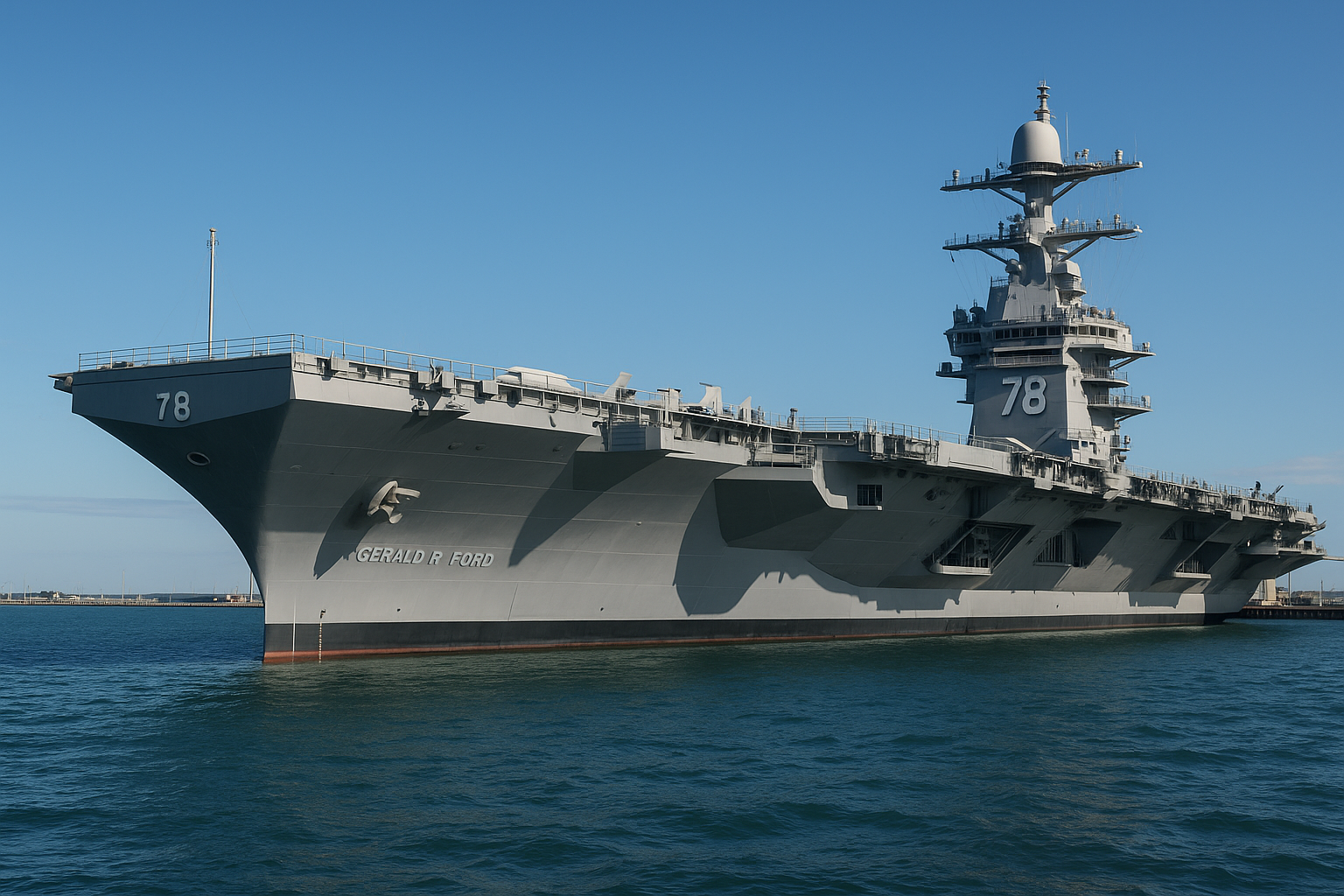
Overview of the Ship’s Radar Capabilities
The USS Gerald R. Ford features an array of advanced radar systems that bolster her surveillance, targeting, and operational planning capabilities. These systems are integral to ensuring that the ship maintains situational awareness in diverse combat and environmental conditions.
Specific Issues Reported
However, the ship has experienced specific problems with its radar systems, raising concerns about operational efficacy and reliability during critical missions. Flaws in such a foundational aspect of naval warfare capability could compromise the effectiveness of the carrier in detection and engagement scenarios, emphasizing the importance of consistent technical reliability.
Potential Consequences in Combat Situations
If issues with the radar systems remain unaddressed, there is a tangible risk to the effectiveness of the USS Gerald R. Ford in engagement situations. A compromised radar could lead to a failure in early detection of threats or coordination of defensive measures, potentially jeopardizing both personnel and mission success.
The F-35C Conundrum
Integration of F-35C on USS Gerald R. Ford
The integration of the F-35C Lightning II on the USS Gerald R. Ford was met with great expectation due to the aircraft’s advanced capabilities and role as a multirole stealth fighter. This aircraft represents a leap forward in naval aviation, offering enhanced situational awareness and combat capabilities.
Technical and Operational Compatibility Issues
However, the relationship between the F-35C and the Ford has been marred by technical and operational compatibility issues. Concerns about interoperability and system integration have surfaced, raising questions about the effectiveness of the carrier’s operational strategy in regard to fighter support and coordination.
Future Implications for Naval Aviation
The challenges presented by the F-35C’s integration may serve as a warning sign for future naval strategies, promoting discussions about the adaptability of carrier systems to accommodate evolving aircraft technologies. Successful resolution of these issues will be imperative for ensuring the effectiveness of future naval aviation operations and maintaining the strategic edge of the U.S. Navy.
Why Are Issues Surfacing Now?
Backlog of Maintenance and Repairs
As the USS Gerald R. Ford has been thrust into high-tempo operations, a backlog of maintenance and repairs has emerged, highlighting vulnerabilities in the ship’s operational lifecycle management. The demanding operational tempo has outpaced the necessary maintenance schedules essential for prolonging the ship’s service life.
Increased Operational Demands
The rising operational demands faced by the Ford underscore the need for a robust support framework that aligns with the carrier’s strategic objectives. This disconnect between operational realities and maintenance capabilities has intensified the pressure on crew and systems, leading to the escalation of the issues discussed.
Recent Combat Testing Feedback
Recent feedback from combat testing has illuminated various shortcomings and areas for improvement. Such insights provide critical opportunities for rectifying deficiencies; however, they also reflect the pressing necessity for timely and structured responses to emerging challenges in vessel readiness.
Conclusion
Summary of Key Issues
In reevaluating the condition of the USS Gerald R. Ford, it becomes evident that a confluence of technical malfunctions, operational demands, and maintenance challenges have surfaced, generating unprecedented strains on this flagship vessel. The issues with the vacuum plumbing system, next-generation systems, and integration of the F-35C are emblematic of a broader narrative of innovation and struggle.
Reflections on the Future of USS Gerald R. Ford
Looking ahead, the USS Gerald R. Ford must confront these challenges head-on to maintain its position as a formidable element of U.S. naval power. The future of this supercarrier will largely hinge on effective management of its maintenance cycles, proactive adaptation of its advanced systems, and fostering a high level of crew morale.
Final Thoughts on Naval Innovation and Resilience
As the U.S. Navy continues to evolve, so too must its strategies for integrating technological advancements with operational imperatives. The experiences drawn from the USS Gerald R. Ford can serve as valuable lessons, emphasizing the importance of adaptive resilience in the face of modern challenges. By learning from these experiences, future naval vessels can aspire to embody the innovation and operability that you would hope to see in the defense of national security.