
The narrative surrounding the First Crusade prominently features a pivotal moment during the 1098 Siege of Antioch, where the discovery of the Holy Lance became a beacon of hope for the beleaguered Crusaders. Starved and surrounded by a formidable army led by Kerbogha of Mosul, the situation appeared dire until Peter Bartholomew, a humble Provençal peasant, claimed divine guidance toward the legendary spear that pierced Christ’s side. The unearthing of this purported relic beneath the Church of St. Peter not only revitalized the troops’ spirit but also solidified the belief that divine intervention was at play during their struggle.
The subsequent events following the Lance’s discovery transformed the Crusaders’ desperate plight into an extraordinary victory. Under the inspirational leadership of figures such as Bohemond of Taranto and Raymond of Saint-Gilles, the soldiers confronted their oppressors with renewed vigor, resulting in a surprising triumph over the numerically superior forces of Kerbogha. While doubts about the authenticity of the Lance and Bartholomew’s fate later emerged, the episode underscores the profound interplay between faith and military ambition during the Crusades, illustrating how belief can dramatically influence the course of history.

Historical Context
Overview of the First Crusade
The First Crusade (1096-1099) marked a pivotal juncture in medieval history, characterized by a call to arms by Pope Urban II. It was ignited by the desire to reclaim Jerusalem and the Holy Land from Muslim control following centuries of Islamic expansion. You should recognize that this appeal resonated strongly across Europe, leading to an extraordinary influx of participants driven by a combination of spiritual fervor, feudal ambition, and social upheaval. The expedition reflects how these intertwined motivations shaped a significant military campaign that sought not only territorial gains but also spiritual salvation.
The Siege of Antioch
Antioch, strategically situated along trade routes between Europe and Asia, became the focal point of the First Crusade. As you delve into the siege that began in October 1097, you must appreciate the complexities involved. This monumental effort lasted over eight months and was characterized by fierce resistance and brutal combat. Held by the Seljuk Turks, Antioch represented both a critical military stronghold and a stronghold of cultural and religious significance within Christendom, marking it as a prize for the Crusading forces.
Importance of Antioch in Crusader Strategy
The significance of Antioch lay not solely in its military value but in its symbolic resonance as a stepping stone toward Jerusalem. For you, understanding this dynamic is crucial, as Antioch served as a logistical base for further operations in the Holy Land. The capture of the city was anticipated to not only enhance the Crusaders’ supply lines but also to solidify their presence in the region, thereby empowering their claims to the territories they sought to reclaim.
The Initial Siege
Crusaders’ Capture of Antioch
Following a series of skirmishes and strategic maneuvers, the Crusaders successfully breached the city’s defenses in June 1098. This marked a significant achievement, but the victory was marred by the immediate realization of a looming threat. As you review this episode, consider the fluctuating fortunes of the Crusaders post-capture—initial triumph quickly gave way to encirclement by a much larger Seljuk relief army.
Response from Seljuk Turks
The response from the Seljuk Turks, under the command of Kerbogha, was swift and decisive. Realizing the vulnerability of the Crusader forces occupying Antioch, Kerbogha amassed an army to besiege the city and cut off any potential escape routes. Their tactical initiative represented a formidable challenge for the Crusaders, who now found themselves besieged and isolated, dwindling in numbers and morale.
Initial Challenges Faced by the Crusaders
You must note the dire conditions faced by the besieged Crusaders, as food shortages and desertions began to plague their ranks. The initial euphoria of capturing the city quickly turned to despair; internal conflict and diminishing supplies presented challenges that jeopardized their mission. As siege warfare intensified, the psychological strain faced by the Crusaders loomed large, setting the stage for an extraordinary twist of fate that would ultimately alter their fortunes.
The Role of Peter Bartholomew
Background of Peter Bartholomew
You should familiarize yourself with Peter Bartholomew, a humble Provençal peasant whose life intersected dramatically with the events of the siege. In the midst of despair, he emerged as a figure asserting a divine calling, reportedly receiving visions that directed him toward a sacred relic—the Holy Lance. His backstory emphasizes the mixed social realities of the Crusaders; individuals from all walks of life contributed to this grand narrative, each believing they could be part of something monumental.
Claim of Divine Visions
The essence of Peter Bartholomew’s claim lies in his assertion that these visions were indeed divine, guiding him to the long-lost spear that pierced Christ during the Crucifixion. Encouraged by the desperate circumstances of the Crusaders, his proclamations provided a flicker of hope in a time of overwhelming adversity. As you contemplate this development, consider how faith could serve as both a psychological anchor and a source of contention among those involved in the Crusade.
Initial Skepticism and Support
Despite his conviction, Bartholomew’s revelations were met with skepticism among some of the Crusaders. You should analyze the nuances of this skepticism, reflecting the larger context of faith and doubt within the Crusader ranks. Yet, as starvation deepened, faith began to gain ground over doubt, leading a burgeoning number of Crusaders to rally behind Bartholomew’s claims, ultimately transforming his narrative into a catalyst for action.
Discovery of the Holy Lance
Excavation Under the Church of St. Peter
The excavation at the Church of St. Peter, prompted by Bartholomew’s visions, is nothing short of remarkable. As you visualize this moment, the atmosphere blending anticipation, skepticism, and hope, you’ll discover that the Crusaders unearthed what they believed to be the Holy Lance. This moment exemplified a crucial intersection between faith and action, illustrating how collective belief could manifest into tangible, albeit uncertain, reality.
Description of the Relic
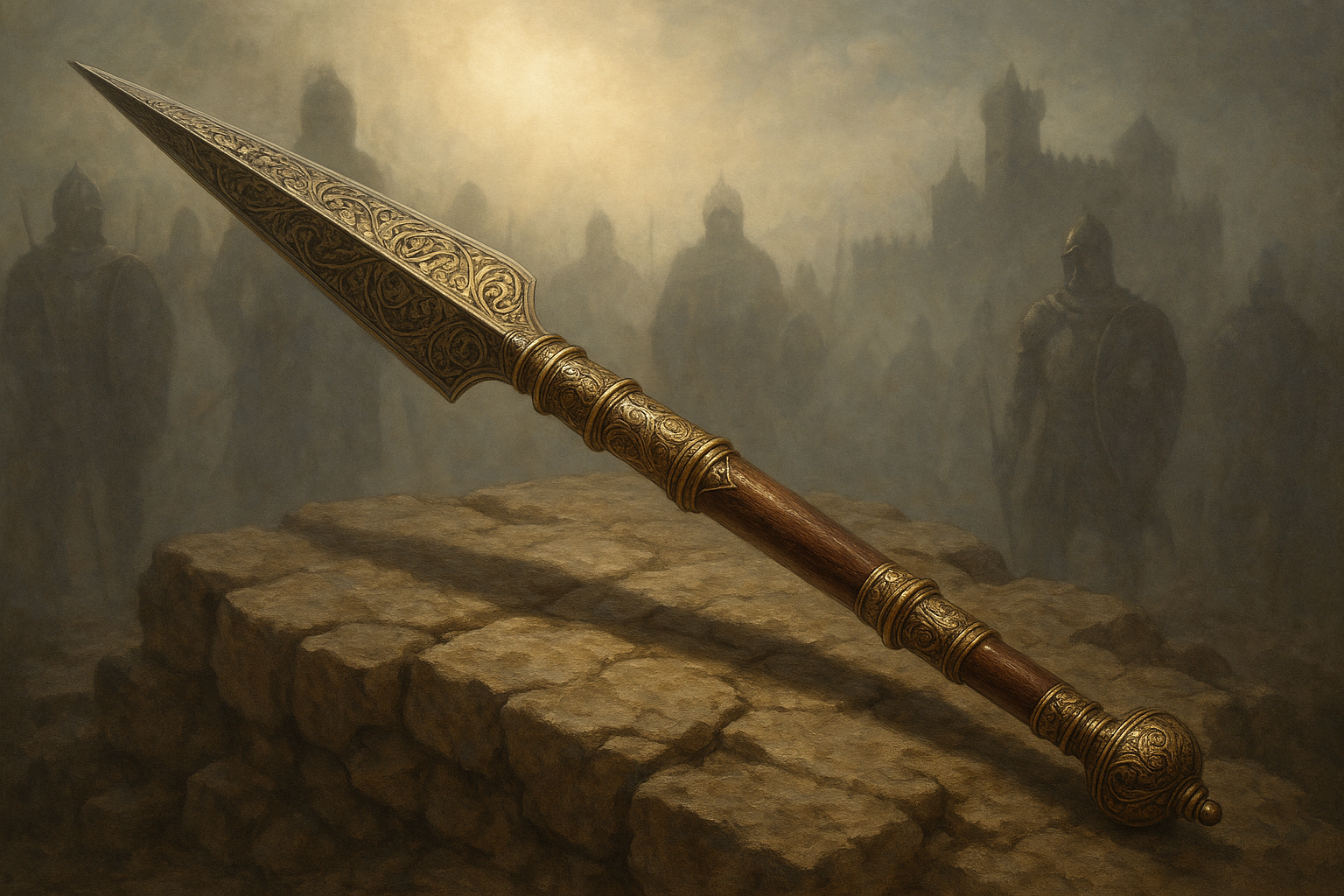
The relic itself was believed to be a weapon of profound historical and spiritual significance. Its description, steeped in legend and religious meaning, further fueled the fervor surrounding its discovery. For you, it is vital to appreciate how relics, particularly those connected to the life of Christ, served to unite and inspire the faithful, providing tangible symbols of divine favor in seemingly dire circumstances.
Reactions of the Crusaders to the Discovery
Upon the discovery of the so-called Holy Lance, a transformation occurred within the Crusader camp; despondency yielded to renewed determination. The reactions ranged from ecstatic belief to cautious skepticism, but overall, the event solidified a newfound sense of spiritual purpose among the Crusaders. As you explore these emotional dynamics, recognize how this singular artifact catalyzed an unprecedented unity of purpose, igniting a resurgence in morale that revitalized contesting forces against overwhelming odds.
Religious Significance
The Symbolism of the Holy Lance
The Holy Lance emerged as a multifaceted symbol of divine intervention and providence. For you, it is essential to consider how the Lance represented not only the physical act of combat but also the spiritual warfare being fought on a more profound level. It served to connect the medieval Christians to their faith, reinforcing the belief that their endeavor was divinely sanctioned as they faced grave adversities.
Impact on Morale and Unity
The Lance awakened a shared sense of purpose among the beleaguered Crusader forces. As they rallied behind the artifact, you can see how faith unified them, bolstering their spirits just when despair threatened to overwhelm their ranks. This newfound unity played a significant role in galvanizing their readiness for upcoming confrontations, as the Crusaders interpreted the Lance as a tangible sign of God’s support.
Interpreting the Lance as a Divine Sign
Through the lens of medieval spirituality, the Holy Lance was interpreted as a divine sign—a clear indicator that the Crusaders had God’s favor. The notion of divine providence in warfare is imperative for your analysis of the Crusades; the Lance served as a focal point for rallying energies, affirming the Crusaders’ sense of mission and establishing the belief that their campaign was predestined to succeed.
Turning the Tide of War
Preparation for the Battle Against Kerbogha
The psychological shift spurred by the discovery of the Holy Lance coincided with substantial military preparations for the inevitable confrontation against Kerbogha’s forces. You should appreciate the strategic dynamics at play, as the Crusaders infused their battle strategy with elements inspired by renewed faith. They marshaled their resources, laying plans for an audacious engagement with their self-styled “enemy of the Faith.”
Leadership Dynamics Within the Crusader Forces
Leadership played a pivotal role during this critical juncture, as the major figures among the Crusaders—leaders such as Bohemond of Taranto and Raymond of Saint-Gilles—rallied their troops with fervor and conviction. Their dynamic embraced a blend of personal ambition and a fervent belief in their spiritual cause. This complex interplay of leadership galvanized the Crusaders, setting the stage for an unprecedented clash with the Seljuks.
Elements of Surprise in the Crusader Strategy
As the Crusaders prepared to engage with Kerbogha’s forces, you will note the innovative strategies they employed. They sought to leverage their surprise element to counteract the disadvantage posed by being outnumbered. Armed with a potent mixture of fervor and desperation, the Crusaders mounted an ambush that would ultimately play a crucial role in altering the tides of war.
The Battle of Antioch
June 28, 1098: Day of the Charge
On June 28, 1098, as the sun rose over the besieged Antioch, the day marked an extraordinary turn of events. You should take special note of the fervent religious observances that punctuated the morning; prayers and rites invoked divine blessings as the Crusaders steeled themselves for battle. This moment culminated in a charge that would go down in history for its audacity and daring.
Key Moments in the Battle
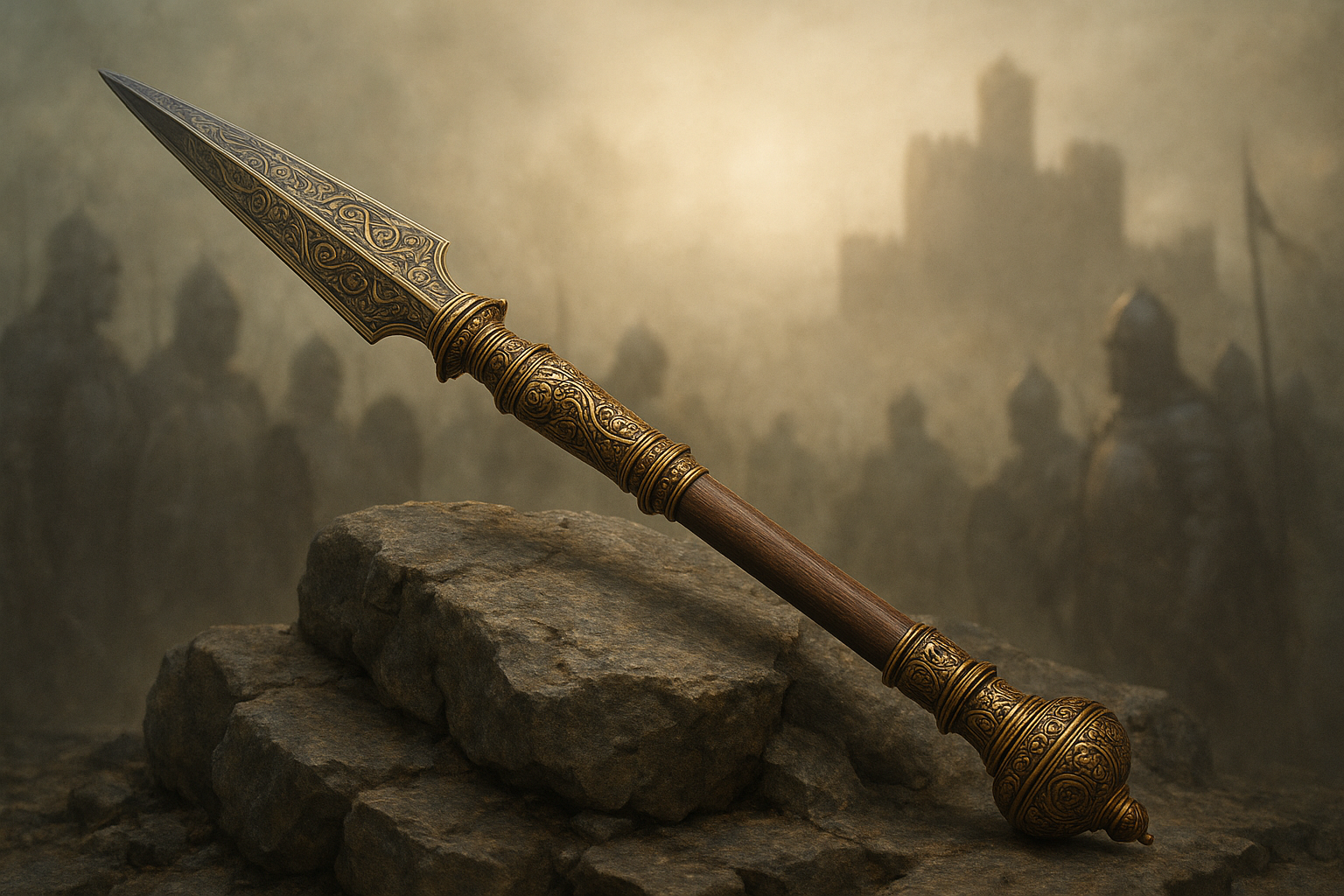
A multitude of chaotic and pivotal moments defined the Battle of Antioch, as the Crusaders, inspired by faith and buoyed by the belief in the Holy Lance’s power, charged forth against Kerbogha’s intimidating forces. Specific key moments—the initial surge to break through enemy lines, the rapid reshaping of tactical formations, and the moment of culmination when the Seljuks faltered—highlight how an inspired but outnumbered army could prevail against formidable odds.
Outcome and Significance of the Victory
The stunning outcome of the battle saw the Crusaders defeat Kerbogha’s greatly superior forces, which not only secured Antioch as a critical stronghold but also shifted the momentum of the First Crusade in favor of the Crusaders. The significance of this victory cannot be overstated; it effectively solidified their progress towards Jerusalem, embedding the Battle of Antioch in historical consciousness as a turning point for Christendom during the Crusades.
Debates on Authenticity
The Aftermath of the Battle
In the wake of their triumph, the Crusaders’ victory was overshadowed by burgeoning controversies surrounding the authenticity of the Holy Lance. This discord introduced an anthropological dimension to the religious fervor—while some maintained that their victory was a direct result of divine favor and sacred relics, others questioned the validity of such claims. You must ponder how the aftermath shaped perceptions of faith and relics in the context of warfare.
Peter Bartholomew’s Trial by Fire
Peter Bartholomew, once a prophet of the Lance’s divine origins, faced scrutiny post-battle. As skepticism grew, he volunteered for a trial of fire to prove the authenticity of the relic. As you explore this tragic episode, consider how it emphasizes the intersection of belief and human frailty—while many hoped for divine vindication, the trial would end in tragedy, illuminating the perils of public claims in an atmosphere where faith was at stake.
Skepticism about the Holy Lance’s Authenticity
Despite the fervor surrounding Bartholomew’s assertions and the victory at Antioch, debates over the Lance’s authenticity persisted. Skepticism reignited doubts that shaped the narrative of the First Crusade. You would be remiss not to integrate this discussion into your understanding of the medieval mindset, where tangible relics often held immense sway over convictions, illuminating the complex interplay of faith, doubt, and social dynamics at such pivotal historical junctures.
Long-term Effects on the Crusades
Consolidation of Crusader Territories
Following their success at Antioch, the Crusaders established a foothold that would facilitate the consolidation of their territories in the region. This integration created a semblance of stability within the fractious landscape of the Near East. You should recognize how Antioch served as a critical base, influencing subsequent campaigns and shaping the trajectory of Frankish and Byzantine relations.
Impact on Future Crusader Campaigns
The triumph at Antioch buoyed the spirit of the Crusaders as they continued their westward expansion toward Jerusalem. Future campaigns were heavily influenced by the momentum and ideological energies ignited during this period. For you, acknowledging the repercussions of the Antioch events provides insight into how successful engagements created a narrative of divine favor that motivated further military endeavors.
Religious and Political Ramifications
You must not overlook the broader implications of these events on both religious and political landscapes. The quest for the Holy Land became not merely a war of conquest but one aimed at consolidating spiritual authority. The dynamics created influenced inter-Christian relations, shaped the evolving relationship between Europe and the Islamic world, and cemented the idea of Crusading as a viable means of engaging with the concept of faith.
Conclusion
Recap of the Turning Point at Antioch
The Siege of Antioch and the discovery of the Holy Lance represent a dramatic turning point in the First Crusade, where faith inspired action and influenced military strategy. You have engaged with a narrative marked by complex interpersonal dynamics, battles shaped by divine invocation, and a profound intertwining of belief and tangible conflict.
Reflection on Faith’s Role in Warfare
As you reflect on this period, consider the multifaceted roles that faith played not just as a source of motivation but as a means of unity, struggle, and even division among warriors who sought not only land but spiritual affirmation. The events at Antioch magnified how collective belief could transcend the barriers of fear, providing both a rallying point and a source of identity for the crusading forces.
The Legacy of the First Crusade Miracle
Ultimately, the legacy of the so-called Holy Lance and the Battle of Antioch extends beyond mere conquests; it serves as a testament to the power of belief in shaping human actions and historical outcomes. Your understanding of this narrative should provoke deeper contemplation regarding the intersection of faith, warfare, and the enduring human pursuit of meaning amid chaos. While authenticity may be debated, the impact of the miracle at Antioch resonates through the annals of history, leaving an indelible mark on the legacy of the Crusades.