
Ragnar Lothbrok’s death, marked by the harrowing scene of a snake pit, stands as a pivotal moment within the annals of Viking lore, encapsulating themes of defiance, ambition, and the inexorable nature of fate. This account not only resonates through Norse sagas but also echoes in various European narratives, reinforcing Ragnar’s legacy as a cultural icon. The graphic depiction of his demise, as he is thrown into a pit of serpents, illustrates both the brutality of his capture by King Aelle of Northumbria and the profound challenges that test a warrior’s mettle.
This exploration further examines Ragnar’s last words, a subject of substantial debate among historians and storytellers. Disparate accounts portray him as either a prophetic figure, imparting wisdom to his sons, or as a resolute warrior proclaiming vengeance and resilience. By analyzing primary sources, including the Saga of Ragnar Lothbrok and the Prose Edda, the narrative dissects the intersection of historical fact and myth, illuminating how legends evolve and inform contemporary understandings of courage, kinship, and the human spirit.
The Legend of Ragnar Lothbrok
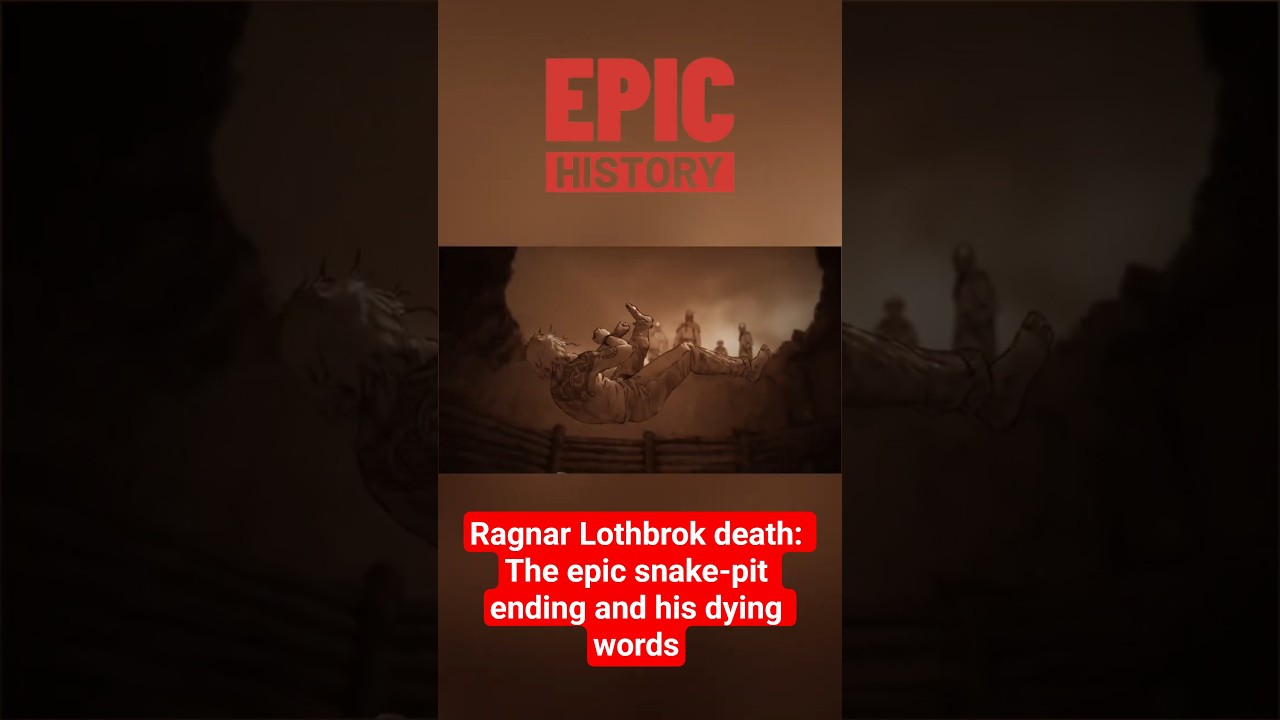
Overview of Ragnar’s Character and Significance in Norse Mythology
Ragnar Lothbrok emerges from the mist of Norse mythology as a complex figure emblematic of the Viking Age’s martial ethos and existential struggles. Enshrined in the sagas, his character embodies the archetype of the heroic warrior: one who balances valor, cunning, and a restless pursuit of glory. Ragnar’s storied exploits offer insight into a culture that revered strength and audacity, positioning him as a pivotal character within the mythos of Norse history. Through his life and deeds, he exhibits the quintessential Viking traits: bravery in combat, loyalty to kin, and an insatiable thirst for adventure, serving as a focal point around which numerous legends and sagas coalesce.
Ragnar’s Exploits and Legendary Status Among Vikings
Ragnar’s narrative unfolds against a backdrop of legendary exploits that stretch from Scandinavia to the shores of England and beyond. Renowned for his raids against the Anglo-Saxon kingdoms, particularly Northumbria, Ragnar solidifies his reputation as both a fearsome warrior and a cunning strategist. Tales recount him battling hostile kings, forging alliances, and even descending into the underworld in pursuit of greatness. His unorthodox methods in warfare and life—involving magical elements and divine encounters—further intensify his legendary status. By transcending the boundaries of mere mortal experience, Ragnar embodies the Viking spirit, making his tales increasingly significant to his contemporaries and subsequent generations.
Connections to Other Viking Legends and Tales
Ragnar’s story does not exist in isolation; rather, it intertwines with a tapestry of other Viking legends, enhancing its richness and depth. He is often associated with figures such as Bjorn Ironside and Ivar the Boneless, his sons who, inspired by their father’s legacy, continue his fight for dominance. These connections create a lineage of heroism that frames Ragnar as both progenitor and symbol, influencing tales of vengeance and valiance passed down through oral and written traditions. Moreover, his infamous encounter with the serpent-strewn demise reflects a broader motif in Viking culture—confrontations with fate and the supernatural.
The Events Leading to His Captivity
Ragnar’s Conflicts with Northumbria’s Kings
The decline of Ragnar’s fortunes can be attributed to a series of escalating conflicts with the kings of Northumbria, most notably, King Aelle. Historical accounts suggest that Ragnar’s ambitions, coupled with a fierce desire for retribution, drew him into confrontations that would lead to his eventual capture. These skirmishes are not merely battles over territory; they serve as reflections of familial and dynastic vendettas, shaping a narrative filled with rivalry, betrayal, and bloodshed. The tragic inevitability of Ragnar’s fate becomes more poignant as these conflicts play out against a landscape of increasing hostility and strategic miscalculations.
Key Battles and Alliances that Led to His Downfall
Ragnar’s downfall is a product of both his own decisions and the alliances he formed with other Viking chieftains. Key battles, such as those waged at York and against Northumbrian troops, not only tested Ragnar’s tactical acumen but also exposed vulnerabilities among his ranks. The fickle nature of Viking loyalties—often swayed by fortune and the promise of loot—compounds the challenges Ragnar faces. His alliances, though initially promising, ultimately dissolve under the weight of betrayal, signaling the treacherous nature of Viking politics and warfare, thus, inscribing him deeper into the annals of tragedy.
The Prophecy Surrounding His Fate
Prophecies play a vital role within Ragnar’s saga, echoing the theme of fate that pervades Norse mythology. As foretold, Ragnar is apprehensive about his destiny—a premonition that becomes integral to understanding his character. Prophetic whispers regarding his demise hint at his ultimate betrayal and serve as an ominous reminder that even the mightiest heroes are ensnared by cycles of fate beyond their control. These elements intertwine his life with notions of predestination, marking him as both a participant in his fate and a victim of the cosmic forces that govern the Viking outlook on life and death.
Capture by King Aelle
The Circumstances of Ragnar’s Capture
The circumstances surrounding Ragnar’s capture are often shrouded in tales of treachery and inevitability, culminating in a defining moment in his narrative. A confluence of battlefield defeats and political maneuverings under King Aelle results in the ambush that ensnares him. This decisive encounter reflects not only Ragnar’s physical vulnerability but also the strategic miscalculations that led him to a fateful confrontation with one of his most formidable foes. Captured amidst a swirl of conflict, Ragnar’s fall from grace serves as the poignant climax to his storied exploits, marking a dramatic shift from the archetypal hero to the captive awaiting his fate.
Character Profile of King Aelle and His Motivations
King Aelle, a potent symbol of the Christian Anglo-Saxon kingship, emerges as a formidable adversary in contrast to Ragnar’s pagan valor. Motivated by a desire to consolidate power and eradicate the Viking threat, Aelle stands at the crossroads of ambition and vengeance, driven by personal and political agendas. His relentless pursuit of Ragnar serves as both a personal vendetta and a patriotic duty, illustrating the complexities of their rivalry. As a character, Aelle represents the militant forces of Christianization that threaten to override the pagan traditions, making his confrontation with Ragnar not just a battle between two men, but a clash of civilizations.
The Role of Betrayal and Ambition in Ragnar’s Downfall
Fundamental to both the Viking worldview and Ragnar’s story is the pervasive theme of betrayal—a ruthless turn of fate manifesting through disloyalty among allies. Ragnar’s ambition to extend his influence ultimately backfires, as the very alliances he crafted in pursuit of conquest unravel. This treachery, underscored by duplicity among his ranks and even among his own kin, propels him firmly into the clutches of Aelle. The entwining of personal ambition with the destructive forces of betrayal not only delineates a tragic trajectory for Ragnar but also speaks to the broader narratives of honor and loyalty within Norse culture.
The Snake Pit: A Brutal End
Description of the Snake Pit and Its Symbolism
The snake pit in which Ragnar meets his grisly end stands as one of the most harrowing and evocative images in Norse lore. Disposed into a pit filled with venomous serpents, Ragnar’s suffering becomes a potent symbol of both his defiance against destiny and the savage cruelty of his captors. The imagery is steeped in layers of meaning, intertwined with notions of purification through suffering, the natural order of predator and prey, and the ultimate existential confrontation between man and fate. Within this brutal context, the snake pit encapsulates the volatility of life and honor in an age where valor is tested against the harshness of reality.
The Psychological and Physical Ordeal Faced by Ragnar
Confronted with the unbearable agony of the serpent-infested pit, Ragnar undergoes a dual journey of physical torment and psychological reckoning. As the venomous creatures surround him, his struggle reflects the quintessential human battle against despair and mortality. This moment transcends mere physical suffering; it becomes a profound exploration of the human spirit’s resilience in the face of inevitable death. Ragnar’s ordeal embodies the sacrifice inherent in the Viking ethos, forever etching his last moments into the fabric of Norse storytelling as a testament to endurance and bravery.
Reactions of the Viking Community to His Capture and Punishment
The capture and impending demise of Ragnar resonate throughout the Viking community, eliciting a whirlwind of responses that range from outrage to calls for vengeance. The psychological impact of his death transcends geographical boundaries, serving as both a rallying cry for his sons and a cautionary tale about the perils of ambition and hubris. His comrades and fellow warriors grapple with the enormity of his loss, propelling the narrative into a collective memory steeped in grief and a thirst for retribution against King Aelle.
The Dying Words of Ragnar
Variations of Ragnar’s Final Words Across Different Texts
Ragnar’s dying words are a point of contention across various sagas, reflecting the multifaceted nature of oral tradition and storytelling. These variations range from poignant reflections filled with foreboding advice to his sons, to strident proclamations of vengeance against his enemies. In this way, his final utterances take on greater meaning, enriching the legend through the diversity of interpretations presented by successive generations. This multiplicity of Ragnar’s last words illustrates the dialectic between history and legend, capturing the imagination of audiences both ancient and modern.
Interpretations of His Words as Warnings to His Sons
Central to the recurring theme of Ragnar’s last words is their interpretive quality; they serve as both a cautionary tale and a stirring rallying cry. Seen as prophetic warnings to his sons, Ragnar’s challenges them to carry on his legacy of vengeance and valor. The insistence on kinship bonds reflects profound cultural values around loyalty and duty, as well as the weight of expectation placed upon the next generation. These interpretations evoke a sense of paternal guidance, underscoring the intricate interplay between familial duty, honor, and the cycle of violence that defines Viking culture.
Analysis of Themes of Vengeance and Defiance in His Farewell
Ragnar’s farewell encapsulates the overarching themes of vengeance and defiance that permeate Norse narratives. His final words resonate as a testament to his unyielding spirit even in the face of impending death, forging a powerful legacy that transcends his physical demise. This imbued sense of rebellion echoes through time, inspiring future warriors and storytellers alike as they grapple with their own challenges. The fundamental transformation from victim to martyr solidifies Ragnar’s status as a heroic figure whose narrative continues to inform Viking ethos long after his demise.
Sources and Historical Accuracy
Primary Sources: Saga of Ragnar Lodbrok and Prose Edda
The primary texts detailing Ragnar Lothbrok’s saga, namely the “Saga of Ragnar Lodbrok” and the “Prose Edda,” offer rich, albeit divergent accountings of his life and legendary exploits. These narratives, while steeped in myth, are crucial for understanding the prevailing cultural and societal values of the Viking Age. Each source presents its own unique perspective on Ragnar’s character, intertwining history with the folklore that pervades Viking culture. While the historical accuracy of these texts is often debated, they serve as pivotal resources for piecing together the complex tapestry of his life.
Comparison with Anglo-Saxon Chronicles
The Anglo-Saxon chronicles provide additional context regarding Ragnar’s legacy within the historical framework of Viking incursions. These accounts often cast the Viking raids in a negative light, framing Ragnar and his followers as marauders rather than as heroic figures. This bias highlights the tension between Viking narratives and those of the societies they targeted and helps delineate the complex interplay between myth, memory, and historical record. Such comparative analysis of these varied texts facilitates a more nuanced understanding of how legends evolve, reflecting as much about the cultures that tell them as about the figures themselves.
Distinguishing Between History and Legend in Ragnar’s Tale
Distinguishing between fact and fiction in Ragnar Lothbrok’s story demands an acknowledgment of the fluidity inherent in oral traditions and myth-making. The interplay between history and legend blurs the lines, complicating our understanding of the Viking Age. While historical figures may have inspired the legend, Ragnar’s exploits as recounted in sagas often reflect a collective consciousness shaped by cultural ideals rather than historical veracity. This duality adds a rich layer of complexity to Ragnar’s narrative, further immortalizing him within both history and mythology.
Cultural Impact and Legacy
How Ragnar’s Death Shaped Norse and European Storytelling
Ragnar Lothbrok’s death in the snake pit reverberates through the annals of Norse storytelling, giving rise to a multitude of tales that highlight the themes of honor, bravery, and revenge. This narrative set a precedent for the depiction of heroism in Norse literature and shaped the contours of European storytelling, where similar motifs of tragedy and valor began to surface. The legacy of Ragnar’s demise transcends geographical boundaries, influencing not only Viking narratives but also later heroic epics in European literature.
Ragnar as a Symbol of Viking Ethos: Courage, Kinship, and Revenge
Ragnar emerges as a potent symbol of the Viking ethos, encapsulating the ideals of courage, kinship, and the relentless pursuit of revenge that defined the age. His story resonates deeply within the cultural memory of the Norse people, serving as an emblem of the fierce warrior spirit and the intricate value system woven into their identity. Through Ragnar, the principles of bravery in battle and loyalty to family continue to inspire narratives, reinforcing the notion that even in death, the spirit of the warrior lives on.
Influence on Modern Depictions in Film and Television
The enduring legacy of Ragnar Lothbrok finds renewed expression in contemporary media, where adaptations present his story to a modern audience. Films, television series, and literature have resurrected his character, often reinterpreting elements of his life in line with contemporary themes of heroism and masculinity. These adaptations reveal a societal fascination with Viking culture and heroism, granting new life to Ragnar’s narrative while simultaneously reflecting modern values, much as ancient sagas served to reinforce cultural norms.
Ragnar’s Influence on Viking Identity
Symbolism of Death in Viking Culture
Ragnar’s death in the snake pit offers profound insights into the Viking conception of death and its relationship with identity. Within the Viking world, death was often perceived not as an end, but as a transitional phase—an integral part of life’s journey toward glorious remembrance or valiant retribution. Ragnar’s end embodies these beliefs, marking his transition from a worldly hero to an eternal symbol of defiance against fate. Such portrayals are imbued with deeper cultural significance, reinforcing the bonds that sustain the identity of the Viking warrior.
Crisis of Honor and Its Implications for Viking Society
The circumstances surrounding Ragnar’s capture and execution illuminate a crisis of honor that reverberates throughout Viking society. His downfall serves as a cautionary tale about the tenuousness of power and life when entwined with pride and ambition. The implications of Ragnar’s fate invoke a broader collective sense of accountability among warriors and leaders, challenging them to navigate the precarious balance between ambition and moral integrity. As such, his story becomes a pivotal point of reflection within Viking cultural memory, contributing to a continued discourse on honor and reputation.
The Legacy of Warrior Mentality in the Context of Ragnar’s Death
Ragnar’s demise solidifies the legacy of warrior mentality that underscores Viking identity, portraying an ideal that valorizes bravery in the face of insurmountable odds. The narrative of his death, as steeped in complexities of fate and revenge, shapes the worldview of subsequent generations—instilling a mindset that celebrates defiance against adversities. His legacy manifests in the enduring chronicles of battles fought and won, encapsulating the very essence of Viking ethos that continues to influence cultural representations of warriors in various forms of storytelling.
Modern Interpretations and Adaptations
Analysis of Ragnar’s Portrayal in Contemporary Media
In contemporary media, Ragnar’s character has undergone numerous interpretations, showcasing a varied spectrum of heroism, villainy, and emotional depth. Recent adaptations frequently emphasize the psychological struggles and personal complexity behind his martial prowess, creating a more nuanced portrayal that resonates with modern audiences. As a cultural icon, Ragnar becomes a vessel into which contemporary themes of identity, vulnerability, and heroism are projected, reflecting an evolving understanding of what it means to be a hero.
The Evolving Understanding of Viking Heroism and Masculinity
Ragnar’s representation in modern storytelling highlights a shift in the understanding of Viking masculinity—from pure valorization of strength to an exploration of emotional and psychological depth. Contemporary adaptations often challenge traditional stereotypes of the Viking warrior, adding layers of humanity and relational dynamics to their depictions. This evolution speaks to broader societal conversations about masculinity and heroism, questioning the enduring constructs while enriching the portrayal of historical figures with greater complexity.
Fan Interpretations and Societal Reflections on Ragnar’s Tale
Fan interpretations of Ragnar’s narrative proliferate across social media and fan forums, further enriching the discourse around his legacy. As audiences engage with Ragnar’s story, they often draw connections to personal experiences and societal themes, creating an active dialogue that transcends the original narrative. Collaborative storytelling emerges as fans share and reimagine Ragnar’s journey, reflecting a collective interplay of cultural memory and resonance that continues to shape the character’s enduring relevance in modern society.
Conclusion
Reflection on Ragnar’s Legacy and Lasting Impact on History
The enduring legacy of Ragnar Lothbrok remains a cornerstone of Norse mythology and cultural memory, instilling values of courage and kinship that resonate throughout history. His story transcends the confines of time, continually inspiring audiences and leaving an indelible mark on our understanding of heroism and humanity within the Viking Age. Ragnar’s transformation from a mortal warrior to a legendary figure encapsulates the relationship between myth and memory, drawing attention to the resonant themes that provide insight into the complexities of life and death.
The Importance of Storytelling in Preserving Cultural Memory
Ragnar’s saga exemplifies the critical role of storytelling in preserving cultural memory against the passage of time. Narratives such as his serve not only as entertainment but also as purveyors of values, norms, and collective experiences that shape community identities. Through the dynamic interplay of oral and written traditions, the legacy of figures like Ragnar ensures that their tales endure, enabling subsequent generations to grapple with the profound questions of existence, honor, and familial duty.
Final Thoughts on the Significance of Courage and Defiance in the Face of Death
Ultimately, Ragnar’s tale persists as a poignant reminder of the significance of courage and defiance in the face of death. His unwavering spirit and tragic end resonate as a powerful testament to the human condition, reflecting the complexities that define our mortality and our quest for meaning. In this way, Ragnar Lothbrok occupies a unique place within the collective consciousness, serving as both a historical figure and a mythic hero whose enduring legacy encourages all to rise against adversity, challenge fate, and seek retribution in the name of honor.