
The global defense landscape is undergoing a significant transformation, marked by an unprecedented surge in military spending, which surpassed $2.7 trillion in 2024. Among the nations capitalizing on this increase is South Korea, which has emerged as a formidable player in the international arms market, supplying advanced weaponry to 23 countries, including the United States. The article explores the competitive advantages of South Korea’s defense industry, highlighting key military products such as the Hanwha Redback IFV and the KF-21 Fighter Jet, and examines the factors motivating nations to seek South Korean military solutions.
In addressing the implications of this trend, the analysis considers the interplay between geopolitical tensions, particularly regarding North Korea, and the urgency felt by European nations to bolster their military capabilities. Additionally, the article provides insights into the limitations and challenges facing South Korea’s weapons exports, offering a comprehensive overview of the current state of global arms sales. By elucidating these dynamics, the discussion contributes to a deeper understanding of the evolving nature of military alliances and defense procurement strategies worldwide.

Overview of Global Defense Spending
Total global expenditure on weapons in 2024
In the year 2024, global defense spending is projected to exceed an astonishing $2.7 trillion. This figure underscores the persistent prioritization of military capabilities amidst geopolitical tensions, technological advancements, and the complex interplay of national security interests. You may find it interesting that this escalation in defense expenditure is not merely a reflection of economic capability but also of the shifting paradigms of security and power. Countries are increasingly allocating resources towards sophisticated weapon systems, modernized military infrastructures, and enhanced capabilities to ensure their national security in a world characterized by uncertainty and volatility.
Trends in military budgets worldwide
Examining the military budgets worldwide reveals a significant upward trend, driven by various factors including economic growth, regional conflicts, and the need for modernization. Countries are not only increasing their spending but are also redesigning their military priorities to incorporate advanced technologies, such as artificial intelligence and cyber capabilities. In your analysis, it is key to note that traditional military confrontations are now coupled with burgeoning demands for tech-driven warfare, signifying a broader transformation within defense policies across nations.
Comparison of defense spending by region
Regionally, spending patterns elucidate the varying security challenges faced by different nations. North America and Asia continue to dominate in military expenditure, while Europe is gradually ramping up its defense budgets in response to emerging threats, notably those posed by Russia and instability in the Middle East. As you delve into the specifics, you will discover that regions with historical tensions, such as East Asia, are reallocating significant financial resources to strengthen their military capabilities. This comparison highlights the importance of understanding the geopolitical context surrounding defense budgets as it plays a crucial role in international relations and security dynamics.
Rise of South Korean Arms Exports
Historical context of South Korea’s defense industry
The ascent of South Korea’s defense industry can be traced back to the 1960s when the country, emerging from the Korean War, recognized the need for self-reliance in defense. Your exploration into this historical context reveals that the transformation was initially driven by the necessity for domestic military capabilities, which subsequently evolved into a competitive arms export market. Over decades, substantial investments in research and development, combined with a focus on technology adaptation, have culminated in a robust defense industrial base capable of producing sophisticated weaponry.
Key milestones in the export journey
On your journey through the milestones of South Korean arms exports, you will encounter critical events such as the 1975 establishment of the Agency for Defense Development (ADD), which catalyzed indigenous research and technological advancements. The 2010s heralded a new era, exemplified by strategic partnerships and successful contracts with international markets. By the time South Korea engaged in notable arms sales, including the exports of the K2 Black Panther tank and the FA-50 fighter jet, it had not only positioned itself as a regional power but also as an emerging player on the global stage.
Projections for future arms sales
Projections for South Korea’s future arms sales are optimistic, particularly as the global defense market continues to expand. You may consider that with ongoing innovations and a growing reputation for high-quality military equipment, South Korea is likely to deepen its foothold across emerging markets. Analysts suggest that by 2030, the country could secure contracts with additional nations in Southeast Asia, the Middle East, and beyond, particularly in light of geopolitical tensions that necessitate enhanced military capabilities.
Competitive Edge of South Korean Manufacturing
Technological advancements in weaponry
One of the primary reasons behind South Korea’s competitive edge in arms exports lies in its commitment to technological advancements. You will observe that the nation has made significant strides in developing cutting-edge technologies, including advanced avionics, precision weapon systems, and cyber warfare capabilities. This relentless pursuit of innovation underpins the creation of next-generation military assets that appeal to modern armed forces seeking to enhance their operational efficacy.
Efficiency in production processes
Efficiency in production processes plays a crucial role in South Korea’s ability to meet global demand. The country has streamlined its manufacturing methodologies, adopting practices that ensure rapid development and delivery times for military contracts. As you analyze this aspect, it is essential to recognize how investments in automation and a skilled labor force contribute to a reduction in costs and production timelines, making South Korean defense systems particularly attractive to potential buyers.
Quality assurance and reliability of products
Another cornerstone of South Korea’s success in the defense market is the unwavering emphasis on quality assurance and reliability. You may find that South Korean military equipment is subject to stringent testing and quality control measures, ensuring that it meets both domestic and international standards. This assurance not only enhances its reputation but also fosters trust among allies and partners who purchase South Korean arms, further cementing the country’s standing in the global defense landscape.
Popular South Korean Weapon Systems
Hanwha Redback Infantry Fighting Vehicle
The Hanwha Redback Infantry Fighting Vehicle (IFV) symbolizes South Korea’s dedication to modern armored warfare. Equipped with advanced sensors and armament systems, this IFV is designed to offer enhanced battlefield survivability and mobility. Your examination of the Redback will reveal how this vehicle has garnered attention from international markets, particularly due to its modular design that allows for versatile configurations based on mission requirements.
KF-21 Fighter Jet capabilities
The KF-21 fighter jet signifies a groundbreaking leap for South Korea’s aerospace ambitions. This next-generation jet, with its stealth capabilities and advanced avionics, targets both domestic defense needs and export potential. By delving into the KF-21’s specifications, you will understand its appeal not just as a tactical combat vehicle but as a symbol of South Korea’s growing independence in high-tech military aviation.
Advanced naval warships and submarines
In naval capabilities, South Korea excels with its advanced warships and submarines, designed to address modern maritime security challenges. The country has developed a range of vessels, including guided missile destroyers and submarines, that are particularly focused on anti-submarine warfare capabilities. As you explore this aspect, it becomes evident that these advancements position South Korea as a critical player in maintaining stability in strategically vital waters.

Geopolitical Factors Influencing Sales
Impact of North Korean threats
The persistent threat posed by North Korea significantly influences the dynamics of South Korean defense exports. You will notice that neighboring countries, particularly those in East Asia, are motivated to bolster their military capabilities in response to North Korean provocations. This geopolitical reality creates a lucrative market for South Korean arms as nations seek to deter potential aggression and enhance their own defense postures.
Regional stability in East Asia
Regional stability, or the lack thereof, also shapes the landscape for arms sales. Heightened tensions between China, Japan, and South Korea create an environment in which military preparedness is paramount. As you analyze this complex regional dynamic, it becomes clear that South Korea’s offerings are increasingly attractive to countries seeking reliable defense partners amid fluctuating alliances and rivalries.
International alliances and partnerships
South Korea’s participation in international military alliances, particularly with the United States and Southeast Asian nations, further enhances its arms export potential. Your exploration of these partnerships will reveal how joint training exercises and collaborative defense policies drive demand for South Korean weapon systems, ultimately contributing to the nation’s standing as a viable military supplier.
Countries Purchasing South Korean Weapons
Countries currently armed by South Korea
Several nations currently purchase arms from South Korea, reflecting the effectiveness of its marketing and production strategies. Countries in Southeast Asia, the Middle East, and even parts of Eastern Europe have opted to acquire South Korean defense equipment. You may find it particularly noteworthy that the commonality in security concerns and a focus on modernization in these regions facilitates a steady demand for South Korean military hardware.
Emerging markets and prospective buyers
Moreover, emerging markets in Africa and South America represent prospective buyers that South Korea has begun to target. As these nations seek to bolster their military capabilities amid internal and regional challenges, the allure of affordable yet advanced weapon systems from South Korea becomes increasingly apparent. You may envision how South Korea’s strategic outreach could develop further in these regions as defense needs continue to grow.
Notable partnerships with major powers like the US
Additionally, the partnerships established with major powers such as the United States intensify the attractiveness of South Korean arms. The alignment of military interests and shared security goals facilitates technology transfer and bilateral arms sales that are mutually beneficial. In examining these notable partnerships, you will uncover how they not only enhance South Korea’s defense export prospects but also solidify its position as a reliable ally in global security.
Europe’s Urgency for Modern Weapons
Shift in European defense strategy
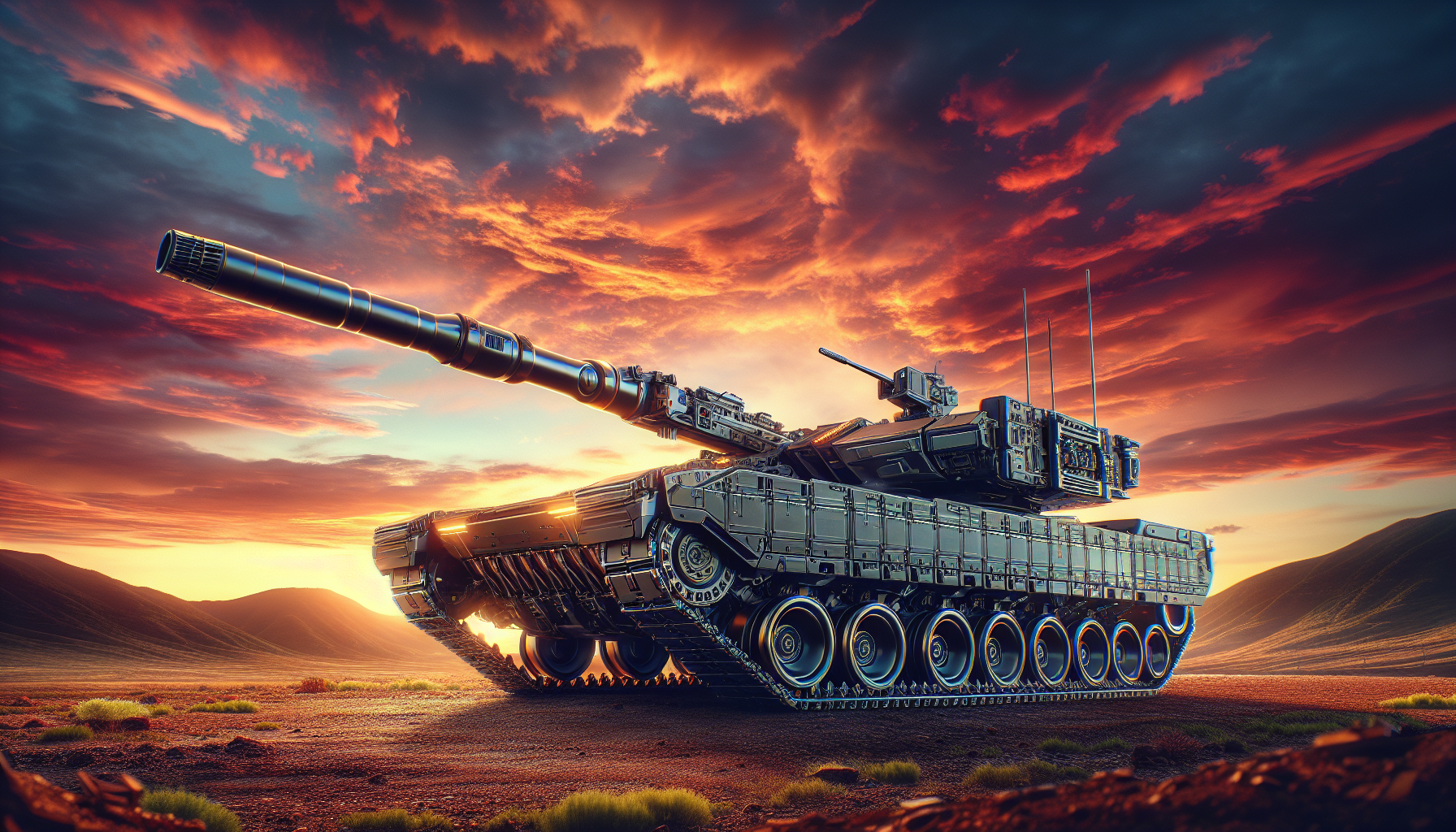
In the wake of heightened tensions, European nations are increasingly recognizing the necessity for modern military capabilities. The recent shift in European defense strategy underscores the urgency to upgrade existing arsenals and enhance preparedness against potential threats. As you examine this shift, the pivotal role that South Korean arms can play in addressing these concerns becomes clear.
Increased demand for advanced military technology
The demand for advanced military technology in Europe is surging, fueled by the desire for sophisticated systems that can effectively address contemporary threats. You might consider how South Korean defense products—renowned for their reliability and cutting-edge features—align seamlessly with European nations’ expectations for quality and performance, thereby creating a fertile market for sales.
South Korean weapons as a solution to regional threats
As geopolitical uncertainties loom, South Korean weapons emerge as a viable solution for European countries facing regional threats. By analyzing how South Korean military offerings complement existing defense strategies, you will grasp the potential for increased arms sales in a landscape that is eager for modernization and enhanced defense capabilities.
Collaboration with the United States Navy
Joint exercises and interoperability
The collaboration between South Korea and the United States Navy is marked by numerous joint exercises aimed at enhancing interoperability and operational readiness. This relationship bolsters the defense capabilities of both nations, while also providing a platform for showcasing advanced South Korean military systems. You may observe that these exercises not only strengthen military ties but also serve as a compelling advertisement for South Korean arms.
Sales of specific weapon systems to the US
The sale of specific weapon systems to the United States further solidifies South Korea’s reputation as a credible arms manufacturer. Your assessment of these transactions reveals that the U.S. reliance on South Korean technology, particularly in areas such as missile defense and naval systems, exemplifies the growing interdependence between these allied nations. This dynamic catalyzes continual investment in South Korea’s defense industry, further fueling its export ambitions.
Strategic implications of US-Korea defense ties
Ultimately, the strategic implications of U.S.-Korea defense ties are significant. Through collaboration and the exchange of technology, both allies enhance their deterrent capabilities against shared threats, most notably from North Korea and regional instability. Your exploration of these implications emphasizes how such partnerships not only benefit national defense but also hold profound consequences for global security dynamics.
Challenges and Limitations
Cost implications for smaller nations
Despite South Korea’s burgeoning arms export market, challenges remain, particularly for smaller nations confronted with steep costs associated with modern weaponry. You will find that the financial implications of purchasing advanced military equipment often deter many potential buyers, underscoring the need for competitive financing options and packages to accommodate the fiscal realities of these nations.
Dependence on foreign technology
Dependence on foreign technology also presents an obstacle for South Korea as it seeks to expand its defense exports. The reliance on certain components sourced from international suppliers can complicate production processes and raise concerns about self-sufficiency. As you analyze this dependence, it becomes apparent that maintaining a balance between domestic innovation and foreign cooperation is critical to sustaining its competitive edge.
Political and diplomatic hurdles in arms deals
Political and diplomatic hurdles further complicate the landscape of arms sales. Navigating international relations and ensuring compliance with various arms control agreements requires adept diplomatic maneuvering. Your examination of these factors may lead to the conclusion that South Korea must enhance its engagement strategy to foster acceptance and facilitate smoother arms transactions in a globally interconnected yet politically fragmented environment.
Conclusion
Summary of key points
In summary, South Korea’s rise as a prominent player in the global arms market reflects broader trends in defense spending worldwide and the unique advantages offered by its manufacturing capabilities. From the historical evolution of its defense industry to the specific weapon systems in demand, you have gained insights into the factors shaping this remarkable ascent.
Implications for the future of global arms sales
The implications for the future of global arms sales are compelling, as South Korea positions itself to meet the needs of an evolving geopolitical landscape. With its competitive edge in technology, production efficiency, and reliability, the potential for further expansion into emerging markets is substantial.
Final thoughts on South Korea’s role in global security
Ultimately, South Korea’s role in global security is increasingly critical. As nations around the world reassess their defense strategies and seek reliable partners, South Korea stands poised not merely as an arms supplier but as a key player in fostering stability and security. In your final reflections, consider the interplay of technology, geopolitical dynamics, and economic factors that will continue to shape the landscape of global arms sales for years to come.