
South Korea’s defense industry has experienced significant growth, paralleling a global trend of increased military expenditure. This escalation in defense spending reflects not only geopolitical tensions but also a strategic pivot towards modernizing military capabilities. The country’s advancements in weaponry and defense technologies have garnered attention from international markets, positioning South Korea as a key player in the global arms trade.
This analysis will explore the factors driving South Korea’s defense boom, the implications for regional security, and the overarching consequences of this military transformation on a worldwide scale. By examining the dynamics of military spending shifts, you will gain insight into how South Korea’s burgeoning defense sector is reshaping defense policies and economic strategies not just locally, but also in the broader context of international relations.
South Korea’s Defense Boom: An Academic Overview
Overview of South Korea’s Defense Landscape
Historical Context of Military Development
In understanding the current state of South Korea’s defense capabilities, one must consider the historical trajectory that shaped its military landscape. Following the Korean War (1950–1953), South Korea faced significant challenges in rebuilding its military capabilities, driven largely by the division of the Korean Peninsula and the threat from the North. During the Cold War, South Korea relied heavily on U.S. military assistance and technology to establish a formidable defense posture. However, the need for self-reliance grew over time, particularly in response to North Korea’s growing military threats. Since the late 20th century, South Korea has embarked on a journey toward a more autonomous defense capability, leading to substantial investments in indigenous military technologies and research.
Current State of South Korea’s Defense Industry
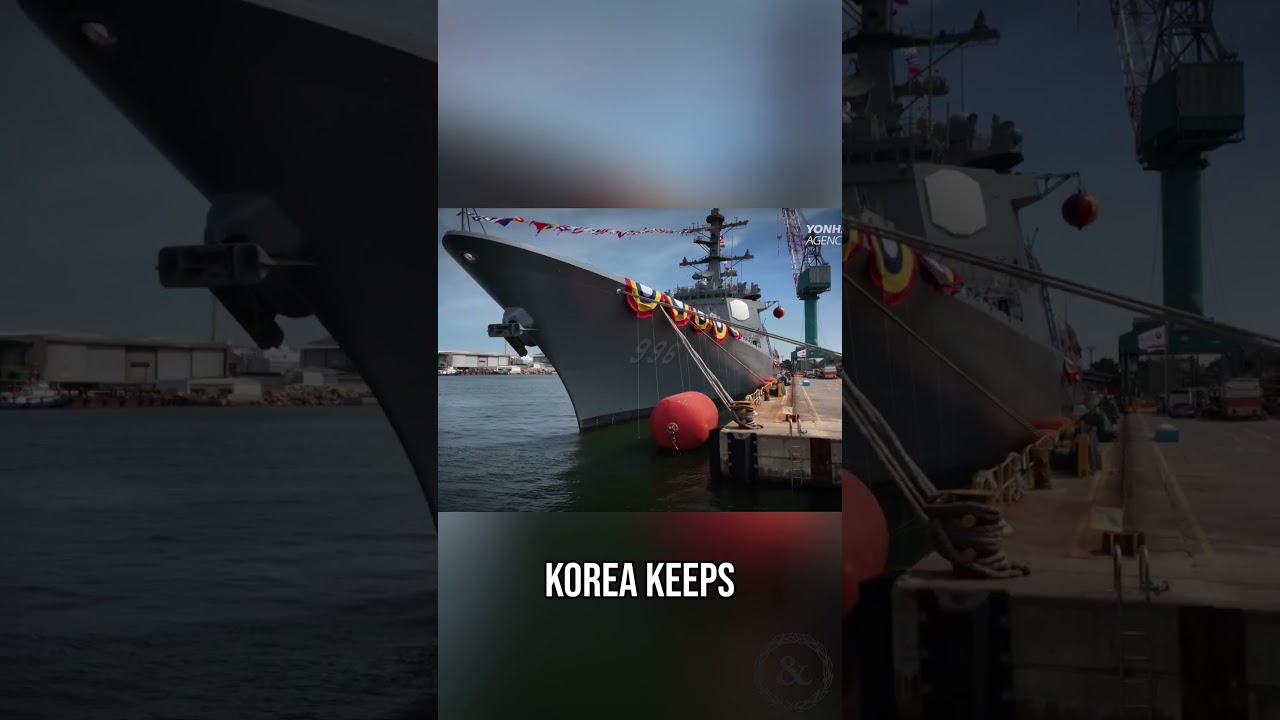
Today, South Korea’s defense industry is characterized by robust growth and modernization. The country boasts an advanced military technology sector, recognized for producing sophisticated weapon systems, including fighter jets, naval vessels, and missile systems. South Korea has shifted from a historically import-dependent defense model to one that prioritizes domestic production, aiming to reduce reliance on foreign military suppliers. This industrial evolution has been supported by favorable government policies and a commitment to fostering indigenous innovation in defense technology.
Key Players in the Defense Sector
The South Korean defense sector comprises both state-run and private entities. Major state-owned enterprises, such as the Korea Aerospace Industries (KAI) and Hanwha Defense, play pivotal roles in the development and production of military hardware. Additionally, several private firms have emerged as key players, contributing to a competitive landscape that drives innovation and efficiency. Collaboration between governmental bodies and the private sector has facilitated the growth of a dynamic defense industry capable of meeting both domestic needs and international demand.
Global Trends in Military Spending
Post-Pandemic Military Spending Surge
In the wake of the COVID-19 pandemic, many nations have reassessed their defense budgets, resulting in an unprecedented surge in military spending. Concerns surrounding geopolitical stability, resource security, and the impact of pandemics on national security have prompted countries to increase allocations for defense. This trend is not isolated to South Korea; it reflects a broader global realignment of defense priorities where nations are striving to enhance military readiness in an increasingly unpredictable world.
Shifting Geopolitical Dynamics
The shifting geopolitical landscape has been instrumental in driving military spending trends. Rivals such as China and Russia are actively modernizing their military capabilities, prompting neighboring countries, including South Korea, to bolster their defenses. The emergence of new threats, ranging from technological warfare to cyber threats, has catalyzed a comprehensive reevaluation of military strategies worldwide. This climate of uncertainty necessitates enhanced collaboration and proactive investment in defense capabilities, leading to increased budgetary commitments across the globe.
Emerging Threats and Their Impact on Defense Budgets
Emerging threats, such as terrorism, cyber warfare, and hybrid conflicts, are fundamentally altering the defense landscape. The integration of advanced technologies, such as artificial intelligence and unmanned systems, has compelled military planners to rethink traditional defense strategies. Consequently, countries like South Korea are facing pressure to adapt their defense budgets to accommodate these evolving threats, necessitating investment in not only military hardware but also intelligence, surveillance, and reconnaissance capabilities.
Factors Driving South Korea’s Defense Boom
Technological Advancements in Defense Capabilities
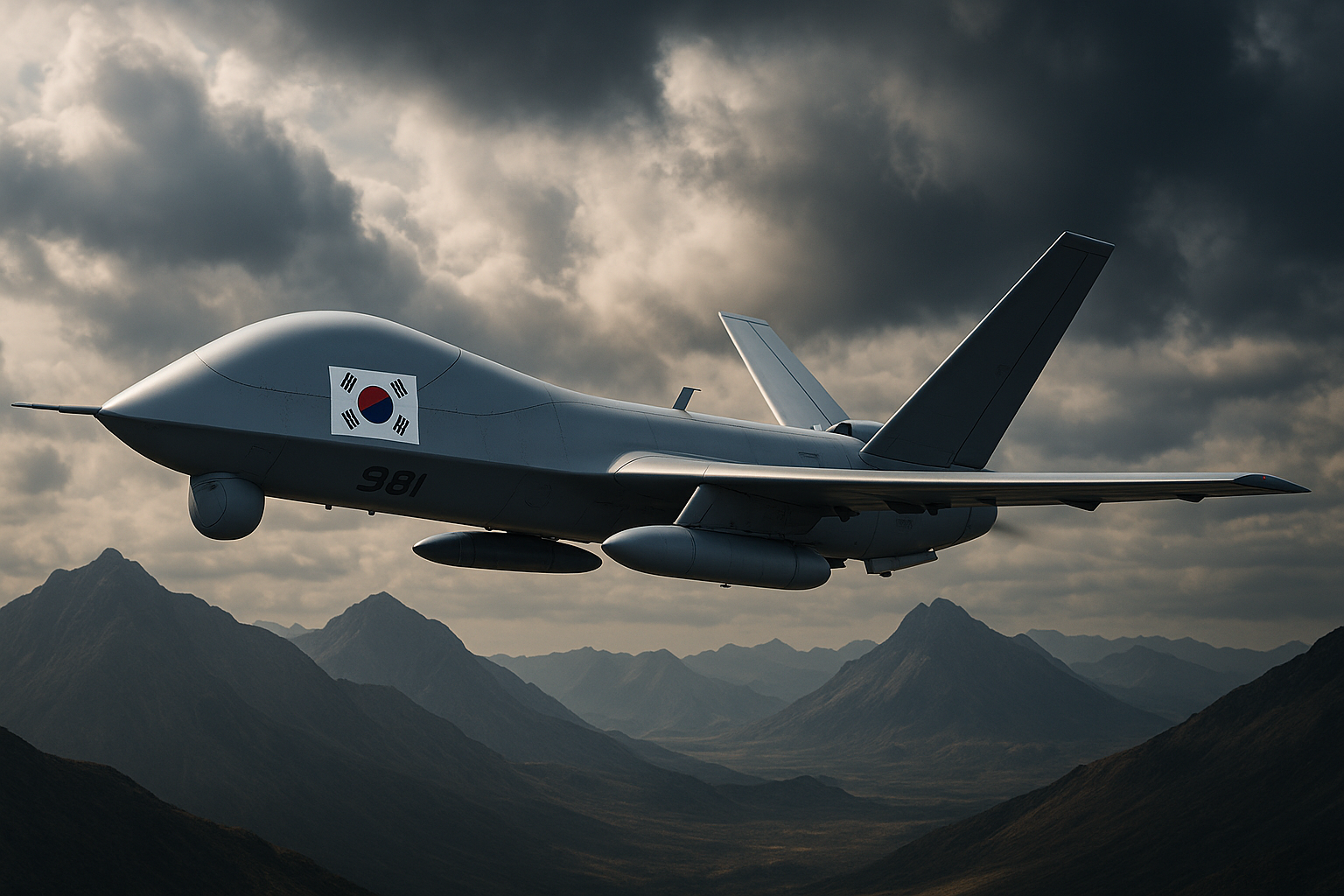
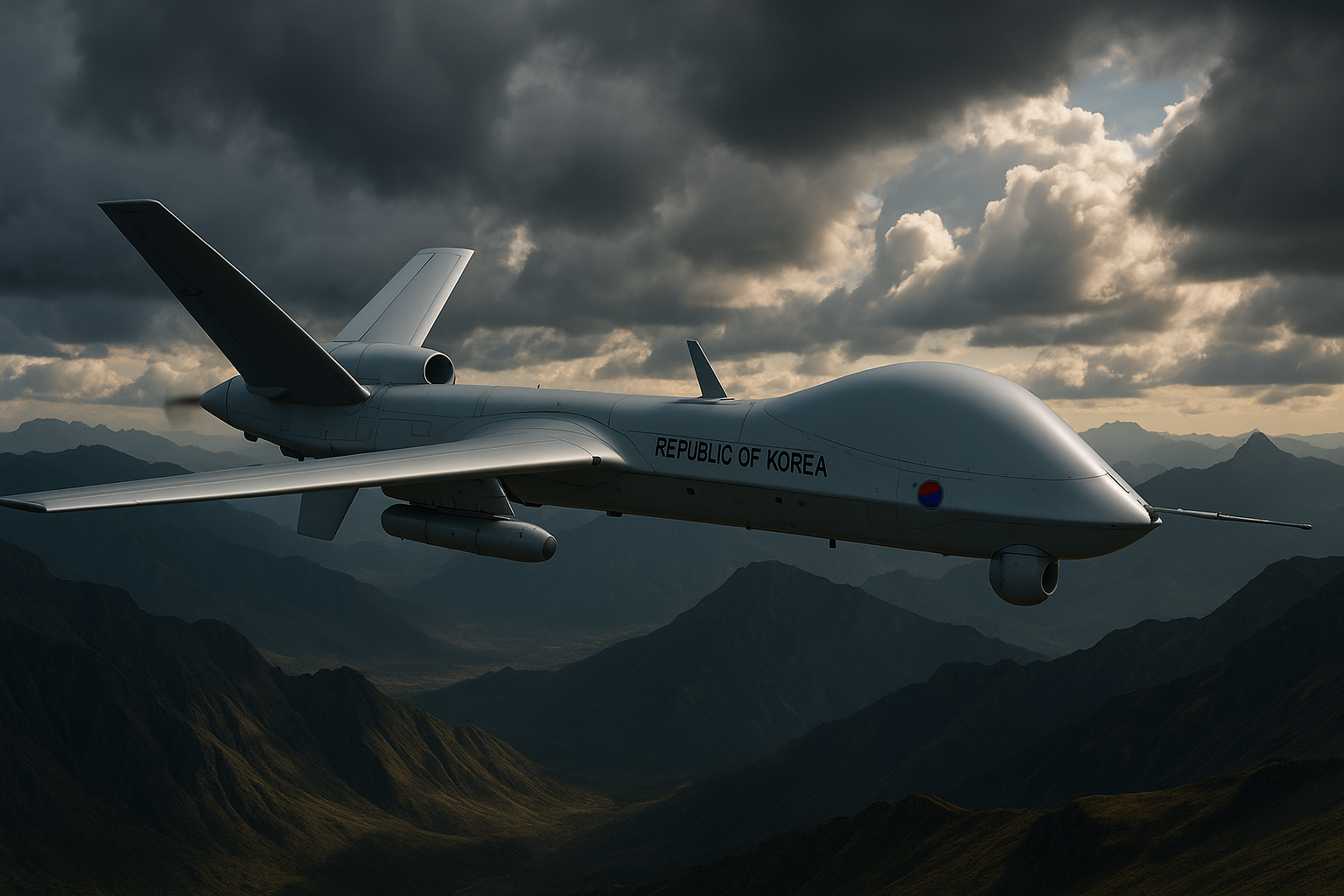
A significant driver of South Korea’s defense boom is the rapid advancement of technology within the military sector. South Korea is at the forefront of developing cutting-edge defense technologies, including stealth capabilities, advanced missile systems, and drone warfare technologies. This commitment to technological superiority enables South Korea to enhance its national security posture and assert its role within the regional power dynamics of East Asia.
Government Initiatives and Policies
The South Korean government has instituted a framework that prioritizes defense spending and technological innovation. Initiatives such as the Defense Acquisition Program Administration (DAPA) play a critical role in facilitating investment in military capabilities. Policies aimed at promoting research and development have led to public-private partnerships that enhance the country’s defense self-sufficiency. By channeling resources toward these initiatives, the government fosters an environment conducive to sustained growth and innovation within the defense sector.
Increased Export Opportunities
The defense industry in South Korea is increasingly capitalizing on opportunities to export military hardware to foreign markets. As global demand for weapons systems rises, South Korean firms find themselves well-positioned to offer competitive products. This shift is not only bolstering the country’s economic growth but is also elevating its status as a significant player in the global arms market. By enhancing their export potential, South Korean defense companies can reinvest in technological advancements, further fueling the defense boom.
Major Defense Projects in South Korea
Development of Indigenous Weapon Systems
One of the cornerstones of South Korea’s defense strategy is the development of indigenous weapon systems. Programs such as the KFX fighter jet project and the K2 Black Panther tank exemplify the nation’s commitment to self-reliance. These projects reflect not only technological prowess but also the strategic objective of reducing dependency on foreign supply chains while ensuring that military capabilities align with national security needs.
Collaboration with Global Defense Firms
Despite its emphasis on indigenous capabilities, South Korea acknowledges the value of collaboration with established global defense firms. Partnerships with companies in the United States and Europe help transfer essential technologies and expertise. Such collaborations enhance South Korea’s defense capabilities while allowing its firms to glean insights from more established military producers, further developing their competitive edge.
Investment in Cybersecurity and Space Defense
As cyber threats increasingly challenge national security, South Korea is investing heavily in cybersecurity initiatives. Protecting critical infrastructure and military networks has become a priority, prompting the establishment of specialized agencies and units focused on cyber defense. Furthermore, with the rise of space as a new domain for military conflict, South Korea has also initiated investments in military space capabilities, ensuring it maintains a strategic advantage in this emerging battlefield.
South Korea’s Role in the International Defense Market
Rise as an Arms Exporter
South Korea has emerged as a notable arms exporter in recent years. The country has developed a reputation for producing advanced military technology, making it appealing to foreign nations seeking reliable defense systems. From naval vessels to armored vehicles, South Korean exports are gaining traction, contributing to its growing influence on the global stage.
Strategic Partnerships and Alliances
Strategic partnerships, particularly in the context of U.S.-South Korea relations, bolster South Korea’s position as an arms exporter. Through cooperative agreements, South Korea can enhance its military capability while simultaneously solidifying its role as a key player in regional security. These alliances enable South Korea to engage in joint development projects and leverage shared resources to amplify its defense capabilities.
Competition with Other Defense-Producing Nations
As South Korea’s defense exports rise, so too does competition from other nations. Countries such as Turkey, India, and Brazil are also developing their defense industries and seeking a share of the global arms market. South Korea must navigate this competitive landscape by continuously innovating and demonstrating the efficacy of its defense offerings, ensuring that it retains its position as a preferred supplier for international buyers.
Impact of North Korea on Defense Strategies
Response to North Korean Aggression
North Korea’s provocative military actions—such as missile tests and nuclear advancements—have compelled South Korea to adopt a proactive defense stance. The perpetual threat posed by North Korea drives South Korea to bolster its military capabilities and invest significantly in both defensive and offensive systems. These considerations underline the urgency behind ongoing military development and preparedness in the face of potential aggression.
Military Readiness and Strategic Deterrence
To counter North Korean aggression effectively, South Korea has prioritized military readiness and strategic deterrence. This strategy involves enhancing military capabilities, conducting joint military exercises with allies, and reinforcing defensive postures along the Korean Peninsula. The overarching objective is to deter North Korean aggression through a credible defense that showcases military readiness and technological superiority.
Influence on Joint Military Exercises with Allies
The North Korean threat significantly influences South Korea’s collaborative military exercises with allies, particularly the United States. These joint exercises serve as both a demonstration of military capability and a critical component of strategic deterrence against North Korea. Continuous engagement in these drills not only enhances interoperability but also establishes a unified front against potential aggressors.
Emergence of Defense Cooperation in the Region
Joint Ventures with Southeast Asian Countries
As South Korea’s defense capabilities mature, it is increasingly engaging in joint ventures with Southeast Asian nations. Countries such as Indonesia, the Philippines, and Malaysia are seeking to enhance their military capabilities through partnerships with South Korean firms. These collaborations allow South Korea to expand its influence in the region while assisting its partners in achieving greater defense self-sufficiency.
Collaboration with the United States and NATO
South Korea’s defense collaboration with the United States and NATO extends beyond mere exercises. It encompasses technology sharing, intelligence cooperation, and joint development initiatives. This collaboration strengthens not only South Korea’s defensive capabilities but also the strategic architecture of the broader Indo-Pacific region.
Strategic Implications for Regional Security
The emergence of closer defense cooperation among Asian nations, particularly with South Korea as a key player, carries significant strategic implications. It reflects a collective response to rising regional threats and shifts in the power balance. Such alliances foster a cooperative security framework that enhances stability and deters potential aggressors, thereby contributing to a more secure geopolitical landscape.
Challenges Facing South Korea’s Defense Boom
Budget Constraints and Economic Considerations
Despite the defense industry’s robust growth, South Korea faces budgetary constraints that could impact future developments. Allocating substantial resources to defense while addressing civilian needs represents a formidable challenge for policymakers. As geopolitical tensions rise, the necessity for expenditure on defense may clash with economic priorities, demanding a careful balancing act.
Domestic Opposition to Military Expansion
There exists a segment of the South Korean populace that expresses opposition to military expansion, driven by concerns over militarization and its impact on society. Public sentiment often emphasizes the importance of diplomatic resolutions over military solutions, posing a challenge for government policymakers as they navigate defense strategies amidst differing opinions on military spending and priorities.
Balancing Civilian Needs with Military Requirements
Achieving a balance between military needs and civilian priorities is increasingly vital for South Korea. Defense budgets must be carefully crafted to address pressing societal issues such as economic development and social welfare while ensuring that national security needs are adequately met. This dual focus necessitates strategic deliberation on resource allocation and long-term priorities.
Future Prospects for South Korea’s Defense Industry
Potential Growth Areas and Innovations
Looking forward, South Korea’s defense industry is poised for continued growth, particularly in areas such as artificial intelligence, drones, and cybersecurity. Innovations in these fields promise to redefine traditional military strategies and enhance the overall efficacy of defense systems. The pursuit of technological advances will be pivotal for maintaining competitiveness in an evolving global defense landscape.
Long-Term Strategies for Sustainability
Long-term sustainability of South Korea’s defense industry will depend on fostering a culture of continuous innovation and adaptability. Policymakers must promote a strategic vision that prioritizes research and development, workforce training, and environmental sustainability. Through such initiatives, South Korea can ensure that its defense industry remains resilient and responsive to future challenges.
Impact of Global Arms Treaties and Regulations
As international arms treaties and regulations evolve, South Korea must navigate a complex landscape of compliance and opportunities. These regulations can both constrain and enable defense export strategies. Engaging proactively with international frameworks will be essential for South Korea to secure its interests while contributing to global security initiatives.
Conclusion
Summary of Key Findings
In summary, South Korea’s defense landscape is characterized by a rich historical context that informs its present capabilities, a remarkable defense industry supported by technological advancements and government initiatives, and a strategic response to regional threats, particularly from North Korea. Global trends indicate a rise in military spending, driven by shifting geopolitical dynamics and emerging threats, which South Korea is well-positioned to leverage.
Implications for Global Military Dynamics
The implications of South Korea’s defense boom extend beyond its borders. As it enhances its military capabilities and competitive stance as an arms exporter, South Korea influences global security dynamics and regional stability in East Asia. The interplay of these developments may significantly reshape alliances and deterrence strategies in the broader Indo-Pacific region.
Final Thoughts on South Korea’s Place in the Defense Market
In the intricate tapestry of global military dynamics, South Korea occupies a distinctive position. Its commitment to self-reliance, technological innovation, and international collaboration places it at the forefront of a rapidly changing defense landscape. As global military needs evolve, South Korea’s defense sector will continue to play an essential role, contributing not only to national security but also to regional and global stability in an increasingly complex world.