
The current state of vehicle readiness within the Army and Marine Corps has raised significant concerns regarding operational effectiveness. A recent report from the Government Accountability Office (GAO) underscores critical deficiencies in maintenance and overall fleet preparedness. Despite increased financial investments, both branches are struggling to meet essential readiness standards for their vehicle inventories.
This article examines the implications of these findings, highlighting the challenges faced by military leaders in addressing vehicle readiness issues. It will explore the causes of the maintenance backlog and the potential risks posed to national security if these problems remain unaddressed. Furthermore, it will provide insight into what measures may be necessary to enhance fleet readiness in the future.

Current Readiness Status
Overview of Army Vehicle Readiness
In the contemporary military landscape, the readiness of Army vehicles is paramount to operational success. The current state of the Army’s vehicle fleet exhibits a troubling trend; despite increased financial allocations, vehicle readiness remains inconsistent. Reports reveal that a significant proportion of the fleet fails to meet established readiness standards. This inadequacy impacts not only morale but also the strategic capabilities of the Army, as soldiers depend on operational vehicles for effective training and mission execution. In understanding the readiness status, one must consider the complexities of maintenance logistics, the aging infrastructure, and the evolving demands of modern warfare.
Overview of Marine Corps Vehicle Readiness
Similarly, the Marine Corps faces its own challenges regarding vehicle readiness. The fleet, integral to amphibious assault and rapid response missions, is experiencing deterioration in readiness levels. Equipment such as the Joint Light Tactical Vehicle (JLTV) and various armored platforms are not fully mission-capable. Like the Army, the Marine Corps has witnessed a disconnect between funding and actual vehicle maintenance outcomes. The disparities found in vehicle readiness within the Marine Corps raise critical questions about operational preparedness and the ability to fulfill the Corps’ rapid response mandate in increasingly volatile global scenarios.
Comparative Analysis of Readiness Levels
When comparing vehicle readiness levels between the Army and the Marine Corps, one uncovers a nuanced picture of capability and preparedness. While both branches are contending with similar maintenance issues, the Marine Corps’ smaller fleet makes the impacts of unprepared vehicles particularly acute. The Army, with its broader range of vehicles, offers a diverse capability that can offset some issues in individual categories but still struggles to meet overall readiness thresholds. Thus, the comparative analysis highlights that while both branches share common challenges, they must navigate distinct operational imperatives that shape their readiness profiles.
Historical Context
Impact of Previous Conflicts on Vehicle Maintenance
The historical backdrop of military conflicts significantly shapes current vehicle maintenance practices and readiness levels. Lessons from engagements such as Operations Iraqi Freedom and Enduring Freedom demonstrated the urgent need for rapid vehicular deployment and timely maintenance. Consequently, the wear and tear on Army and Marine Corps vehicles during these sustained operations necessitated a reevaluation of maintenance strategies. Policies evolved to emphasize lifecycle management and preventive maintenance; however, the implementation of these lessons has been inconsistent, complicating the readiness landscape today.
Changes in Military Doctrine Affecting Vehicle Needs
Changes in military doctrine also influence the requirements for vehicle readiness. The shift toward multi-domain operations necessitates versatile vehicles capable of operating in various environments yet the current fleet often lacks the modernization needed to meet these evolving combat scenarios. The integration of unmanned systems and joint operations emphasizes the need for vehicles that can support such operations. Consequently, military doctrine may suggest a greater emphasis on technological adaptability and tactical integration, enhancing demands placed upon vehicle maintenance and operational readiness.
Historical Vehicle Procurement and Allocation Practices
Historically, procurement and allocation practices for military vehicles have evolved through shifts in administrative strategy and wartime exigencies. The patterns established by previous procurement decisions often create long-term implications for readiness. The prioritization of immediate wartime needs has led to hasty procurement runs, frequently resulting in mismatched vehicle capabilities and operational overreach. As the military looks towards modernization, it must confront not only the historical precedents but also reform procurement practices to align with contemporary requirements effectively.
Funding and Budgetary Constraints
Recent Budget Allocations for Maintenance and Procurement
In recent fiscal years, budget allocations for vehicle maintenance and procurement have seen significant variations. Although there has been a concerted effort to increase funding for military readiness, much of this financial injection has not translated to real operational improvements. The disparity between budgetary support and actual maintenance outcomes indicates a malfunction in the system, one that could stem from both bureaucratic obstacles and misaligned priorities in resource allocation.
Evaluation of Budget Efficacy
The efficacy of current budget practices demands rigorous evaluation. Instances where funds are allocated but fail to improve fleet readiness highlight a critical need for accountability in spending. Strategies must evolve to ensure that financial resources are directly linked to tangible improvements in maintenance operations. An expansive assessment of budgetary allocations can illuminate inefficiencies and guide future financial strategies that prioritize functional readiness over superficial metrics.
Long-term Financial Planning for Vehicle Readiness
Looking forward, long-term financial planning emerges as a necessity for bolstering vehicle readiness. In an era where funding must adapt to both shifting geopolitical landscapes and emerging technologies, comprehensive planning should incorporate forecasting and scenario-based metrics that dictate future vehicle needs. Cross-functional collaboration between budgeting offices and operational units will prove essential in creating a budgetary framework that is dynamic, adaptable, and foresighted in addressing the challenges associated with vehicle readiness.
Vehicle Maintenance Challenges
Overview of Common Maintenance Issues
The issues facing military vehicle maintenance are multifaceted and rooted in systemic inefficiencies. Common maintenance challenges include logistical delays in obtaining parts, inadequate facilities for repairs, and insufficient workforce capacities. Each of these factors contributes to extended downtimes, hampering overall readiness and leaving service members ill-equipped for mission demands. Moreover, vehicles not undergoing regular and thorough maintenance become unreliable, exacerbating the cycle of underperformance.
Workforce Shortages in Maintenance Units
A critical challenge perpetuating these maintenance issues is the persistent workforce shortages within military maintenance units. As technical requirements evolve and vehicle technology becomes increasingly sophisticated, the need for a highly skilled workforce has intensified. However, retention and recruitment difficulties hinder the capacity of maintenance units to operate at full strength, leading to reduced maintenance outputs and further contributing to the decline in vehicle readiness.
Impact of Aging Fleet on Maintenance Efforts
An aging fleet intensifies the challenges faced by maintenance units. Older vehicles often require more frequent repairs, compounded by the difficulty of sourcing replacement parts for outmoded models. Additionally, the inherent risks of using aging equipment during operations pose a significant safety concern for personnel. The juxtaposition of a depreciating fleet against escalating mission demands underscores the urgency for an aggressive strategy aimed at both modernization and effective maintenance management.
Technological Advancements
Emerging Technologies in Military Vehicles
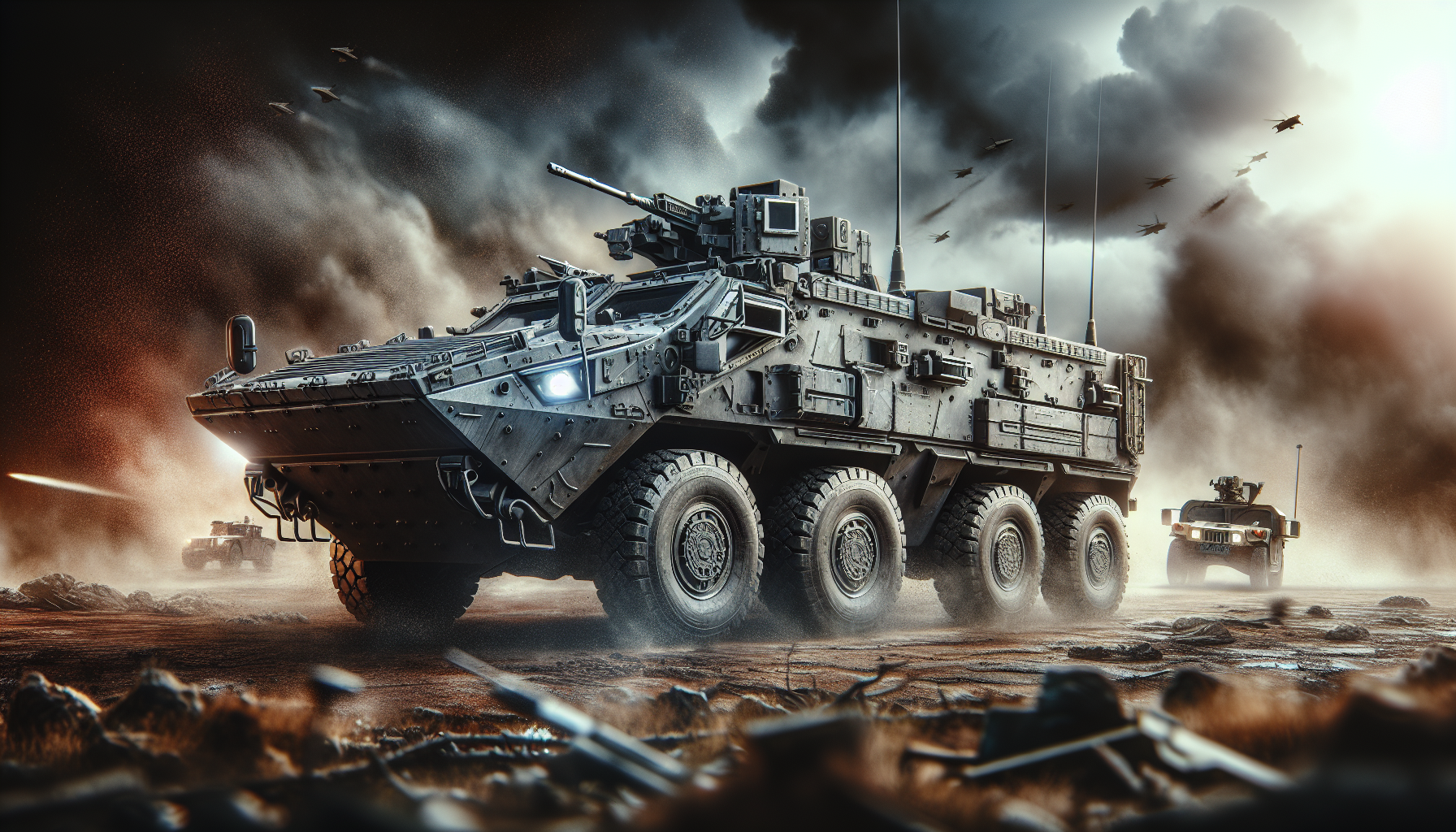
In response to contemporary operational environments, emerging technologies are increasingly being integrated into military vehicles. Innovations such as advanced materials, improved propulsion systems, and enhanced communication devices promise to elevate the performance and operational capabilities of the fleet. Such advancements may not only augment the effectiveness of current models but also create pathways to modernize existing vehicles within the operational inventory.
Integration of Autonomous Systems
The integration of autonomous systems presents a transformative opportunity for military vehicle usage. Drones, unmanned ground vehicles, and autonomous supply convoys enhance operational capabilities while mitigating risk to personnel. However, the challenge remains in developing the infrastructure and training necessary for seamless incorporation of these technologies, necessitating substantial initial investment and a well-considered transition plan to fully realize their potential.
Barriers to Implementing New Technologies
Despite the promise of technological advancements, barriers to implementation persist. Challenges such as developmental delays, resistance to change within established military frameworks, and budgetary constraints often hinder the rapid adoption of innovative technologies. Furthermore, addressing interoperability issues with existing systems presents an additional layer of complexity that must be navigated to ensure effective utilization of new technologies in real-world operations.
Training and Operational Impact
Effect of Vehicle Readiness on Training Programs
The readiness of military vehicles has a direct impact on training programs. Units unable to access fully mission-capable vehicles face limitations in operational training, resulting in skill degradation and unpreparedness during actual missions. Routine exercises often lack the necessary realism when training fleets are compromised, leading to a cycle that undermines both individual and collective readiness among service members.
Consequences of Unpreparedness in Operations
Unpreparedness due to inadequate vehicle readiness can have dire consequences during operations. Historical instances illustrate that unready vehicles can lead to mission failure, increased risk to personnel, and strategic vulnerabilities. The necessity for operational readiness cannot be overstated; it directly influences the overall effectiveness of military objectives and the safety of those involved.
Assessment of Unit Readiness Drills
Regular assessments of unit readiness drills serve as critical indicators of operational capability. These evaluations reveal insights into the proficiency of personnel, the functionality of equipment, and the overall coordination within units. Consistent drills enhance awareness among service members regarding vehicle capabilities and limitations, fostering an environment conducive to both skill development and operational preparedness.
Joint Operations and Interoperability
Challenges in Joint Vehicle Operations
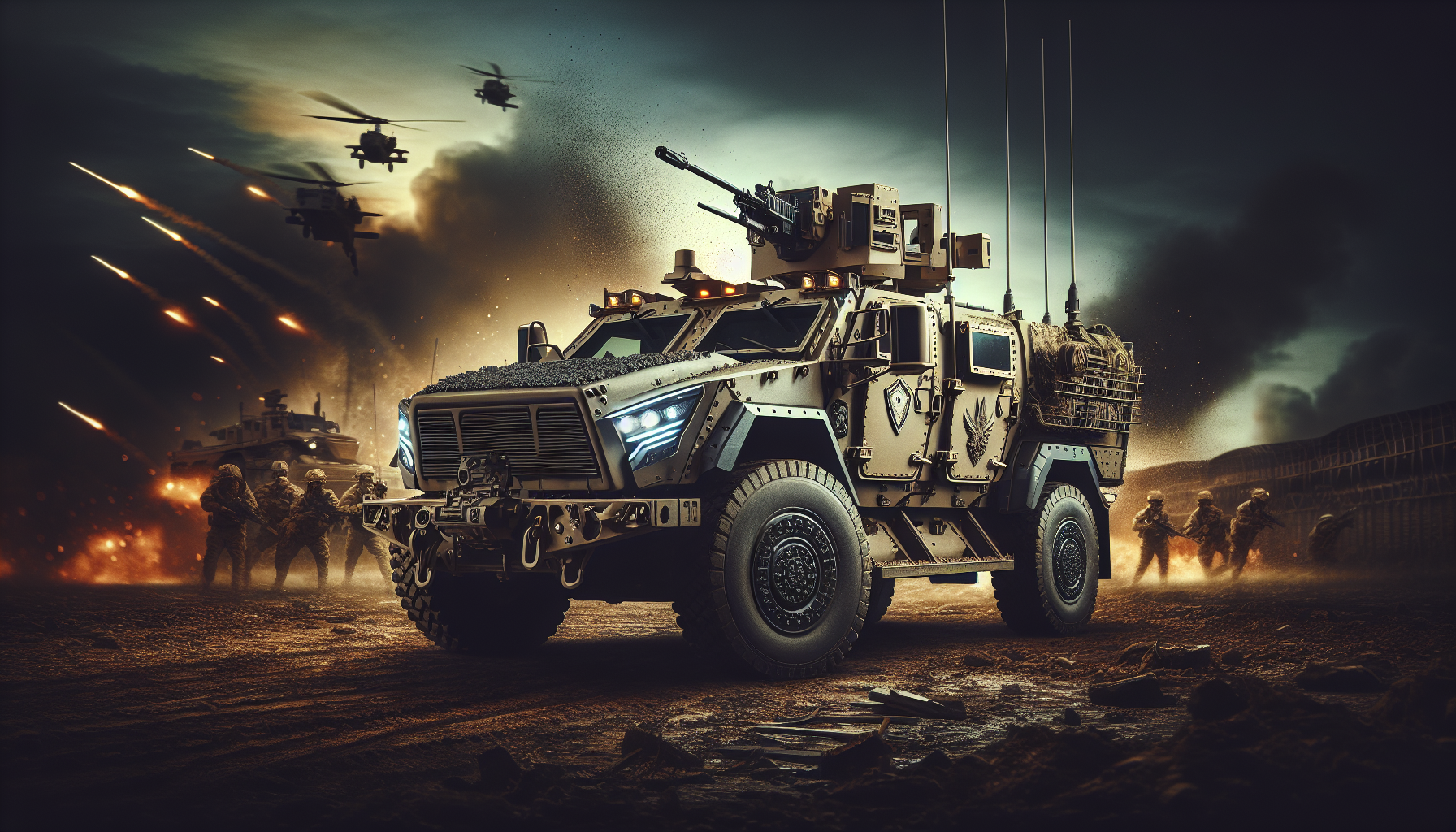
Joint vehicle operations introduce unique challenges, particularly regarding standardization and interoperability between the Army, Marine Corps, and allied forces. Divergent vehicle models, compatibility issues, and differences in maintenance protocols complicate collaborative efforts during joint missions. Addressing these challenges requires strategic initiatives to enhance communication and coordination between forces, fostering an environment in which joint capabilities can be maximized.
Interoperability Issues with Allies
Interoperability issues with allied forces can significantly hinder mission effectiveness. Differing standards in vehicle technology, maintenance practices, and logistical systems can create barriers that impede cooperative action in multinational environments. Ensuring seamless integration necessitates extensive joint exercises and treaty agreements to develop comparable operational frameworks that allow for effective collaborative engagement in complex conflict scenarios.
Case Studies of Joint Operations Successes and Failures
Exploring historical case studies of joint operations offers valuable insights into the successes and failures of interoperability. Analysis of operations such as the NATO-led missions in Afghanistan highlights instances where combined arms approaches proved effective, contrasting with situations where inadequate interoperability led to mission complications. These lessons underscore the necessity of fostering effective collaboration among military branches and allies to ensure optimal outcomes in future conflicts.
Future Procurement Strategies
Evaluating Current Procurement Practices
The current state of procurement practices warrants thorough evaluation and reform. Traditional procurement workflows often result in inefficiencies and delays that can cripple vehicle readiness. A critical reassessment of these practices is essential, leveraging technological advancements and new methodologies in contract and asset management to ensure a nimble and responsive procurement system that meets the demands of modern warfare.
Innovative Approaches to Future Vehicle Design
Innovative approaches to vehicle design stand as crucial elements in addressing the challenges associated with future military operations. Emphasizing modular designs, the incorporation of scalable technologies, and a focus on sustainability can pave the way for more flexible and responsive vehicle systems. This forward-thinking paradigm acknowledges the dynamic nature of modern combat and prioritizes designs that can adapt to future demands and environments.
Partnerships with Private Sector and Industry
Collaborating with the private sector and industry can catalyze significant advancements in vehicle procurement and readiness. Engaging in partnerships fosters innovation, leveraging cutting-edge research and development capabilities found within civilian markets. Such collaborative efforts can yield cost-effective solutions and accelerate the pace of technological advancement, enhancing overall military readiness in a rapidly evolving landscape.
Impact of Global Conflicts
Geopolitical Factors Influencing Vehicle Readiness
Global conflicts and geopolitical tensions exert significant influence on military vehicle readiness. As nations seek to assert their power on the global stage, this creates a landscape where rapid response capabilities are paramount. The need for an agile and fully prepared fleet becomes ever more urgent in the face of evolving threats ranging from conventional warfare to asymmetrical engagements, thereby necessitating adaptability in vehicle readiness strategies.
Lessons Learned from Recent Conflicts
Recent conflicts offer a wealth of lessons regarding vehicle readiness. Operational insights from engagements in Syria and Ukraine elucidate the critical necessity for integrated logistics, timely maintenance, and responsive command structures that can adapt to the complexities of modern warfare. These lessons emphasize the continual need for reassessment and improvement in readiness practices, structure, and training in order to remain competitive in future conflicts.
Potential Future Conflicts and Implications for Readiness
As tensions continue to mount globally, the specter of future conflicts looms large. Implications for military readiness call for a multifaceted approach to prepare for diverse operational realities, including hybrid warfare, cyber threats, and global supply chain vulnerabilities. To maintain operational superiority, military leadership must engage in proactive planning and resource allocation that ensure vehicles and support systems are positioned for rapid deployment in the event of conflict.
Conclusion
Summary of Key Findings
The comprehensive evaluation of military vehicle readiness within the Army and Marine Corps reveals a concerning pattern of inadequacy despite heightened financial investment. Both branches face systemic challenges in maintenance, workforce shortages, and aging fleets that underscore a pressing need for reform. Historical lessons, evolving military doctrine, and advancements in technology further complicate readiness profiles while also offering pathways forward.
Recommendations for Improving Readiness
To enhance military vehicle readiness, a multi-pronged strategy is essential. Recommendations include reforming procurement processes, adapting long-term financial planning to prioritize vehicle maintenance, and investing in workforce development. Additionally, fostering collaboration with the private sector can stimulate innovation and expedite integration efforts aimed at improving vehicle capabilities.
Final Thoughts on Military Preparedness
In an age marked by uncertainty and rapid change, military preparedness is fundamentally tied to vehicle readiness. As the Army and Marine Corps navigate the complexities of modern warfare, the continued evolution of maintenance strategies, procurement practices, and technological integration will be crucial. Ultimately, the imperative remains clear: ensuring military vehicles are both ready and capable will directly influence the effectiveness and success of future operations.