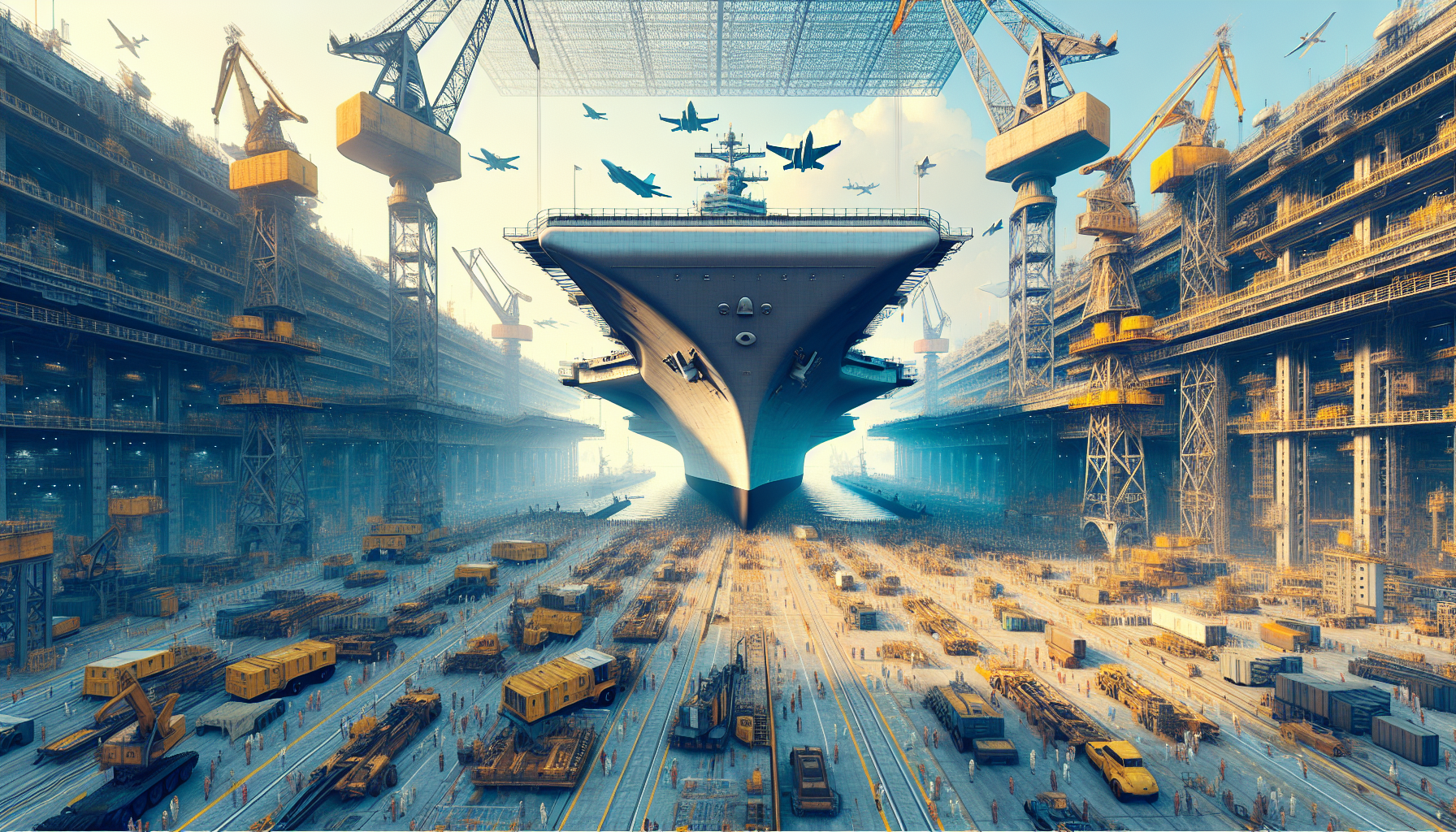
The analysis presented focuses on the Navy’s substantial ship procurement request for fiscal year 2026, which includes the ambitious objective of acquiring 19 new vessels. This significant demand reflects military leaders’ concerns regarding the current state of naval capabilities and the growing disparity between aspirations and actual production capabilities. However, the Navy faces critical challenges with existing shipbuilding programs, such as the Virginia and Columbia-class submarines, which are plagued by delays and escalating costs.
Ultimately, this examination will explore the implications of this shipbuilding request, considering whether the Navy can feasibly meet its goals given the current operational hindrances. You will encounter discussions around budgetary allocations, the state of naval construction, recruitment challenges, and emerging concepts such as drone ships, as these factors collectively shape the future of naval power.
Overview of the Navy’s Ship Procurement Request
Details of the Fiscal Year 2026 Budget Request
In its Fiscal Year 2026 Budget Request, the Navy has proposed an ambitious procurement plan seeking to acquire 19 new ships. This request represents not only a significant increase over previous annual procurement figures but also highlights the urgency perceived by military leaders regarding the need for a modernized and expanded naval fleet. The request encompasses a variety of vessel classes, all aimed at addressing emerging global maritime threats while ensuring that the Navy can maintain operational readiness and a competitive presence in international waters.
Historical Background of Navy Shipbuilding Requests
Historically, the United States Navy has grappled with fluctuating shipbuilding requests driven by political, budgetary, and strategic considerations. Past decades have seen periods of both expansion and contraction in naval procurement, often reflecting the geopolitical climate of the time. The Navy’s current request for 19 ships represents a strategic pivot as military leaders increasingly recognize the limitations imposed by an aging fleet and the need for modernization to meet contemporary security challenges. This historical context provides a crucial backdrop against which the current request can be evaluated.
Significance of Requesting 19 Ships
The Navy’s request for 19 ships in one fiscal year is unprecedented in recent history and raises questions about the underlying motivations and implications. A request of this magnitude indicates a recognition of gaps in maritime capabilities and an urgency to bolster deterrence strategies in the face of potential adversaries. This acquisition effort is not merely a numbers game; it signifies a commitment to a more formidable naval presence and the ability to project power effectively in various theaters around the globe. The scale of this request underscores an escalating perception of risk in contemporary international relations.
Current State of Shipbuilding in the Navy
Overview of Existing Shipbuilding Programs
The Navy currently oversees several key shipbuilding programs, each of which plays a pivotal role in its operational strategy. These programs include the Virginia-class submarines, the Columbia-class ballistic missile submarines, and various surface combatants designed to enhance versatility and lethality. Each program has distinct features and capabilities that align with the Navy’s overarching mission to ensure maritime security, conduct humanitarian operations, and engage in joint exercises with allied forces.
Key Ships: Virginia and Columbia Class Submarines
The Virginia-class submarines represent the backbone of the Navy’s undersea warfare capabilities, providing a multi-mission platform equipped with advanced sensors and weapons systems. Meanwhile, the Columbia-class submarines, replacing the aging Ohio-class fleet, are designed to enhance strategic deterrence through their stealth and advanced missile technology. Both classes of submarines are crucial not only in terms of firepower but also for intelligence gathering and surveillance, pivotal in maintaining a strategic edge.
Impact of Delays on Overall Navy Readiness
Delays in shipbuilding programs, especially for the Virginia and Columbia classes, have significant repercussions on Navy readiness. These delays can result in decreased operational capability, as fewer vessels are available for deployment at any given time. Such shortfalls challenge the Navy’s ability to respond to crises and fulfill its commitments to allies, which may have a cascading effect on national security through weakened deterrence and operational posture across various regions.

Challenges in Shipbuilding Capacity
Historical Context of Shipbuilding Delays
Historically, the Navy has encountered numerous challenges related to shipbuilding delays, many of which can be traced back to budgetary constraints, policy shifts, and shifts in technological demands. Delays in procurement and ship delivery disrupt not only operational schedules but also overall fleet strategy, hampering the Navy’s ability to advance its goals. These delays reflect a broader systemic issue within the defense industrial base that requires careful analysis and strategic planning.
Analysis of Current Shipyard Capacities
Current shipyard capacities are under scrutiny as the Navy grapples with the challenges of increased demand for new ship construction alongside maintaining existing vessels. Shipyards are facing limitations in both physical space and the infrastructure needed to support the extensive manufacturing processes required for modern naval vessels. As production timelines extend and backlogs accumulate, the question arises: Can current shipyards scale effectively to meet unprecedented procurement goals while ensuring quality and timeliness?
Workforce Shortages and Technical Skills Gaps
A critical component of the shipbuilding equation lies in the workforce. Workforce shortages and gaps in technical skills have emerged as significant impediments to maintaining an efficient shipbuilding process. As the aging workforce retires, there is an urgent need for skilled labor that can adapt to advanced manufacturing techniques. Addressing these gaps through training and recruitment is essential for ensuring that today’s production challenges do not translate into tomorrow’s operational vulnerabilities.
Financial Implications of Increased Ship Requests
Budgetary Constraints on the Shipbuilding Industry
The financial landscape for shipbuilding is complex, characterized by strict budgetary constraints and competing priorities. As the Navy seeks to expand its fleet significantly, it must navigate a fiscal environment that includes pressure from Congressional budget allocations and the broader defense spending landscape. Balancing the urgent need for new vessels with fiscal responsibility is a core challenge that the Navy must confront in pursuing its procurement objectives.
Cost Overruns in Current Shipbuilding Programs
Cost overruns present a persistent challenge within Navy shipbuilding programs, impacting the overall viability of the procurement goals. Rising material costs, unforeseen technological challenges, and inefficiencies within the supply chain contribute to this problem. Each cost increase further complicates the financial planning required to sustain shipbuilding efforts, potentially jeopardizing the Navy’s ability to achieve its strategic objectives and maintain public trust in military procurement processes.
Funding Sources and Budget Allocation Strategies
To meet its increased ship procurement request, the Navy must explore diverse funding sources and innovative budget allocation strategies. This may include re-prioritizing existing projects, advocating for supplemental appropriations, or exploring partnerships with private industry to leverage additional capital. A strategic approach to funding allocation will be critical in ensuring the Navy possesses the necessary resources to turn its ambitious procurement requests into operational realities.
Comparative Analysis with Previous Shipbuilding Cycles
Comparison of Current Requests with Past Procurement Plans
The Navy’s current request for 19 ships is a striking contrast to past procurement cycles, wherein requests often fell below ten vessels annually. Analyzing this historical shift reveals an increasing acknowledgment of strategic threats and the pressing necessity for modernization. This context forms a critical lens through which one can assess the viability and potential efficacy of the Navy’s procurement strategy in the current climate.
Lessons Learned from Previous Shipbuilding Failures
Past failures in shipbuilding programs have provided the Navy with valuable lessons that inform current decision-making. Issues such as poor project management, inadequate planning, and insufficient interagency collaboration have resulted in costly delays and underperformance. By reflecting on these failures, the Navy can implement more robust oversight and management practices to mitigate risks and enhance the likelihood of successful outcomes.
Impact of Technological Advances on Shipbuilding Needs
Technological advancements play a significant role in shaping contemporary shipbuilding requirements. As the Navy adopts cutting-edge technologies—such as autonomous systems, advanced cybersecurity measures, and enhanced weapons systems—the demand for sophisticated vessels capable of incorporating these innovations increases. The Navy’s procurement plans must continuously adapt to these technological changes to remain relevant and effective in an ever-evolving maritime landscape.
Navy’s Strategic Goals and Fleet Composition
Vision for a 350-Ship Navy
The Navy has articulated a vision for a 350-ship fleet that underscores its commitment to securing U.S. interests globally. This vision is grounded in an understanding of the evolving maritime landscape, which necessitates a flexible and capable fleet that can operate across diverse environments. Achieving this vision requires not only the procurement of new ships but also an overarching strategy to integrate them into a cohesive naval force.
Role of New Ships in National Defense Strategy
The introduction of new ships is integral to the Navy’s national defense strategy. These vessels serve multiple roles, including deterrence, power projection, and crisis response. Each new ship must be strategically positioned within the fleet to address identified gaps in capabilities and to support a comprehensive deterrent posture that communicates resolve to potential adversaries.
Integration of Advanced Technologies in New Vessels
The integration of advanced technologies in new vessels is not merely a matter of enhancing effectiveness; it is a foundational component of the Navy’s modernization strategy. New ships must incorporate state-of-the-art systems that enhance operational efficiency and adaptability to emerging threats. From enhanced sensors to artificial intelligence capabilities, the deployment of advanced technologies is crucial in maintaining a competitive advantage in naval operations.
Impact of Industry Partnerships on Shipbuilding
Role of Private Sector in Navy Shipbuilding
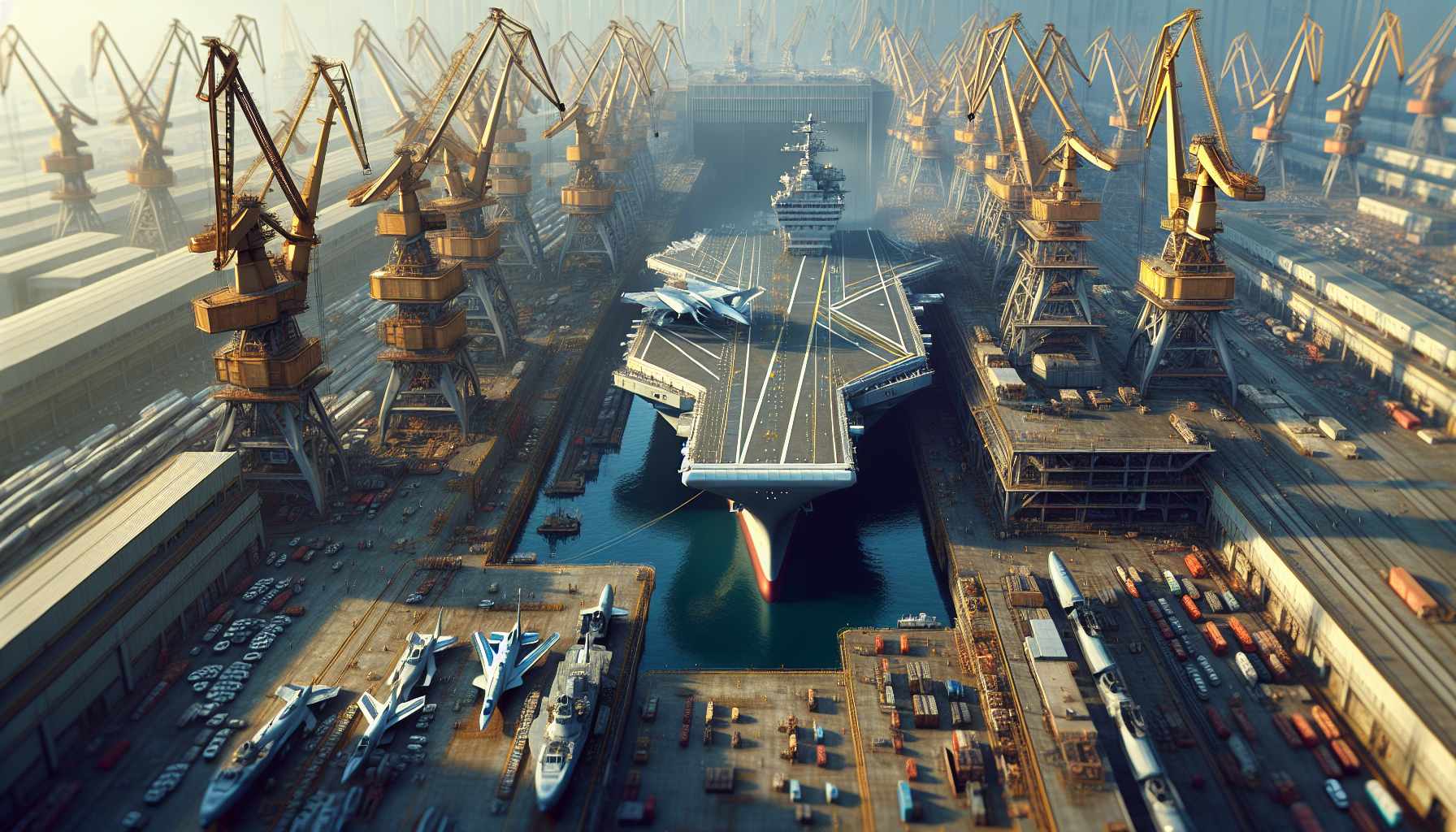
Private sector partnerships are essential to the Navy’s shipbuilding efforts, providing innovation and efficiency that government-operated facilities may struggle to achieve alone. Collaboration with private shipbuilders allows the Navy to leverage industry expertise and experience, often resulting in cost savings and accelerated production timelines. These partnerships are vital for balancing the complex demands of naval procurement with the realities of industry capabilities.
Collaborations with Technology Firms for Innovation
The Navy’s collaborations with technology firms have the potential to revolutionize shipbuilding practices. By engaging with cutting-edge firms, the Navy can access innovative solutions that enhance vessel performance and streamline manufacturing processes. These collaborations foster a culture of innovation that is necessary for keeping pace with rapidly changing technological landscapes and emerging threats.
Challenges of Dependency on Contractors
While the engagement of private contractors offers numerous advantages, it also presents challenges related to oversight, accountability, and quality control. The dependency on external contractors necessitates thorough management and coordination to ensure that the resulting vessels meet stringent operational standards. Balancing reliance on contractors with internal capabilities is a delicate act that underscores the complexity of modern naval procurement.
The Future of Drone Ships in the Navy
Current Developments in Unmanned Naval Technology
Unmanned naval technology is experiencing rapid advancements, representing a pivotal shift in the Navy’s operational paradigm. This trend reflects broader changes within military strategy, emphasizing the utility of drones for reconnaissance, logistical support, and combat operations. The Navy’s embrace of unmanned technology presents both opportunities and challenges as it seeks to integrate these platforms into existing operational frameworks.
Advantages and Disadvantages of Drone Ships
The deployment of drone ships offers numerous advantages, including lower operational costs, reduced risk to personnel, and the potential for enhanced mission flexibility. However, the integration of unmanned vessels raises questions about operational command, cybersecurity vulnerabilities, and the ethical implications of autonomous warfare. Addressing these concerns will be crucial for maximizing the potential benefits of drone technology while maintaining responsible oversight of its use.
Potential Role in the Navy’s Fleet Structure
Drone ships have the potential to reshape the Navy’s fleet structure, serving as force multipliers that complement traditional vessels. By fulfilling roles ranging from surveillance to offensive capabilities, unmanned platforms can enhance overall naval effectiveness and adaptability. As the Navy continues to evolve, integrating drone ships into its fleet structure will likely be a cornerstone of its future operational strategy.
Recruitment and Training Challenges in the Navy
Overview of Current Navy Recruitment Trends
The Navy is currently facing challenges in recruitment, with numbers falling short of established goals. Factors contributing to this trend include increased competition for talent from the private sector and evolving perceptions of military service among younger generations. This recruitment challenge threatens the Navy’s ability to maintain personnel levels necessary for existing and future shipbuilding endeavors.
Impact of Recruitment Shortfalls on Shipbuilding Capacity
The recruitment shortfalls significantly impact the Navy’s shipbuilding capacity. A reduced workforce hampers not only the immediate construction efforts but also the long-term sustainability of ship maintenance and readiness. As vessels age, the necessity for qualified personnel intensifies, establishing a direct link between recruitment success and operational capability.
Strategies for Improving Training and Retention of Personnel
To mitigate recruitment and retention challenges, the Navy must adopt innovative strategies that appeal to a diverse workforce. Enhanced training programs, career development opportunities, and improved career progression pathways can positively influence retention rates. Equally important is fostering a culture of inclusivity and support, making military service a compelling option for a broader range of candidates.
Conclusion
Summary of Key Challenges Facing Navy Shipbuilding
The current state of Navy shipbuilding is characterized by a range of interrelated challenges, from capacity limitations and workforce gaps to financial constraints and technological demands. The ambitious request for 19 ships in the FY 2026 budget underscores both the immediate need for expansion and the complexities that lie ahead in achieving these goals.
Assessment of the Viability of Achieving Ship Procurement Goals
Achieving the Navy’s ship procurement goals requires a multifaceted approach that addresses the systemic barriers to successful shipbuilding. By taking steps to improve recruitment and retain skilled personnel, engage in strategic partnerships, and effectively manage resources, the Navy can enhance the likelihood of turning ambitious procurement requests into operational realities.
Final Thoughts on the Future of the Navy’s Fleet Expansion
The future of the Navy’s fleet expansion hinges on a comprehensive understanding of the interconnected challenges facing shipbuilding efforts. As the Navy navigates these challenges, it must remain committed to innovation, adaptability, and strategic foresight. In doing so, it can not only expand its fleet but also ensure that it remains operationally ready to meet the demands of a dynamic global security environment.