
The recent decision by the Army to withdraw the M7 rifle from independent testing has sparked considerable debate and concern regarding its implications for military operations. This withdrawal occurred prior to completing assessments in varying environmental conditions, notably tropical scenarios, which raises questions about the readiness of the weapon to replace the longstanding M4 platform. While the Army maintains that further testing will continue, the absence of independent evaluations may undermine public trust in the weapon’s overall efficacy and reliability.
The article explores the rationale behind this controversial decision, including whether it reflects a necessity to expedite the introduction of a potentially effective weapon or if it is indicative of deeper issues within the testing and evaluation processes. It will examine the role of the Director, Operational Test and Evaluation (DOT&E), and evaluate the broader implications of removing oversight, ultimately aiming to determine the potential consequences for soldiers in the field.
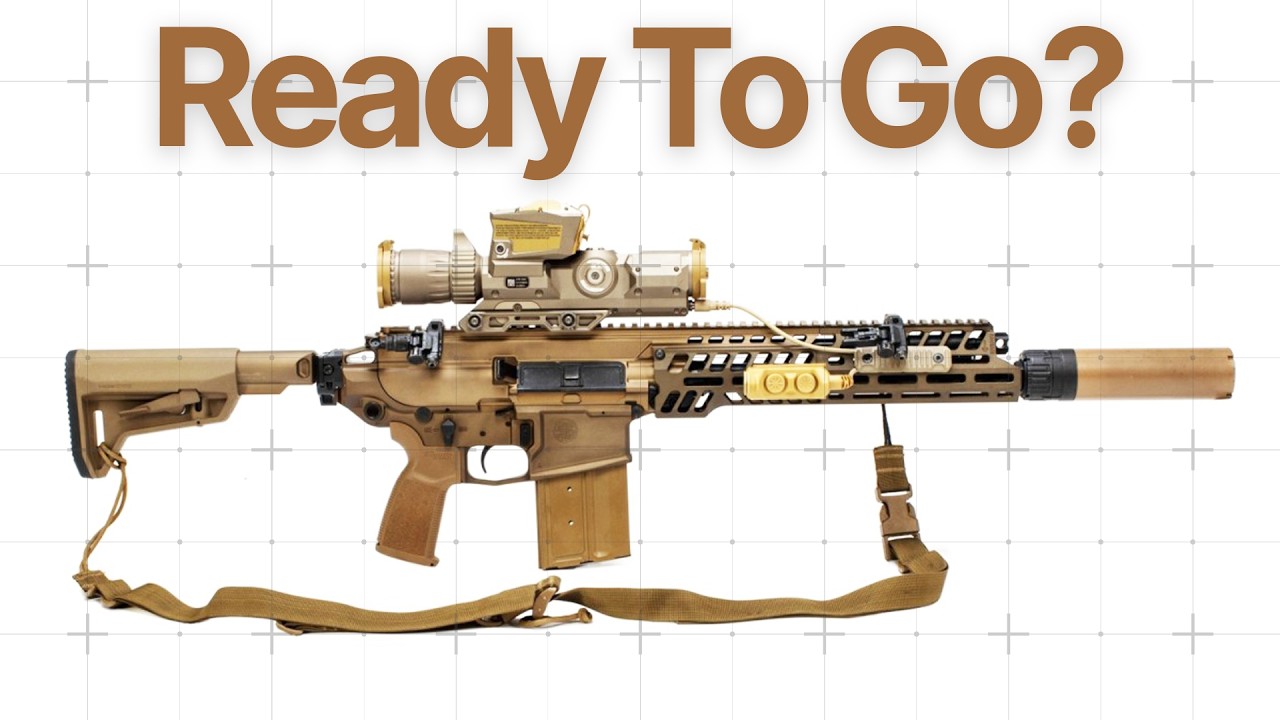
Overview of the M7 Rifle
Introduction to the M7 Rifle
The M7 rifle, poised as the successor to the venerable M4, represents a significant advancement in military small arms technology. You might perceive it as merely an evolution of design, yet it embodies a shift towards incorporating modern engineering principles alongside the armed forces’ operational requirements. The M7 is positioned to enhance combat effectiveness while adhering to the rigorous demands of contemporary warfare. Your understanding of this rifle will not only reveal its mechanical intricacies but also its broader implications for military strategy and soldier preparedness.
Specifications and Features of the M7
The M7 rifle boasts several notable specifications that distinguish it from previous models. With a modular design, it accommodates a variety of attachments and upgrades, thus offering versatility that aligns with your needs as a soldier in ever-changing environments. The rifle features improved ergonomics, a lighter frame, and advanced optics compatibility. Additionally, it integrates enhanced fire control systems that promise more accurate targeting and increased rate of fire under combat conditions. Understanding these features provides insight into how the M7 aims to bolster operational efficiency and soldier confidence.
Comparison with the M4 Rifle
When comparing the M7 to the M4, you may notice marked differences in weight, modularity, and technological integration. The M4, while effective, has limitations in weight and adaptability that the M7 seeks to overcome. The questions surrounding accuracy and maintenance in various environments also come to the forefront in this comparison. Analyzing these distinctions can provide you with a clearer perspective on how the M7 is meant to address operational gaps identified during M4 deployment.
Background of Independent Testing
Importance of Independent Testing in Military Firearms
Independent testing plays a crucial role in the military’s acquisition process, ensuring that firearms can withstand the rigors of battlefield conditions. As you consider this, reflect on how unbiased evaluation can lead to the identification of design flaws or insufficiencies before issues arise in actual combat. It is through such evaluations that the military ensures its personnel are equipped with reliable and effective tools for warfare.
Standard Testing Protocols and Criteria
Standard testing protocols often include a variety of assessments, such as performance in extreme conditions, accuracy, and durability. You might appreciate that these protocols are designed not just to measure functionality but also to evaluate user experience and safety. These metrics are essential for providing a comprehensive understanding of the weapon’s operational viability.
Role of DOT&E in Equipment Evaluation
The Director, Operational Test and Evaluation (DOT&E), serves as the oversight body in military firearm evaluations, ensuring that independent assessments are conducted fairly and thoroughly. As you examine the role of DOT&E, consider the agency’s mandate – it is not just about ensuring product effectiveness but also about safeguarding the interests of service members like yourself. The contributions of DOT&E to independent testing underscore the importance of comprehensive evaluation in military procurement.
Reasons for Withdrawal from Testing
Potential Failures in Tropical Testing Conditions
The recent withdrawal of the M7 from independent testing was influenced by potential failures anticipated under tropical conditions. You might recognize the critical nature of this decision, given that soldiers are often deployed in diverse climates where reliability is non-negotiable. Acknowledging these risks emphasizes the importance of thorough testing before a weapon’s introduction to the field.
Concerns Over Feedback and Reliability
Concerns regarding the feedback received during initial testing phases raised alarms about the M7’s reliability. As someone invested in the effectiveness of military equipment, you can understand how any ambiguity surrounding performance could lead to hesitancy in deployment. The military’s decision reflects a cautious approach in prioritizing solid, verifiable results over potential premature deployment.
Possibility of Rushing the Deployment Timeline
The implications of rushing the deployment timeline cannot be overstated. You may find it essential to weigh the urgency against thorough testing and evaluation. Quick deployment may seem beneficial in the short term, yet it risks introducing an untested product, which could have dire consequences for operational effectiveness and soldier safety.
Understanding DOT&E
History and Establishment of DOT&E
The establishment of DOT&E in 1983 marked a significant advancement in military equipment evaluation methodology. You would find that its creation was driven by a need for impartial oversight in the wake of previous procurement challenges. Over time, DOT&E has become a crucial player in ensuring transparency and integrity in military testing processes.
Function and Authority of DOT&E
As part of its mission, DOT&E’s primary function is to assess the operational effectiveness and suitability of new military systems, including firearms like the M7. In your examination of its authority, consider how it serves as a watchdog, ensuring that equipment meets the stringent standards required for military service and safeguarding taxpayer investment.
Previous Evaluations of Military Equipment by DOT&E
DOT&E’s historical evaluations have included a wide range of military equipment, yielding insights that have informed procurement strategies. You may note that their assessments have often highlighted the importance of adapting to evolving combat situations through innovative technologies and operational adaptations. Historical context illustrates how such evaluations have paved the way for necessary advancements in military capabilities.
The Army’s Perspective
Statements from Army Officials
In the wake of the M7’s withdrawal from independent testing, Army officials have publicly addressed the rationale behind the decision. You might find their statements indicative of a broader strategy aimed at reassessing the balance between immediate operational needs and the potential risks associated with inadequate testing. This transparent dialogue points to a responsible consideration of soldier welfare.
Reasons Cited for Pulling the M7 from Testing
Army officials have cited multiple reasons for the withdrawal, including heightened concerns about performance under specific environmental conditions. As you ponder these reasons, it is essential to appreciate the commitment to securing a reliable weapon for soldiers. Such a measured approach, while potentially frustrating for some, prioritizes long-term reliability over hasty deployment.
Assessment of How This Impacts Future Development
The implications of the Army’s decision extend beyond the M7, impacting future firearm development and testing protocols. You might consider how this situation could establish a precedent for more rigorous evaluation processes, ensuring that subsequent models do not face similar scrutiny without just cause. Thus, the M7 may serve as a turning point for future military equipment assessments.
Implications of the Decision
Impact on Soldiers and Operational Readiness
The withdrawal of the M7 from independent testing has immediate repercussions for soldiers and operational readiness. You may understand that the effective performance of firearms can significantly influence mission success. Delays in the deployment of the M7 may necessitate adjustments in training and strategy, consequently affecting preparedness levels in the field.
Risks Associated with Reduced Testing
The reduction of independent testing raises several risks that warrant careful consideration. As you reflect on this, think about the importance of comprehensive evaluations in mitigating potential failure points within military hardware. A lack of unbiased testing could lead to unforeseen scenarios where weapon performance may not meet expectations during critical operations.
Potential Impact on Soldier Trust and Confidence
Trust in the equipment provided by the Army is paramount for soldiers’ operational effectiveness. You might appreciate that any perceived confidence gap due to rushed decision-making may lead to hesitation among soldiers in utilizing new technology effectively. The Army’s handling of the M7 situation could have lasting effects on how soldiers perceive future innovations and developments.
Community and Expert Reactions
Reactions from Military Experts and Analysts
Reactions from military analysts and experts regarding the M7’s withdrawal from testing are varied, highlighting a spectrum of opinions about its implications. You may find that these reactions emphasize the need for balanced dialogue in the evaluation process, as expert opinions can inform public perception while also shaping policy discussions.
Feedback from Soldiers Who May Use the M7
The sentiments of soldiers who may eventually employ the M7 are of vital importance. As you consider their feedback, understand that firsthand accounts provide invaluable insight into the practicalities of military hardware. Soldier perspectives can often highlight potential discrepancies between design intention and real-world performance, invoking necessary scrutiny on equipment capability.
Public Perception and Media Coverage
The media coverage surrounding the M7’s testing withdrawal has triggered widespread public discourse about military procurement practices. You may note that public perception is a critical factor influencing military decisions, as accountability to taxpayers and public confidence in military efficacy are both tied to how the Army manages new equipment introductions.
Historical Context of Military Rifle Testing
Comparison to Past Military Firearm Testing Scenarios
By contextualizing the M7 situation within historical military testing frameworks, you may discern patterns of both success and failure in firearms evaluation. Past instances have often served as cautionary tales, where inadequate testing led to regrettable outcomes in combat scenarios, reinforcing the necessity for comprehensive assessments.
Notable Failures and Successes in Military Testing
History offers ample examples of notable failures and successes in military testing that inform present-day practices. The attachable lessons gleaned from these cases highlight the critical need for a rigorous, thoughtful approach to firearm evaluations. As you analyze these historical contexts, recognize how experience has shaped current military philosophy and preparedness strategies.
Lessons Learned from Historical Contexts
From past testing outcomes, various lessons have emerged, emphasizing the importance of real-world assessments in ensuring reliability. You might find that understanding these lessons is crucial for future initiatives and can pave the way for strategies that are more effective at balancing speed with thorough scrutiny.
Future of the M7 Rifle and DOT&E’s Involvement
Planned Testing Phases Following Withdrawal
The Army’s decision to withdraw the M7 from independent testing does not preclude its eventual return to evaluation. You can expect that planned testing phases will put the M7 through rigorous scrutiny under various conditions to ensure reliability before it enters active service. Understanding this process will help you anticipate the timeline for future developments.
Expected Timeline for the M7 Rifle Deployment
The timeline for M7 deployment remains uncertain in light of the withdrawal from independent testing. You might speculate that an extended evaluation period could ultimately be beneficial, as thorough testing mechanisms will foster confidence in the rifle’s operational readiness. The balance of timelines versus quality assurance may shape the dialogue surrounding future developments.
DOT&E’s Ongoing Role in Evaluation
DOT&E will continue to play an integral role in the M7 evaluation process, ensuring that independent oversight remains a focus amid the challenges. In your assessment, recognize the critical nature of DOT&E’s involvement as it seeks to uphold standards and assure effectiveness while navigating the complex landscape of military procurement.
Conclusion
Summary of the M7 Situation
The unfolding narrative surrounding the M7 rifle’s withdrawal from independent testing highlights critical tensions between operational urgency and comprehensive evaluation. You should recognize that this situation encapsulates broader themes of accountability, safety, and readiness within the military so that future procurement strategies can better serve soldiers in the field.
Final Thoughts on the Implications of the Army’s Actions
Reflections on the implications of the Army’s actions reveal the complexities involved in ensuring soldier safety and effectiveness. As you think about these actions, consider how they might influence military procurement practices moving forward, particularly in balancing the need for rapid innovation with the necessity for adequate testing.
Future Considerations for Independent Military Testing
Looking ahead, the M7’s case may prompt a reevaluation of independent military testing protocols, with emphasis on ensuring reliability and effectiveness in the face of rapidly evolving warfare dynamics. You may ponder how this situation will ultimately inform the Army’s approach to innovation and risk management, shaping the future of military armament for years to come.