
The recent developments within the U.S. Navy’s shipbuilding strategy highlight a significant pivot from ambition to practicality. After encountering extensive challenges in the creation of the Constellation-class frigate, the Navy has opted to model its next frigate on the existing and reliable Legend-class National Security Cutter utilized by the Coast Guard. This decision, while seemingly unremarkable, signifies a strategic realignment aimed at addressing the pressing complexities faced in modern naval construction.
This article will explore the implications of the Navy’s decision to copy a proven Coast Guard design rather than pursue a novel and potentially flawed approach. Additionally, it will assess the broader consequences for the Navy’s operational efficiency and readiness, evaluating whether this pragmatic shift can serve as a model for future shipbuilding initiatives. The analysis will underscore the importance of simplicity and reliability in military engineering amidst the complexities of contemporary naval warfare.
Overview of the Frigate Issue
History of the Constellation-class frigate program
You must first understand that the Constellation-class frigate program was initiated with the ambition of modernizing the U.S. Navy’s surface fleet. Designed to be multi-mission capable, it was envisioned as an agile platform for anti-surface warfare, anti-air warfare, and anti-submarine operations. However, the timeline for its development has been marred by complexity and a plethora of design revisions. What might have been a routine update to an aging fleet turned into a protracted saga, with each step forward accompanied by unforeseen hurdles. As you evaluate the historical context, you can assess how past misjudgments in program management cultivated the current predicament, which ultimately necessitated the Navy’s recourse to a pre-existing Coast Guard design.
Major setbacks and challenges faced
In the course of its development, the Constellation-class faced numerous challenges that significantly hampered its progress. These setbacks ranged from technological difficulties in integrating modern combat systems to managing the ambitions of various stakeholders, each with differing priorities. Each revision—intended to improve design performance or reduce costs—only seemed to compound delays and mired the program deeper in bureaucratic oversight. This not only stalled the intended timelines but raised questions of oversight, accountability, and the efficacy of the procurement process within the Navy.
Financial implications and budget overruns
As you might expect, the financial implications of the Constellation-class program are stark. Initial budget estimates were quickly obliterated by the unforeseen complexities associated with the ship’s design and construction. As a result, Congress became increasingly concerned about budget overruns, which ultimately led to diminished trust in the Navy’s ability to manage large-scale shipbuilding projects. You must consider how these challenges reflect broader issues in defense budgeting, calling into question whether military leadership could effectively implement their maritime strategy while mired in financial turmoil.
Understanding the Coast Guard Cutter
Introduction to the Legend-class National Security Cutter
By contrast, the Legend-class National Security Cutter (NSC) has emerged as a paradigm of operational effectiveness and design stability. Launched into service to fulfill the Coast Guard’s mission of maritime law enforcement and search and rescue, these cutters have consistently demonstrated their reliability and versatility within a variety of missions. This cutter design has become a case study in how good planning and streamlined execution can produce platforms that seamlessly integrate into active duty without the exaggerated dysfunction seen in other military ship programs.
Design features and specifications
The NSC is characterized by its robust design, advanced engineering, and comprehensive suite of capabilities. You should note that it features a length of approximately 418 feet, allowing for ample workspace and personnel accommodation. Its propulsion system incorporates dual diesel engines, which provide an optimal balance of speed and fuel efficiency. Moreover, the NSC is equipped with advanced radar and communication systems that epitomize modern naval warfare requirements. You cannot overlook the role these specifications play in enhancing operational readiness and adaptability in unpredictable maritime environments.
Operational success and performance metrics
The operational success of the Legend-class cutters is evident through a series of successful missions, proving their worth across myriad scenarios from drug interdiction to environmental protection. Performance metrics indicate that these cutters have consistently executed their missions while maintaining an impressive operational readiness rate. You are invited to think of the metrics not merely as statistics but as reflections of a design successfully aligned with operational realities, elevating its role beyond that of a template to that of an exemplar in maritime operations.

Reasons for the Navy’s Decision
Learning from past failures
In the Navy’s decision to adopt a design rooted in the Legend-class NSC, there is a clear acknowledgment of past failures associated with the Constellation-class program. You might argue that this decision stems from a collective desire not merely to escape previous pitfalls, but to comprehensively analyze them. Understanding how prior miscalculations and overestimations in scope directly contributed to setbacks has informed a strategic pivot that prioritizes proven designs over ambitious but untested concepts.
The advantage of existing designs
You should note that the adoption of an existing design offers substantial benefits. It primarily mitigates the risks associated with innovative but uncertain developments. The decision to use the NSC framework allows the Navy to leverage a design that already satisfies many operational requirements while avoiding the risks of unproven systems. Such a pragmatic choice illustrates a growing trend of cautious optimism in military procurement strategies, which increasingly favor reliability over theoretical specifications.
Potential for faster procurement and deployment
Speed is of the essence in defense readiness, and you would need to consider how existing designs can facilitate a more expeditious procurement process. The pre-existing nature of the NSC allows the Navy not only to expedite its transition to manufacturing but also to minimize complex training protocols associated with untested systems. This is particularly vital in a global security landscape that demands immediate responsiveness against evolving threats.
Technical Comparisons
Frigate versus Coast Guard cutter specifications
When you begin to compare the specifications between the upcoming frigate based on the NSC and its Constellation-class counterpart, several critical distinctions emerge. While the frigate aims for adaptability across various warfare domains, the cutter excels in its specific maritime law enforcement focus. You should observe that understanding these technical differences allows the Navy to tailor its operational planning to maximize the unique capabilities of both designs.
Weapons and systems integration considerations
Integration of weapon systems represents a critical aspect wherein both vessels diverge significantly. The Constellation-class initially envisioned complex systems with cutting-edge but unproven armaments. In contrast, the NSC benefits from a more straightforward integration of existing systems that have proven effective in real-world scenarios. This clarity in weapons systems is paramount when evaluating operational readiness and effectiveness in multi-domain engagements.
Operational flexibility and combined capabilities
It is vital to recognize that the integrated capabilities of both classes allow for complementary operations. The tactical flexibility that a ship based on the NSC design provides potentially enables combined missions with Coast Guard forces while still fulfilling Navy objectives. For you, this presents an opportunity to understand how the Navy can capitalize on existing operational frameworks, making a concerted effort to unify efforts across service branches without duplicating avenues of development.
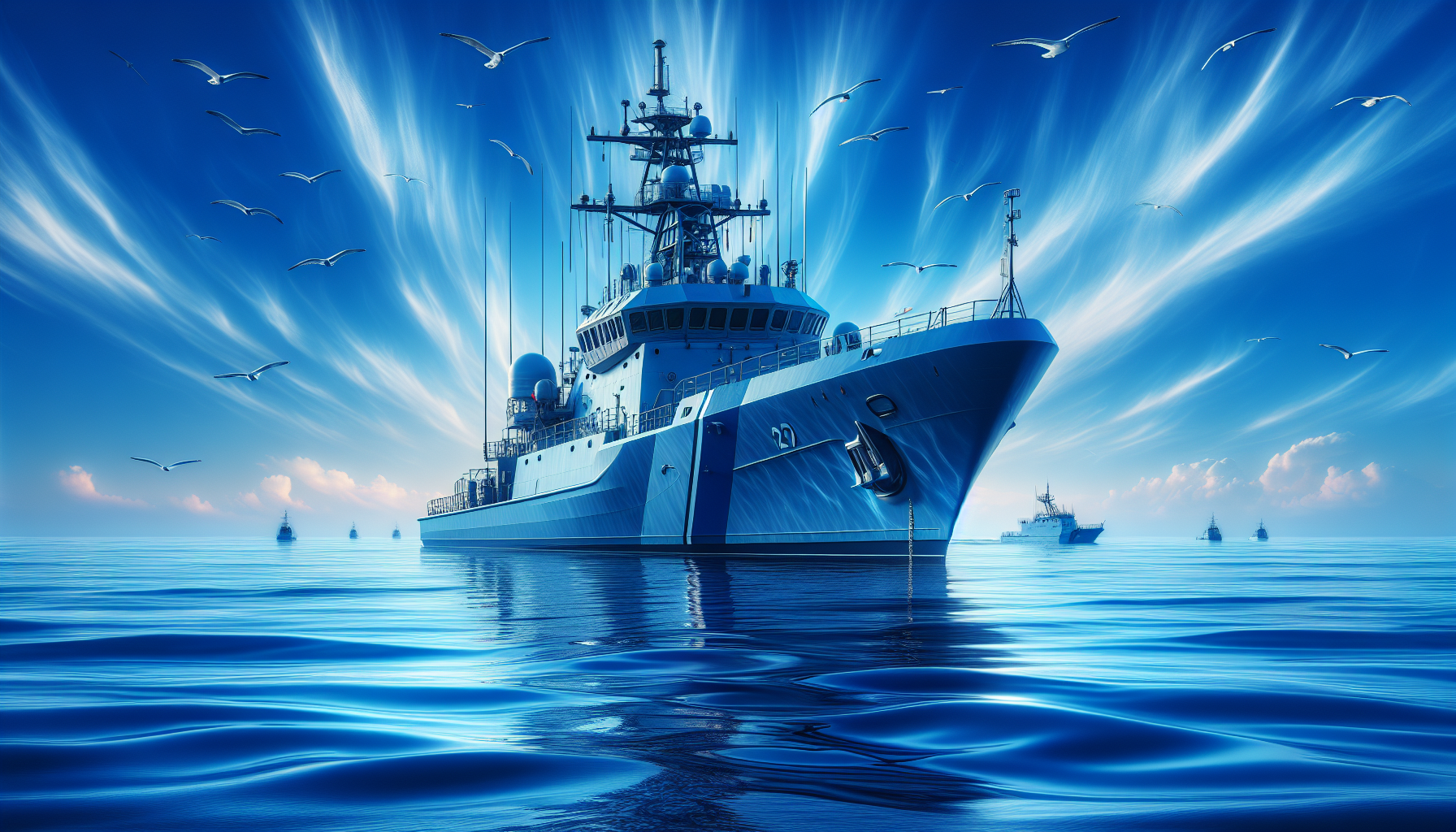
Naval Strategy and Future Implications
Impact on naval strategy and deterrence
The strategic implications of this shift toward existing designs are profound. You can look at the Navy’s decision as a recalibration of its maritime priorities in response to a more aggressive global security environment. The predictability and reliability of a design derived from the NSC bolster deterrent capabilities without overextending its fiscal resources—all of which play a vital role in shaping contemporary naval strategy.
Budget allocation for future naval projects
With the Navy adopting a more practical approach to shipbuilding, one can anticipate significant shifts in budget allocation processes. Resources that were once lavished on ambitious projects may now be redirected toward acquiring and maintaining platforms that offer immediate readiness. This mindset not only reaffirms fiscal responsibility but also positions the Navy more favorably in the eyes of legislative oversight committees concerned with efficiency and accountability.
Potential for collaborations between Navy and Coast Guard
This move could foster a deeper collaboration between the Navy and Coast Guard, promoting interoperability at operational levels. You can envision how forging alliances and operational harmonization lead to a unified front that leverages shared resources more efficiently, ultimately enhancing both branches’ capabilities. This represents a progressive step toward emphasizing collective national security priorities over parochial interests traditionally seen in military silos.
Industry Reactions
Responses from defense contractors and shipbuilders
The decision to pivot towards a Coast Guard design has elicited a range of reactions from defense contractors and shipbuilders. While some contractors express concern over diminishing opportunities for bespoke contracts, others recognize the pragmatic necessity driving this decision. You might find it important to grasp this dichotomy as an indicator of industry’s adaptability amidst shifts in the defense landscape, calling into question the balance between innovation and reliability in future endeavors.
Expert opinions on the decision’s implications
Several defense analysts have articulated views underscoring the potential long-term advantages of the Navy’s decision. They argue that standing on the shoulders of a known entity mitigates risks and augments overall mission success probability. You may want to consider how expert forecasts on defense strategy are increasingly shaped by pragmatic choices stemming from historical lessons learned—conceivably shifting towards designs that best match evolving operational landscapes.
Public and military community perceptions
Finally, the public and military communities have begun to take notice of its implications. Many service members have articulated their concerns regarding past inefficiencies, welcoming an approach that emphasizes proven designs. For you, understanding such sentiment offers an avenue into the human elements underlying military decisions—a recognition that operational effectiveness is often as much a matter of human experience and preference as it is of advanced technology.
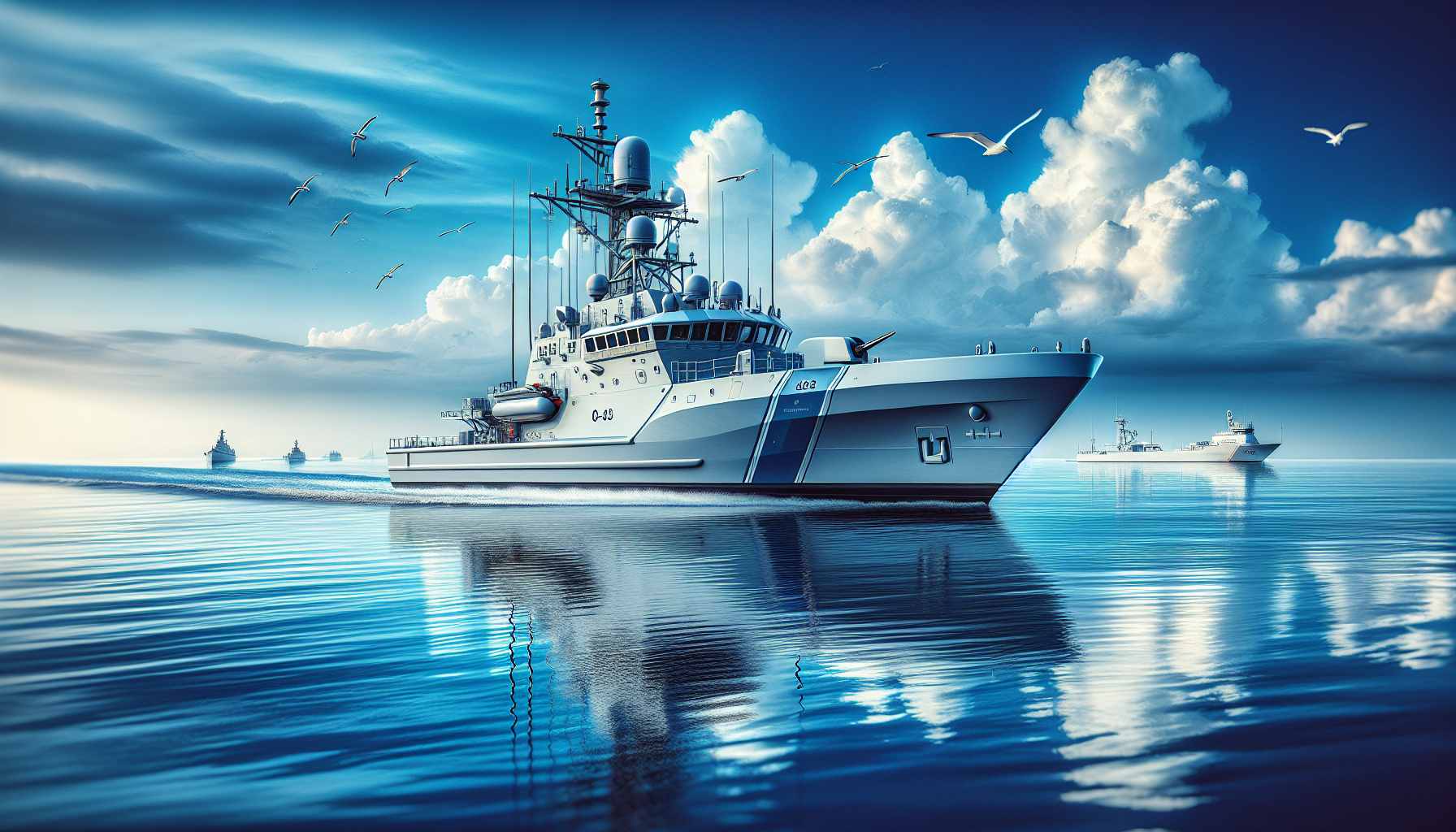
Risks and Challenges Ahead
Potential pitfalls of adapting existing designs
While the Navy’s decision to adopt an existing cutter design presents clear advantages, it is essential to note the potential pitfalls. You should consider how adapting established designs may introduce challenges rooted in outdated features that could impede technological advancement. If the Navy’s adaptation strays into superficial modifications rather than meaningful innovations, it risks losing the very efficiency it aims to achieve.
Concerns about overcomplication during integration
Another risk you must contemplate involves the inherent complexity during integration processes. There exists a temptation to enhance existing designs with unnecessary systems that stray from the initial pragmatic vision, thereby obscuring operational clarity. You could emphasize the importance of maintaining a focused approach—streamlining processes—to prevent bureaucratic creep that has historically derailed many military projects.
Balancing innovation with practicality
Turning the lens to innovation versus practicality, you may recognize the pressing need for naval architects and engineers to strike a crucial balance. While innovation is essential for keeping pace with technological advances in warfare, it should never come at the expense of practicality and usability. For you, this balance will inevitably shape the future of naval shipbuilding and the broader implications of maritime strategy.
Lessons Learned from the Coast Guard
Effective design and implementation strategies
The journey undertaken by the Coast Guard in developing the Legend-class NSC provides valuable lessons regarding effective design and implementation strategies. You will learn that real-world operational feedback is not merely a token exercise but rather a fundamental tenet of an effective shipbuilding strategy. The Navy stands positioned to absorb these lessons into its approach, improving not merely its vessels but also the philosophies underpinning its operations.
Utilizing existing operational feedback
It cannot be overstated how crucial existing operational feedback has been for the Coast Guard—an invaluable resource that informs ongoing adaptations and improvements. The Navy must prioritize this kind of feedback mechanism as it revamps its shipbuilding process, recognizing how crucial it is for refining operational performances and aligning design features with actual user experiences.
The importance of user experience in shipbuilding
Ultimately, you may wish to reflect upon the human-centric aspect of shipbuilding. It should serve as a reminder of the imperative to consider the perspectives of sailors and Coast Guard personnel during design considerations. Design influenced by those who will use it can yield far more effective outcomes than purely theoretical assessments conducted in isolation.
The Role of Innovation in Shipbuilding
Integrating new technologies without complicating designs
As you contemplate the role of innovation in shipbuilding, you should note the critical importance of integrating new technologies without introducing unwieldy complexity. This integration must strike a balance, allowing for cutting-edge capabilities to enhance, rather than hinder, operational effectiveness. The Navy will do well to adopt approaches that yield seamless incorporation without sacrificing the proven strengths of existing designs.
The balance between modernization and practicality
You may want to turn your attention to the balance that shipbuilders must achieve between modernization and practicality. It is essential for the Navy to invest in modern technologies that address contemporary warfare preferences while ensuring that the ships built are not overly elaborate. Rather than succumbing to the allure of cutting-edge specifications at the cost of ease of use, the Navy must prioritize modernization efforts that enhance functional responses in mission scenarios.
Innovative solutions in naval architecture
Lastly, innovation in naval architecture holds tremendous promise for reshaping contemporary shipbuilding. You can ruminate on how this field—when approached with the right mindset—offers a plethora of solutions that can enhance operational capabilities. The integration of new materials, systems, and technologies can produce vessels that are not only effective but also reflective of the evolving nature of modern warfare.
Conclusion
Summarizing the shift in Navy’s approach
To summarize, you can see that the Navy’s shift towards adopting a proven design in the Legend-class NSC to resolve the frigate dilemma represents a considered recalibration of its maritime strategy. This response reflects lessons learned from previous failures regarding ship design and program management. Rather than attempting to rewrite existing paradigms amidst uncertainty, this pragmatic approach realizes the potential efficiency and reliability of established frameworks.
Evaluating the potential success of the adapted design
In evaluating the potential success of this adapted design, you will find optimism rooted in its proven capabilities. By leveraging a design that has already proven its mettle, the Navy has positioned itself to achieve its operational demands in a cost-effective and timely manner. As challenges persist, understanding the interplay of design, operational relevance, and procurement strategies becomes ever more vital.
Future outlook on naval shipbuilding and strategy
As you ponder the future of naval shipbuilding and strategy, you may consider how this decision encapsulates a shift in the defense landscape, emphasizing collaboration, efficiency, and an evidenced-based approach. While challenges remain in execution, the Navy’s willingness to learn from its past and revise its strategies accordingly presents a refreshing optimism that may lead to more effective and reliable maritime forces in the years ahead. The evolution of maritime strategy hinges not only on ships themselves but also on the foundational principles guiding their development.