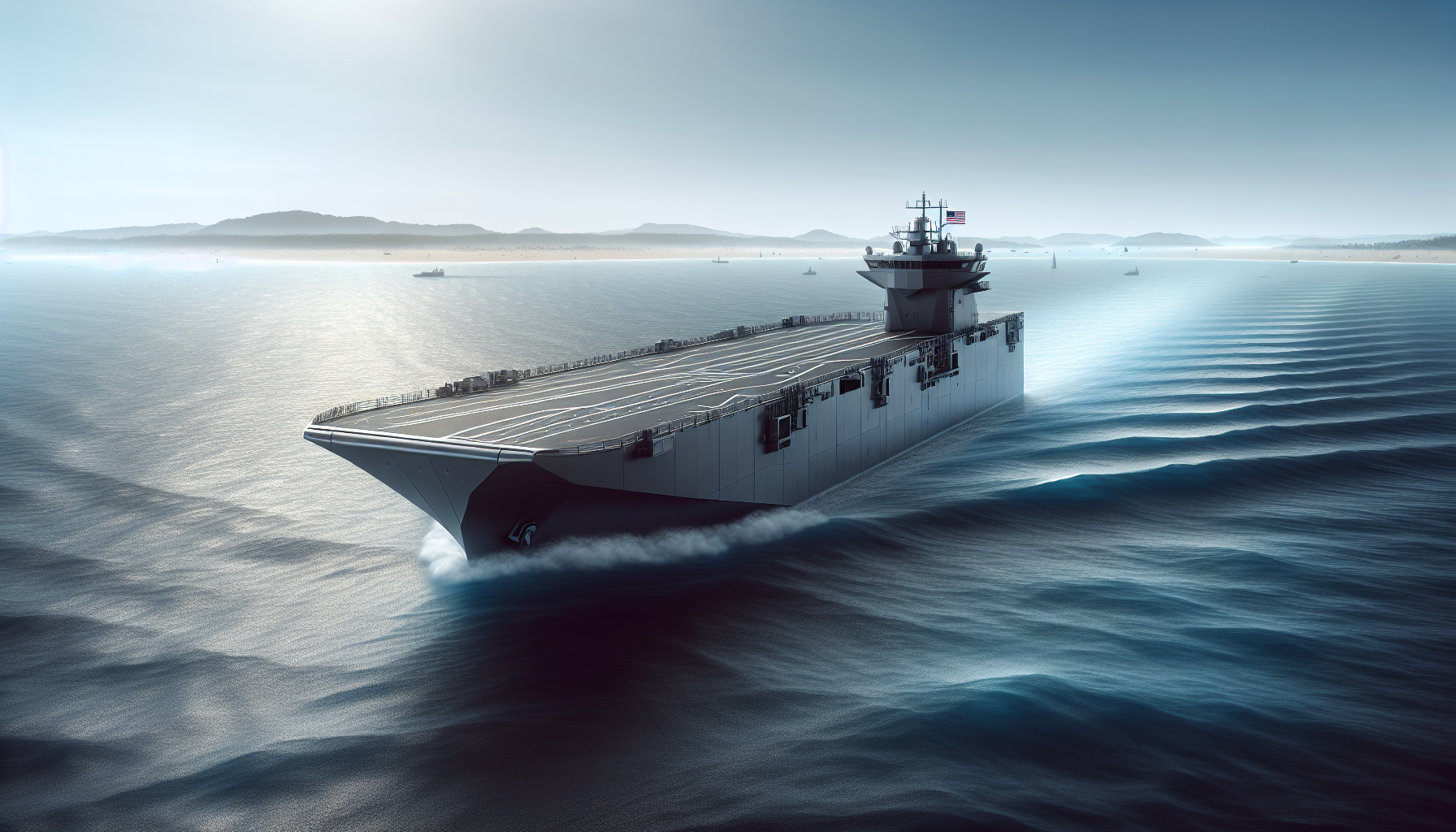
The development of the McClung-class Medium Landing Ship represents a significant advancement in naval logistics, specifically designed to transport Marines to combat zones along coastal regions. After encountering numerous delays in establishing a suitable landing vessel, the Navy has selected the LST-100 from the Dutch shipbuilding company Damen. This vessel is anticipated to enhance amphibious operations, addressing a critical capability within modern military engagements.
This article will explore the strategic implications of the McClung-class Medium Landing Ship, examining its design features and operational role within the broader context of military readiness. Additionally, it will highlight the importance of such vessels in facilitating rapid deployment and maneuverability in maritime conflict scenarios, thereby reshaping future amphibious tactics for the U.S. Navy and Marine Corps.
Overview of the Medium Landing Ship
Definition and Purpose
The Medium Landing Ship, specifically designed to deliver military forces from sea to shore, plays a crucial role in contemporary military operations. Formally classified as an LST or Landing Ship Tank, its primary function is to transport troops, vehicles, and equipment directly onto beachheads. You may consider the LST-100, part of the McClung-class vessels, as a focused embodiment of this design philosophy. Its operations are tailored for rapid deployment and amphibious assaults, making it vital for modern naval warfare.
Importance in Modern Warfare
In today’s multifaceted battle environments, the ability to project force across littoral zones is of paramount importance. You must recognize that the McClung-class Medium Landing Ship enables quick and effective troop deployment, which is essential for surprise attacks. Essentially, these vessels serve as floating bridges and logistical hubs, facilitating the seamless integration of land and sea operations in the face of adversities like fortified coastlines and anti-access areas.
Historical Context of Landing Ships
The evolution of landing ships can be traced back to World War II, where vessels such as the LST 1 revolutionized amphibious warfare. You will find that the success of beach landings, such as those at Normandy, underscored the necessity of effective landing craft. From those pivotal moments in military history, the design and function of landing ships have advanced significantly, leading to modern iterations like the McClung-class, which owes its heritage to those earlier, groundbreaking designs.
Design and Specifications of the McClung-class
Key Features of the LST-100
The McClung-class ships feature several critical design innovations that enhance operational efficiency. Your attention should be drawn to the well deck capability, which allows for the rapid launch and recovery of landing craft. Moreover, the vessel’s versatility in supporting various missions—ranging from disaster relief to combat operations—broadens its strategic applications. In this context, the LST-100 can also accommodate different types of vehicles and cargo configurations.
Dimensions and Cargo Capacity
In terms of scale, McClung-class ships are designed to be substantial yet maneuverable, typically boasting a length of approximately 100 meters and a beam of around 16 meters. Your understanding of its operational capacity is vital here; the LST-100 can transport a mix of personnel, combat vehicles, and supplies, with a gross tonnage of around 1,800 tons. This facilitates the movement of critical military logistics, which is greatly beneficial during both peacetime and wartime operations.
Technological Innovations
Technological advancements are pivotal to the McClung-class’ operational capability. You may be particularly interested in its propulsion systems, which offer enhanced maneuverability and fuel efficiency. Additionally, the integration of modern communication and navigation systems enhances coordination with other naval forces. Such innovations ensure the vessel remains relevant in an era marked by rapid technological evolution in warfare.

Capability and Functionality
Transporting Troops and Equipment
As a vital logistics component, McClung-class ships excel at transporting troops and equipment. You could envision a scenario where rapid troop movements are necessary in response to crises, making these vessels invaluable for sustaining operational tempo in theaters of conflict. The capability to support a significant contingent of Marines allows for effective combat readiness and operational adaptability.
Amphibious Operations
The ability to conduct amphibious operations is a central tenet of the McClung-class design. You should appreciate how these ships can launch and support diverse missions, from beach assaults to humanitarian assistance. Their capability to operate in shallow waters and land directly onto beaches expands tactical options for commanders, thereby providing a strategic edge in various operational contexts.
Integration with Other Naval Assets
Integral to the Navy’s operational framework, you will find that the McClung-class can seamlessly integrate with other vessels and air support units. This interoperability ensures that quick reaction forces can be effectively deployed in coordination with air power and naval gunfire, enhancing the overall effectiveness of joint operations. The ability to collaborate with various military branches guarantees comprehensive operational success.
Strategic Importance of Beach Landings
Historical Successful Landings
You may reflect on significant historical amphibious operations, such as the D-Day landings in 1944, which exemplified the strategic advantage of securing beachheads. Successful landings are often pivotal turning points in conflicts, underscoring the need for robust landing vessels. The study of these historical precedents informs continuing military strategy, including the roles that vessels like the McClung-class will play.
Tactical Advantages of Beach Operations
The tactical advantages of launching operations from the beach are manifold. You should recognize that beach landings allow for surprise and the element of shock, often giving military forces the upper hand in initial engagements. Moreover, controlling a beachhead can disrupt enemy supply lines and provide important logistical bases for continued operations ashore.
Modern Challenges Faced in Amphibious Warfare
Despite their advantages, modern amphibious operations face numerous challenges. You must consider threats such as advanced shoreline defenses, anti-access/area denial (A2/AD) systems, and evolving geopolitical tensions that complicate these landings. Navigating these challenges requires not only adept vessel design but also innovative tactics and strategies to counter adversary capabilities.
Current Status of the McClung-class Program
Contract Award and Shipbuilding Timeline
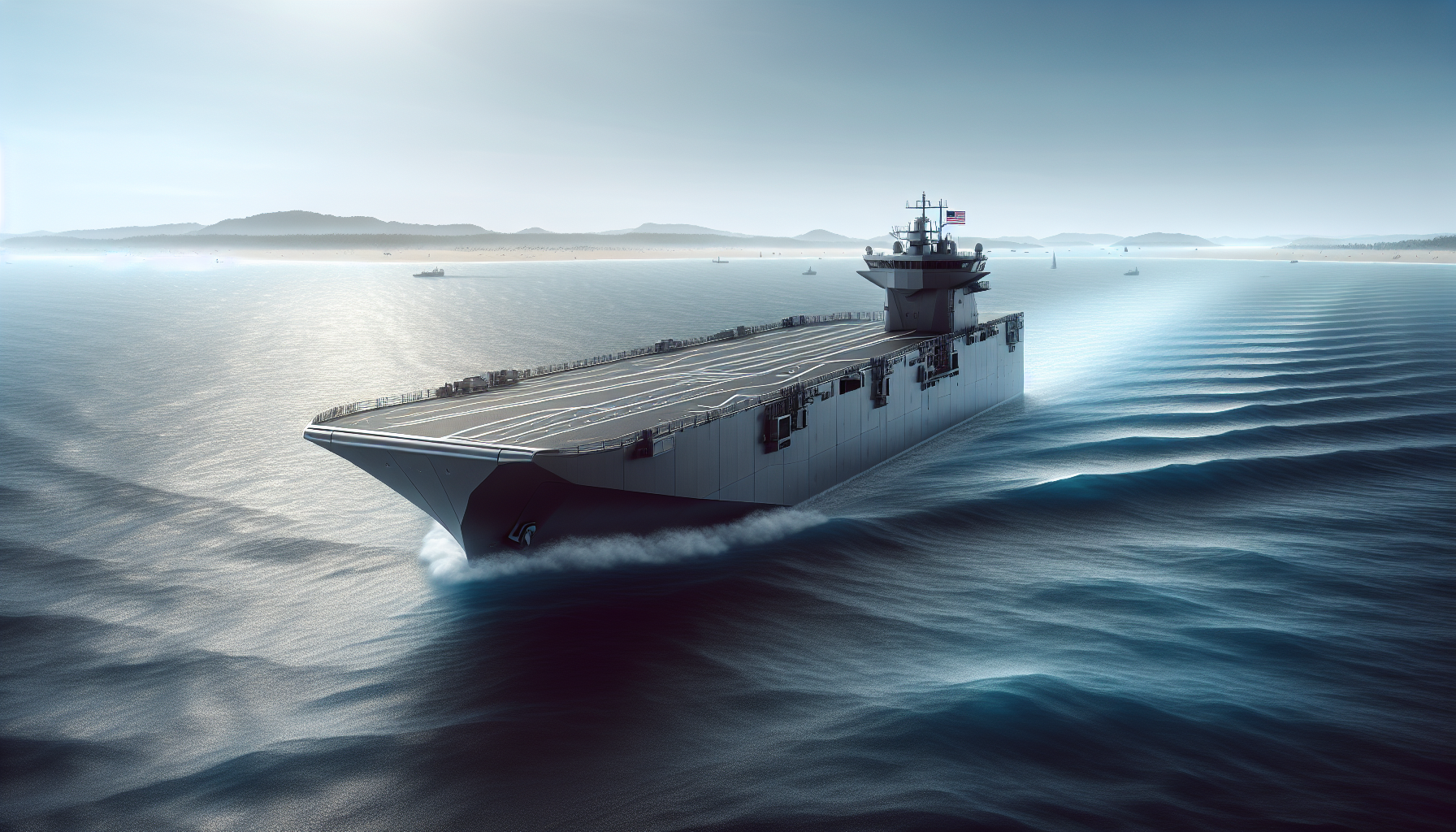
As of now, the McClung-class program has made considerable strides since the Navy formally awarded the contract to Damen, the Dutch design firm, for the development of the LST-100. You may note that the shipbuilding timeline highlights a commitment to modern maritime capabilities, with initial construction marking an important milestone in the revitalization of amphibious warfare capabilities in the U.S. Navy.
Current Fleet and Procurement Plans
Currently, the fleet of small amphibious vessels remains a focal point for military strategists. The procurement plans for the McClung-class include the construction of multiple vessels intended to fully support upcoming operational demands. As you delve into the implications of these plans, you can appreciate how the assurance of future vessels contributes to stable and effective operations over the long term.
Challenges in Production and Budget
Despite progress, challenges pertaining to production timelines and budget constraints loom. You will find that competition for defense resources can hinder the timely delivery of necessary vessels. Therefore, effective resource allocation and strategic planning are critical to overcoming these barriers to ensure the Navy possesses viable land assault capabilities.
Training and Preparedness of Marines
Role of Training in Operation Success
The success of any military operation hinges upon the training and preparedness of its personnel. You should recognize that the integration of the McClung-class ships into operational frameworks necessitates comprehensive training modules tailored to the unique features of these vessels. Ground troops must be adept at leveraging them effectively to maximize operational efficiency during real-world scenarios.
Simulation and Exercises Involving the LST-100
In light of technological advancements, the integration of simulation and exercises has become increasingly relevant. You may consider scenarios that mimic real-world conditions to familiarize Marines with the intricacies of operating LST-100s. Such exercises fortify operational readiness and serve to identify potential weaknesses that must be addressed prior to deployment.
Collaborative Training with Naval Forces
Furthermore, collaborative training endeavors between Marine units and naval forces facilitate a holistic approach to operational readiness. You should take note that such integration fosters unity among branches, enhancing overall effectiveness during amphibious operations. The cohesive training of diverse teams ensures that all assets can work in concert, thereby improving mission outcomes.
Comparative Analysis with Other Landing Ships
Comparison with Legacy Landing Ships
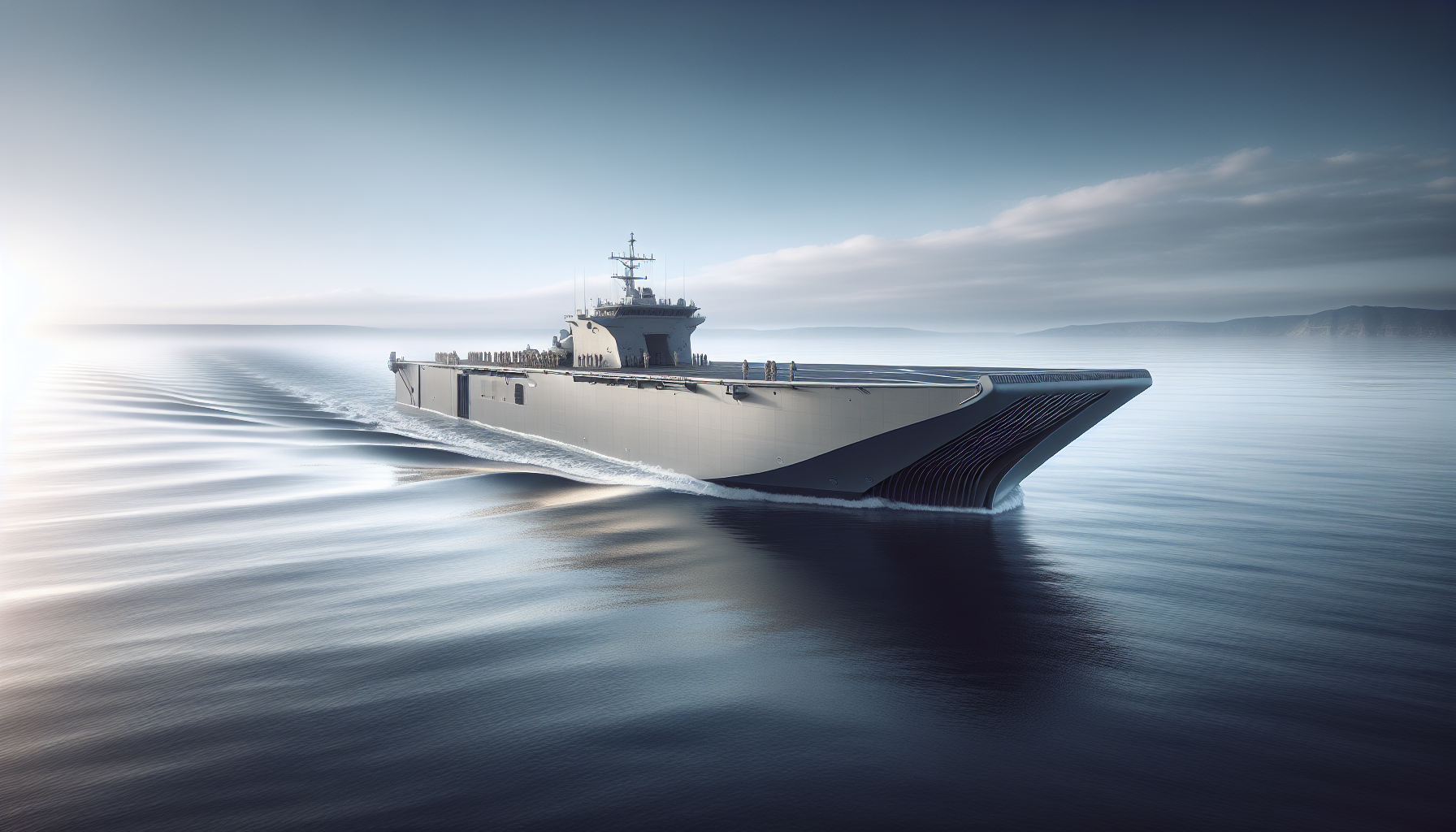
When analyzing the McClung-class in a historical context, it becomes apparent that its design reflects a significant evolution from legacy landing ships like the LST-1. You will observe that modern enhancements focus on operational versatility and technological integration, contrasting with the more utilitarian designs of the past. This leap in capability reflects evolving military needs and technological advancements.
Evaluation of Other Modern Designs
In juxtaposing other contemporary landing ship designs—such as the Royal Navy’s Albion-class or the Spanish Navy’s Juan Carlos I—you will discover that the McClung-class incorporates lessons learned from these vessels while adapting to U.S. operational requirements. This nuanced assessment highlights how collaborative and competitive influences shape naval design philosophies across different nations.
International Designs and Their Influences
You should also consider the broader international context, as various marine forces are adapting their landing ship capabilities to meet modern requirements. Innovations beyond American shores, such as those from Dutch, Italian, and South Korean designs, contribute valuable insights and influence the ongoing evolution of U.S. naval strategies. This dynamic interplay among international designs fosters technological exchange and strategic improvement.
Future of Amphibious Warfare
Emerging Technologies Impacting Landing Operations
Looking forward, emerging technologies are set to reshape amphibious warfare significantly. You will find that innovations such as automation, unmanned vehicles, advanced missile systems, and improved reconnaissance tools bolster the efficacy of landing operations. The strategic incorporation of these technologies into the McClung-class design underscores the Navy’s commitment to remaining at the forefront of military capability.
Potential Changes in Warfare Strategies
As the landscape of warfare continues to transform, so too will the strategies employed during amphibious operations. You may anticipate a shift toward more digitized and integrated forms of warfare, emphasizing speed, adaptability, and intelligence sharing. The McClung-class, as a critical asset in these operational frameworks, will need to be agile and responsive to remain compliance with next-generation strategies.
Anticipated Developments in Naval Capabilities
The future of naval capabilities may also include the development of multifunctional vessels that can adapt to a variety of missions while maintaining dedicated amphibious functions. Enhancements within the Navy’s amphibious fleet, including the McClung-class, may reflect an overall shift toward hybrid platforms that balance performance across multiple dimensions of warfare. This evolution is integral to thriving in a rapidly changing global security environment.
Challenges and Criticisms
Operational Limitations of Current Designs
Despite their advantages, you should remain aware of the operational limitations inherent in the McClung-class and other landing ships. These include vulnerable hull designs susceptible to modern anti-ship weaponry, as well as challenges posed by limited onboard capacity for supplies and troops in extended operations. Adequate addressing of these challenges is essential to maintaining naval superiority.
Budget Constraints and Resource Allocation
In a landscape marked by budgetary constraints, financial resources are continuously scrutinized, often complicating defense procurement. You may observe how the financial burdens imposed on the McClung-class program may limit its growth and modernization potential. An ongoing dialogue surrounding prioritization and spending is vital for sustaining the operational effectiveness of landing craft.
Political and Public Perception
Lastly, the political and public perception of the military’s needs—and specifically amphibious capabilities—shapes dialogue surrounding the continued investment in vessels like the McClung-class. You must consider that fluctuations in public support can influence funding decisions, which in turn affects the broader strategic trajectory of the Navy. Engaging in transparent discussions concerning military requirements is paramount for garnering continued support.
Conclusion
Summarizing the Role of the Medium Landing Ship
In essence, the Medium Landing Ship—particularly the McClung-class—embodies a critical component of modern amphibious capabilities. It serves as a bridge between sea and land, facilitating the strategic projection of force necessary in contemporary military engagements. Your understanding of this role emphasizes its importance within the larger context of Navy operations.
Future Implications for Marine Corps Operations
As you reflect on the implications for Marine Corps operations, it becomes clear that essential adaptability and readiness will define future successes. The McClung-class will likely play a significant role in ensuring that Marines are prepared for diverse maritime challenges in the years to come.
Final Thoughts on Amphibious Warfare
Ultimately, while the realm of amphibious warfare is fraught with complexities and challenges, the evolution of the McClung-class signifies a concerted effort to meet these demands. Your consideration of its design, capability, and operational significance will enlighten you to the pivotal role that these vessels play in shaping the future of military strategy and effectiveness.