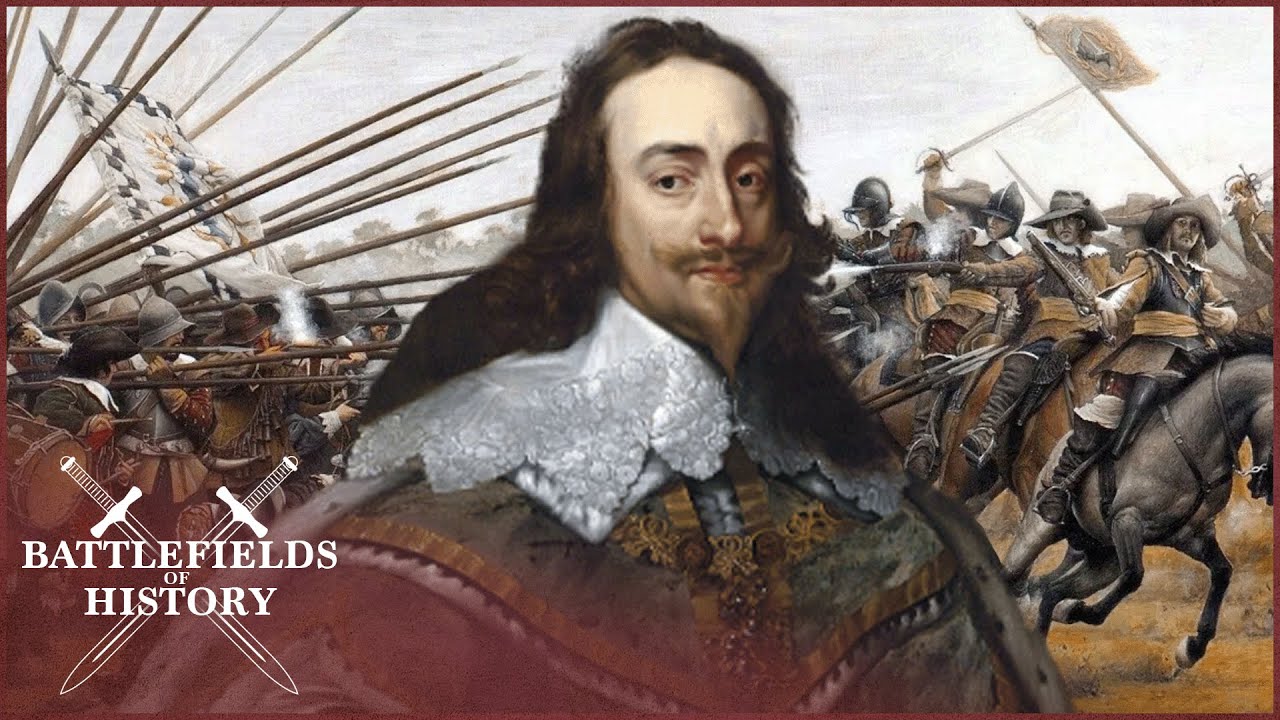
The historical narrative surrounding England’s descent into civil war is both complex and significant, with a staggering human toll of approximately 200,000 lives lost. This article provides a thorough analysis of the crucial events and sociopolitical factors that contributed to this turmoil, examining pivotal moments that led to an irreparable rift within the nation. By investigating the underlying causes and the implications of this conflict, you will gain a deeper understanding of the processes that shaped England’s tumultuous past.
Through this exploration, you will encounter the key figures, ideological struggles, and social upheavals that defined the era, offering insights into the motivations and consequences of the civil war. In doing so, the article aims to elucidate how these historical developments not only altered the course of England but also left an enduring legacy that resonates in contemporary society. Understanding this period is essential for appreciating the complexities of modern governance and civil discourse.
Background of the English Civil War
Social and Economic Conditions in England
As you delve into the backdrop of the English Civil War, it is essential to consider the prevailing social and economic conditions that sowed the seeds of conflict. By the mid-17th century, the labyrinthine strains of a burgeoning population were straining the resources of England. Enclosures were converting common lands into private property, alienating the rural poor and igniting discontent. You would observe a class of emerging gentry alongside a lingering peasantry; while the former sought greater political influence, the latter faced stagnation and hardship. Urban centers burgeoned with the rise of a commercial economy, leading to a burgeoning middle class; their thirst for political and social agency intersected with their disillusionment with traditional feudal structures.
The economic strains exacerbated by the century’s wars also had notable repercussions. Taxes, often levied to fund royal ambitions, cascaded down to a populace already grappling with inflation and recession. The Great Plague of 1665 added misery to the economic hardships prevalent at the time. Unquestionably, a society rife with economic inequalities and social tensions had laid the groundwork for the coming upheaval.
Political Landscape Prior to the War
Your exploration of the political landscape prior to the war must involve an examination of the delicate balance between the monarchy and Parliament. You would find that during the reign of Charles I, a profound contest of authority emerged. A staunch believer in the divine right of kings, Charles I often bypassed Parliament in favor of personal rule. This autocratic demeanor alienated members of Parliament, especially after the Long Parliament convened in 1640 to address the king’s fiscal policies and military failures.
Parliamentary assertiveness grew in response to Charles’s attempts to consolidate power unilaterally. The political discourse of the time was peppered with calls for a constitutional monarchy and civil liberties—concepts that would significantly evolve as the war approached. The consequential power struggle marked the dissolution of the political status quo, wending its way towards an inevitable conflict.
Religious Tensions and Sectarian Strife
You cannot overlook the religious dimensions of the conflict, particularly the tensions between Anglicanism, Puritanism, and other dissenting sects. By the 1640s, the Church of England, with its established practices, faced increasing scrutiny from Puritan factions who advocated for a more reformed and austere interpretation of Christianity. This schism fostered a climate ripe for sectarian strife. Charles I’s perceived favoring of Anglicanism enraged opposing sects, leading to fears of a Catholic conspiracy aimed at restoring papal power.
Religious issues troubled not only the local communities but also found their way into Parliament, further complicating political dynamics. The spectrum of beliefs bred distrust and hostility as each faction sought to assert its theological dominance. The intertwining of political and religious motives ensured that the path toward civil war was riddled with complexities.
Key Figures Leading to the Conflict
King Charles I and His Policies
As you analyze the key figures, King Charles I stands central to the narrative. His reign was marked by an unyielding belief in the divine right and an inclination toward absolutism. His policies—particularly his financial maneuvers, such as forced loans, ship money, and disbanding parliament—fueled widespread resentment. Charles’s efforts to centralize authority sent ripples through the lower and middle classes, who felt disenfranchised in their quest for representation.
His attempts to enforce religious uniformity alienated not only Puritans but also Scots and other dissenting congregations. By proclaiming bishops’ authority and the Book of Common Prayer, he provoked a Scottish rebellion that eventually collapsed into the larger civil war. You could say that Charles I’s relentless pursuit of power, coupled with a lack of political acumen and inability to listen to dissenting voices, encapsulated a tragedy swirling amidst the prelude to conflict.
The Role of Parliament and Key MPs
Your focus on Parliament uncovers a bastion of rights and voices that gathered strength in opposition to the king’s supremacy. The essential figures within the House of Commons—like John Pym, Oliver Cromwell, and John Hampden—became standard-bearers for the fight against autocratic rule. Pym’s visionary political strategy and prevalent rhetoric championed Parliament’s authority, framing it as the embodiment of the people’s will.
Cromwell’s trajectory from a relatively silent MP to a dominant military leader exemplifies how personal convictions intertwined with political circumstance, leading to his eventual prominence in the New Model Army. Such figures emerged as critical catalysts, rallying the populace and articulating the political grievances against Charles’s reign. Their intricate maneuvering within parliamentary diplomacy laid the foundation for the subsequent escalation of conflict.
Influence of Religious Leaders and Groups
Religious leaders and groups played a pivotal role in shaping the socio-political landscape of England during this tumultuous time. The Puritan movement, which sought to purify the Church of England, thrived amidst discontent with the monarchy’s religious policies. Figures such as John Owen offered theological justifications for resistance, aligning religious fervor with political dissent. Furthermore, radical sects like the Levellers and Diggers advocated for a society founded on egalitarian principles, thus expanding the war’s ideological underpinnings.
The intertwining of these religious movements with political grievances galvanized support for both Parliament and the king, leading to an intricate and often volatile environment. As a participant in this evolving narrative, one perceives how the zeal of religious reformers impacted broader societal changes, amplifying the complications that led inexorably to civil war.
Immediate Causes of the War
Dispute Over Royal Authority and Parliamentary Power
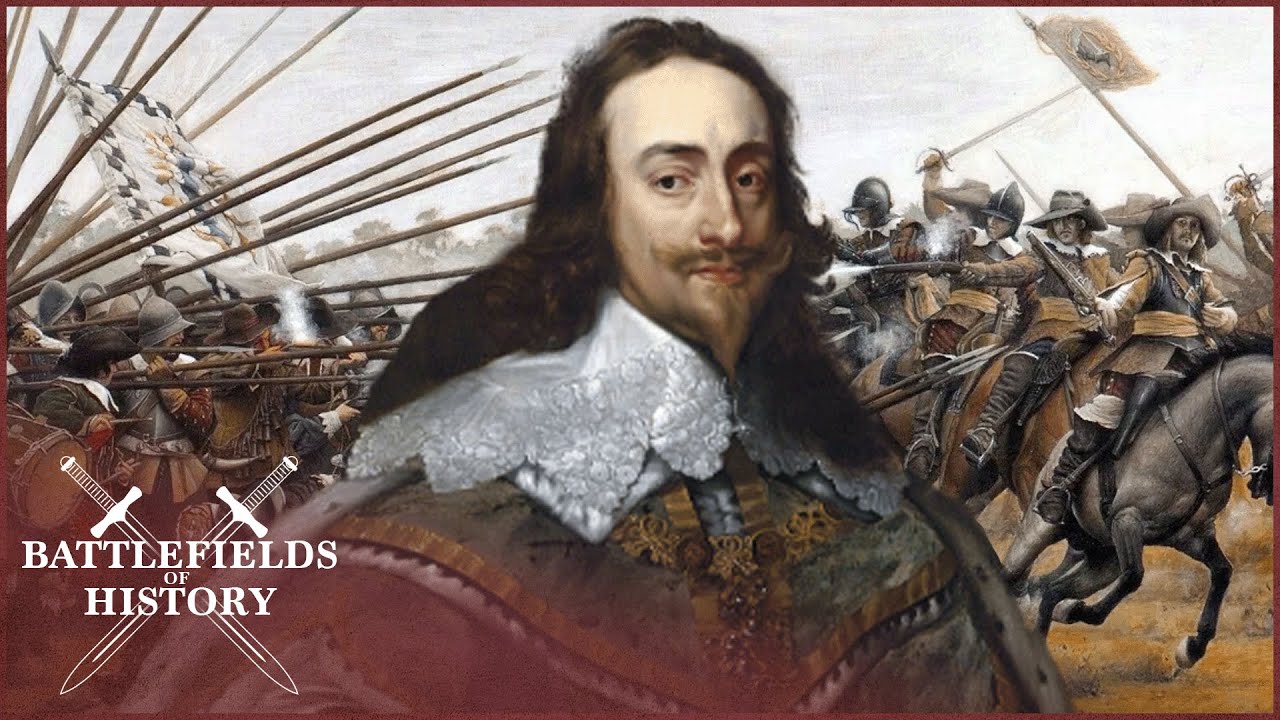
As tensions mounted, the immediate causes of the English Civil War crystallized in a contest over royal authority and parliamentary power. Charles I’s relentless encroachment upon parliamentary privileges clashed with the emerging ideology among MPs and commoners advocating for representative government and individual rights. The tug-of-war between a king who sought to wield unchallenged authority and an increasingly assertive Parliament came to define the immediate landscape of conflict.
When Charles attempted to arrest five leading MPs accused of treason, the act underscored the impending rift—parliamentarians could no longer harbor illusions of reconciliation. This skirmish illustrated the escalating tension as the balance of power shifted irreversibly. As you witness the unraveling of political discourse, it becomes evident that this confrontation signaled not just a clash of personalities but an ideological fracture within governance itself.
The Incident of the Five Members
In early January 1642, a watershed moment unfolded: the Incident of the Five Members. Charles attempted to dissolve Parliament and personally arrest five dissenting MPs—Pym, Hampden, Haselrig, Holles, and H speaker of the House of Commons. The king’s overt action not only shocked the nation but also transformed the landscape of political resistance. You can sense the palpable tension as members of the House of Commons rallied around their leaders, declaring solidarity against royal overreach.
This act of aggression marked a definitive break in the relationship between Crown and Parliament, catalyzing the sentiment that unyielding opposition to tyranny had become a moral imperative. In circuits of collaboration, pamphlets served to spread revolutionary thoughts and galvanize support—indelibly shaping the trajectory of the conflict. As figures united in defiance of the crown, the lines of allegiance and commitment grew sharper, cementing the war’s inevitability.
The Impact of the Irish Rebellion
Meanwhile, the Irish Rebellion of 1641 inflamed existing tensions further. The rebellion spawned fears of a Catholic conspiracy orchestrated by Charles to reclaim control over both England and Ireland. The subsequent revolt, which witnessed the violent subjugation of Protestant settlers in Ulster, intensified apprehensions among English Puritans and Parliamentarians.
Understanding the impact of the Irish Rebellion unveils another dimension to the brewing conflict. The insurrection compelled Parliament to take measures it might otherwise have hesitated to pursue. Seeking to bolster its military capabilities, Parliament increasingly embraced alliances with groups like the Scots, creating a broader coalition drawn together by mutual fears. Consequently, the specter of an Irish uprising tightened the noose around political dialogues, hastening the descent into armed hostilities.
Major Events Triggering the War
The Outbreak of Hostilities at Edgehill
In October 1642, armed conflict erupted at the Battle of Edgehill—the first major engagement of the English Civil War. A chance encounter between the Royalists and Parliamentarian forces became a violent confrontation. The battle unfolded poised between impulsive valor and strategic miscalculations, with neither side achieving a decisive victory. Here, you would witness the reality of war, as heroic ideals collided with the chaotic turbulence of combat.
The aftermath at Edgehill underscored the complexity of allegiances and the human cost of conflict. Although the battle failed to yield a clear victor, it crystallized the reality of war: casualties marked a grim threshold, the brutality of violence became evident, and the ideological battle lines deepened. Edgehill transformed the political tensions into a tangible reality, setting the stage for skirmishes that would envelop the nation in protracted conflict.
Formation of the New Model Army
Central to the Parliamentarian success was the establishment of the New Model Army in 1645, which your analysis must highlight as a pivotal moment in the overarching conflict. Formed out of necessity, this reformed military unit combined discipline, training, and a meritocratic structure that distinctively set it apart from the Royalist forces. The New Model Army became a crucible of political innovation, drawing support not only from parliamentarian loyalists but also from various dissenting religious groups.
Commanded initially by Sir Thomas Fairfax and later by Oliver Cromwell, the New Model Army turned the tide of war through its tactical effectiveness and unyielding resolve. Comprising soldiers who staunchly believed in their cause, their victories inspired widespread enlistment, enhancing the war’s popular support. As you trace the Army’s evolution, it becomes abundantly clear that it not only asserted military prowess but also served as a symbol of revolutionary change in England.
Significant Battles: Marston Moor and Naseby
You cannot overlook the significance of the battles at Marston Moor (1644) and Naseby (1645), pivotal events that emerged from the bloodied soil of the war. At Marston Moor, Parliamentarian forces triumphed against the Royalists in what is considered one of the largest battles in terms of number of combatants. The defeat of the Royalists not only decimated their ranks but also emboldened Parliament’s efforts to consolidate military power.
By the time of the Battle of Naseby, you would find the New Model Army fully realizing its potential. This encounter marked a crucial turning point, leading to a decisive defeat for the king’s forces. The consequences of Naseby rippled far beyond the battlefield; it rendered Charles’s position increasingly precarious, amplifying Parliament’s resolve to pursue victory.
Your exploration of these significant battles reveals the desperate stakes involved and the relentless struggle unfolding across the nation, emphasizing how military actions translated into political dynamics and revolutionary aspirations.
The Role of Women During the Civil War

Women as Supporters and Combatants
As you delve into the dynamics of the English Civil War, the role of women emerges as both complex and crucial. While prevailing narratives may focus on male protagonists, women adapted and contributed in multifaceted ways. From providing essential resources to caring for the wounded, women stepped into support roles traditionally reserved for men. Their involvement in the war effort often took on active forms, with some women even participating in battle or serving as spies.
The presence of women on the front lines of war defied existing social norms, fostering an expanded consciousness of female agency during this period. You would note that the experiences of these women challenged the boundaries of gender roles, albeit temporarily, highlighting a resilience and determination infused with the spirit of the times.
Impact of the War on Women’s Rights and Roles
Furthermore, the fluctuations of political power and social upheaval fostered discussions about women’s rights and roles throughout this era. As women engaged in political activities and advocated for causes such as equality and rights, the war became a catalyst for broader considerations of gender within national discourse. Radical sects like the Levellers called for political reform that extended even to women’s rights, and these ideas began to take root within the shifting societal landscape.
You would examine how the consequential changes engendered by the war allowed women to voice their opinions and grievances on a public platform, highlighting their contributions to political movements. Though women’s rights still faced tremendous limitations, their involvement in wartime efforts laid the groundwork for future generations striving for equality.
Notable Women Figures in the Civil War
You must explore the stories of notable female figures whose endeavors left an indelible mark on the course of the war. Henrietta Maria, the queen consort of Charles I, displayed loyalty and political astuteness as she attempted to rally support for her husband’s cause. Similarly, figures like Lady Brilliana Harley showcased defiance against Royalist forces, managing estates and even partaking in military defense during sieges.
Additionally, the patronage and audacious activism of women like Abigail Smith and Elizabeth Poole contributed to the discourse surrounding women’s rights, challenging deeply entrenched norms. You can see how these personalities exemplified the remarkable capacity of women to forge their identity amidst struggle and conflict, guiding their communities in profound ways during the tumult of the English Civil War.
Consequences of the War
Human Cost: Casualties and Displacement
The toll of the English Civil War resonated far beyond the battlefield, leaving behind a landscape scarred by loss and suffering. With an estimated 200,000 casualties resulting from the conflict, the human cost was staggering. You would recognize the pervasive grief experienced by families torn apart, as soldiers were lost, and communities were shattered by the long-standing conflicts.
The war also precipitated mass displacement as people fled their homes seeking refuge from looming battles and royalist reprisals. Refugees often found themselves in unfamiliar territories, encountering newfound hardships in search of safety. Within this atmosphere of pervasive grief and uncertainty, the collective emotional scars of war would shape societal fabric, inspiring deep communal solidarity and an inherent need for healing.
Economic Devastation in England
The economic consequences of the war further compounded the suffering experienced by the populace. The protracted conflict disrupted trade, led to the destruction of farming lands, and impoverished many regions. Cities like London experienced food shortages that reverberated throughout the community, forcing exacerbated economic hardships upon an already struggling population.
You would witness the longstanding effects of war on local economies manifest in widespread unrest and frustration as grievances over taxation and economic disenfranchisement became prevalent. This economic devastation marked another dimension to the conflict, entrenching divisions and exacerbating the suffering of the common citizenry, whose primary concerns often went unaddressed in the political aftermath.
Shifts in Power Dynamics and Governance
The end of the Civil War heralded a significant reshaping of political power dynamics in England. The fall of Charles I and the establishment of the Commonwealth under Oliver Cromwell prompted radical thoughts about governance and civic responsibility. The balance of power shifted undeniably in favor of Parliament, effectively transferring the authority once held solely by the monarchy into a collective of elected officials.
The monitoring of Parliamentary affairs by the citizenry drove the stakes for accountability, igniting new social contracts between government and individual rights. This revolutionary period laid the groundwork for the evolution of constitutional governance in England, resonating with future generations and influencing the British political landscape long after the war concluded.
The Aftermath: Restoration and Its Implications

Restoration of Charles II
The turbulence following the English Civil War led to the eventual Restoration of Charles II in 1660, a watershed moment in English history. In the wake of Oliver Cromwell’s death, the political landscape became rife with uncertainty, prompting a yearning for stability. Much to your observation, the return of the monarchy signified a complex compromise between past autocracy and modernity, shaping the future notions of governance.
Charles II’s reign established a tone of reconciliation, but it also laid foundational questions regarding the powers vested in monarchy versus Parliament. The Restoration, though a poignant return to royal roots, unfolded within a political landscape irrevocably altered by the civil conflict.
Long-term Political Changes and Lasting Effects
The long-term political ramifications of the English Civil War transformed how governance would unfold in England for the foreseeable future. You would note the evolution of parliamentary sovereignty, as ideological rifts forged a clearer delineation between monarchy and parliamentary power.
Subsequently, the reformed political climate carried the legacy of this upheaval into the realms of constitutional monarchy and later democratic principles. The language of rights, sovereignty, and governance became enshrined in documents and agreements, driving England towards the Glorious Revolution and beyond.
Cultural Shifts and the Legacy of the Conflict
Culturally, the English Civil War imprinted deep fissures within society. Literature, art, and poetry emerged as forms of expression grappling with ideas of power and human rights, celebrated and admonished in equal measure. The conflict gave rise to philosophical discussions around the role of government and individual rights—as you examine the works of writers who grappled with these profound questions, you would uncover the cultural legacy birthed from this tumultuous period.
Moreover, the dialogue surrounding civil rights gained momentum as citizens emerged from the conflict, nurturing aspirations for accountability, justice, and representation that would resonate across generations. As you reflect on this legacy, the tales of those who lived through hardship and change provide insight into human resilience amidst struggle.
Comparative Analysis with Other Civil Wars
Similarities and Differences with the American Civil War
In tracing the English Civil War’s legacy, comparisons with the American Civil War (1861-1865) become illuminated. At a glance, both conflicts featured struggles over governance, authority, and societal order. However, the fundamental contexts diverged: while the English Civil War grappled with monarchical authority, the American Civil War primarily revolved around issues of state sovereignty and slavery.
Both conflicts sparked ideologies of liberty, inciting rounds of philosophical discourse about governance and rights. In your comparative analysis, you may observe how both civil wars ultimately resulted in ideological shifts, leading to significant transformations in political organization and practices. Yet, the respective historical contexts provide a rich terrain to explore how themes of freedom and social order reverberated across the Atlantic.
Lessons from the English Civil War in Global Context
Your examination of the English Civil War in a global context should reveal far-reaching implications that extended beyond its geographical boundaries. This civil conflict unfolded during an era of widespread societal re-evaluations, invoking reflections on the balance between authority and civil liberties worldwide. Various countries grappled with challenges associated with colonialism, governance, and class inequalities, making the lessons from England particularly pertinent.
The English Civil War served as a model for revolutionary action and governance challenges faced by various nations throughout history, inspiring those who sought self-determination and justice. As you reflect on these lessons, you recognize how the echoes of civil unrest resonate to this day, adapting to the sociopolitical evolutions of our world.
The Impact of Civil Wars on National Identity
The impact of civil wars on national identity remains a crucial consideration in your analysis. As the English Civil War marked a profound recalibration of identity within the nation, it intertwined elements of loyalty, allegiance, and community orientation. You would recognize that such identity crises and transformations permeated societies undergoing civil strife, either fostering unity or exacerbating divisions.
Post-war narratives shaped recollections of national history, citizenry, and their roles within evolving political frameworks. The clash between loyalists and reformists paved avenues for collective memory, creating a tapestry of identities that reflect both the conflicts and aspirations of those who lived through the tumult. Understanding these dynamics drives home the profound impact that civil wars have on national identity, often shaping cultural expressions for generations to come.
Historical Interpretations and Perspectives
The Whig Interpretation of History
As you delve deeper into the interpretations surrounding the English Civil War, the Whig Interpretation emerges as a prominent narrative, viewing history as a progressive unfolding toward liberal democracy. Whig historians emphasized the triumph of Parliament over tyranny, viewing the war as a necessary step toward the establishment of constitutional government. This perspective imbues the narrative with a sense of moral clarity and optimism, often casting Charles I in the role of the oppressor.
However, the Whig interpretation has faced criticism for oversimplifying the complexities and motivations that characterized the war. You would recognize that, while this perspective serves to relate a triumphant narrative, it potentially overlooks the multifaceted nature of historical events and the diverse voices contributing to them.
Marxist Views on Class and Revolution
Contrastingly, Marxist interpretations position the civil war within a framework of class struggle, asserting that the conflict represented the rising bourgeoisie’s challenge against feudal hierarchies. Such analyses uncover socio-economic tensions as primary drivers of the war, positing the clash as part of the broader fight for rights and representation.
In your study, Marxist views call attention to the interplay of power dynamics and class relations, emphasizing how the war reflected a bifurcation between the elite and commoners mobilized for change. This perspective facilitates a deeper understanding of the class-based dimensions woven into the conflict, prompting reflections on equality and representation that continue to resound today.
Contemporary Reassessment of Causes and Effects
In contemporary discussions, historians reassess the causes and effects of the English Civil War with nuanced perspectives that embrace multiplicity rather than singularity. This reassessment encompasses various factors—social, political, religious, and economic—prompting a richer and more complex understanding of this watershed moment in English history.
You would note that modern scholarship acknowledges the relevance of public sentiment, regional variations, and personal narratives, illustrating how intertwined various issues were during this time. This approach fosters a more comprehensive exploration of the conflict and its consequences, inviting you, as a reader, to consider the complexities of historical narratives and the intertwined fates of societies.
Conclusion
Reflection on the Legacy of the English Civil War
As you reflect on the legacy of the English Civil War, it becomes evident that its reverberations continue to shape contemporary governance and societal dynamics. The war’s outcomes spurred profound conversations regarding authority, representation, and the reconfiguration of principles defining political organization. It is a reminder that even in turmoil, transformative processes can lead to advancements in governance and civil rights.
Current Relevance of Civil Conflict Lessons
In examining the long-term implications of civil wars, it is vital to recognize their continued relevance today. Current global conflicts frequently echo the themes of authority and representation born out of the English Civil War, reminding you of the delicate balance between power and the needs of the populace. The lessons learned from the struggles of the past compel societies to navigate their challenges with awareness, striving toward reconciliation and a shared future.
Final Thoughts on Peace and Reconciliation
In summation, your exploration of the English Civil War is a significant study of human conflict, resilience, and ideological evolution. It serves as a testament to the enduring human quest for justice, equality, and the very essence of civilization itself. As we draw lessons from history, let us remain vigilant in our efforts towards peace and reconciliation—fostering dialogues across divisions and nurturing the principles of democracy that emerge from the crucible of conflict. The echoes of the Civil War remind us that while struggles may echo through time, the pursuit of progress remains an essential endeavor for humanity’s collective future.