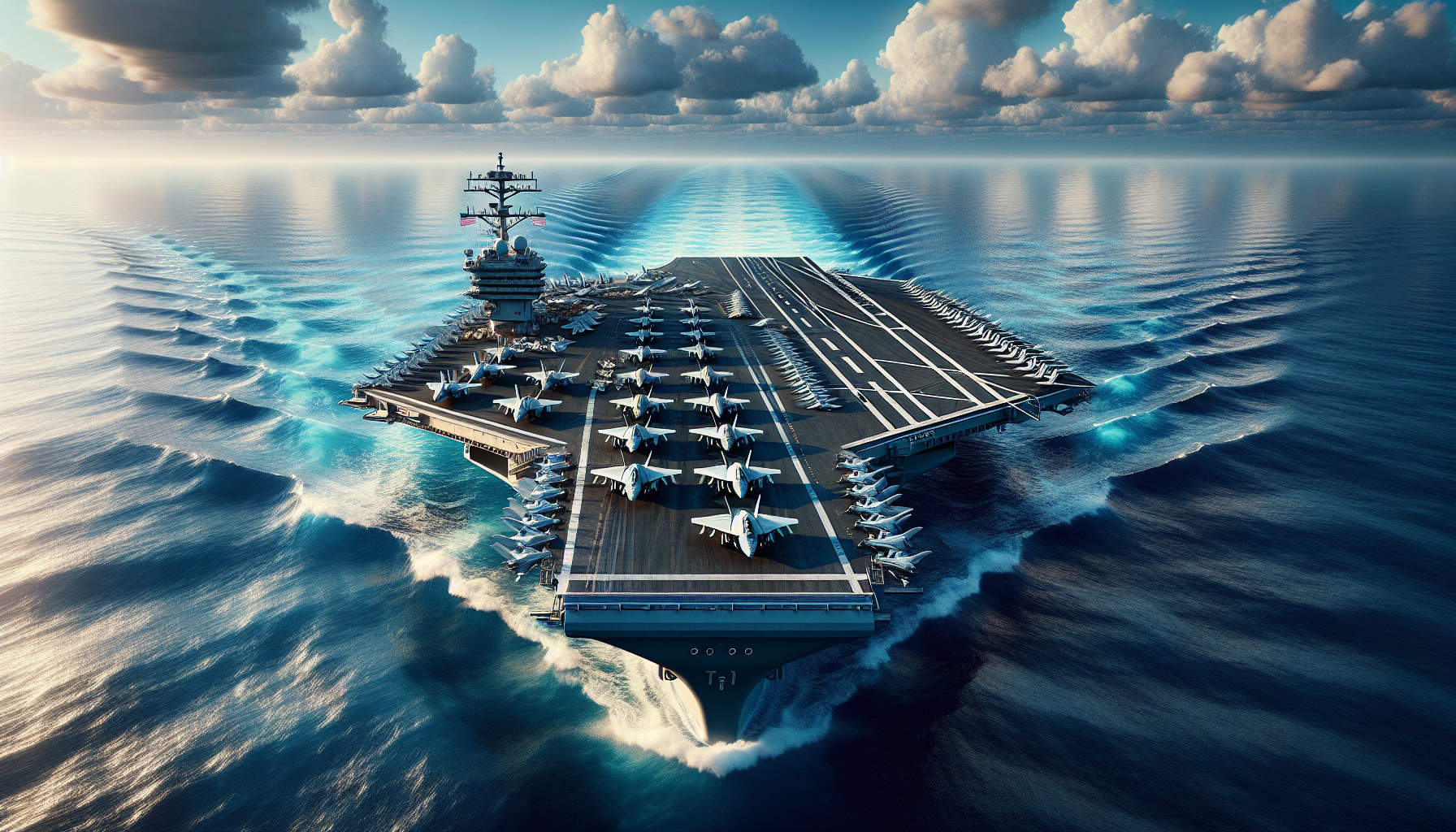
The recent deployment of the USS Gerald R. Ford, the United States’ most advanced aircraft carrier, to the Caribbean exemplifies the multifaceted role that a Carrier Strike Group (CSG) plays in modern military operations. Although officially tasked with combating drug trafficking, the significant military investment represented by this supercarrier underscores broader strategic objectives, particularly as it positions itself in proximity to volatile regions like Venezuela. This article will explore the capabilities of a Carrier Strike Group, its historical significance, and the reasoning behind the ongoing relevance of aircraft carriers in contemporary warfare.
As you examine the operations and potential of a CSG, the discussion will include an analysis of what such a group consists of, its capabilities in various combat scenarios, and its historical applications in conflicts. Furthermore, consideration will be given to the limitations and challenges associated with deploying a carrier strike group, contributing to a comprehensive understanding of its role within U.S. naval power.
Understanding Aircraft Carrier Strike Groups

Definition and Composition of a CSG
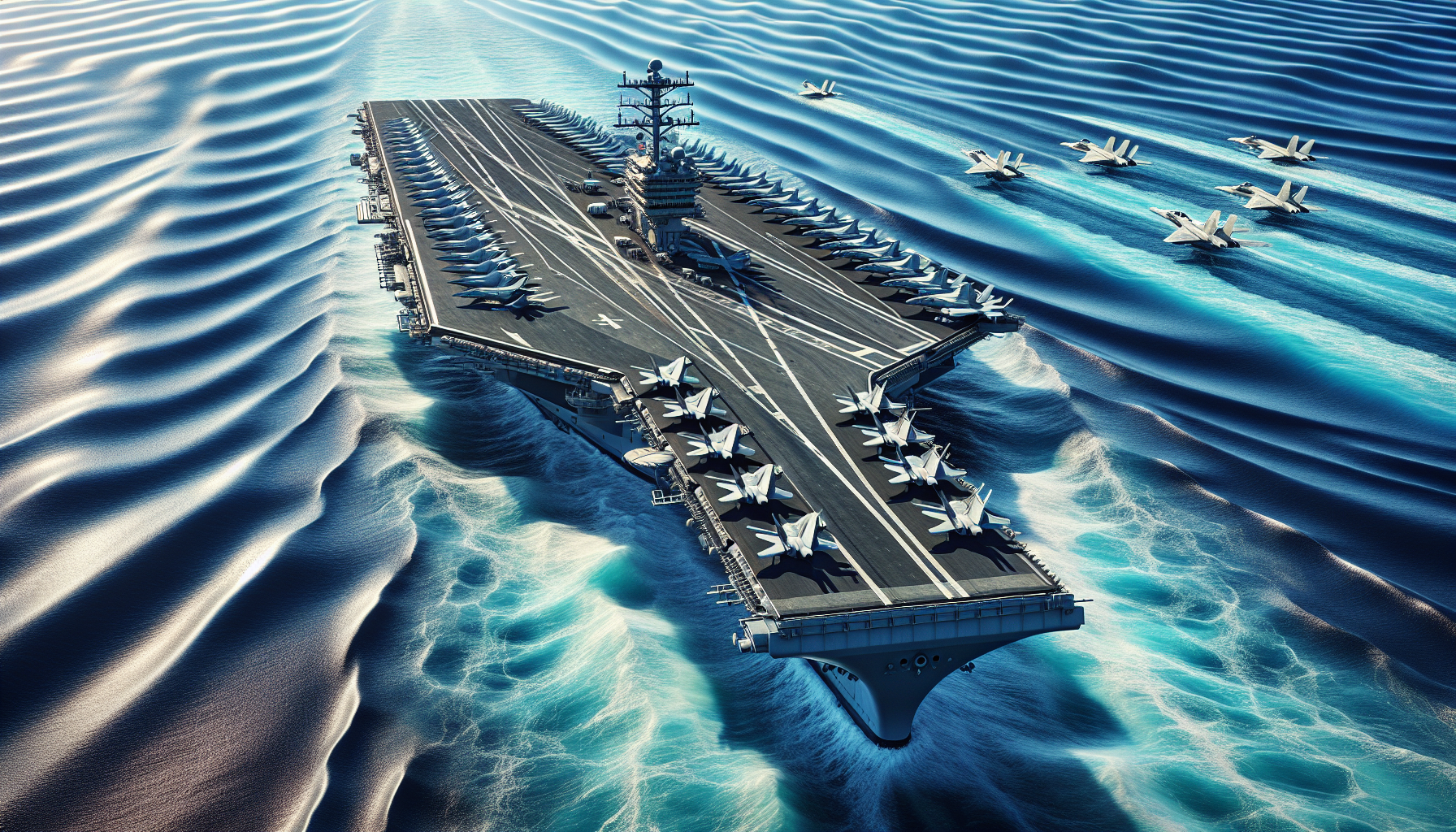
An Aircraft Carrier Strike Group (CSG) is a powerful naval formation that centers around a nuclear-powered aircraft carrier, which serves as the flagship. This complex assembly typically includes a variety of surface combatants, such as guided-missile cruisers, destroyers, and submarines, all working in concert to project sea power and maintain maritime superiority. At its core, the CSG is designed to provide a formidable array of capabilities that enhance the operational effectiveness of the entire fleet.
The composition of a CSG can vary based on mission requirements, but it generally includes approximately 6,000 sailors on the carrier alone, along with an air wing consisting of various aircraft such as fighter jets, surveillance planes, and support helicopters. This diverse assembly allows the CSG to engage multiple adversaries across a range of conflict scenarios, from conventional warfare to humanitarian assistance. Understanding this composition is crucial for grasping the full scope of capabilities a CSG can offer.
Key Components: Aircraft, Ships, and Personnel
The effectiveness of a CSG hinges on its intricate interplay of aircraft, ships, and personnel. The aircraft component typically includes advanced fighter jets such as the F/A-18 Super Hornet, electronic warfare aircraft like the EA-18G Growler, and multiple support and surveillance aircraft. Each of these elements plays a distinct role in achieving strategic objectives, with fighter jets tasked with air superiority, while surveillance planes gather critical intelligence.
The ships within a CSG augment these capabilities. A guided-missile cruiser, for instance, provides air defense, countering aerial threats to the carrier, while destroyers are equipped to engage in anti-submarine warfare. This layered defensive strategy exemplifies the CSG’s approach to safeguarding its assets. Personnel, including highly trained sailors and aviators, represent the backbone of this formation, bringing together a wide array of skills necessary for successful operations. Their training and readiness are essential for executing complex missions, whether in combat or supportive roles.
Role of the Carrier in the Strike Group
The aircraft carrier’s role within the CSG is pivotal. Serving as the primary launching platform for air operations, the carrier acts not only as a mobile air base but also as a symbol of naval power. Its ability to position airstrikes at a moment’s notice provides the U.S. with a critical advantage in deterring adversaries and supporting allies. Furthermore, the carrier’s operational range—enabled by its nuclear propulsion—affords the strike group the flexibility to engage in global missions without reliance on port calls or logistical support.
Additionally, the carrier is equipped with advanced technologies that facilitate command and control, integrating situational awareness with operational execution. The captain of the carrier coordinates activities across the CSG, ensuring that all vessels and aircraft operate in a synchronized manner. This centralized command is integral for maintaining the effectiveness and safety of the group during complex operations.
Capabilities of a Carrier Strike Group
Airpower Projection and Support Operations
One of the primary capabilities of a CSG is its ability to project airpower. The aircraft stationed aboard the carrier can launch missions that span hundreds of miles, allowing the U.S. to conduct strikes on enemy facilities, provide close air support to ground forces, or deliver humanitarian aid. This capability is transformative, as it enables a rapid military response in times of crisis, effectively extending the nation’s reach into volatile regions.
Beyond offensive operations, a CSG also plays a significant role in support operations. This includes refueling aircraft and providing logistics for allied forces in the field. During disaster response scenarios, CSGs can facilitate relief efforts from the air and sea, underscoring their versatility in diverse operational landscapes.
Surface Warfare and Anti-Submarine Warfare
The surface warfare and anti-submarine warfare capabilities are essential components of a CSG’s mission profile. With modern threats ranging from ballistic missile systems to swarming tactics by small boats, surface combatants within a CSG are equipped with advanced weaponry and sensors designed to mitigate these risks. Destroyers and cruisers provide missile defense layers, utilizing Aegis radar systems to intercept hostile threats, while also engaging enemy surface vessels through precision-guided munitions.
In terms of anti-submarine warfare, submarines supporting the CSG employ sophisticated sonar and torpedo systems to counter adversary submarines. This layered approach—consisting of surface ships, aircraft, and submarines—inhibits enemy access and maintains the operational integrity of the CSG.
Intelligence, Surveillance, and Reconnaissance (ISR)
The ISR capabilities inherent in a CSG bolster its operational effectiveness by ensuring that commanders possess updated and critical intelligence. Various aircraft—including the E-2 Hawkeye, a carrier-based early warning and control aircraft—monitor vast expanses of ocean and airspace, providing real-time data that guide tactical decisions. This situational awareness enables the CSG to preempt threats, adapt strategies, and maneuver effectively in contested environments.
Moreover, the integration of unmanned aerial vehicles (UAVs) into a CSG underscores its commitment to modern warfare. These UAVs can conduct surveillance missions over extended periods, significantly extending the reach of the strike group’s ISR capabilities. This synergy between manned and unmanned systems augments the ability to gather actionable intelligence while minimizing risk to personnel.
Historical Context of Carrier Strike Groups
Notable Conflicts Featuring CSGs
Throughout modern history, CSGs have played pivotal roles in numerous conflicts, serving as the spearhead of U.S. military strategy. Notable examples include the Gulf War, where CSGs were instrumental in launching air campaigns against Iraqi forces, and the more recent conflicts in Iraq and Afghanistan, where carrier-based airpower supported ground operations. The visibility and deterrence provided by these strike groups during tensions often helped avert escalation into full-scale conflicts.
CSGs also demonstrated their utility in non-combat situations, providing critical relief in humanitarian crises following natural disasters, as seen during the aftermath of Hurricane Katrina. The versatility of these naval formations highlights their capability to respond to a broad spectrum of scenarios.
Evolution of Carrier Warfare
Since the inception of aircraft carriers in naval warfare, the role of the CSG has evolved dramatically. The introduction of jet aircraft transformed naval aviation, increasing the strike range and speed of carrier-based attacks. During the Cold War, the necessity for nuclear-powered carriers paved the way for extended deployments without refueling, giving rise to modern nuclear CSGs that can operate independently for prolonged periods.
The evolution of carrier warfare has also been influenced by advancements in technology, such as improved radar systems and precision munitions, allowing for more effective and lethal operations. As tactics have changed over decades, so too have the operational doctrines surrounding CSGs, continuously adjusting to meet emerging threats and challenges.
Lessons Learned from Past Deployments
Each deployment of a CSG provides invaluable lessons that inform future strategies. For example, the challenges faced during the Vietnam War, particularly the risks associated with operating within enemy missile environments, prompted the development of new naval tactics and technology designed to enhance survivability. Furthermore, post-mission analyses have highlighted the need for adaptability and rapid response to evolving threat landscapes.
These lessons reinforce the necessity for continuous training and assessment of strategies employed by CSGs. As adversaries adapt technologically and tactically, the U.S. must ensure that its naval forces remain prepared to counter diverse threats effectively.
The Strategic Importance of Modern Carriers
Deterrence and Power Projection
Modern aircraft carriers serve a critical role in U.S. deterrence strategy. By positioning CSGs in strategic regions around the world, the U.S. demonstrates its commitment to global peace and security. The mere presence of a carrier strike group signals to both allies and adversaries that America possesses the capability and resolve to respond to threats decisively.
The power projection capability of CSGs further enhances this deterrent effect. By executing military operations in distant theaters, such as the South China Sea or the Eastern Mediterranean, the U.S. underscores its influence in shaping the geopolitical landscape. This presence reassures allies, while simultaneously deterring potential adversaries from aggressive actions.
Regional Stability and Presence
CSGs are instrumental in maintaining regional stability across the globe. Their ability to conduct exercises with allied forces fosters interoperability, reinforcing defense ties and enhancing collective security among nations. Furthermore, CSG deployments enable the U.S. to provide immediate assistance in crisis situations, promoting stability through humanitarian missions or peacekeeping operations.
The physical presence of a CSG can also help alleviate tensions. For example, during periods of heightened conflict or diplomatic strain, Continued deployment of carrier strike groups may serve as a stabilizing force, facilitating dialogue and discouraging escalatory moves by state or non-state actors.
Support for Allied Operations
The role of CSGs as supporters of allied operations is paramount in modern warfare. Through joint military exercises, CSGs help bolster the capabilities of partner nations, providing training and resources that enhance their defensive postures. This collaborative approach strengthens alliances and fosters a united front in facing common threats.
Moreover, when engaged in multinational operations, CSGs can coordinate air and naval resources to maximize effectiveness. Leveraging the strengths of various nations allows for comprehensive strategies that address complex security challenges—ultimately enhancing operational success in coalition efforts.
Deployment Scenarios: Real-World Applications
Conducting Humanitarian Assistance and Disaster Relief
One of the profound capabilities of CSGs lies in their ability to conduct humanitarian assistance and disaster relief (HADR) operations. Following natural disasters, the rapid deployment of a carrier strike group can make a significant difference in alleviating human suffering. Equipped with medical facilities, supplies, and trained personnel, CSGs are able to provide immediate support to affected populations.
Recent examples, such as the response to the 2010 earthquake in Haiti, demonstrate the effectiveness of CSGs in coordinating well beyond traditional military operations. Their versatility allows them to operate effectively in a range of contexts, showcasing the humanitarian aspects of military power.
Counterpiracy and Maritime Security Operations
CSGs also play an essential role in counterpiracy operations and ensuring maritime security. Threats from piracy in regions like the Horn of Africa necessitate a strong naval response. The presence of a CSG can deter pirate activities, while also conducting operations to safeguard commercial shipping routes, critical for international trade.
Through multinational efforts, CSGs can collaborate with allied naval forces to enhance maritime security. This collaboration can lead to improved intelligence-sharing and joint operations, enabling comprehensive strategies that address not only piracy but also other maritime threats.
Combat Operations in Hostile Environments
In times of conflict, the capabilities of CSGs to conduct combat operations become paramount. Equipped for rapid air and missile strikes, they can engage adversaries from secure distances while minimizing risks to personnel. This capability has proven invaluable in engagements where ground forces may face significant threats.
CSGs have demonstrated this effectiveness in conflicts across the globe, from the airstrikes in Libya to military operations against ISIS in the Middle East. The deterrent effect combined with precise operational capabilities allows CSGs to execute tailored strategies in complex combat environments.
Technological Advancements in CSGs
Next-Gen Aircraft and Upgrades
Technological advancements have drastically transformed the capabilities of aircraft within a CSG. The introduction of cutting-edge aircraft like the F-35 Lightning II enhances the CSG’s offensive power and situational awareness. This stealth multirole fighter combines advanced sensor technologies with network-centric warfare capabilities, significantly improving both air-to-air and air-to-ground operations.
Additionally, ongoing upgrades to existing aircraft and systems ensure that CSGs remain competitive on the modern battlefield. Continuous improvements in avionics, weapon systems, and maintenance capabilities have streamlined fleet readiness and operational efficiency.
Enhanced Defense Systems and Countermeasures
As threats to naval forces evolve, so too do the defense systems employed by CSGs. State-of-the-art missile defense systems, such as the Aegis Combat System, provide comprehensive protection against various aerial threats, including ballistic missiles and anti-ship missiles. This multi-layered defense capability ensures the safety of not just the carrier but also supporting vessels within the strike group.
Moreover, electronic warfare systems have become vital for countering enemy radar and missile targeting. Advanced countermeasures allow CSGs to operate effectively in contested environments where traditional means of engagement may be insufficient. This technological evolution underscores the adaptability inherent within modern CSGs.
Cyber Warfare Capabilities
In an age where cyber threats loom large, the integration of cyber warfare capabilities into CSG operations has become essential. The U.S. Navy recognizes that adversaries may attempt to degrade naval operations through cyber attacks. As such, CSGs are increasingly equipped with advanced cyber defense systems capable of protecting data networks and operational platforms from intrusions.
These cyber capabilities enhance the overall efficacy of CSGs, ensuring that they can maintain operational integrity in the face of evolving warfare paradigms. This integration represents a critical component of modern naval doctrine that addresses the multidimensional nature of contemporary conflicts.
Challenges Facing Carrier Strike Groups
Vulnerability to Emerging Threats
While CSGs provide numerous advantages, they are not without vulnerabilities. As adversaries develop advanced anti-access/area denial (A2/AD) systems, the risk of threats to CSGs has increased. Whether they come from sophisticated missile systems or advanced cyber capabilities, these emerging threats necessitate a constant reevaluation of naval tactics and defensive postures.
This vulnerability raises critical questions about the future viability of carriers in scenarios where peer adversaries possess the technological means to contest air and maritime dominance. The insistence on balancing power projection with strategic security measures underscores the complexities faced by naval operations today.
Logistical and Maintenance Challenges
The operation and maintenance of CSGs are inherently complex endeavors that require significant logistical management. The sheer size of these formations necessitates extensive resources for sustainment, particularly during prolonged deployments where maintenance schedules must be adhered to rigorously. Keeping an aircraft carrier and its associated vessels at sea for extended periods demands supplies, technical expertise, and preventative measures to ensure operational readiness.
These logistical challenges can be exacerbated in remote environments where naval forces operate. Consequently, the efficiency of logistical operations becomes crucial for maintaining the efficacy of CSGs during missions that span extensive areas of responsibility.
Political and Public Perception Issues
The political implications surrounding CSG deployments can also present challenges. The use of military force, particularly in international contexts, can draw scrutiny and contribute to domestic debates regarding military interventionism. Leaders operating within the sensitive dynamics of international relations must account for public perception as they engage in military operations, particularly those involving CSGs.
Navigating political landscapes and public sentiments requires diplomacy and clear communication strategies. The modern military leader must adeptly manage these aspects to maintain public support while executing strategic military objectives.
The Role of CSGs in Modern Naval Doctrine
Integration with Joint Forces
The integration of CSGs with joint forces is a fundamental aspect of modern military operations. CSGs operate in concert with ground, air, and other naval forces, ensuring that this multi-domain approach maximizes overall effectiveness in combat and humanitarian missions alike. By coordinating support and leveraging each unit’s unique capabilities, the U.S. can respond efficiently to emerging threats.
This integration underscores the necessity for robust inter-service collaboration, facilitating operations in which CSGs maintain centralized command while also conducting joint exercises that solidify interoperability. The seamless cooperation among all branches of the military reflects the comprehensive nature of contemporary warfare.
Adaptive Strategies for Modern Warfare
As military challenges become increasingly complex, the ability of CSGs to adapt and innovate is of utmost importance. Developing responsive strategies that incorporate emerging technologies, tactics, and operational concepts can ensure that CSGs succeed in the fast-evolving landscape of warfare. This adaptability not only extends to employing new technologies but also entails a reassessment of traditional doctrines that may no longer apply in all contexts.
Continuous training and realistic exercises help maintain readiness for diverse operational scenarios, equipping naval leaders with the experience needed to navigate unpredictable situations. As adversaries evolve, the response from CSGs must likewise evolve, emphasizing adaptability as a core principle in modern naval warfare.
Future of Carriers in Naval Strategy
The future of aircraft carriers within naval strategy remains a topic of discussion among military strategists. While the emergence of new technologies poses challenges, the fundamental role of carriers in ensuring maritime supremacy continues to hold strategic value. Their capacity for air power projection, deterrent presence, and rapid response underscores the significance of carriers in addressing diverse geopolitical challenges.
As naval forces integrate new capabilities and embrace innovative strategies, the essence of the carrier remains an enduring symbol of naval power that adapts to the ever-changing realities of warfare. Future iterations may evolve in their design and function, yet the core principles of command, control, and power projection will undoubtedly continue to shape naval strategy.
International Responses to U.S. Carrier Operations
Reactions from Global Powers
The presence and deployment of U.S. carrier strike groups often elicit varied reactions from global powers. Countries with adversarial relationships towards the U.S. may perceive these formations as direct threats, prompting them to enhance their military readiness or re-evaluate diplomatic strategies. Regional powers may respond by strengthening alliances or developing their own military capabilities to counter perceived risks.
Conversely, allies generally welcome the presence of CSGs as a demonstration of commitment to mutual defense and regional stability. This dynamic emphasizes the multifaceted implications of carrier operations on the global stage, underscoring the interplay of diplomacy, military strength, and regional politics.
Impact on NATO and Allied Forces
Within the NATO framework, the deployment of U.S. CSGs has a significant impact on collective defense strategies. The ability of CSGs to provide swift air support and deterrence enhances the overall capabilities of the alliance, fostering a cohesive response to threats in Europe and beyond. Joint exercises involving CSGs can improve interoperability among NATO forces, enabling them to operate seamlessly in coalition missions.
Moreover, U.S. carrier operations serve to reinforce the security commitments made to allies. This contribution plays a vital role in maintaining transatlantic ties, ensuring that NATO remains a unified force capable of addressing 21st-century security challenges.
Influence on Emerging Navy Powers
The existence of U.S. CSGs significantly influences the naval strategies of emerging powers. Nations seeking to bolster their own naval capabilities may view the capabilities and operational successes of U.S. carriers as benchmarks to emulate. This quest for naval modernization can contribute to regional arms races, where emerging powers invest resources in developing their own carrier programs, submarines, and advanced combat systems.
The influence of U.S. carrier operations shapes the global naval landscape and encourages nations to reassess their military priorities in the context of maritime security. This dynamic underscores the interconnected nature of global maritime strategies and the role of CSGs in setting standards for naval warfare.
Conclusion
Summary of CSG Capabilities and Importance
The capabilities and importance of Aircraft Carrier Strike Groups within modern naval operations cannot be overstated. Through their versatile composition and multifaceted role in power projection, deterrence, and humanitarian assistance, CSGs represent a cornerstone of U.S. maritime strategy. The unique synergy of advanced aircraft, protective vessels, and skilled personnel enables CSGs to address a wide spectrum of operational demands effectively.
Final Thoughts on the Evolving Role of Carriers
As the landscape of warfare evolves, the role of aircraft carriers within naval strategy will continue to adapt. In an age of emerging technologies and diversified threats, CSGs must retain their relevance through innovation while upholding the core principles that have defined them for decades. The challenges they face will demand not just an evolution in their capabilities, but also a cultural shift that embraces adaptability and resilience.
Future Considerations for Military Strategy
In considering future military strategy, the need for a balanced and integrated approach remains vital. As threats evolve, the U.S. must continue investing in its carrier capabilities while also fostering cooperation with allies and enhancing its joint operational framework. Ultimately, ensuring the success of CSGs will require a holistic understanding of both maritime power and emerging global dynamics—a testament to their enduring legacy as pivotal elements of U.S. naval might.