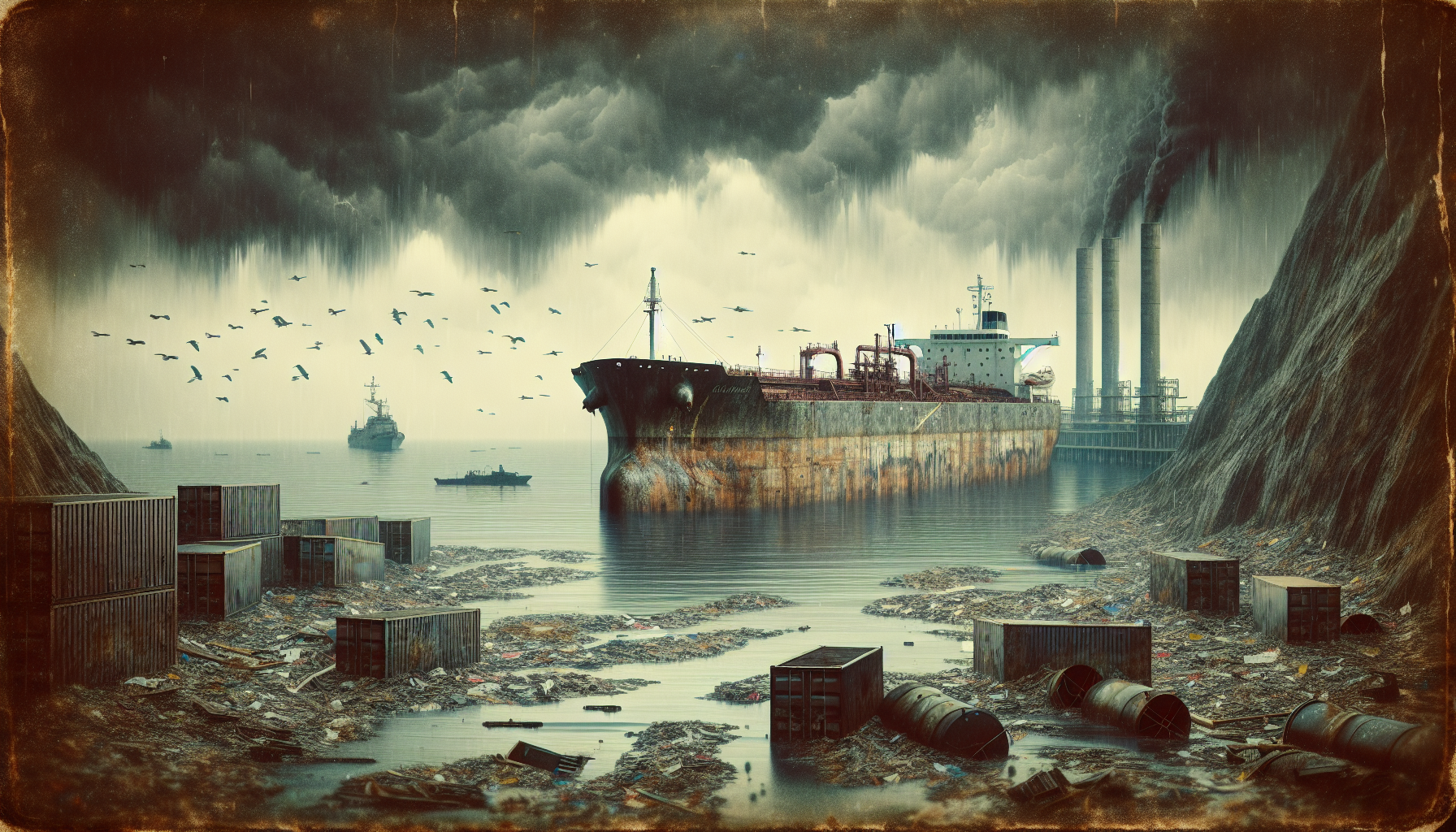
The resurgence of the “Tanker War” illustrates a critical shift in modern maritime conflict characterized by sanctions enforcement and military interventions. Following the U.S. Coast Guard’s seizure of the M/T Skipper in December 2025, American forces have intensified their efforts to intercept sanctioned tankers linked to Venezuela, thereby underscoring Washington’s commitment to combating sanctions evasion. Concurrently, Ukraine has escalated its offensive operations against Russian oil shipping, utilizing drone technology to target vessels within the Black Sea and beyond.
This article examines the historical context of the Tanker War from the 1980s, the implications of the U.S. Navy’s recent operational history, and the evolving tactics employed by both the U.S. and Ukraine. A detailed analysis will address the strategic significance of these maritime engagements and the potential ramifications for military operations within the broader geopolitical landscape. You will gain insight into the complexities of contemporary naval warfare and the strategic decisions that shape international relations.
Understanding the Modern Tanker War
Defining the Tanker War
In the contemporary context, the term “Tanker War” encompasses a series of maritime conflicts primarily centered around the control and transportation of oil. The resurgence of such conflicts reflects a complex interplay involving economic sanctions, military strategies, and geopolitical considerations. You find that the modern iteration draws not only from historical antecedents but also engages contemporary actors and technologies, resulting in a multifaceted theater of operations. As you analyze these developments, it becomes evident that both state and non-state actors increasingly employ maritime strategies to achieve geopolitical goals.
Historical Context of Maritime Conflicts
Your understanding of the Tanker War significantly benefits from its historical underpinnings. Maritime conflicts have accompanied global trade throughout history, often surfacing alongside issues of sovereignty, resource control, and economic dominance. The retroactive examination of the 1980s Tanker War, where Iranian and Iraqi interests clashed amidst the backdrop of the Iran-Iraq War, illustrates how nations have historically resorted to unlawful measures at sea. In a modern context, factors such as advances in maritime technology, international sanctions, and hybrid warfare strategies have transformed the landscape. This evolution necessitates reevaluating maritime prerogatives as the velocity of maritime aggression continues to escalate.
Key Players in the Modern Tanker War
In scrutinizing the contemporary Tanker War, you must recognize the various key players. The United States, primarily as an enforcer of international sanctions, assumes a central role in maritime security operations targeting nations such as Venezuela and Iran, which the U.S. government accuses of engaging in sanction evasion. On the opposing side, countries such as Russia and Iran leverage their own maritime capabilities to secure their interests. Non-state actors, including private maritime security firms and criminal organizations, further complicate this dynamic by exploiting the frailties within established frameworks. As you navigate these relationships, the continuous engagement of these players becomes essential in forecasting future maritime conflicts.
US Maritime Enforcement Strategies
Overview of Maritime Sanctions
Maritime sanctions, enacted primarily by the United States, serve as a critical tool in shaping international compliance with normative frameworks. You observe that these sanctions often target specific entities or sectors, and can include measures such as asset freezes, trade prohibitions, and restrictions on maritime operations. The enforcement of these sanctions necessitates collaborative efforts among various agencies, including the Coast Guard and military, to monitor and deter unauthorized shipping activities. Moreover, understanding the legal justifications behind these sanctions aids in unpacking their broader geopolitical implications.
Details of Recent Tanker Seizures
Recent events highlighted by the U.S. Coast Guard’s seizure of the M/T Skipper in December 2025 offer valuable insights into the enforcement mechanisms at play. Occurring shortly after its departure from Venezuela, this incident exemplifies Washington’s dedication to disrupting shipping that contravenes imposed sanctions. You may note the series of subsequent interceptions of Venezuela-linked tankers, signalling the U.S. commitment to deterring illegal oil shipments. Each seizure not only reflects operational capabilities but also serves as a strategic signal to other would-be violators.
The Role of the Coast Guard in Seizures
As you examine the U.S. Coast Guard’s role in maritime enforcement, it becomes clear that this agency operates at the intersection of regulation and operational capacity. You discover that the Coast Guard engages in a myriad of activities, ranging from intelligence gathering to active boarding operations. Its presence serves to project U.S. naval power while simultaneously promoting the rule of law on international waters. Additionally, the Coast Guard’s partnership with international agencies enhances its capacity to undertake complex seizures, underscoring the importance of collaboration in modern maritime enforcement.
Sanctions and Their Impact on Global Trade

How Sanctions are Imposed
You must understand that the imposition of sanctions is a calculated process that often involves extensive diplomatic negotiations. Typically, sanctions are crafted through legislative frameworks, with legislatures outlining specific prohibitions and penalties. International organizations, including the United Nations, may also play a role in endorsing or mandating sanctions based on collective security concerns. The disconnect between sanctioned states’ economic needs and the global response underlies ongoing tensions in international relations.
Effects on Venezuelan Oil Exports
The case of Venezuelan oil exports illustrates the tangible economic ramifications of sanctions. You find that these sanctions have decimated Venezuela’s oil production capabilities, plunging its economy into a state of crisis. As the country relies heavily on oil revenue, dwindling exports challenge national stability and fuel domestic dissent. Consequently, the sanctions not only aim to alter government conduct but also inadvertently incite broader socio-economic challenges within sanctioned states, complicating the dialogues surrounding effective diplomatic resolutions.
Global Economic Implications of Sanction Evasion
The phenomenon of sanction evasion creates a paradox whereby global trade networks adjust to circumvent restrictions. As you delve deeper, it is evident that the implications extend beyond affected states, fostering opportunistic behavior among vessel operators and illicit traders. The interconnected nature of global markets means that evasion efforts can distort traditional supply chains, affecting oil prices and increasing geopolitical volatility. You see how the longer-term implications challenge existing frameworks of legal trade, prompting a need for more innovative enforcement strategies.
Ukraine’s Response: Attacks on Tankers
Overview of Ukraine’s Maritime Strategy
In the context of the conflict with Russia, Ukraine has adopted a proactive maritime strategy that incorporates direct action against oil shipping. Your examination reveals how Ukraine seeks to disrupt Russian logistics through offensive operations targeting maritime assets. This marks a notable shift in the operational paradigm, wherein a traditionally defensive nation employs maritime capabilities to retaliate against external aggression. The strategic calculus of such operations lies in diminishing Russia’s economic leverage gleaned from oil exports.
Use of Sea Drones Against Russian Oil Shipping
A particularly noteworthy aspect of Ukraine’s strategy is the deployment of sea drones in attacks against Russian oil tankers. You will find that these unmanned vessels exemplify innovations in maritime warfare, allowing for remote engagement without risk to personnel. The strategic application of drone technology enables Ukraine to strike vessels associated with Russia’s shadow fleets, enhancing operational success while minimizing exposure to counterattacks. This reveals a paradigm shift in how naval engagements are conceived in the modern era.
Significance of Attacking Shadow Fleets
Attacks on so-called “shadow fleets,” or vessels disguised to evade sanctions, have significant implications for global maritime norms. By targeting such vessels, Ukraine aims to disrupt the broader systems of evasion that sustain Russian oil trade. As you assess the significance of these actions, it becomes evident that they reflect a growing recognition of the interconnectedness of maritime operations and broader geopolitical strategies. The implications extend beyond immediate tactical benefits, suggesting a longer-term reconfiguration of maritime norms centered on accountability.
Operational Tactics in Modern Maritime Warfare
Techniques Used by the US Navy
You will find that the United States Navy employs a sophisticated array of tactics designed to secure maritime interests. These tactics include not only direct engagement through naval operations but also intelligence operations that involve reconnaissance and cyber capabilities. The multifaceted approach aims to gain situational awareness in contested maritime environments while consistently projecting power to deter adversarial actions.
Drone Warfare in Maritime Conflicts
The increasing reliance on drone technology in maritime warfare exemplifies the evolution of conflict. You discover that these unmanned systems facilitate reconnaissance, surveillance, and direct engagement in ways previously unattainable. By minimizing risks to personnel, drones represent a significant enhancement in operational capabilities, allowing forces to conduct precision strikes against threats emerging from the sea.
Case Studies of Successful Operations
Analyzing historical instances of successful naval operations can provide invaluable lessons for modern warfare. Operations such as the U.S. intervention in the Gulf during the Tanker War of the 1980s showcase how decisive naval action can shift the balance in maritime conflicts. As you delve further, you will note that iterative learning through these case studies informs contemporary strategies and highlights the ongoing evolution of naval capabilities in tandem with emerging threats.
Legal and Ethical Considerations
International Maritime Law and Sovereignty
Your investigation into the legal frameworks governing maritime operations must account for principles of international law and state sovereignty. While enforcement actions may serve strategic goals, they often raise critical questions about legality and legitimacy. The principles articulated in the United Nations Convention on the Law of the Sea (UNCLOS) provide a baseline for understanding the rights of states, yet the challenge lies in aligning national interests with established legal norms.
Legal Framework for Seizing Tankers
The legal justifications for seizing tankers can be complex, often rooted in underpinnings of sovereignty, jurisdiction, and international law. You will find that such actions typically require clear evidence of violations. Moreover, the imperatives of due process, as enshrined in national and international legal standards, frequently shape the contours of enforcement actions. Understanding these parameters is essential for a robust evaluation of the legality surrounding current maritime practices.
Ethical Dilemmas in Maritime Warfare
As you navigate the ethical dimensions of maritime warfare, the implications of enforcement tactics become evident. The ethical dilemmas inherent in sanction enforcement and maritime seizures challenge normative beliefs about state conduct. For instance, the collateral impacts on civilian populations, often exacerbated by sanctions, call into question the moral legitimacy of punitive measures. As advocates for ethical warfare, you must consider how governance frameworks can evolve to address such complexities.
Geopolitical Ramifications
Impact on US-Russia Relations
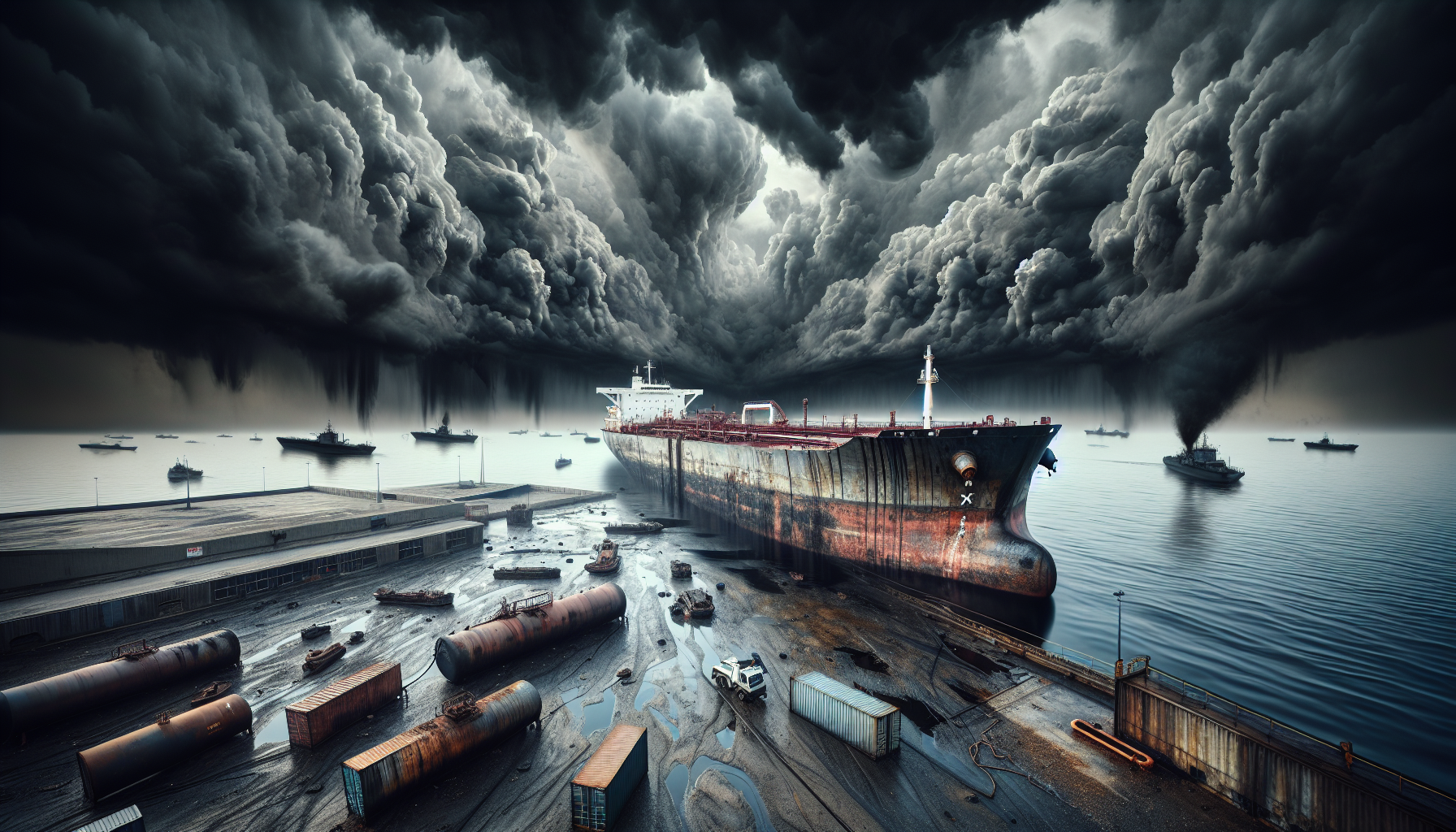
The dynamics of the modern Tanker War markedly impact U.S.-Russia relations. Your analysis should emphasize how maritime enforcement efforts contribute to the ongoing deterioration of diplomatic relations between these two powers. The judicial and punitive actions taken against sanctioned entities may be perceived as acts of aggression, compelling Russia to respond with its own military and economic actions. Understanding these relationships is critical in anticipating future tensions.
Regional Stability in the Black Sea
The Black Sea emerges as a focal point in the contemporary maritime conflicts, with simmering tensions imperiling regional stability. As you assess the balances of power within this strategic waterway, it becomes apparent that competing maritime interests could trigger broader confrontations. The intersection of Ukrainian, Russian, and NATO interests in the region highlights the precarious nature of stability and the potential for conflict escalation.
Global Reactions to the Tanker War
The global reactions to the current iteration of the Tanker War demonstrate how economic interdependencies shape international responses. Countries aligned with either side of the conflict navigate a landscape fraught with challenges, complicating economic ties and diplomatic communications. The ramifications resonate across global energy markets, impacting energy prices and thereby influencing domestic policies. You see how these reactions signal broader tendencies towards a multipolar world where maritime interactions take center stage.
Future of Maritime Warfare
Trends in Naval Technology
The evolution of naval technology shapes the future of maritime warfare in profound ways. You will find that advances in artificial intelligence, autonomous systems, and cyber warfare continually alter operational landscapes. As states invest in cutting-edge technologies, the maturation of these capabilities could redefine how conflicts unfold at sea, necessitating adaptive strategies from conventional naval powers.
Potential Escalation Scenarios
In anticipating how current tensions might escalate, you can explore various scenarios that hinge on strategic miscalculations or unintended engagements. Heightened military posturing, miscommunication in contested waters, and direct engagements could all lead to broader confrontations. You should appreciate that the complexities of maritime politics call for a nuanced understanding of the interplay between state actions and non-state actors, which could agitate existing conflicts.
Predictions for Future Conflicts
Predicting the future of maritime conflicts requires engaging with emerging trends and player dynamics. You recognize that as more states assert their maritime claims, the potential for conflict will likely increase. This acknowledgment calls for robust frameworks that seek to preemptively diffuse tensions while accommodating the legitimate rights of countries involved. You find that the future will hinge on the ability of states to engage in constructive dialogues that prioritize stability over aggression.
Military Readiness and Resources
Assessing US Military Capabilities
Your examination of military readiness necessitates a comprehensive evaluation of U.S. naval capabilities. The United States maintains advanced maritime forces equipped to tackle contemporary threats, underscoring its status as a global naval power. This includes not only surface vessels but also submarine fleets and air support, which all play a crucial role in maintaining freedom of navigation and projecting power globally.
Logistical Challenges in Maritime Operations
The logistical challenges inherent in maritime operations are significant and often dictate operational success. From supply chain management to the efficacy of intelligence dissemination, you encounter a range of complexities that can hinder responsiveness. Understanding the interplay of logistics, operational planning, and real-time decision-making is essential for grasping the nuances of military readiness and strategic application.
Investment in Naval Forces and Technologies
As you navigate the future landscape of maritime conflict, it becomes imperative to consider the ongoing investments in naval forces and technologies. Your research may lead you to assess how defense budgets allocate resources towards emerging technologies, highlighting trends in procurement that reflect evolving threat landscapes. Enhanced investment in fleet modernization, cyber capabilities, and unmanned systems will likely shape the outcomes of future maritime engagements.
Conclusion
Summary of Key Findings
Upon reflecting on the various dimensions of the modern Tanker War, you recognize the intricate complexities of maritime warfare shaped by sanctions, military strategies, and evolving technologies. Each element interdigitates to create a dynamic that dictates not only regional stability but also broader geopolitical relations. You find that understanding the players involved and their respective motivations becomes critical in deciphering the evolving narratives of maritime conflict.
Implications for Future US and Ukrainian Maritime Strategies
As the U.S. and Ukraine navigate this maritime theater, it is imperative that they adapt strategies to mitigate risks associated with escalation while maximizing operational efficacy. U.S. maritime sanctions enforcement and Ukraine’s proactive maritime strategy must coexist while anticipating countermeasures from adversaries. Your assessment should underscore the necessity for constant adaptation to emerging threats and the socio-political ramifications of maritime actions.
Closing Thoughts on the Evolving Nature of Maritime Conflicts
In conclusion, you must recognize that the realm of maritime conflict is not stagnant but rather characterized by persistent evolution. As the international community witnesses the resurgence of the Tanker War and its subsequent implications, the patterns and practices emerging today could serve as precursors to conflicts ahead. Your ongoing examination of this complex arena is crucial in understanding the interplay of maritime enforcement, sanction regimes, and the geopolitical landscape that shapes our world.