
The Chinese People’s Liberation Army (PLA) has asserted its dominance by claiming to possess the world’s largest artillery force, consisting of approximately 9,500 artillery pieces. This considerable arsenal forms more than one-third of the PLA Ground Force, underscoring the significance of artillery in China’s military strategy as discussed in the 2019 China Military Power Report by the U.S. Defense Intelligence Agency. Historical developments, beginning with the establishment of the PLA in 1927, illustrate a dramatic evolution from rudimentary mountain guns to the sophisticated systems in operation today. Additionally, the PLA’s modernization efforts showcase a blend of historical influences and contemporary advancements.
Artillery’s role in the PLA has not only shaped military capabilities but has also spurred reforms and innovations influenced by both Soviet and Western doctrines. The establishment of a dedicated artillery branch in 1950 marked a pivotal moment in China’s military history, leading to advancements in domestic production and strategic adaptations. Current assessments indicate a focus on long-range artillery, particularly in preparation for potential operations against Taiwan, alongside significant ammunition production capabilities. As the PLA continues to refine its artillery operations, the trajectory of its military modernization raises critical questions about its implications on regional and global security dynamics.
Overview of China’s Artillery Branch
The People’s Liberation Army (PLA) has positioned itself as a formidable presence on the global military stage, particularly within its artillery branch. You may recognize the PLA’s claim to possess the largest artillery force in the world, with an estimated arsenal totaling around 9,500 artillery pieces. This not only showcases China’s extensive military capabilities but also highlights the critical role artillery plays within the PLA’s overall combat strategy. Over one-third of the PLA’s military strength is derived from its artillery, making it an indispensable component of ground operations. The significance of artillery has further been underscored by the 2019 China Military Power Report published by the U.S. Defense Intelligence Agency, which emphasizes its vital role in shaping the PLA’s military strategy and operational planning.
In contemporary military dynamics, the role of artillery goes beyond mere firepower; it is a cornerstone of modern warfare strategy. In various theaters of conflict, China has been progressively enhancing its artillery capabilities to support rapid mechanized maneuvers and joint operations with other military branches. The technological advancements in precision-guided munitions and sophisticated targeting systems reflect a paradigm shift in how artillery is integrated into broader military strategies, marking a departure from traditional massed fire techniques.
Artillery Strength and Capacities
Estimated number of artillery pieces
Recent intelligence assessments suggest that China’s artillery force is composed of an astonishing 9,500 artillery pieces. This eye-catching statistic raises questions regarding both the scale and efficiency of the PLA’s artillery capabilities. While the exact distribution and operational readiness of these units may vary, the sheer size of the artillery inventory illustrates China’s intention to maintain a dominant position in conventional warfare scenarios.
Types of artillery in service
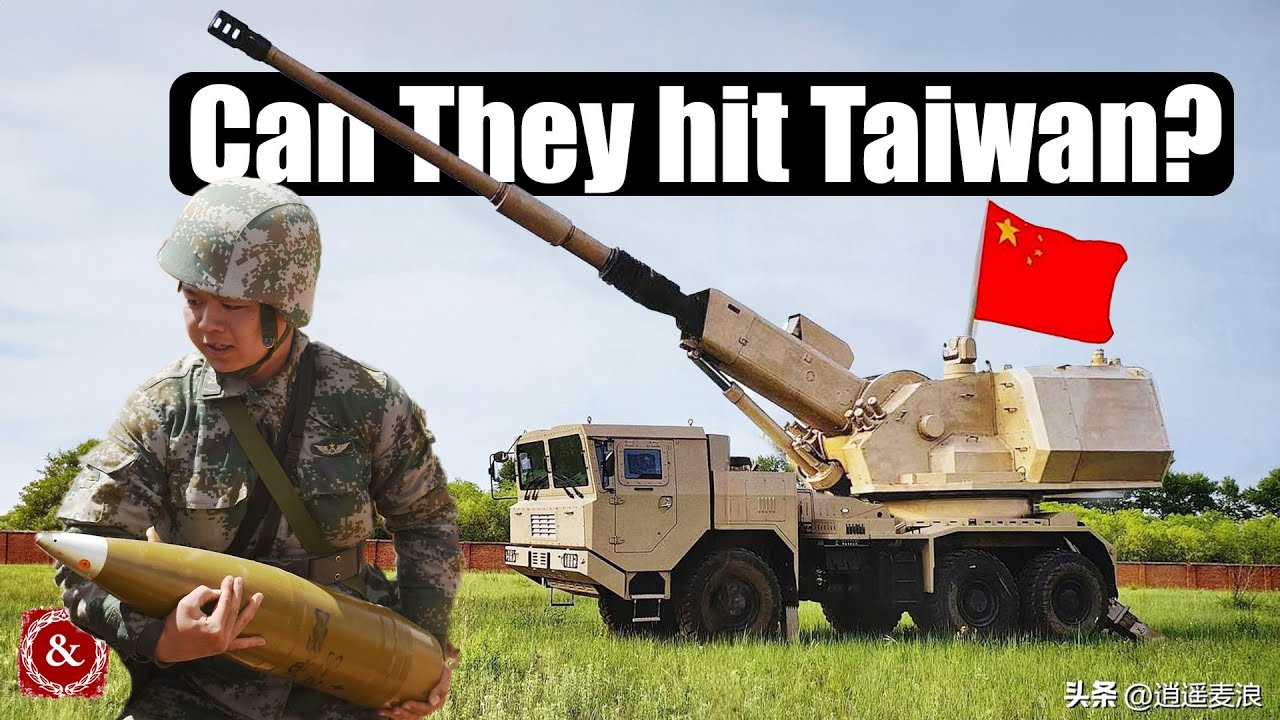
You will find a diverse array of artillery systems within the PLA, which include self-propelled howitzers, towed artillery, and multiple-launch rocket systems. The self-propelled category, prominently featuring systems like the PLZ-05, provides enhanced mobility and rapid deployment capabilities, allowing the PLA to engage targets effectively across various combat environments. In contrast, traditional towed artillery units, including variants of Soviet-era designs, still hold operational relevance thanks to their established reliability and lower logistical demands.
Geographic distribution and deployment
The geographic distribution of China’s artillery forces is strategically aligned with national defense requirements. You may observe significant concentrations of artillery units along critical borders, particularly near Taiwan and the South China Sea, where tensions have been historically pronounced. The PLA’s artillery deployment strategies also incorporate dual-use considerations, where systems can be rapidly relocated to support both defensive and offensive operations, reflecting a flexible and adaptable military posture.
Historical Development of Artillery
Early artillery development post-1927
The origins of the PLA’s artillery branch can be traced back to the establishment of the PLA in 1927. Initially, the artillery capabilities were rudimentary, relying on mountain guns that lacked the firepower necessary for comprehensive military operations. The limited artillery inventory constrained the PLA’s operational effectiveness during its formative years.
Acquisition strategies after World War II
The post-World War II era marked a pivotal transition for PLA artillery development. The Chinese Communist Party (CCP) instituted a campaign to gather abandoned artillery shells left by Japanese forces, leading to the capture of 700 artillery pieces and an extensive cache of ammunition. This grassroots mobilization not only augmented the artillery inventory but also instilled a sense of resourcefulness that would define future PLA operations.
Evolution during the Chinese Civil War
The Chinese Civil War provided further opportunities for artillery expansion. You will recognize how the CCP captured additional artillery assets during the conflict, acquiring a mixed assortment of Japanese, German, and American hardware. This eclectic mix of artillery pieces enriched the PLA’s operational capabilities, enabling it to apply a diverse array of tactical approaches against the opposing Kuomintang forces.
Establishment of the Artillery Branch
Formal creation in 1950
In August 1950, the PLA formally established its artillery branch, a milestone that signified a commitment to enhancing its firepower capabilities. The establishment was not merely bureaucratic; it symbolized the beginning of a focused effort to cultivate an effective artillery force tailored to China’s unique military objectives.
Initial Soviet influence and support
The early development of the artillery branch benefited significantly from Soviet support. You may note how the collaboration with Soviet military advisors and experts facilitated the adoption of Soviet artillery doctrine and technologies. This technical assistance was critical in laying the groundwork for artillery production capabilities, allowing China to engage in the licensed manufacturing of Soviet-designed howitzers.
Domestic production capabilities
The establishment of domestic production capabilities was a priority for the newly formed artillery branch, leading to the creation of several military-industrial complexes dedicated to artillery munitions and systems. The development of indigenous artillery technologies became essential for reducing dependence on foreign sources and enhancing operational autonomy.
Cold War Era and Its Impact
Artillery performance during the Korean War
The Korean War (1950-1953) marked a significant test for the PLA’s artillery forces. Your examination of this period reveals that the PLA faced substantial disadvantages in terms of artillery firepower compared to U.S. and UN forces. Notably, during the last months of the conflict, U.S. and allied forces fired approximately 3.5 million artillery rounds while the PLA managed significantly fewer, around 370,000. This stark imbalance highlighted vulnerabilities within the PLA’s artillery capabilities and prompted subsequent reforms.
Lessons learned and reforms triggered
The observable deficiencies in China’s artillery performance during the Korean War catalyzed a series of reforms aimed at amplifying both quantity and quality. The PLA recognized the necessity of investing in more capable artillery systems and sought to draw lessons from their wartime experiences. Such reforms included upgrading existing artillery hardware and increasing the scale of artillery production.
Post-war production ramp-up
As the conflict came to a close, the lessons learned led to a marked increase in artillery production. The PLA shifted its focus to developing a robust and diversified artillery arsenal capable of meeting both immediate tactical requirements and long-term strategic goals. This expansion set the stage for further modernization efforts in subsequent decades.

Modernization Efforts
Collaboration with Western experts since the 1980s
The 1980s marked a crucial turning point for China’s artillery modernization, characterized by a willingness to engage with Western experts, including renowned defense engineers. By adopting Western-influenced approaches to artillery doctrine and technology, the PLA sought to enhance the precision and effectiveness of its artillery systems, moving beyond prior Soviet models.
Emphasis on technology and innovation
You will find that an increased emphasis on technology and innovation has reshaped the PLA’s approach to artillery. This modernization effort has involved adopting advanced computer systems for fire control and logistics alongside improvements in artillery mobility and quick deployment capabilities. These innovations reflect a broader trend within the PLA to integrate cutting-edge technology into traditional military frameworks.
Introduction of precision-guided munitions
One of the more significant advancements has been the introduction of precision-guided munitions into the PLA’s artillery arsenal. These munitions allow for more accurate strikes, reducing collateral damage and enhancing operational efficiency. The move toward precision-guided artillery represents a paradigm shift in the PLA’s strategic application of firepower.
Current Artillery Capabilities
Overview of self-propelled systems
As of 2023, the PLA boasts a diverse range of self-propelled artillery systems that enhance its operational flexibility. These self-propelled units, such as the PLZ-05 and its derivatives, allow for rapid repositioning on the battlefield, enabling the PLA to maintain a more dynamic presence during combat operations. The integration of advanced targeting systems into these platforms further enhances their fire support capabilities.
Towed artillery units still in use
While self-propelled systems receive considerable attention, towed artillery units remain a core component of the PLA’s artillery force. The enduring relevance of these units lies in their cost-effectiveness and adaptability to various operational contexts. Towed artillery continues to provide reliable fire support, reinforcing the PLA’s overall artillery strength.
Integration of new artillery technologies
The PLA has made significant strides in incorporating new technologies into its artillery systems. This integration encompasses enhanced targeting systems, communications infrastructure, and automated logistics. By embracing these advancements, the PLA seeks to improve the efficiency and effectiveness of its artillery capabilities, which are key to achieving its strategic objectives in potential conflict scenarios.
Focus on Artillery Innovation
Development of longer-range systems
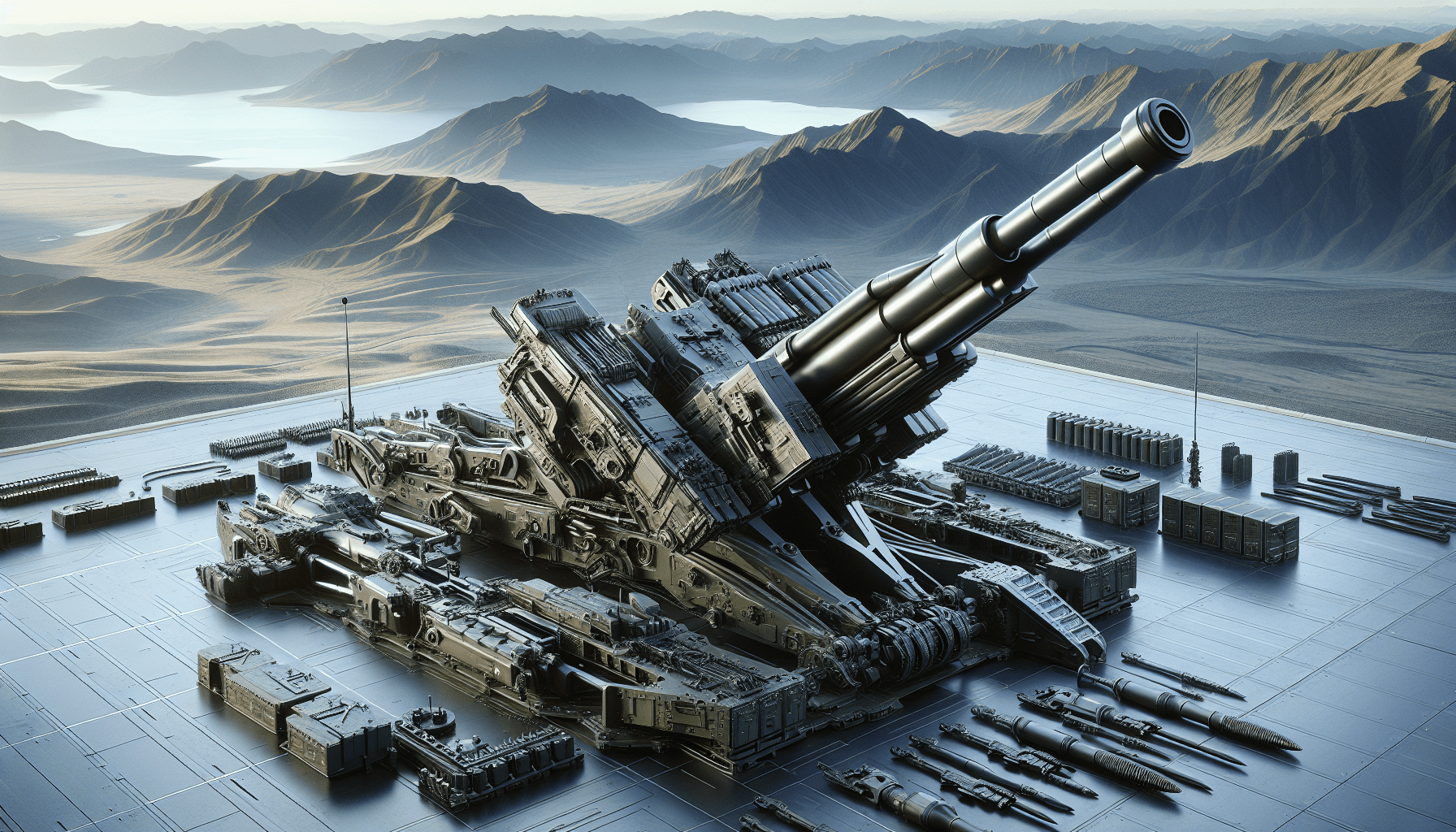
The PLA’s ongoing focus on artillery innovation includes the development of longer-range artillery systems. These advancements enhance the PLA’s ability to engage targets at extended distances and adapt to evolving battlefield dynamics. The emphasis on range complements the strategy of achieving operational superiority through greater reach and versatility in firepower.
203 mm cannons and experimental projects
You may note the deepening exploration into specialized artillery designs, such as the advancements seen with 203 mm cannons. The development of these systems reflects an intent to diversify artillery capabilities and expand operational possibilities, particularly in scenarios requiring significant firepower. Additionally, various experimental projects explore next-generation artillery technologies.
Strategic implications for potential Taiwan operations
The evolving capabilities of the PLA’s artillery branch possess significant strategic implications, particularly regarding potential operations related to Taiwan. The advancements in range and precision allow the PLA to apply pressure in a highly contested environment, potentially changing the calculus of military engagement. This evolution underscores the need for regional powers to reassess their own military strategies in response to China’s artillery advancements.
Ammunition Production and Logistics
Estimated production rates of artillery shells
The production capabilities associated with China’s artillery reflect an astounding capacity for manufacturing artillery shells. Although exact figures remain classified, estimates suggest that China could be producing over a million artillery shells annually. This scale of production underscores the PLA’s commitment to sustaining an effective artillery force capable of prolonged military operations.
Supply chain considerations
Effective logistical management is crucial for sustaining the artillery branch, encompassing everything from munitions procurement to maintenance and distribution. Supply chain considerations, including the establishment of regional depots and streamlined communication channels, are critical factors in ensuring that artillery units can respond swiftly to operational demands.
Stockpiling and maintenance strategies
In addition to production, the PLA prioritizes robust stockpiling and modernization strategies to ensure that its artillery systems maintain operational readiness. Efficient maintenance protocols are essential in prolonging the life of artillery systems, enabling them to function effectively in various combat scenarios. These strategies reflect a commitment to maintaining artillery superiority within the broader military framework.
Conclusion
Summary of artillery branch significance
In summary, the PLA’s artillery branch has evolved into a formidable entity, underpinned by significant historical development and modernization efforts. Its establishment and growth reflect the broader trajectory of China’s military ambitions, emphasizing the critical role of artillery in achieving strategic objectives.
Implications for regional security
The implications of the PLA’s artillery advancements resonate throughout the regional security landscape. The capacity for rapid and precise fire support contributes to an increasingly assertive military posture, reshaping power dynamics in areas of contention. This necessitates a reevaluation of military strategies among neighboring nations, as the evolution of artillery capabilities could impact regional stability.
Future challenges and modernization efforts
As the PLA continues to modernize, it faces the challenge of adapting to emerging threats and evolving warfare paradigms. The future trajectory of its artillery capabilities will be determined by ongoing investments in technology, operational strategies, and production efficiency. Navigating these challenges will be key to maintaining an effective and responsive artillery branch in the years to come.
In conclusion, the PLA’s artillery branch is not just a reflection of military might; it symbolizes China’s broader aspirations on the global stage. As you consider these dynamics, it becomes evident that the PLA’s artillery will play a central role in shaping future military engagements and strategies in the Asia-Pacific region and beyond.