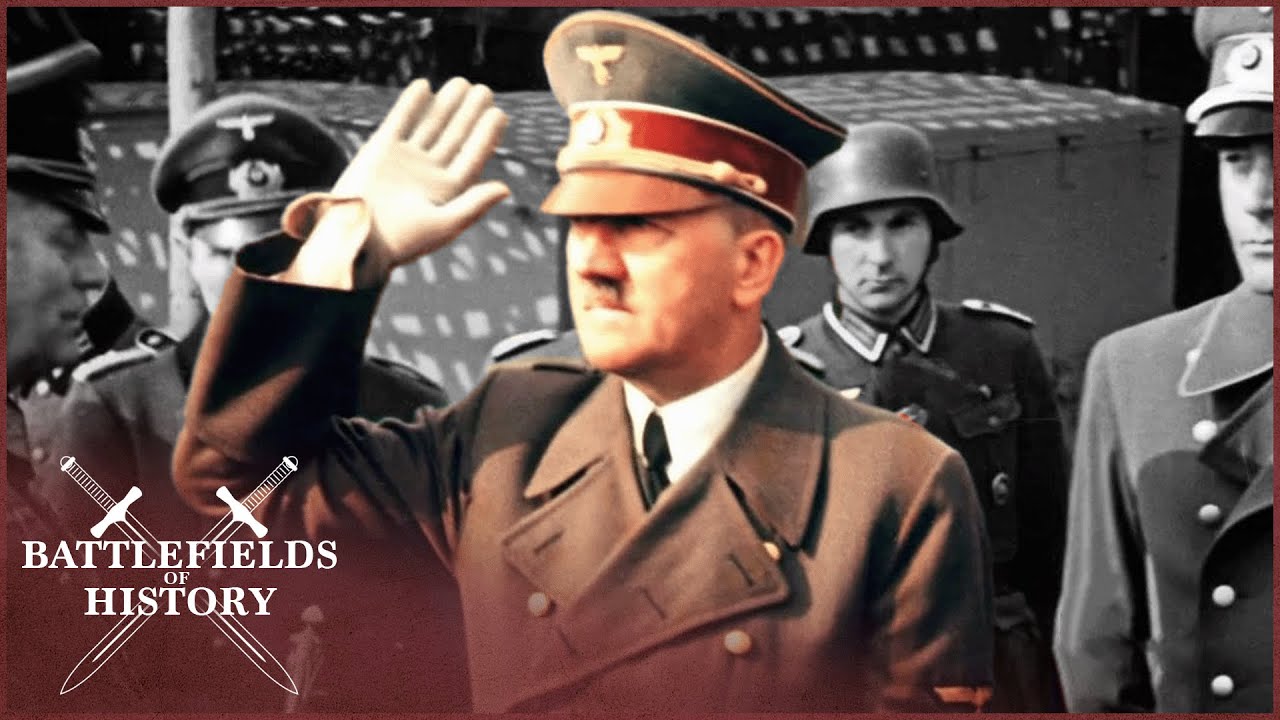
The examination of Adolf Hitler’s evolution into one of history’s most infamous figures necessitates an in-depth analysis of his formative years and ideological development. This exploration seeks to illuminate the complex interplay of personal experiences, societal influences, and historical contexts that contributed to his rise to power and the subsequent atrocities committed under his regime.
In this article, you will engage with the multifaceted aspects of Hitler’s biography, tracing his early life, political ambitions, and the factors that shaped his extreme beliefs. Through a critical lens, the narrative reveals how various elements combined to forge a man whose actions would irrevocably alter the course of history, leading to profound consequences for millions.
Adolf Hitler: The Making of a Monster
In examining the life of Adolf Hitler, one must navigate through the complex interplay of personal history, sociopolitical context, and ideological evolution. This article dissects the formative stages of Hitler’s life, his experiences during World War I, his political awakening, and how these elements contributed to the rise of a totalitarian regime that would leave an indelible mark on history.

Early Life and Background
Birth and Family History
You were born in Braunau am Inn, Austria, on April 20, 1889, into a family that harbored the complexities of a mixed Austrian and German background. Your father, Alois Hitler, was a customs official whose authoritative demeanor often clashed with your mother’s more nurturing personality. Klara, your mother, instilled in you a sense of loyalty and attachment, yet the tumultuous nature of your early family dynamics, fueled by Alois’s strictness, sowed the seeds of resentment and rebellion. The solid foundation of your family history would later ripple outwards, intertwining with your national identity and future political ideology.
Childhood Influences
Your childhood was punctuated by a mixture of early successes and profound disappointments. You were an intelligent boy, achieving respectable grades, particularly in art—an interest that would never fully vanish. However, the death of your younger brother, Edmund, in 1900 profoundly affected you, instigating an emotional vulnerability that would shadow your adult years. Growing up in a world marked by rigid authorities and shifting allegiances, you were often drawn to strong figures and ideologies, setting the stage for your eventual embrace of nationalism.
Education and Early Interests
Your education was a patchwork of experiences that reflected both brilliance and struggle. While you exhibited potential in subjects such as drawing, your aversion to the rigid schooling system left you disillusioned. After dropping out at 16, you attempted to pursue a career as an artist, but repeated rejections from the Academy of Fine Arts in Vienna led you to a deeper exploration of the meanings of identity, belonging, and power. It was during these formative years that your fascination with grand narratives and dramatic action began to take root, edging you closer to your eventual embrace of a radical ideology.
World War I Experience
Enlistment and Military Service
You were swept into the maelstrom of World War I, enlisting in the Bavarian Reserve Infantry Regiment 16, where you found a sense of belonging and camaraderie. For the first time, you experienced the euphoria of collective identity, serving in a war that seemed to embody the nation’s values. The trenches became your crucible, where you learned about endurance, sacrifice, and the power dynamics of military hierarchy. This experience would lay the groundwork for your later manipulation of nationalist fervor.
Impact of War Trauma
Your experiences during the war were both glorified and traumatizing. The harsh realities of trench warfare, the horrors of battle, and the bitter agony of loss haunted you. You were wounded twice, earning the Iron Cross for bravery, yet the psychological scars shaped your worldview. The war not only instilled in you a disdain for perceived weakness but also a fervent belief in survival of the fittest—a concept you would later extrapolate into your virulent ideology. This trauma ultimately bred a disillusionment with the political leadership, as you could not reconcile your sacrifices with the outcome of the war.
Post-War Disillusionment
Returning home to a Germany ravaged by defeat, you grappled with your shattered dreams. The Treaty of Versailles humiliated your nation, intensifying your feelings of betrayal and rage. A society in turmoil, marked by economic distress and political instability, fed your anger and sense of purpose. The disillusionment fostered during this time would catalyze your entrance into the political arena, transforming your pain into a desire for revenge against the perceived enemies of Germany.
Political Awakening
Joining the German Workers’ Party
In 1919, you were introduced to the German Workers’ Party (DAP), a small, fringe group that caught your attention due to its discontent with the status quo. You were instantly drawn to the group’s nationalistic rhetoric and anti-Semitic undercurrents, which resonated with your own burgeoning ideas about racial superiority and national renewal. Quickly finding your voice within the party, you began to leverage your oratory skills and charismatic presence to cultivate support and ignite the passions of the disillusioned populace.
Ideological Formation
The ideological foundations that you began to construct were steeped in a toxic blend of nationalism, anti-Semitism, and socialism. You were particularly influenced by the writings of earlier nationalists and the ideological fervor surrounding Germany’s wartime defeat. You envisioned a racially pure Germany, one that would reclaim its lost honor and restore national pride. Over time, these sensitivities morphed into a fierce conviction that justified extreme measures against perceived enemies, especially Jews, which would solidify your ideological framework.
Influence of Nationalism and Anti-Semitism
Your growing obsession with nationalism and anti-Semitism was not just personal but reflective of a society grappling with its identity. You absorbed the pervasive currents of anti-Jewish sentiment, echoing the fears of economic and social degradation that many Germans faced. This collective anxiety resonated with you and became a cornerstone of your political narrative. Your ability to frame your message within this context allowed you to cultivate substantial followings, crafting an identity that fused personal aspiration with national rejuvenation.
Formation of the Nazi Party
Rise to Leadership
In 1920, you spearheaded the transformation of the DAP into the National Socialist German Workers’ Party (NSDAP), positioning yourself as the party’s face. Through forceful rhetoric and manipulative public demonstrations, you garnered a devoted base. You understood the power of symbols, strategically embracing the swastika and the giving of salutes to evoke a sense of historical destiny. Your leadership style combined opportunism with charisma, allowing you to navigate the fractures of post-war society effectively.
Key Strategies for Propaganda
Your mastery of propaganda became a hallmark of your political strategy. You understood that controlling the narrative was vital for establishing authority. By exploiting the emerging modern techniques of communication—mass media, rallies, and visual symbols—you formed a powerful propaganda machine. You effectively utilized posters, films, and public speeches to disseminate your message, portraying yourself as the sole savior of the German people amidst their struggles. This comprehensive approach galvanized support and solidified your position within the party.
Consolidation of Power within the Party
As your influence within the NSDAP grew, you adeptly marginalized rivals and dissenters through tactical maneuvering. The notorious Night of the Long Knives in 1934 exemplified your ruthless consolidation of power, as you eliminated potential threats within your ranks and reinforced absolute loyalty to your leadership. This internal strengthening allowed you to navigate the fragile political landscape, transforming the party into an unassailable fortress of ideology.
Public Speaking and Charisma
Development of Rhetoric Skills
Your notoriety as a public speaker became instrumental to your political ascent. You drew on your experiences of performing and articulating anger and fervor to craft a signature style that captivated audiences. Through dramatic gestures, passionate delivery, and a resonant voice, you harnessed emotion, inciting fervor among your followers while stoking hatred towards your adversaries. Your rhetorical prowess not only established your presence but also solidified the relationship between leader and follower, essential for solidifying a cult of personality.
Mass Rally Techniques
The mass rallies you orchestrated were spectacles designed to project strength and unity. By creating massive, ecstatic events, complete with orchestrated music, lighting, and displays, you drew individuals into a shared euphoric experience. You understood the psychological dimensions of crowd dynamics, using them to amplify your message. These rallies became emblematic of the Nazi Party’s appeal, allowing you to present a compelling image of national rejuvenation against the backdrop of Germany’s post-war decline.
Influential Public Appearances
Throughout your ascent, you cultivated key public appearances to reinforce your message. Speaking events became opportunities for propaganda, where you showcased not only your charisma but also your vision for Germany. The carefully crafted audience responses and your theatricality engaged the emotions of the populace, creating an atmosphere of fervent nationalism. These rituals established an emotional connection with your followers, allowing them to see you as the embodiment of their desires and aspirations.
The Beer Hall Putsch
Planning and Execution
Your ambition culminated in the Beer Hall Putsch of November 1923, a coup attempt designed to overthrow the Weimar Republic. Planning carefully, you sought to capitalize on the chaos of the time, rallying your supporters in Munich and parading through the city to seize control. However, the military resistance met you at every turn, resulting in a swift and chaotic confrontation that ultimately foiled your plans.
Failure and Arrest
The failed coup led to your arrest, yet it paradoxically transformed you into a martyr for your cause. While incarcerated, you wrote “Mein Kampf,” articulating your ideological beliefs and political vision. While the failure of the Putsch might have seemed catastrophic, it provided you with a platform to reach a wider audience, and the narrative surrounding your arrest energized your followers in the long run.
Impact on Hitler’s Image and Strategy
The Beer Hall Putsch altered your approach and strategy. Instead of seeking immediate power, you recognized the necessity of building a legitimate political movement. Your time in prison allowed you to reflect on tactics, emerging from this experience with a dual insight: the realization that power could be achieved through political means rather than through violence, as well as the efficacy of propaganda to communicate your vision.

Mein Kampf and Ideological Foundation
Writing Process and Publication
While imprisoned, you poured your thoughts into “Mein Kampf,” a text that would outline your ideology and vision for Germany’s future. The work combined autobiographical elements with a deep ideological framework. In it, you sketched the foundations of your political beliefs, focusing on themes of racial purity, anti-Semitism, and the need for Lebensraum (“living space”). Upon release, you eagerly promoted the book, exploiting its commercial success to strengthen your political movement.
Core Themes and Beliefs
At its core, “Mein Kampf” articulated your vision of a racially pure Germany, portraying Jews as the ultimate adversary. You espoused the concept of Aryan superiority and dictated that the state should serve the interests of the racial community. Your notions extended to ideas of nationalism that sought to reclaim territory and pride for Germany post-Versailles. This ideological foundation resonated with many disenfranchised citizens, offering a vision of strength, restoration, and renewal.
Reception and Influence on Nazi Doctrine
The reception of “Mein Kampf” was mixed initially, relegated to the fringes of political discourse. However, through the effective propaganda methods you developed, the book gained traction among party members and sympathizers alike. Importantly, it became a cornerstone of Nazi doctrine, framing the party’s policies and actions in the years to come and helping normalize extreme views that permeated German society.
Rise to Power
Political Maneuvering and Alliances
Your path to power was characterized by shrewd political maneuvering. Forming strategic alliances with conservative elites and parties, you positioned yourself as a bulwark against communism, offering the establishment a chance to restore stability to Germany. You played the political game adeptly, successfully gaining their support while simultaneously working to outmaneuver and undermine rival political factions.
The 1933 Elections and Chancellorship
The elections of 1933 escalated your ascent. Despite not winning an outright majority, the Nazi Party became the largest faction in the Reichstag, leading to your appointment as Chancellor on January 30, 1933. You seized this opportunity to reshape the political landscape to your advantage, asserting control over the government apparatus and instituting a series of anti-democratic measures.
The Reichstag Fire and the Enabling Act
In February 1933, the Reichstag fire became a pivotal moment that you exploited to justify your increasingly authoritarian governance. Blaming Communists, you incited fear amongst the populace, claiming it was imperative to suspend civil liberties for the sake of national security. This sentiment culminated in the passing of the Enabling Act, allowing you to enact laws without parliamentary consent, effectively dismantling the political framework of the Weimar Republic.
Establishment of a Totalitarian Regime
Suppression of Dissent
The consolidation of your power led to the systematic suppression of dissent. Political opponents were arrested, imprisoned, or executed, resulting in a climate of fear that prevented any substantial resistance from emerging. This repressive atmosphere ensured that your regime could operate unchallenged, cementing the foundations of a totalitarian state.
Control of Media and Propaganda
Your regime established strict control over media and cultural expressions, effectively transforming them into tools for propaganda. The Ministry of Propaganda, headed by Joseph Goebbels, was crucial in shaping public perception, using films, literature, and art to disseminate your messages. By controlling narratives and cultivating an indoctrinated citizenry, you ensured the Nazi ideology permeated all levels of society.
Creation of the SS and Gestapo
In your consolidation of power, you also created powerful institutions to ensure loyalty and enforce order—the SS (Schutzstaffel) and Gestapo (secret police). These organizations operated as instruments of terror, orchestrating widespread surveillance and violence against perceived adversaries. Their existence bolstered your regime’s image of omnipotence, securing absolute control over the population and extinguishing any semblance of opposition.
Conclusion
Summary of Hitler’s Impact on History
Your life journey reflects a transformation from an obscure, disillusioned young man into a dictator responsible for one of history’s darkest chapters—marked by genocide, war, and immense suffering. The ideological framework you established, which empowered your totalitarian regime, has indelibly shaped the course of 20th-century history.
Lessons Learned from His Rise
Examining your rise serves as a sobering reminder of how extreme ideologies can take root under conducive circumstances. The manipulation of public sentiment, exploitation of societal fears, and strategic suppression of dissent provide critical lessons for contemporary societies as they navigate the complexities of governance and societal unity.
Reflection on Modern Implications
Engaging with your legacy prompts important questions regarding how societies remember and respond to such radical ideologies. As remnants of extremism persist, the cautionary tale of your ascent urges vigilance against the seduction of populism and the importance of safeguarding democratic values in the pursuit of tolerance and coexistence.