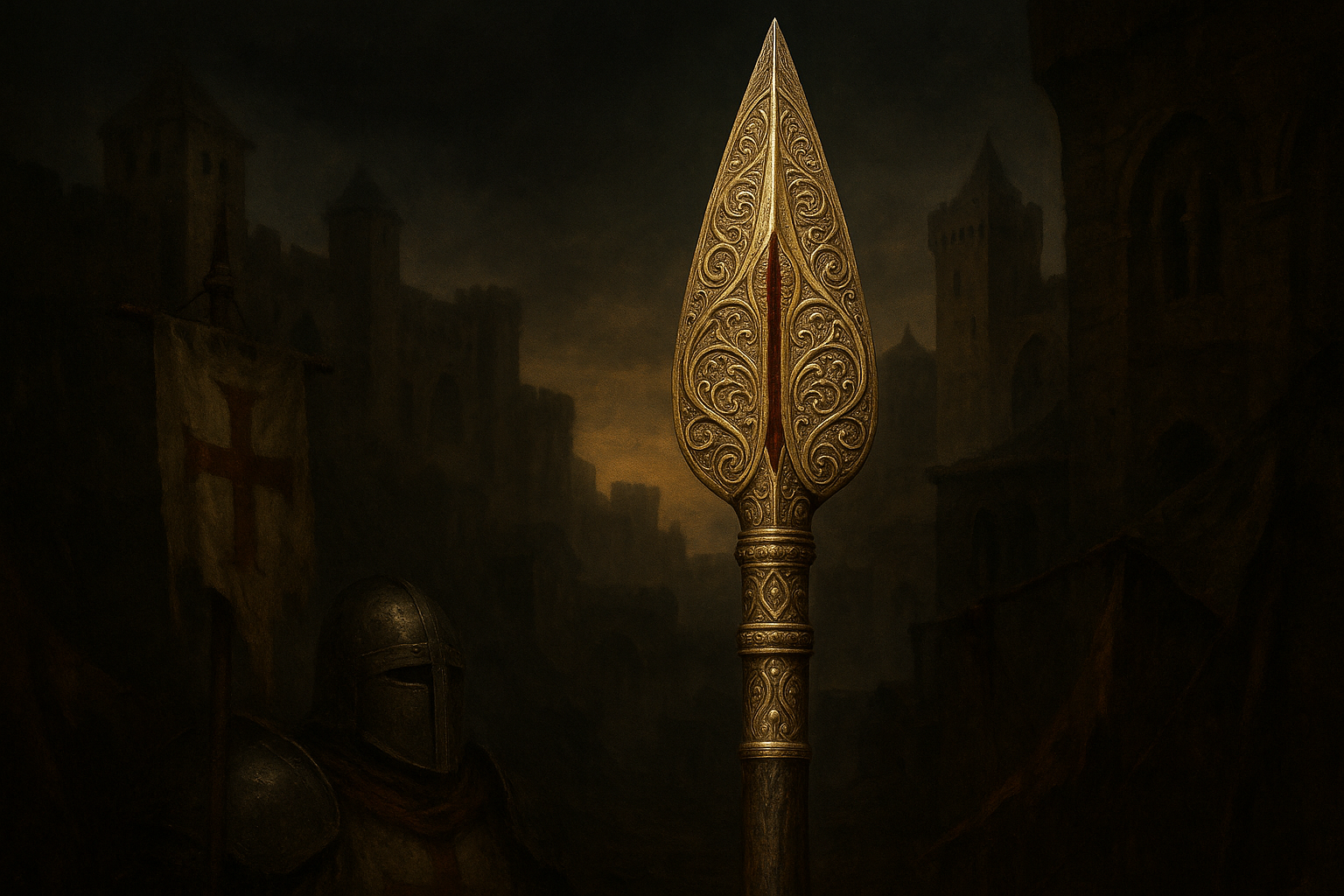
The narrative of the First Crusade is marked by extraordinary events, one of the most pivotal being the Siege of Antioch in 1098. Following the Crusaders’ capture of the city from the Seljuk Turks, they faced a dire situation as they became besieged by a significant relief army led by Kerbogha of Mosul. Amidst overwhelming odds, a Provençal peasant named Peter Bartholomew claimed to have received divine guidance about the location of the Holy Lance, the spear traditionally believed to have pierced Jesus Christ during the Crucifixion. This account unfolds the dramatic transformation of the Crusaders’ plight through faith and the purported discovery of a sacred relic.
As the Crusaders rallied around this newfound hope, their morale surged, prompting leaders such as Bohemond of Taranto and Raymond of Saint-Gilles to inspire their troops for a bold counteroffensive. The ensuing battle on June 28, 1098, resulted in a stunning victory against Kerbogha’s forces, which not only secured Antioch as a crucial stronghold but also propelled the Crusaders towards their ultimate goal of Jerusalem. However, the authenticity of the Holy Lance and Peter Bartholomew’s subsequent trial by fire casts a shadow on the miraculous narrative, prompting reflection on the interplay of faith and strategy in wartime.
Background of the First Crusade
Origins and motivations for the Crusade
The First Crusade (1096-1099) emerged from a complex tapestry of socio-political and religious factors that characterized medieval Europe. You must recognize that the period was marked by a longing for adventure, territorial expansion, and an overpowering spiritual fervor. The Byzantine Empire, which had been destabilized by the Seljuk Turks, sought assistance from Western Christendom. This call for aid resonated with many, particularly those from France and Italy, who perceived this as an opportunity not only to reclaim the Holy Land but also to secure personal glory and spiritual salvation. The Crusaders were compelled by a desire to protect Christendom and to achieve absolution for their sins—a potent motivator that would come to define the ethos of the movement.
The call to arms by Pope Urban II
In 1095, Pope Urban II delivered a seminal address at the Council of Clermont, where he fervently called for a Crusade to aid the Byzantines and recover Jerusalem from Muslim control. This call to arms was not merely a rallying cry for military action but a transformative appeal that infused the notion of a holy war with religious fervor. You should acknowledge that Urban’s rhetoric was laced with references to the plight of Christians in the East and the immense spiritual rewards awaiting those who took part. His words ignited a sense of collective identity among disparate groups and inspired thousands to take the cross, illustrating the profound interplay between faith and militarism in this pivotal moment.
The multicultural landscape of medieval Europe
You might consider the multicultural nuances of medieval Europe when examining the First Crusade. The society of the time was a melting pot of traditions, languages, and beliefs, where feudal lords, knights, commoners, and clerics interacted. The Crusade mobilized diverse groups—including French, Italian, and German nobility—each bringing their distinct cultural heritage and language. Such a rich tapestry contributed to the Crusade’s dynamic nature, allowing individuals with varied motivations to converge on a singular goal. The idealism of the initial Crusaders was juxtaposed against a backdrop of rivalry, power struggles, and religious fervor, underscoring the historical significance of this collective venture.
The Siege of Antioch
Strategic importance of Antioch
Antioch, situated in modern-day Turkey, was a city of immense strategic importance during the First Crusade. As a vital geographical link between the East and West, it served not only as a gateway to the Holy Land but also as a crucial stronghold for any military operations aimed at Jerusalem. Controlling Antioch would allow the Crusaders significant leverage over the region, enabling them to secure supply lines and establish a foothold in an area rife with Islamic influence. Understanding the city’s strategic significance allows you to appreciate the desperation and tenacity that characterized the Crusaders’ efforts in the face of overwhelming odds.
Conquest by the Crusaders
The Siege of Antioch commenced in October 1097 and extended into the summer of 1098. The Crusaders, under the leadership of prominent figures like Bohemond of Taranto and Godfrey of Bouillon, faced a series of daunting challenges. Official accounts illustrate that the siege began with enthusiasm, yet it quickly developed into a protracted struggle against the fortified walls and defenses of the city. After months of battling starvation, disease, and the fierce resistance of the city’s Muslim garrison, the Crusaders’ perseverance culminated in a successful breach of Antioch’s defenses in June 1098. This conquest stands as a testament to their fortitude and determination against formidable odds.
Initial challenges faced post-capture
While the acquisition of Antioch was a significant triumph for the Crusaders, it was quickly overshadowed by a new set of challenges. The city, devastated by war, offered scant provisions, and the occupying forces found themselves vulnerable to counterattack. The victory that was supposed to bolster their strength instead introduced a profound crisis point, as divisions among the leadership grew and morale dipped. Internally, you see a discord of interests; the political landscape was filled with rivalries, and the tenuous cooperation that had brought them to victory began to fray under the weight of hardship and uncertainty.

The Crisis Point
Arrival of Kerbogha’s relief army
The dire situation faced by the Crusaders reached a pivotal moment with the arrival of Kerbogha, the Seljuk general, who led a formidable relief army to reclaim Antioch. His forces, estimated to be significantly larger than those of the Crusader army, encircled the beleaguered Crusaders and threatened their very existence. You must recognize that this moment represented not merely a military confrontation but an existential crisis for the Crusaders, who were already teetering on the brink of collapse.
The dire situation of the Crusaders
As supplies dwindled and hope faded, the conditions for the Crusaders became increasingly perilous. Starvation, illness, and desertions plagued their ranks, exacerbating their vulnerabilities. You should consider the psychological toll this took on the troops, who faced desperation both as individuals seeking survival and as comrades fighting for a shared divine purpose. In the face of Kerbogha’s impending assault, unity and faith seemed to dissipate, and the Crusader camp became a microcosm of uncertainty and despair.
Impact of starvation and morale issues
With the looming threat of defeat, the impact of starvation and deteriorating morale became evident. Soldiers, once resolute, began to question their leaders and the righteousness of their cause. The fading optimism and increasing desperation within the camp were palpable as infighting escalated. You can see how these elements combined to create a perfect storm, threatening the very fabric of their collective endeavor. The realization that they were vastly outnumbered coupled with dwindling provisions threatened to convert their noble aspirations into a grim capitulation.
Introduction of Peter Bartholomew
Background on Peter Bartholomew
In this atmosphere of desperation, a figure emerged who would alter the fate of the beleaguered Crusaders: Peter Bartholomew. A Provençal peasant with no discernible military experience, Peter claimed to have received divine visions directing him to a relic of monumental significance—the Holy Lance, the very spear that pierced Christ’s side during the Crucifixion. You must recognize the gravity of such claims during this tumultuous period, as relics were thought not merely to possess spiritual significance but the potential to bolster morale and provide divine intervention in battles.
Claim of divine visions
Peter’s assertions ignited a flicker of hope among the Crusaders, who were desperate for any sign of divine favor. His vivid recounting of spiritual encounters resonated within a context steeped in mystical beliefs. You will observe how medieval society often viewed such visions not only as personal revelations but as critical indicators of the divine will, capable of galvanizing the faithful during moments of crisis. His audacity to claim direct communication with God positioned him as both an inspiration and a subject of skepticism among the established Crusader leadership.
Role in the Crusader camp
Peter Bartholomew’s presence quickly became central to the Crusader camp’s dynamics. His role extended beyond that of a mere visionary; he effectively transitioned into a spiritual leader amidst the turmoil. Encouraging fervent prayers and gatherings, he invigorated the weary soldiers with renewed faith, advocating for searches for the Holy Lance as an emblem of divine support. You should appreciate how his growing influence reflected the inherent tension in a society striving for faith while wrestling with despair. Through his emerging authority, the ethos of the Crusade was intertwined with notions of redemption, fervor, and the overwhelming need for a miraculous turn of events.
Finding the Holy Lance
The search beneath the Church of St. Peter
In early June 1098, driven by both faith and desperation, a contingent of Crusaders under Peter’s guidance set out to excavate beneath the Church of St. Peter, where he claimed the Holy Lance was buried. This undertaking symbolized not only a quest for a divine artifact but an emblematic resurrection of hope within the beleaguered ranks. You must understand the intricate relationship between faith-driven actions and collective morale evident in this endeavor. The act of digging symbolized an attempt to reclaim not just a relic but also the waning confidence in their mission.
Unearthing the relic
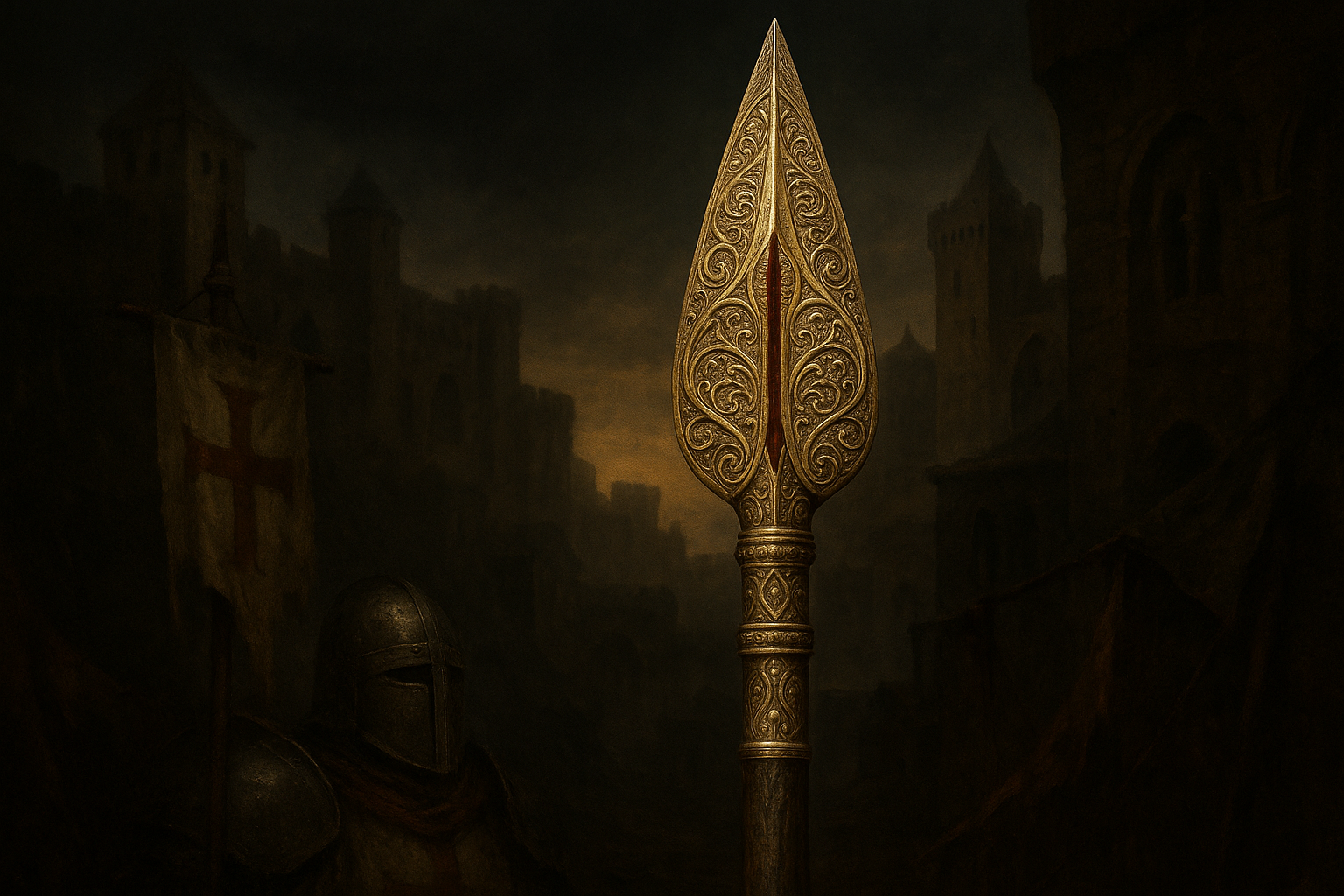
After an exhaustive search, the moment of discovery arrived: the Crusaders unearthed an object that Peter proclaimed to be the Holy Lance. The spectacle of the unearthed relic stirred a mix of exhilaration and trepidation among the Crusaders, carving a divide between unwavering belief and skepticism. You might pause to contemplate the implications of such finds; advocates of the divine could interpret this unearthing as a testament to God’s providence, while detractors remained wary of manipulative augmentations to morale. The relic’s emergence from the earth incurred additional layers of meaning, symbolizing hope in an almost Sisyphean struggle against future adversities.
Initial reactions from the Crusaders
The initial reactions among the Crusaders were overwhelmingly positive. The fervor of belief surged, invigorating spirits that had waned under the persistent weight of deprivation and anxiety. You might find it interesting how collective belief can act as a transformative force, rallying disparate individuals toward a common purpose. Leaders such as Bohemond and Raymond interpreted the relic as not only a symbol of divine favor but also a pivotal motivating factor in their struggle against Kerbogha’s forces. This moment was critical; the rediscovery of faith restored a sense of unity among factions who had previously been fragmented by internal strife.
Significance of the Holy Lance
Religious symbolism and its implications
The Holy Lance was imbued with profound religious symbolism, representing not just a physical object but a tangible connection to the very sacrifice of Christ. For the Crusaders, it became an emblem of divine favor and a potent reminder of their mission. You should consider how historical artifacts often transcend their material existence, morphing into carriers of collective memory and aspiration. The belief that they possessed a relic so intimately tied to their faith provided newfound conviction, which transcended the immediate context of battle.
Impact on the morale of the Crusaders
The impact on morale was immediate and substantial. With the Holy Lance believed to be in their possession, the Crusaders found renewed vigor and purpose. The specter of defeat faded as the narrative surrounding the relic reoriented their collective psyche. You can observe how faith intertwined with the physicality of the Lance catalyzed a transformation from existential dread to fervent determination. The Crusaders, reinvigorated by their belief in divine intervention, stood on the cusp of battle, emboldened by their newly found sacred talisman.
Interpreting the discovery as divine intervention
The discovery of the Holy Lance positioned itself within a framework of divine intervention, interpreted as a sign from God reaffirming the Crusaders’ mission. You might see how historical events are often refracted through lenses of faith, shaping individuals’ perceptions within the context they inhabit. The collective sentiment in the camp transformed, with many interpreting the recovery of the Lance as evidence of divine light amidst darkness, galvanizing their resolve as they prepared for an impending confrontation with Kerbogha.
Turning the Tide at Antioch
Rallying the Crusaders for battle
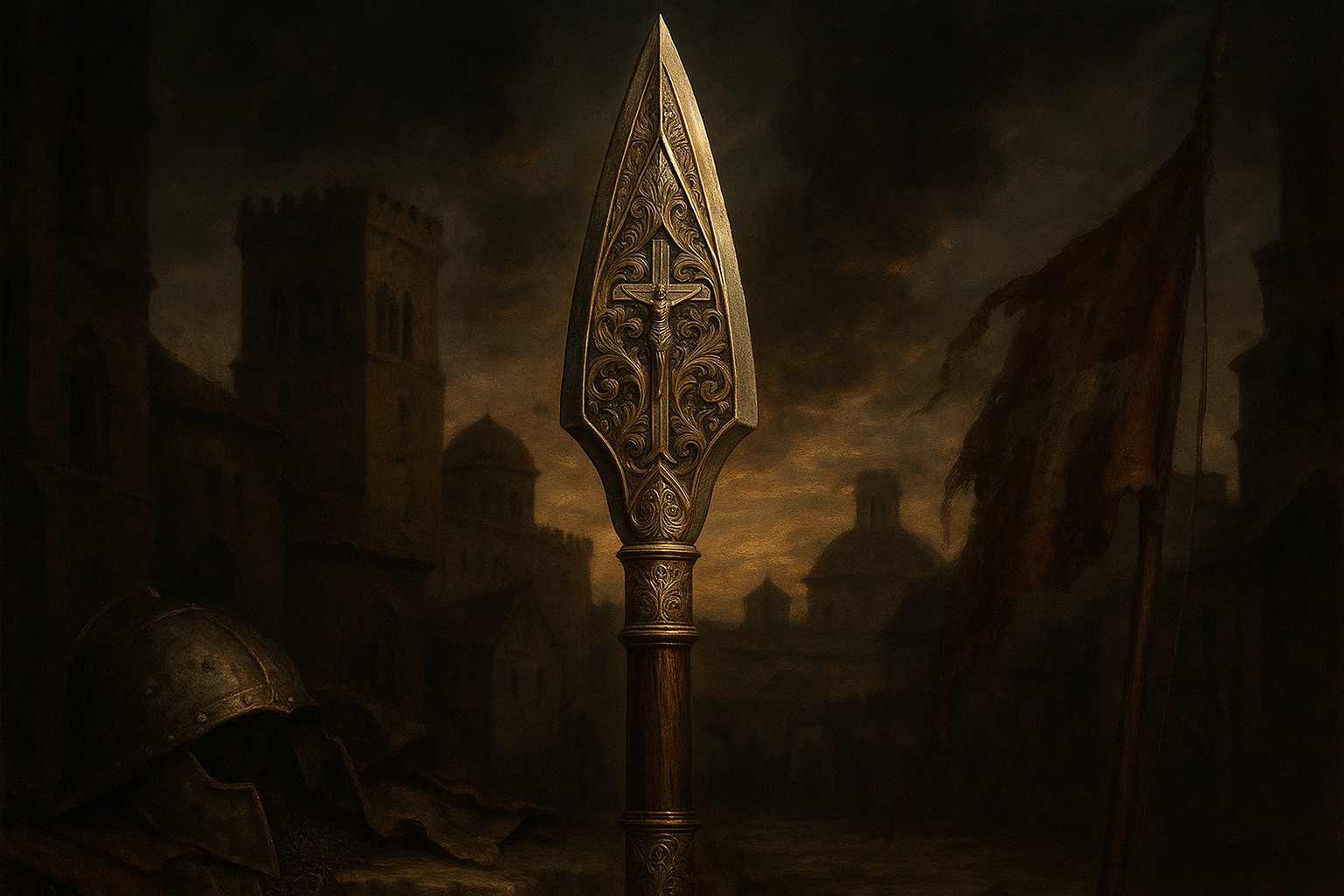
On June 28, 1098, fortified by their fervent belief in the power of the Holy Lance, the Crusaders rallied for battle against Kerbogha’s looming forces. You recognize that this rallying was not merely a physical gathering; it marked a reconstitution of courage and unity, fueled by a shared faith in divine support. Leaders took upon themselves the task of inspiring their troops, emphasizing that they were fighting under God’s favor. This powerful imagery allowed disparate factions to converge solidly behind a single purpose, framing the imminent battle as a divine crusade.
Strategic planning before the charge
While morale surged, strategic planning also played a critical role in this phase. The Crusaders, despite being outnumbered, positioned their forces carefully, leveraging their intimate knowledge of the terrain against the numerical superiority of their opponent. You should appreciate how shrewd military strategies often balance the psychological dimensions of warfare. Bohemond and other leaders undertook the responsibility of devising a plan that took advantage of their strengths while mitigating inherent vulnerabilities, ensuring that their united conviction would not be squandered in chaotic engagement.
The decisive battle against Kerbogha
The ensuing battle against Kerbogha’s forces turned out to be a remarkable confrontation. Fueled by their belief in the Holy Lance, the Crusaders charged forth with newfound vigor. You can analyze how this battle exemplified a transformative interplay between faith and military strategy, whereby the morale boost derived from divine belief coalesced with tactical advantage on the battlefield. As clashes erupted, the fervent cries of the Crusaders, underpinned by their conviction, resonated as they fought with unyielding resolve, ultimately leading to a resounding victory.
Outcome of the Battle
The Crusaders’ unexpected victory
The victory at Antioch was unexpected and momentous. The Crusaders, despite their beleaguered state, managed to decisively defeat Kerbogha’s forces, demonstrating the remarkable double-edged role of faith in warfare. You may contemplate how such an outcome can inspire subsequent generations by illustrating the extraordinary potential for collective belief to shift the tides of fortune against seemingly insurmountable odds. This victory aligned with the Crusaders’ faith narrative, reinforcing their belief that divine favor accompanied their mission.
Consequences for Kerbogha’s forces
For Kerbogha’s army, the defeat was debilitating, shaking the foundations of Muslim resistance in the region. The loss drained morale and significantly weakened their ability to mount future defenses against Crusader incursions. You will find this defeat reverberating across the broader socio-political context of the period, significantly altering the balance of power within the region. The implications of such repercussions underscored how pivotal moments like this can transform historical trajectories and reshape alliances across cultural divides.
Securing Antioch as a stronghold
The Crusaders’ hard-won victory enabled them to secure Antioch, transforming it into a strategic stronghold that facilitated their broader ambitions toward Jerusalem. Recognizing Antioch’s newfound significance, you can discern the strategic implications this stronghold held for subsequent military endeavors. As the Crusaders consolidated power in Antioch, they charted a course toward a more organized approach to their campaign in the Holy Land, set against the backdrop of their divinely inspired victory that would resonate through time as a cornerstone of their military conquests.
Controversies Surrounding the Holy Lance
Skepticism about the lance’s authenticity
Despite the initial surge of enthusiasm surrounding the discovery of the Holy Lance, skepticism soon emerged regarding its authenticity. You may recognize that such relics often become subjects of scrutiny; the fervor of belief must contend with historical and empirical examination. As the fervor of victory started to wane, doubts crept into the minds of some leaders and soldiers, who began to question whether the Lance was indeed the genuine artifact it was proclaimed to be. This skepticism placed the sacred relic at the center of a contentious debate, challenging the faith-based narrative that had emboldened the Crusaders in the face of adversity.
Peter Bartholomew’s ordeal by fire
In an effort to resolve the uncertainties surrounding the Lance’s authenticity, Peter Bartholomew proposed an ordeal by fire. You should note how this method was rooted in the medieval belief that divine will would protect the innocent, positing that if the Lance were genuine, he would emerge unscathed. The public nature of this trial played on both the need for faith and the brutal realities of medieval justice. Unfortunately, the ordeal resulted in tragedy, as Peter suffered fatal injuries, leading to further suspicions about the Lance and casting shadows over the credibility of the initial discovery.
Impact of his death on Crusader faith
The death of Peter Bartholomew significantly impacted the morale of the Crusaders. Instead of reinforcing their beliefs, it introduced doubt and disarray into the ranks. You must recognize that the death of a figure once revered for his divine claims often serves as a multipronged catalyst for introspection and division. This moment not only raised further questions about the authenticity of the Holy Lance but also spotlighted the intricate relationships linking faith, leadership, and the uncertainties inherent in the narrative of divine intervention. The repercussions of this event would ripple outward, shaping future discourse about the intersection of faith and historical interpretation.
Conclusion
Summary of the events at Antioch
The events at Antioch during the First Crusade exemplified the complex interplay between faith, military strategy, and socio-political dynamics. From Pope Urban II’s call to arms to Peter Bartholomew’s visionary claims and the subsequent discovery of the Holy Lance, each phase unraveling in the siege illuminated the myriad dimensions of the human experience. You see that the victory over Kerbogha’s forces transformed a beleaguered contingent into a burgeoning crusader society, fortified by shared beliefs and collective narratives. However, vulnerability to skepticism and tragedy also punctuated their ascendance, framing the Crusades as a historical tapestry woven with both divine and earthly concerns.
Legacy of the Holy Lance in history
The Holy Lance, whether genuine or not, etched itself into the annals of Crusader history as a symbol of divine favor and faith-driven resolve. You must consider how relics like the Lance serve as points of convergence for spiritual aspiration and political motivations, leaving lasting legacies that extend beyond mere military outcomes. The legacy of the Holy Lance resonates within discussions about the role of faith in conflict, highlighting how religious artifacts can shape narratives that withstand the test of time—becoming part of collective memory.
The continuing significance of faith in conflict
The saga of Antioch ultimately underscores the continuing significance of faith in warfare and the complexities of the human spirit in navigating conflict. Your contemplation of these historical events may lead you to insights about how faith continues to permeate discussions of morality, identity, and struggle within contemporary contexts. The interplay between conviction and desperation evident during the First Crusade serves as a reminder that in moments of crisis, the power of belief can transform not just the strategies of war, but also the very fabric of societies engaged in profound conflict. Faith remains a persistent force, capable of inciting courage amidst the most harrowing of challenges.