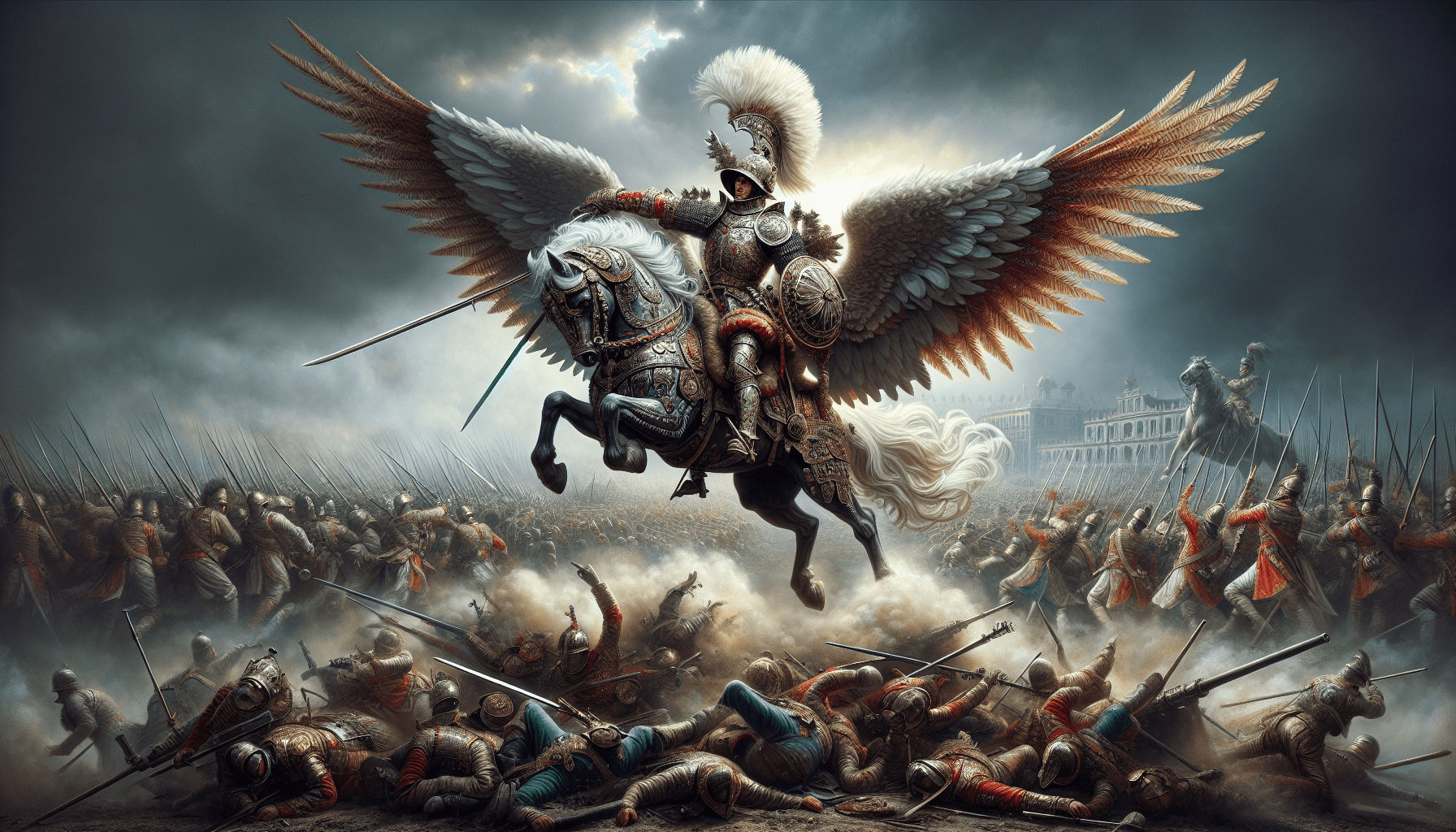
The Battle of Vienna, fought on September 12, 1683, stands as a pivotal moment in European history, marking the halt of Ottoman expansion on the continent. This encounter unfolded at Kahlenberg Mountain after a two-month siege that sought to capture the strategically vital city of Vienna, a key nexus for trade and military routes. The conflict pitted the forces of the Holy Roman Empire and the Polish–Lithuanian Commonwealth, commanded by King John III Sobieski, against the well-prepared Ottoman army led by Grand Vizier Kara Mustafa Pasha. The alignment of these European powers exemplified an unprecedented collaboration aimed at defending the continent from further Ottoman encroachment.
Key strategic elements defined the engagement, including the extensive logistical preparations made by the Ottomans and the defensive alliances formed by Emperor Leopold with neighboring states. As the siege progressed, a dramatic cavalry charge—recorded as the largest in history—became a defining feature of the battle, decisively breaking the Ottoman lines and precipitating their retreat. The aftermath of the battle witnessed significant casualties for the Ottomans and is viewed as a monumental failure, culminating in the execution of Kara Mustafa Pasha. This decisive clash would shape the geopolitical landscape of Europe for years to come.
Battle of Vienna Overview
Date and Location
The Battle of Vienna occurred on September 12, 1683, near Kahlenberg Mountain, just outside the walls of Vienna. This pivotal confrontation marked the culmination of a two-month-long siege executed by the Ottoman Empire, which sought to capture the city that held great strategic value in central Europe.
Context of the Siege
In the years leading up to the siege, the Ottoman Empire, under the influence of Grand Vizier Kara Mustafa Pasha, harbored ambitions to expand deeper into Europe. Vienna, as a vital city that served as a linchpin for trade routes to Germany and the eastern Mediterranean, became a prime target. The siege began on July 14, 1683, when Ottoman forces encircled Vienna, cutting it off from reinforcements and supplies. Resistance from the city’s defenders soon became a focal point of European military attention.
Strategic Importance of Vienna
Vienna represented not only a strategic military stronghold but also a symbol of the Catholic resistance against Ottoman Islamic expansion. The possession of Vienna would grant the Ottomans control over the Danube River and offer them a direct path into Central Europe. Such control could facilitate further incursions into regions such as Germany, and potentially jeopardize the Christian states across Europe.
Forces Involved
Holy Roman Empire
The forces of the Holy Roman Empire were led by Emperor Leopold I, who faced the dual challenge of military engagement and internal political cohesion. Taking command was Count Ernst Rüdiger von Starhemberg, who organized the defense of the city with approximately 15,000 troops, significantly outnumbered by the Ottomans. The Holy Roman forces found themselves facing a two-front challenge, not only dealing with the Ottomans but also ensuring the city’s morale remained intact amid distressing circumstances.
Polish–Lithuanian Commonwealth
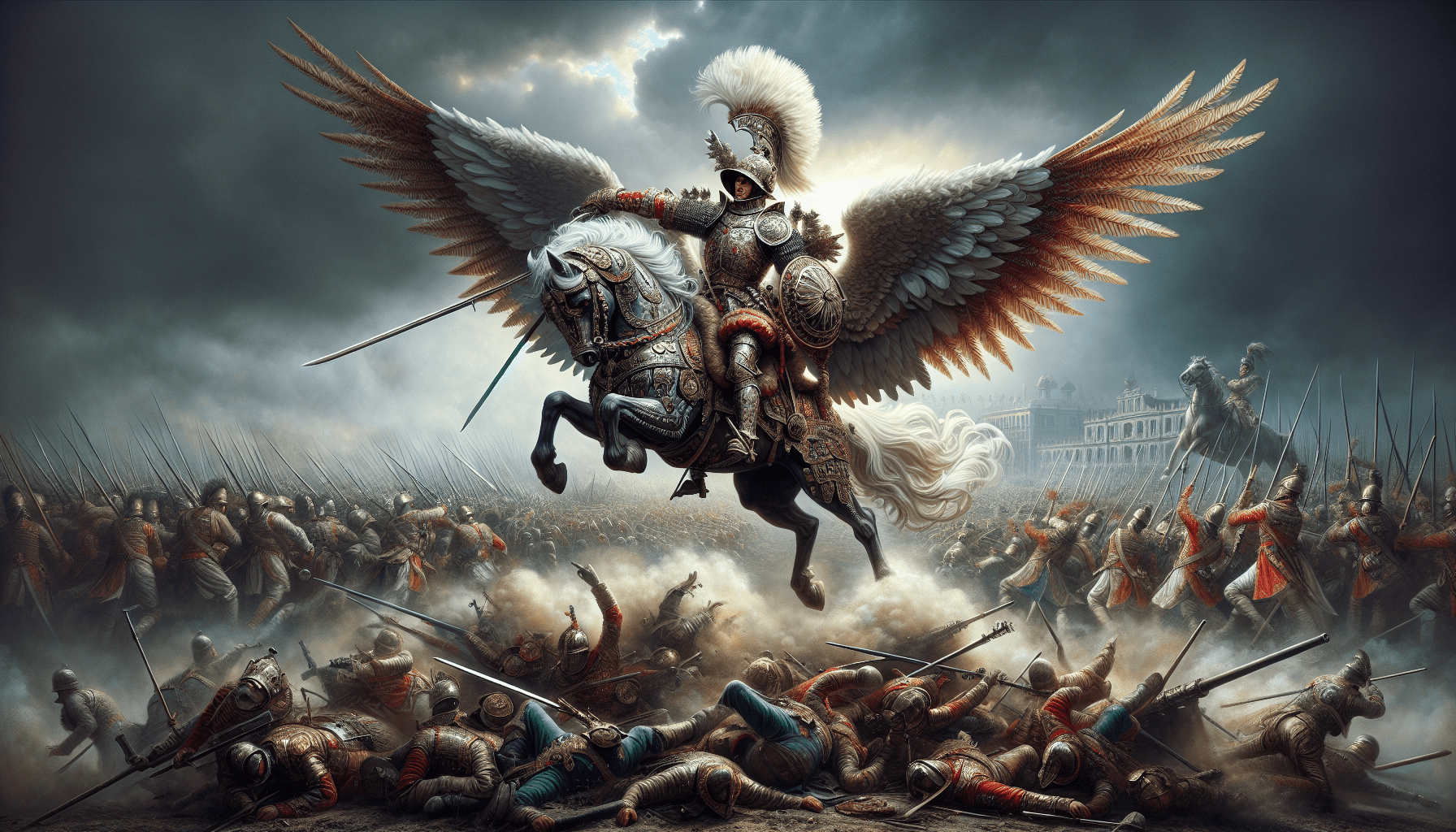
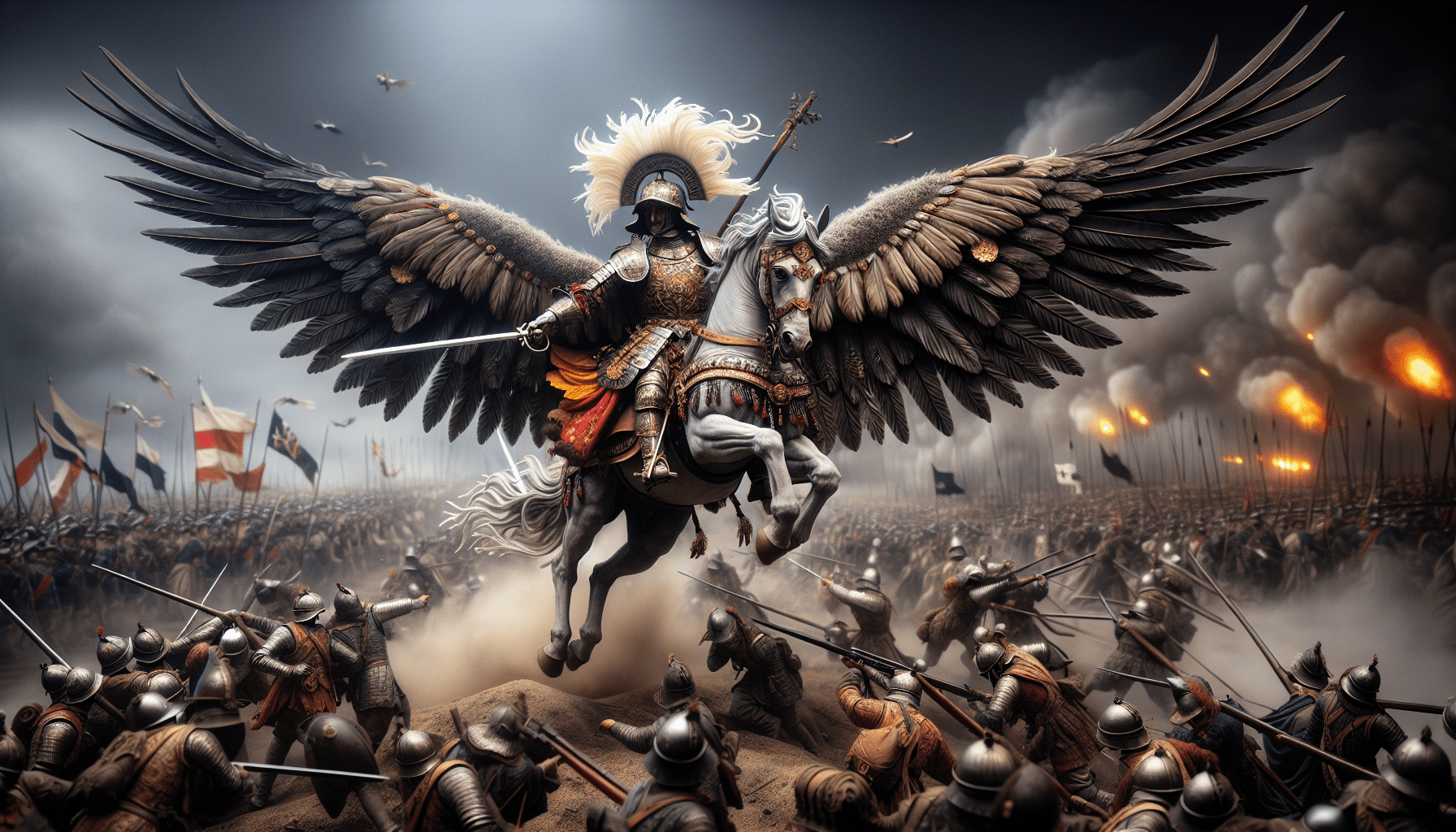
The Polish–Lithuanian Commonwealth played a crucial role in the relief of Vienna, sending troops under the leadership of King John III Sobieski. Poland’s involvement stemmed from mutual defense treaties and a commitment to resist Ottoman aggression. Sobieski mobilized around 18,000 cavalry, famously known as the “Winged Hussars,” famous for their ferocity and mobility on the battlefield. Their arrival marked a turning point in the siege’s dynamics.
Ottoman Empire
The Ottoman Empire brought a formidable force, estimated at over 150,000 troops, led by Kara Mustafa Pasha. This large army included not just the core Ottoman soldiers but vassal troops from various Balkan states. Despite their numerical superiority, internal divisions and logistical issues undermined the cohesiveness of Ottoman efforts in the siege.
Significance of the Battle

Turning Point in European History
The Battle of Vienna is often regarded as a watershed moment in European history, marking the beginning of the decline of Ottoman power in the continent. The successful defense of Vienna galvanized European states, creating a unified front against further Ottoman expansion. In essence, the battle functioned as a clarion call for a renewed Christian endeavor against perceived encroaching threats.
Impact on Ottoman Expansion
The failed siege and subsequent defeat at the Battle of Vienna drastically reduced the Ottoman Empire’s territorial ambitions in Europe. Following this battle, the empire entered a period of retrenchment, shifting its focus away from Europe and towards consolidating its existing territories. The implications of this defeat reverberated across the Ottoman hierarchy, concluding decades of aggressive territorial acquisition.
Long-term Consequences for European Powers
In the aftermath of the battle, European powers experienced a paradigm shift characterized by increased collaboration. The Holy League, consisting of numerous states united against the Ottomans, began to lay a foundation for international alliances that would influence European politics for centuries. The victory provided a much-needed boost to European morale, revitalizing efforts to counter Ottoman influence through military and political means.
Ottoman Strategy
Preparation for Siege
Before launching the siege, Grand Vizier Kara Mustafa Pasha undertook extensive preparations to ensure the success of the Ottoman campaign. These measures included the establishment of logistical routes, the stockpiling of ammunition, and the repair of roads and bridges that would facilitate troop movements. The meticulous planning aimed to create a self-sufficient logistical network capable of supporting a large military campaign.
Logistical Routes Established
The Ottoman strategy hinged heavily on logistics. A key aspect of this was the repair and establishment of communication and supply lines, which allowed for the rapid movement of troops and resources. This effort included transporting soldiers from various parts of the empire to concentrate their power against Vienna. Roads were cleared, and supply depots were created to facilitate the sustained siege of the city.
Size and Composition of the Ottoman Army
The Ottoman army was not just numerous; it was composed of varied troops, including elite Janissary forces, cavalry units, and local militias from vassal states. Despite these advantages in size, the command structure of the Ottoman forces faced challenges in managing such a large and diverse army. Issues of discipline, loyalty, and motivation emerged, impacting the effectiveness of their siege operations.
Defense Preparations
Evacuation Plans for Civilians
Emperor Leopold I recognized the gravity of the siege early on. Preparations included plans for the evacuation of non-combatants to reduce civilian casualties and maintain morale among the remaining defenders. This strategic decision aimed to safeguard the population, thus enhancing the overall defensive efforts against the Ottoman forces by minimizing chaos.
Alliance Formation by Emperor Leopold
In anticipation of the siege, Emperor Leopold I actively sought alliances with neighboring states. The most notable partnership formed was with the Polish-Lithuanian Commonwealth, formalized through the Treaty of Warsaw. The treaty stipulated mutual assistance in the event of an Ottoman attack, thus uniting forces that would ultimately converge on Vienna to lift the siege.
Construction of Defensive Structures
Recognizing the dire situation, Count Rüdiger von Starhemberg initiated robust defensive enhancements around Vienna. This involved fortifying the city’s walls, preparing artillery positions, and creating makeshift barracks for soldiers. The goal was not only to deter an Ottoman attack but also to bolster the defenders’ will to resist.
Siege Timeline
Commencement of the Siege
The siege officially commenced on July 14, 1683, marking the beginning of a grueling chapter for Vienna. Ottoman forces quickly encircled the city, effectively isolating it and barring access to essential supplies. The siege set in motion a series of engagements, leading to the influx of civilian suffering and military desperation.
Life Under Siege for Vienna’s Inhabitants
As the siege progressed, life in Vienna became increasingly grim. Food shortages, combined with the psychological impact of looming Ottoman dominance, weighed heavily on the inhabitants. Nevertheless, the community spirit remained resilient, as citizens contributed to the defense efforts, albeit under mounting duress from relentless bombardments.
Mobilization of Relief Forces
In response to Vienna’s plight, King John III Sobieski and his Polish forces mobilized a relief army, departing from Krakow on August 15, 1683. This mobilization embodied a collective European response to the Ottoman threat, as European states recognized the necessity of providing support to Vienna. The urgency of relief efforts galvanized various actors across the continent.
Key Battles During the Siege
Initial Skirmishes
The siege witnessed numerous skirmishes prior to the main battle, setting the stage for the eventual confrontation. Early engagements focused on probing the defenses of the city, as Ottoman forces attempted to exploit any weaknesses. For the defenders, these initial encounters were critical for assessing their capabilities and gauging the strength of the besieging forces.
Tactical Maneuvers of Both Sides
Throughout the siege, both the Ottoman and Viennese forces engaged in complex tactical maneuvers. The Ottomans aimed to maintain persistent pressure on the city’s defenses, sending waves of infantry to probe for weaknesses. Conversely, the defenders exploited their knowledge of the terrain, employing strategic counterattacks to address these assaults and bolster their morale.
Role of Reinforcements
The arrival of reinforcements from the Holy Roman Empire and Poland marked a turning point in the siege dynamics. While the Ottomans were ultimately motivated by their ambition, the military cohesion and strategy displayed by the relief forces were instrumental in undermining Ottoman resolve. This reinforced the urgency for the Ottomans to achieve a decisive victory, as their position became precarious.
The Cavalry Charge
Formation and Strategy of the Charge
The climactic moment of the battle came with the famed cavalry charge led by Sobieski. The cavalry was strategically formed into divisions, preparing for a concentrated offensive against the Ottoman lines. This charge represented a culmination of careful planning, disciplined organization, and an intrepid spirit embodied by the Polish horsemen.
Leadership of King John III Sobieski
As a decisive figure in the battle, King John III Sobieski demonstrated leadership that would come to be celebrated in European history. His tactical acumen and ability to inspire his troops were crucial during this climactic moment. Sobieski’s leadership solidified the camaraderie among the diverse forces, becoming emblematic of a unified Christian front against the Ottomans.
Decisive Combat Outcomes
As the charge unfolded, it became evident that the Ottoman forces were ill-prepared to counter the audacity and ferocity of the Polish cavalry. The Ottomans, already demoralized and exhausted from prolonged conflict, found their lines breaking under the weight of this fierce assault. The outcome served as both a physical and psychological blow to Ottoman ambitions in Europe.
Aftermath of the Battle
Casualties and Losses
The aftermath of the Battle of Vienna revealed the grim toll of the conflict. The Ottomans suffered heavy losses, with estimates suggesting over 20,000 casualties during the siege and subsequent battle. In sharp contrast, the combined losses of the relief forces were considerably lower but still substantial, reflecting the intense nature of the engagements.
Political Ramifications for the Ottoman Empire
The defeat at the Battle of Vienna had profound political repercussions for the Ottoman Empire. The repercussions included diminished confidence in leadership, culminating in the execution of Kara Mustafa Pasha. This pivotal moment catalyzed a re-evaluation of internal policies and struggles within the Ottoman hierarchy, contributing to an emerging narrative of decline.
Reactions Across Europe
The victorious outcome reverberated throughout Europe, stirring a wave of nationalistic pride and solidarity among Christian states. The victory at Vienna inspired a renewed commitment to combat Ottoman encroachment, fostering alliances that would characterize European diplomatic engagements for years to come. The reverberations of this battle influenced military and political strategies across the continent.
Conclusion
Summary of Key Points
In summary, the Battle of Vienna stands as a significant historical event that altered the trajectory of European history. The siege, marked by the collaboration of the Holy Roman Empire and the Polish-Lithuanian Commonwealth, functioned as a formidable barrier against Ottoman expansion. The aftermath of the battle heralded both immediate and long-term consequences for all parties involved.
Reflection on the Battle’s Legacy
Reflecting upon the legacy of the Battle of Vienna reveals it as a symbol of unity and resistance—an embodiment of a shared cultural identity that transcended national borders. The battle is etched into the annals of history as a celebrated military triumph, showcasing the potential for collaborative defenses against common threats.
Importance of Historical Memory in Modern Context
Understanding the Battle of Vienna is crucial in today’s context, where themes of union, resistance, and cultural identity persist. This historical memory informs contemporary dialogues on defense, cooperation, and the importance of shared goals in facing modern challenges. The legacy of Vienna continues to serve as a reminder of the complexities and fragilities inherent within the political spheres of Europe.