
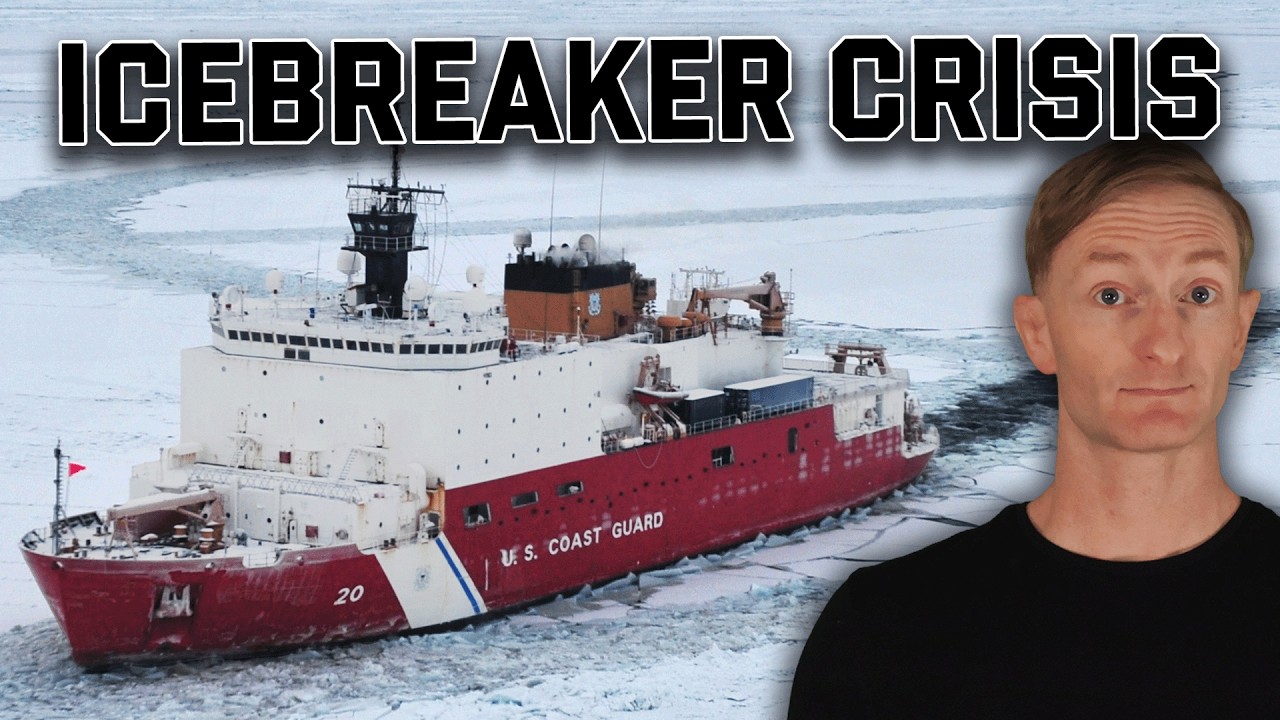
The U.S. Coast Guard’s icebreaker fleet faces significant challenges as it confronts the increasingly strategic and crowded Arctic region. As the only active heavy icebreaker, the USCGC Polar Star, alongside other vessels like the USCGC Healy and USCGC Storis, serves critical roles in maintaining American interests in polar operations and fulfilling missions such as Operation Deep Freeze in Antarctica. The importance of these icebreakers cannot be overstated, given their necessity for sovereignty patrols and ensuring safe navigation through changing maritime conditions.
This article examines the urgent efforts undertaken by the Coast Guard to rebuild its icebreaker fleet in response to rising geopolitical tensions and environmental changes. It discusses two major initiatives designed to enhance U.S. operations in the Arctic: the Polar Security Cutter program and the Arctic Security Cutter program, which together aim to deliver new heavy and medium icebreakers by 2028. Through a detailed analysis of the current state of the fleet and projections for its future, the complexities surrounding icebreaking capabilities will be illuminated.
Overview of the Coast Guard Icebreaker Fleet
Current status of the icebreaker fleet
The U.S. Coast Guard’s icebreaker fleet, once a bastion of maritime power, is presently confronting considerable limitations. The fleet comprises only three operational vessels: the USCGC Polar Star, the USCGC Healy, and the relatively recent addition of the USCGC Storis. The Polar Star, a heavy icebreaker, is the primary vessel for missions in extreme cold and treacherous conditions. However, its age poses significant operational challenges, necessitating frequent repairs that detract from its availability for mission-critical tasks. The Healy, designated as a medium icebreaker, primarily supports scientific research and environmental monitoring, while the Storis, the newest of the fleet, serves a vital but limited role. This aggregation of conditions signals a pressing need for revitalization within the fleet, as demands for icebreaking capabilities are accelerating due to geopolitical and climate-driven trends.
Role of icebreakers in Coast Guard operations
Icebreakers are essential assets for the Coast Guard, serving not just to clear navigational paths but also to secure national interests at the extremes of U.S. territory. They facilitate a variety of operations: enabling Arctic missions, enforcing sovereignty in contested waters, and acting as platforms for humanitarian assistance and scientific research. The capability of an effective icebreaker fleet directly affects the Coast Guard’s capacity to project power and maintain presence in critical geographic domains that are increasingly relevant to national security. With the growing melt of Arctic ice, operations previously deemed insubstantial now require reaffirmation of U.S. authority and presence, making icebreakers an indispensable element of the Coast Guard’s operational strategy.
Historical context of the icebreaker fleet
Historically, the United States has maintained a limited but impactful presence in the Arctic through its icebreaker fleet. Initiated in the mid-20th century, the U.S. commitment to polar capabilities has included various classes of icebreakers designed for mission versatility. However, a shift in priorities and funding structures over decades has led to stagnation in fleet modernization. The U.S. once had a robust fleet facilitating exploration, scientific research, and military readiness; however, neglect and declining investments have diminished this capacity. The fleet’s historical context elucidates a narrative of fluctuating national commitment to Arctic operations and the ramifications that follow from inaction.
Importance of Icebreaking Operations
Support for Arctic missions
Icebreaking operations are fundamental to the U.S. Coast Guard’s commitment to maintaining an effective presence in the Arctic. As the climate changes and ice conditions evolve, the operational backdrop for shipping, research, and international relations has transformed dramatically. Icebreakers provide the necessary support to alter and navigate challenging waterways, enabling U.S. and allied missions in an increasingly contested landscape. They are instrumental in safeguarding shipping routes, securing fisheries, and conducting scientific expeditions. As Arctic waters open, the strategic importance of maintaining operational capabilities in this region becomes more pronounced, further underscoring the role of icebreakers as guardians of U.S. interests.
Humanitarian assistance and disaster response
Beyond facilitating navigation and presence in the Arctic, icebreakers have critical roles in humanitarian assistance and disaster response (HADR) missions. Their ability to maneuver through heavily ice-laden waters allows for timely delivery of aid to isolated communities affected by climate change-related disasters or environmental crises. In cases where traditional vessels cannot reach, icebreakers symbolize resilience and capability. They are not merely vessels for navigation but bearers of hope—offering critical support systems for both people and ecosystems in distress. In this capacity, they fortify U.S. commitments to global maritime responsibility and humanitarian principles.
National security implications
The national security implications of the icebreaker fleet extend beyond mere operability; they implicate strategic deterrence and sovereignty assertions in the Arctic. The U.S.’s current limitations in polar capability diminish its influence over emerging challenges associated with resource competition, territorial claims, and environmental changes. As other nations expand their Arctic aspirations and invest in their icebreaker fleets, the U.S. risks ceding significant strategic advantages. Hence, the preservation and enhancement of a capable icebreaker fleet is not merely an operational necessity; it is a fundamental component of geopolitical strategy, essential for sustaining U.S. leadership in international relations, environmental stewardship, and security.
Challenges Facing the Current Fleet
Aging vessels and maintenance issues
The aging vessels that comprise the Coast Guard’s icebreaker fleet pose substantial challenges. The Polar Star is particularly emblematic of these issues, with over four decades of service that have resulted in an escalating frequency of mechanical failures and operational limitations. Each deployment requires rigorous maintenance protocols that often preclude its availability for subsequent missions. Maintenance costs rise as components age, manufacturing technology shifts, and supply chains distance themselves from vintage designs. Consequently, the aging fleet undermines operational readiness and reflects a broader systemic gap in U.S. maritime capabilities.
Increased shipping traffic in Arctic waters
Concurrent with the deterioration of the fleet, the Arctic has seen a surge in shipping traffic as new routes open due to climate change. The Northwest Passage and the Northern Sea Route have garnered international interest, prompting increased commercial shipping and resource exploitation endeavors. The existing Coast Guard fleet lacks the capacity to adequately respond to the complexities induced by this influx of maritime activity, which necessitates stronger navigational oversight and enforcement mechanisms. This uptick in traffic amplifies the exigency to expand and modernize the fleet to effectively manage and mitigate potential incidents ranging from search-and-rescue operations to environmental disasters.
Climate change impacts on ice conditions
Climate change fundamentally reshapes the operational environment for icebreakers. The melting of Arctic sea ice has resulted in unpredictable and inconsistent ice patterns, significantly complicating navigational duties. While decreased ice coverage may facilitate access to resources and shipping routes, the sporadic nature of ice formation introduces new challenges each season. Icebreakers must adapt to these unpredictable conditions, further demanding advanced capabilities and flexibility in design. As climate change accelerates, the implications for operational strategy are profound, necessitating heightened investment and innovative approaches in icebreaker fleet management.
The Icebreaker Crisis
Extent of the crisis and its effects
The current state of the U.S. icebreaker fleet can be accurately described as a crisis. Long-term neglect and insufficient procurement have left the Coast Guard ill-prepared for the multifaceted demands of modern Arctic operations. This crisis manifests in operational gaps that compromise the U.S.’s ability to assert its maritime rights and responsibilities in polar regions. Essential missions, from national security to environmental protection, face setbacks due to the fleet’s ineffectiveness, underscoring the urgent need to rejuvenate and expand icebreaking capabilities.
Comparison with other countries’ capabilities
In stark contrast to the United States, nations like Russia and Canada have committed to extensive investments in icebreaker fleets, reinforcing their capabilities in Arctic navigation and territorial assertion. Russia, in particular, boasts the largest fleet of icebreakers globally, illustrating a strategic commitment to enhancing its influence in the region through robust maritime infrastructure. This comparison starkly highlights vulnerabilities within the U.S. framework and raises questions about its capacity to engage meaningfully in geopolitical dialogues concerning Arctic governance and resource management.
Strategic implications of a limited fleet
A limited icebreaker fleet entails far-reaching strategic implications. The inability to safeguard U.S. interests in the Arctic, enforce sovereignty, and respond to emergencies diminishes credibility on the international stage. The implications extend into economic realms, impacting resource extraction, maritime shipping, and environmental management. Furthermore, the nation’s credibility may erode in the eyes of allies, potentially undermining cooperation in Arctic governance. To effectively navigate the complexities of an evolving Arctic landscape, the U.S. must confront the realities of its icebreaker crisis with urgency and strategic foresight.
Polar Security Cutter Program
Goals and objectives of the program
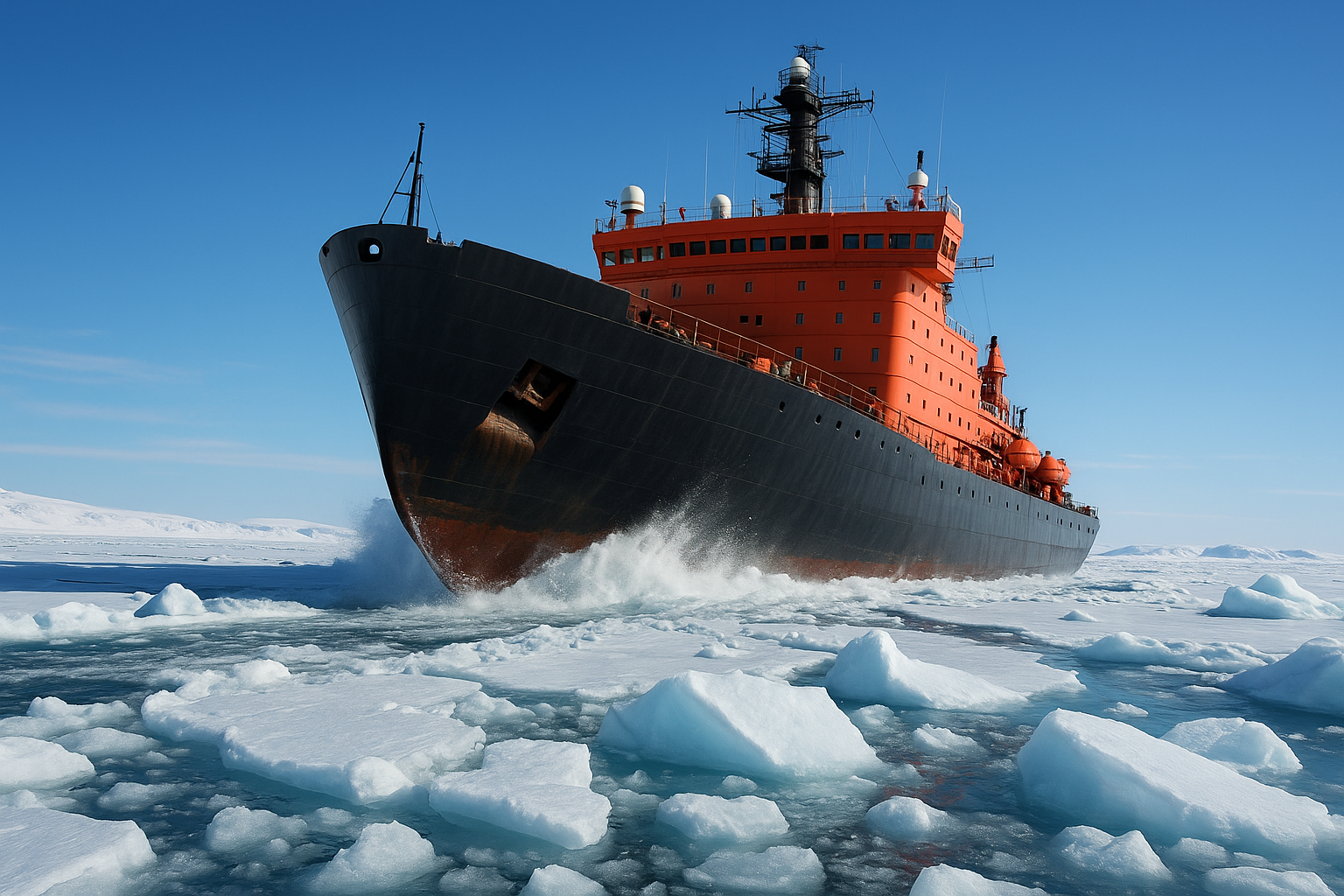
The Polar Security Cutter Program has emerged as a pivotal initiative aimed at revitalizing the Coast Guard icebreaker capabilities. The primary goals include the construction and deployment of new heavy icebreakers designed to operate effectively in extreme conditions. These vessels aim to extend the Coast Guard’s operational reach, bolster national security, and enhance U.S. presence in the Arctic. Prioritizing innovation and modern technologies, the program seeks to address and rectify the fundamental shortcomings of the aging fleet.
Timeline and expected deliverables
The timeline associated with the Polar Security Cutter Program is a pragmatic response to the pressing needs of the icebreaker fleet. The first delivery is projected for the near future, with subsequent vessels following in due course. Specific milestones have been outlined, fostering transparency and accountability throughout the construction process. The anticipated deliverables encompass state-of-the-art platforms equipped with advanced capabilities that not only restore operational readiness but also adapt to a rapidly evolving Arctic landscape.
Design and capabilities of the new heavy icebreakers
The design of the new heavy icebreakers necessitates an integrated approach that accounts for current and projected Arctic conditions. Advanced propulsion systems, improved hull designs, and enhanced operational capabilities define the new class of vessels. Furthermore, the incorporation of innovative technologies will facilitate enhanced navigation, communication, and safety measures. As a result, the new icebreakers promise to stand as formidable assets in ensuring operational success, facilitating missions across a broad spectrum of Coast Guard functions.
Arctic Security Cutter Program
Overview of the Arctic Security Cutter initiative
The Arctic Security Cutter initiative complements the Polar Security Cutter Program by focusing on medium polar icebreakers designed to support diverse missions. This initiative recognizes the need to expand the fleet to address specific operational requirements that differ from heavy icebreaker demands. By augmenting the fleet with agile, versatile vessels, the Coast Guard aims to enhance its operational posture across the full spectrum of Arctic challenges.
Details about the contract awards
Recent contract awards associated with the Arctic Security Cutter Program signify a commitment to enhanced capabilities and modernization within the fleet. These contracts encompass the development of multiple new medium icebreakers, each uniquely tailored to fulfill mission objectives in the Arctic. Awarding these contracts reflects the U.S. government’s recognition of the escalating need for robust maritime capacity in the region and sets the stage for future advancements in polar operational capabilities.
Future of medium polar icebreakers
The future of medium polar icebreakers appears promising, as they are set to play an integral role in addressing the multifaceted challenges of Arctic operations. With innovative design approaches and a focus on operational efficacy, these vessels are poised to enhance the Coast Guard’s ability to navigate increasingly crowded Arctic waters. The introduction of medium icebreakers will not only bolster national security but offer strategic tools for humanitarian assistance, environmental monitoring, and international cooperation.
The Arctic’s Increasing Strategic Importance
Geopolitical dynamics in the Arctic
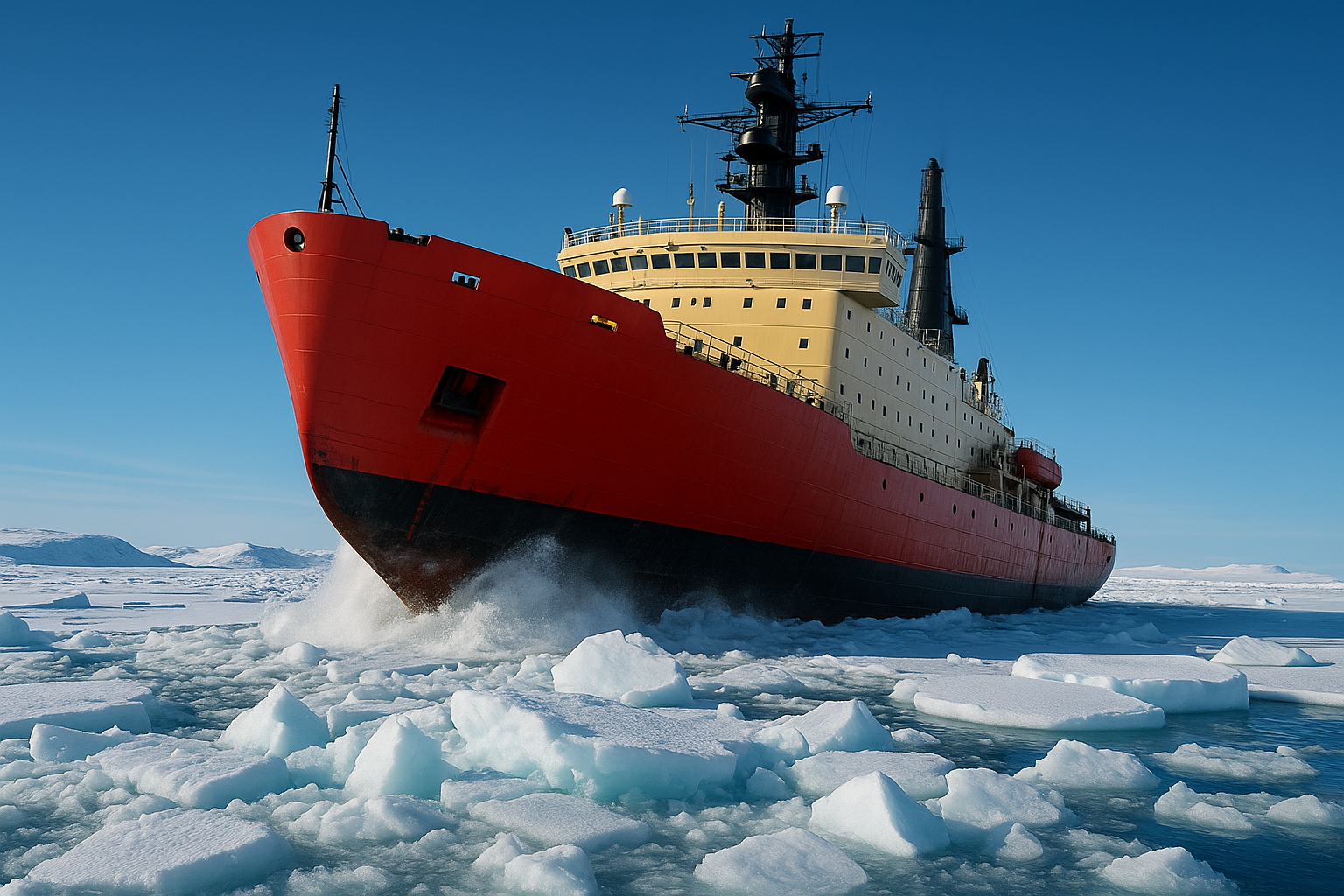
The Arctic has evolved into a geopolitical hotspot, with multiple nations vying for influence over its uncharted territories and valuable resources. As climate change accelerates ice melt, accessibility to the region is igniting competition among Arctic and non-Arctic states alike. These dynamics have led to heightened military activity and strategic interest, necessitating a robust response from the U.S. to safeguard its interests and sustain its leadership role in continental and global affairs.
Importance of Arctic sovereignty and resources
Sovereignty in the Arctic is of paramount importance, as it encompasses the rights to emerging shipping routes, fisheries, and untapped natural resources. The U.S. holds a stake in safeguarding these rights against competing claims that other nations may pose. As international negotiations concerning territorial waters intensify, ensuring a credible presence and operational readiness through an enhanced icebreaker fleet provides the U.S. with leverage in asserting its claims and engaging in diplomatic dialogue.
Challenges posed by international interests
The Arctic’s increasing strategic importance brings challenges forged by international interests. As nations such as Russia and China amplify their presence, the possibility of conflict or competition for resources intensifies. These factors create a complex environment where diplomacy, military readiness, and environmental stewardship must coalesce. As the U.S. navigates these challenges, a robust icebreaker fleet serves not merely as instruments of navigation but as embodiments of national policy and defense strategy.
Operational Missions Supported by Icebreakers
Operation Deep Freeze: significance and objectives
Operation Deep Freeze represents a crucial mission in which icebreakers play an essential role. Tasked with supporting U.S. Antarctic research efforts, the operation requires the formidable capabilities of icebreakers to create safe passage and deliver supplies to scientific stations. As climate change brings heightened scrutiny to polar research, the significance of these missions only grows, reinforcing the need for a dedicated icebreaker fleet capable of maintaining operational integrity in extreme conditions.
Environmental monitoring and research
Icebreakers serve invaluable roles in the pursuit of environmental monitoring and research. With the increasing relevance of climate science, the ability to conduct accurate assessments and deploy research teams in previously inaccessible regions is vital. Icebreakers enable the critical collection of data to inform policymakers and address ongoing environmental challenges, thereby fulfilling the Coast Guard’s mandate to promote ecological stewardship through innovative operational capabilities.
Support for scientific missions and collaboration
Beyond environmental research, icebreakers foster international collaboration in scientific endeavors. By facilitating access to remote areas, these ships promote partnerships that transcend national borders. Icebreakers physically embody the spirit of collaboration, allowing nations to work collectively toward a deeper understanding of our changing climate and the behaviors of Earth’s polar regions. In this regard, their missions extend far beyond simple navigation; they are gateways to knowledge and collaborative progress in the global arena.
Technological Innovations in Icebreaker Design
Advancements in propulsion and hull design
Recent advancements in propulsion and hull design will redefine the operational capabilities of future icebreakers. Implementing technologies such as dual-fuel engines and optimized hull forms will enhance efficiency and sustainability. These innovations are critical not only for operational performance but also for minimizing the environmental impact of icebreaking activities. A focus on greener technologies underscores a commitment to balancing operational readiness with environmental stewardship.
Integration of modern navigation systems
Modern navigation systems incorporated into new icebreaker designs ensure enhanced safety and operational versatility. The integration of advanced sensors, automated systems, and real-time data analytics allows for precise navigation even in chaotic ice conditions. Such technological integration will significantly improve decision-making processes, reducing risks and enhancing mission success rates as icebreakers maneuver through hazardous environments.
Sustainability efforts in new design projects
The incorporation of sustainability efforts in new icebreaker design projects emerges as an essential response to contemporary environmental challenges. As the Coast Guard aims to establish long-term operational capabilities, a commitment to sustainable practices will prove vital. Projects focused on reducing fuel consumption, enhancing recycling capabilities, and integrating renewable energy sources will position the fleet as a model of modern maritime operations—reflecting the Coast Guard’s commitment to both national security and environmental responsibility.
Conclusion
Summary of key points discussed
The present state of the U.S. Coast Guard’s icebreaker fleet epitomizes a critical juncture in national maritime strategy. With an aging fleet confronting multifaceted challenges, the urgency for modernization cannot be overstated. Investment in the Polar Security Cutter and Arctic Security Cutter Programs provides a pathway toward revitalization, ensuring that operational capabilities align with the evolving demands of a rapidly changing Arctic landscape. The interplay of national security, environmental stewardship, and international collaboration underscores the multifaceted importance of a robust icebreaker fleet.
Call to action for enhanced investment
Therefore, it is incumbent upon policymakers and stakeholders to take decisive action to enhance investment in icebreaker capabilities. This involves not only funding new construction but also prioritizing research and development to adapt to emerging challenges. A commitment to resourcing the Coast Guard’s icebreaker initiatives will facilitate a comprehensive approach to Arctic strategy—one that navigates the complexities of geopolitical dynamics responsibly and effectively.
The importance of a robust icebreaker fleet for national security
In conclusion, a robust icebreaker fleet stands as a crucial pillar of U.S. national security strategy. As the Arctic becomes a focal point in global conflicts and collaborative efforts, the ability to assert sovereignty and respond to myriad challenges hinges upon possessing a capable fleet. By reinvesting in icebreaking operations, the U.S. can reinforce its geopolitical standing, facilitate humanitarian endeavors, and lead in global environmental stewardship. The future of Arctic operations depends not only on the vessels themselves but on the willingness to act decisively and thoughtfully in shaping maritime policy for generations to come.