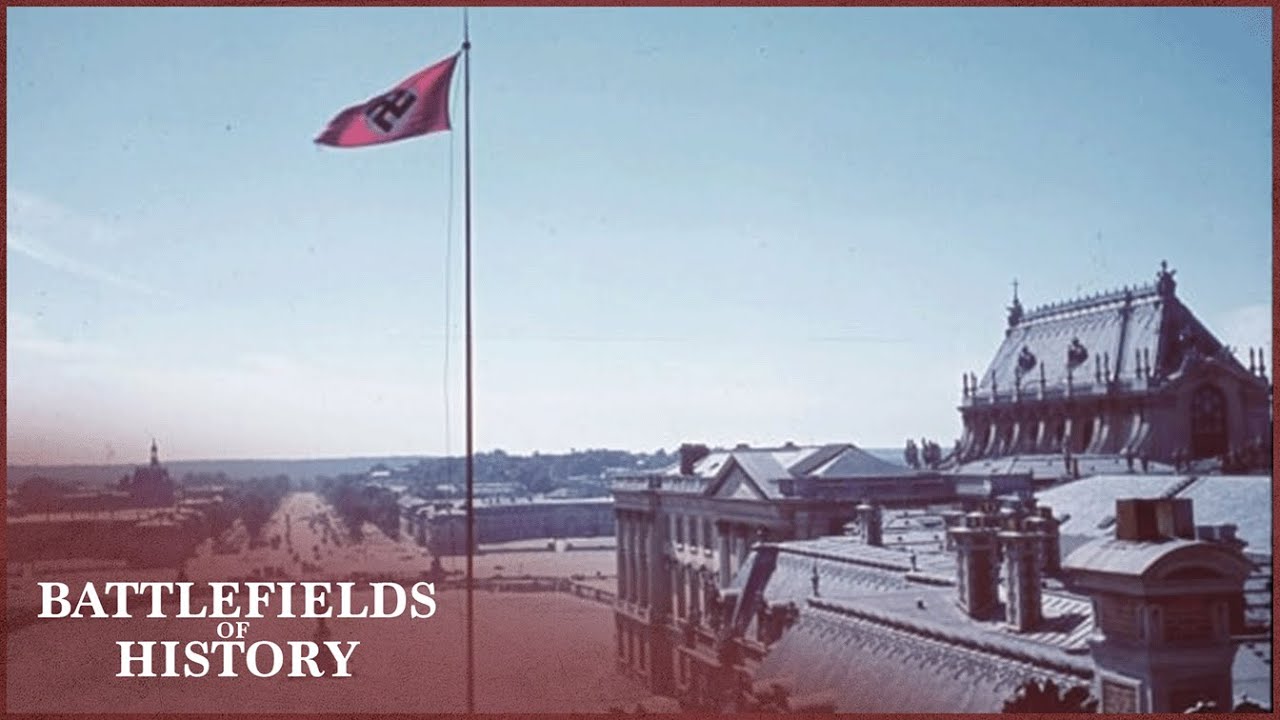
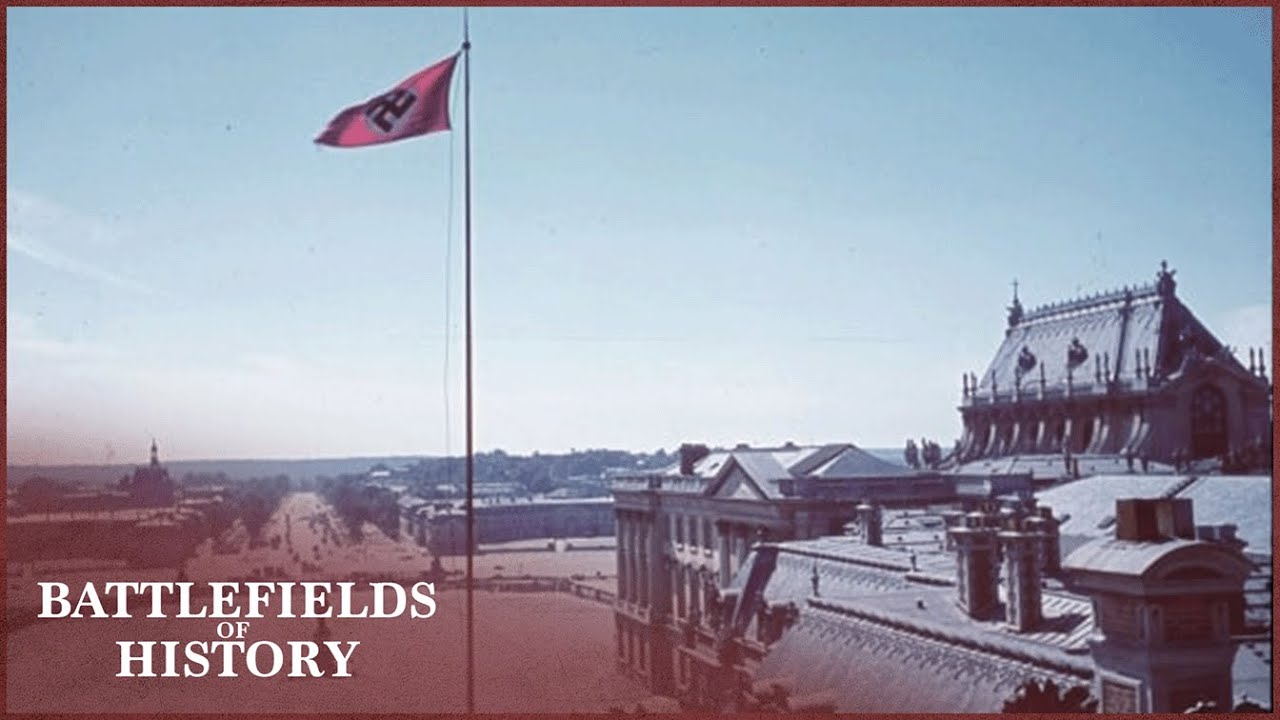
The aftermath of World War I, contrary to popular belief, laid the groundwork for an even greater conflict. This article examines the critical failures of the Treaty of Versailles and its failure to establish a lasting peace. Key themes include the detrimental effects of the “stab-in-the-back” myth prevalent in Germany, the global ramifications of the Great Depression, and the alarming rise of militaristic regimes in Italy, Japan, and Germany. Historical events such as Japan’s aggressive expansion in Manchuria and the Italian conquest of Abyssinia exemplify the unchecked aggression that would eventually lead to World War II.
The analysis further explores how the weakened democracies of Britain and France missed essential opportunities to counter these threats. The violent upheaval of the Spanish Civil War served as a prelude to the conflict that would engulf the world, showcasing the military strategies that Nazi Germany would later employ. The culmination of these dynamics ultimately led to the invasion of Poland, marking the onset of World War II. By understanding these complex interactions, one gains insight into the precarious nature of peace in the interwar years.
The Treaty of Versailles: A Flawed Peace
Origins and Negotiations of the Treaty
The Treaty of Versailles emerged in the wake of World War I, a cataclysmic event that left an indelible mark on Europe and reshaped the geopolitical landscape. The peace negotiations began in January 1919, gathering leaders from the Allied powers, notably the United States, Britain, France, and Italy. As you delve into the negotiations, it becomes apparent that the motivations behind the treaty were complex and varied. President Woodrow Wilson advocated for a framework based on self-determination and collective security, exemplified by his Fourteen Points. Conversely, French Prime Minister Georges Clemenceau aimed to impose punitive measures on Germany, reflecting France’s profound losses during the war. The resulting treaty reflected a precarious compromise, blending idealism with retribution.
Key Provisions and Their Implications
The Treaty of Versailles was formally signed on June 28, 1919, and contained several key provisions that fundamentally altered the European order. You would confront significant aspects like the territorial losses imposed on Germany, including Alsace-Lorraine to France and parts of Prussia to the newly formed Poland. Additionally, the treaty mandated substantial reparations that burdened the German economy with a staggering debt calculated at 132 billion gold marks. The disarmament clauses restricted Germany’s military capabilities, leading them to feel humiliated. These harsh measures fostered resentment and a sense of victimization among the German populace, paving the way for future conflicts as nationalists exploited these sentiments.
Reactions from Germany and Allied Powers
Upon the treaty’s ratification, a cacophony of discontent arose in Germany. The reaction varied from anger to disbelief, culminating in a widespread perception that the treaty was a “Diktat” — a dictated peace. Many Germans, including prominent political figures and the general populace, felt betrayed by their leaders, who had initially promised a negotiation based on fairness. The Allied powers, while celebrating the treaty as a landmark diplomatic achievement, were unaware of the seeds of discord they had sown. Nations like Britain and the United States began to reconsider their positions as they recognized the fragility and hostility the treaty had incited, foreshadowing the tumultuous era that lay ahead.
The Stab-in-the-Back Myth
Development of the Myth in Post-War Germany
In the tumultuous aftermath of World War I, the “stab-in-the-back” myth gained traction in Germany, positing that the military had not lost the war on the battlefield but rather had been betrayed by civilians and revolutionaries at home. This narrative was promulgated by nationalist factions and conservative politicians, insinuating that Jews, socialists, and liberal politicians were complicit in Germany’s defeat. As you explore this phenomenon, you observe that this myth served as a psychological balm for a nation grappling with the realities of defeat. It allowed the populace to redirect their anger away from military leaders and toward scapegoats, laying the groundwork for future political movements.
Impact on German Society and Politics
The implications of the stab-in-the-back myth were profound, influencing German society and politics in the interwar period. You would see how this myth fostered a climate of paranoia and mistrust, accelerating the rise of right-wing parties that capitalized on nationalist sentiment. The myth provided a convenient narrative that absolved the military elite of responsibility while igniting fervent nationalist and revanchist sentiments. It fragmented the political landscape, resulting in increasing polarization and the decline of democratic norms, which were already fragile post-Versailles.
Connection to Nazi Ideology
The stab-in-the-back myth not only resonated in the immediate aftermath of World War I but also became a cornerstone of Nazi ideology. As you study Adolf Hitler’s ascent to power, you would note how he exploited this myth to systematically dismantle the Weimar Republic and consolidate power. The portrayal of Jews and leftists as traitors was central to Nazi propaganda, creating a fabricated enemy to unify the populace against. This dangerous amalgamation of national humiliation and scapegoating ultimately facilitated the Nazi regime’s rise, seeding the conditions for World War II.
Economic Hardships and the Great Depression
Effects of Reparations on Germany’s Economy
The economic repercussions of the Treaty of Versailles became increasingly evident as Germany struggled to meet its reparations obligations. The imposition of reparations exacerbated an already weakened economy, resulting in hyperinflation in the early 1920s, which saw the German mark lose its value entirely. You would analyze how these economic pressures bred social unrest and disillusionment with democratic institutions, leading to widespread hardship among the populace. The economic crisis laid fertile ground for radical solutions as people sought stability and meaning in extreme ideologies.
Global Impact of the Great Depression
As you shift your focus to the global context, the Great Depression of the late 1920s had catastrophic effects far beyond the borders of the United States. The economic downturn triggered a ripple effect in several countries, exacerbating unemployment and political instability. Germany, still reeling from the effects of reparations and inflation, encountered escalating discontent. Economically disenfranchised citizens turned to extremist parties that promised a return to national greatness, linking economic despair with national humiliation, thus fueling the narrative of the stab-in-the-back.
Rise of Economic Extremism
The combination of reparations, hyperinflation, and the global economic crisis contributed to the dramatic rise of economic extremism in Germany. You would note how economic instability made extremist ideologies more appealing, as voters sought assurances that their dire circumstances could be overcome. The Nazis, among other parties, deftly harnessed these sentiments, promising jobs, restoration of national pride, and a departure from the perceived failures of the Weimar Republic. This shift toward totalitarian solutions marked a critical turning point, as moderates lost ground to those espousing radical ideas.
Rise of Totalitarian Regimes
Fascism in Italy: Mussolini’s Regime
Italy’s experiences during the interwar period illustrated the appeal of totalitarian regimes in the face of social and economic turmoil. Benito Mussolini’s rise to power in the early 1920s epitomized the fascist movement that offered a counter-narrative to democratic governance. Fascism sought to restore national strength and revive the glory of the Roman Empire by invoking themes of nationalism and militarism. As you explore Mussolini’s regime, you encounter the suppression of dissent, promotion of state propaganda, and militarization that contrasted starkly with the democratic principles that many nations aspired to uphold.
Militarism in Japan: Expansionist Policies
Similarly, in Japan, militarism took hold during the interwar years, particularly as economic pressures intensified. The Japanese government, increasingly dominated by military leaders, adopted an expansionist policy aimed at securing resources and territory. As you analyze Japan’s actions during this period, who would find that their aggressive maneuvers, such as the invasion of Manchuria in 1931, were justified through narratives of national destiny and racial superiority. This militaristic approach exacerbated tensions in Asia and set the stage for future conflicts with Western powers.
Nazism in Germany: Hitler’s Ascendancy
Hitler’s rise to power is a focal point of your exploration into totalitarian regimes, as you examine the delicate balance he struck between ideological fervor and brutal suppression. With an adept understanding of mass communication and propaganda, Hitler cultivated a cult of personality that resonated with the German populace. The unrelenting emphasis on national identity, anti-Semitism, and militarism allowed him to consolidate power and silence dissent. The establishment of a totalitarian state under Nazi principles facilitated a systematic dismantling of democratic institutions and legal frameworks.

Aggression and Expansion: The 1930s
Japan’s Invasion of Manchuria
The invasion of Manchuria in 1931 serves as a significant marker of growing aggression in the decade leading up to World War II. Japan’s military saw this move as a necessary step to secure vital resources amidst economic insecurity. You would delve into the international community’s muted response, exemplifying the growing isolationism and reluctance to confront aggressive actions. This incident foreshadowed a more extensive pattern of militaristic expansion that would characterize the 1930s, illustrating how unchecked aggression at the national level can have devastating global implications.
Italy’s Conquest of Abyssinia
Italy’s conquest of Abyssinia in 1935 further exemplified the theme of uncompromising nationalism and militarism. You would explore how Mussolini sought to assert Italy’s status as a colonial power by launching an invasion bolstered by modern warfare tactics. The League of Nations’ failure to respond decisively to this aggression underscored its ineffectiveness and reflected the broader inability of the global community to curb the ambitions of totalitarian states. This period underscored the dangers of inaction in the face of manifest aggression.
The Spanish Civil War as a Prelude
The Spanish Civil War (1936-1939) acted as a precursor to the wider conflicts of World War II, serving as a battleground for ideologies and foreshadowing the greater conflict to come. You would encounter the involvement of various foreign actors, with Germany and Italy supporting Francisco Franco’s Nationalists, while the Soviet Union backed the Republicans. The war not only illustrated the ideological schisms dividing Europe but also served as a testing ground for military strategies that would later be utilized in World War II. It revealed how conflicts within nations could have far-reaching consequences on the international stage.
The Response of Democratic Nations
Policy of Appeasement
The policy of appeasement emerged as a dominant strategy pursued by Britain and France in an attempt to maintain peace in the face of totalitarian aggression. You would analyze how the Munich Agreement of 1938, which permitted Nazi Germany’s annexation of the Sudetenland from Czechoslovakia, epitomized this approach. The leaders involved believed that conceding to Hitler’s demands would prevent further expansion and preserve peace in Europe. However, as you investigate, you would recognize that this strategy did not account for the fundamentally expansionist nature of the Nazi regime.
Failure of the League of Nations
The League of Nations, created in the aftermath of World War I to promote peace and cooperation, faced significant challenges that ultimately undermined its credibility. You would discover that the League lacked the enforcement mechanisms necessary to compel compliance with international law and decisions. Its inability to address the aggressions in Manchuria, Abyssinia, and elsewhere reflected the broader geopolitical impasse that characterized the interwar period, contributing to a growing sense of despair and foreboding.
Impact of British and French Weakness
The weakened resolve of Britain and France during this period played a pivotal role in emboldening totalitarian regimes. You would examine how their unwillingness to confront aggression directly allowed for unchecked expansionism. The fragility of their own economic and political structures, exacerbated by the Great Depression, hindered their capability to mount a robust collective response against fascist ambitions, creating a vacuum that totalitarian states were eager to exploit.
The Lead-Up to World War II
Hitler’s Expansionist Goals
As the 1930s progressed, Hitler’s expansionist ambitions became increasingly evident. You would analyze his strategic moves, from the remilitarization of the Rhineland in 1936 to the annexation of Austria in the Anschluss of 1938. Each step served to solidify his grip on power domestically while emboldening his military ambitions abroad. The ideological underpinnings of Lebensraum, or “living space,” showcased a desperate need for resources and territory that would lead to inevitable conflict.
The Munich Agreement: A False Security
The Munich Agreement of 1938 is often viewed as a tragic miscalculation by Western democracies, embodying the failure of appeasement. You would delve into how this agreement not only allowed for the dismemberment of Czechoslovakia but also instilled a false sense of security among European leaders. The reactions of the populace varied, but hope for peace was undermined by a growing awareness of the consequences of concession to tyranny, further polarizing political sentiments.
Occupation of the Rhineland and Austria
The occupation of the Rhineland in 1936 and the subsequent annexation of Austria in 1938 were pivotal moments in Hitler’s strategy. You would reflect on how these actions were met with minimal resistance, encouraging him to pursue more extensive conquests. The remilitarization of the Rhineland violated the Treaty of Versailles, demonstrating a blatant disregard for international agreements while indicating the ineffectiveness of diplomatic frameworks in halting aggressive ambitions.
The Invasion of Poland
The Catalyst for War
The invasion of Poland on September 1, 1939, stands as the definitive catalyst for World War II. As you survey this moment, you would note the swift and brutal execution of the Blitzkrieg strategy, which combined rapid aerial assaults and ground forces. This invasion shattered any illusions of lasting peace and demonstrated the catastrophic consequences of failed diplomacy and inadequate checks on totalitarian aggression.
Immediate International Reactions
The invasion elicited immediate reactions from Britain and France, who had pledged to protect Poland’s sovereignty. A declaration of war against Germany followed shortly after, marking the beginning of a widespread conflict. Your examination would reveal how the failure to act decisively in the preceding years ultimately led to a situation where military confrontation was the only recourse remaining.
The Outbreak of World War II
The outbreak of World War II reshaped the global landscape, with the ramifications extending far beyond Europe. You would observe how the war rapidly involved multiple nations, leading to unprecedented levels of destruction and loss of life. The lessons of the interwar period — particularly surrounding appeasement, the failure of collective security, and the impact of economic hardship — would resonate starkly as powers grappled with the unfolding catastrophe.
Lessons Learned from Versailles
Historical Analysis of Treaty Effectiveness
Looking back, the Treaty of Versailles serves as a case study in the complexities of establishing a durable peace. You would explore how the punitive measures imposed on Germany not only failed to foster reconciliation but inadvertently contributed to the revival of nationalism and militarism. The historical analysis underscores the importance of addressing national sentiments and grievances in peace negotiations to avert future conflicts.
Consequences of Ignoring National Sentiments
The Treaty of Versailles illustrates the dire consequences of sidelining national sentiments in favor of punitive measures. As you reflect upon this aspect, you recognize that the disregard for the moral stakes involved in peacebuilding can lead to instability and resentment, as illustrated by the rise of extremist movements. The lessons learned highlight the necessity of understanding the broader social and political contexts behind national identities.
Framework for Future Peace Treaties
In light of the failures exhibited by the Treaty of Versailles, you would conclude by advocating for frameworks that promote inclusive dialogue and cooperation in future peace treaties. The importance of addressing underlying grievances and fostering economic recovery is paramount for ensuring lasting peace. The lessons gleaned from this historical episode can inform contemporary diplomatic efforts and guide the international community toward constructing a more stable future.
Conclusion
The Importance of Early Intervention
Reflecting on the rise of totalitarian regimes and the events leading to World War II, you see that early intervention by democratic nations could have shifted the course of history. Proactive measures to address the grievances arising from the Treaty of Versailles and enforce international agreements might have curtailed the aggressive ambitions evident in the 1930s. The importance of recognizing the interconnectedness of political and social dynamics in the prevention of conflict stands as a significant takeaway.
The Role of International Cooperation
The failures of the interwar years underscore the necessity of international cooperation in addressing complex geopolitical challenges. You become increasingly aware that a united front among nations can deter aggression and prevent the emergence of totalitarianism. The reflections on the League of Nations’ shortcomings illuminate the need for effective international institutions capable of fostering genuine dialogue and resolution.
Reflection on the Consequences of World War II
As you conclude your exploration, you are left with a profound understanding of how the repercussions of World War II reshaped the global order and continue to resonate today. The lessons derived from the interwar period, the flaws within the Treaty of Versailles, and the subsequent rise of totalitarianism offer a poignant reflection on the complexities of achieving lasting peace in a world fraught with discord. Recalling the historical narrative, you recognize the critical importance of understanding the past to construct a more equitable and secure future.