
China’s recent demonstration of a container ship outfitted with multiple missile launch cells presents a significant concern for global security dynamics. This innovative approach allows China to rapidly enhance its missile capabilities, effectively distributing them across comparatively inexpensive vessels. Such developments pose considerable challenges to military operations within China’s anti-access areas, complicating the strategic landscape in the Pacific region.
The article will explore the implications of these missile-packed container ships, including the types of missiles that could be utilized and their potential roles in conflict scenarios. Additionally, it will consider the broader context of China’s extensive commercial shipping operations and the international precedent for containerized missile systems, highlighting that this strategy is not solely a Chinese initiative.
Overview of China’s Missile-Packed Container Ships
Description of the Ships
China’s missile-packed container ships bring a novel integration of commercial shipping and military capability. These vessels, appearances first noted distressingly visible to analysts, hold numerous missile launch cells, suggesting that they could rapidly enhance China’s strike capabilities. The design of these ships leverages commercial container standards—allowing rapid modularity of firepower. A typical vessel may carry a multitude of missile systems, transformed from mere transport vehicles into formidable threats capable of evolving maritime combat dynamics. Advanced navigation and automation technologies further empower these ships, proving that China’s maritime ambitions extend beyond trade and into military supremacy.
Recent Developments in Technology
Recent technological advancements have been pivotal in the evolution of these container ships enriched with missile capabilities. The improvements have centered on missile accuracy, range, and adaptability across various platforms. Enhanced navigation systems enable more precise targeting and trajectory calculations, while advancements in missile guidance technology allow for successful launches in adverse conditions. Furthermore, the adaptation of existing logistical frameworks within the commercial shipping industry aids not only in facilitating quicker deployment cycles but also in effectively maintaining operational secrecy. These technological strides raise essential questions regarding the evolving capabilities and intent behind China’s maritime military innovations.
Implications for Military Strategy
The introduction of missile-packed container ships profoundly alters military strategy in the region. This dual-use technology complicates traditional naval assessments, blurring the lines between commercial and military maritime operations. It necessitates a reevaluation of threat capabilities within the Indo-Pacific, compelling nations like the United States to reconsider their operational tactics and resource allocation. The challenge lies not merely in countering the physical threats posed by these vessels, but also in understanding the strategic ambiguity they introduce—where they could be perceived as both benign commercial assets and potential military platforms. Consequently, this development alerts military analysts to adopt more comprehensive surveillance and deterrence methodologies.
Understanding Missile Cargo Ships
Concept and Design Features
Missile cargo ships marry conventional shipping with advanced military design features, representing a paradigm shift in naval warfare logistics. Their design permits not only the transportation of goods but also the capacity to operate as mobile strike platforms. By employing standardized shipping containers, these vessels can load and deploy various missile systems. The flexibility inherent in their design means that they can rapidly adapt to shifting military needs, establishing a mobile launch presence that traditional vessels lack. Such adaptability encourages maritime forces to think beyond conventional naval engagement tactics.
Types of Missiles Capable of Being Deployed
Several missile types can be deployed from these missile cargo ships, each serving distinct operational purposes. Ballistic missiles, cruise missiles, and anti-ship variants present a diverse arsenal capable of addressing multiple maritime threats. The integration of hypersonic and precision-guided munitions showcases a leap in operational capabilities, allowing these ships to engage adversaries effectively from extended ranges. The ability to transport such varied missile systems not only enhances deterrence capabilities but also underscores the significance of these vessels in modern naval doctrine.
Comparison with Traditional Military Platforms
When compared to traditional military platforms, missile cargo ships offer certain advantages. Conventional naval vessels require significant investment and are often limited by their dedicated roles. In contrast, missile cargo ships possess inherent versatility through their containerized systems, making them more cost-effective and harder to track. Their reliance on commercial shipping infrastructure also allows for logistical support that traditional military platforms do not enjoy. This comparison not only illustrates a shift in how military threats are conceived but also indicates the changing dynamics of engagement in potential conflict scenarios.
Strategic Importance in the Indo-Pacific Region

China’s Maritime Ambitions
China’s maritime ambitions are emblematic of a broader strategy aimed at asserting its influence over the Indo-Pacific region. The advent of missile-packed container ships serves as a manifestation of this ambition, highlighting the country’s goal to bolster its maritime prowess and counteract influences from rival naval powers. This pursuit reflects China’s vision of becoming a dominant player in regional trade while simultaneously ensuring that it can project military force as necessary. Such assertive maritime strategies resonate with the broader narrative of national rejuvenation driving China’s international posture.
Missile Deployment Strategies
The deployment strategies for missiles from these container ships are designed to create strategic dilemmas for adversaries. China’s military underpins these strategies with concepts like surprise and mobility, avoiding static bases that are more easily targeted. By dispersing missile capabilities across a fleet of container ships, it becomes exponentially harder to neutralize China’s strike potential. This deployment model leverages hypothetical scenarios—such as launch from unpredictably positioned merchant vessels—compounding the risks facing enemy naval forces operating in close proximity to Chinese territorial waters.
Impact on Regional Security Dynamics
The looming presence of China’s missile-packed container ships has significant implications for regional security dynamics in the Indo-Pacific. Neighboring countries may feel compelled to reconsider their own military capabilities in response, potentially sparking an arms race. Countries like Japan and South Korea, traditionally reliant on U.S. forces for deterrence, may evaluate their strategies and increase their own military expenditures. As the landscape becomes increasingly competitive, the potential for miscalculation during military exercises or confrontations grows, thus heightening geopolitical tensions across the region.
The Anti-Access/Area Denial (A2/AD) Strategy
Explanation of A2/AD
The Anti-Access/Area Denial (A2/AD) strategy is central to understanding how China employs these missile-equipped ships. This military doctrinal approach aims to prevent adversarial forces from entering a theater of operations or deny them the ability to conduct effective operations if they do. China’s A2/AD capabilities are structured to create layered defensive systems that bolster its maritime control, and missile-packed container ships serve as a mobile manifestation of this strategy.
Role of Container Ships in A2/AD
Container ships play a pivotal role in the A2/AD framework by augmenting China’s deterrent posture. Their deployment enables asymmetric warfare tactics—capable of launching missiles at adversary forces while operating outside conventional military reach. These ships can operate at varying distances from shore-based facilities, complicating enemy targeting and response capabilities. By functioning as mobile missile platforms, they further challenge enemy operational planning, thereby enhancing China’s control of maritime chokepoints and strategic waterways.
Challenges for U.S. and Allied Forces
For U.S. and allied forces operating in or near the Indo-Pacific, the emergence of missile-packed container ships poses substantial operational challenges. The threat they represent extends beyond direct military engagement; they necessitate rethinking surveillance, reconnaissance, and strike strategies. The United States may be forced to rethink its maritime doctrine regarding freedom of navigation and airspace security. Additionally, traditional strategies may need reevaluation to ensure that the presence of these versatile vessels does not result in vulnerabilities or escalatory conflicts.
Potential Uses in Conflict Scenarios
Operations in a Pacific Conflict
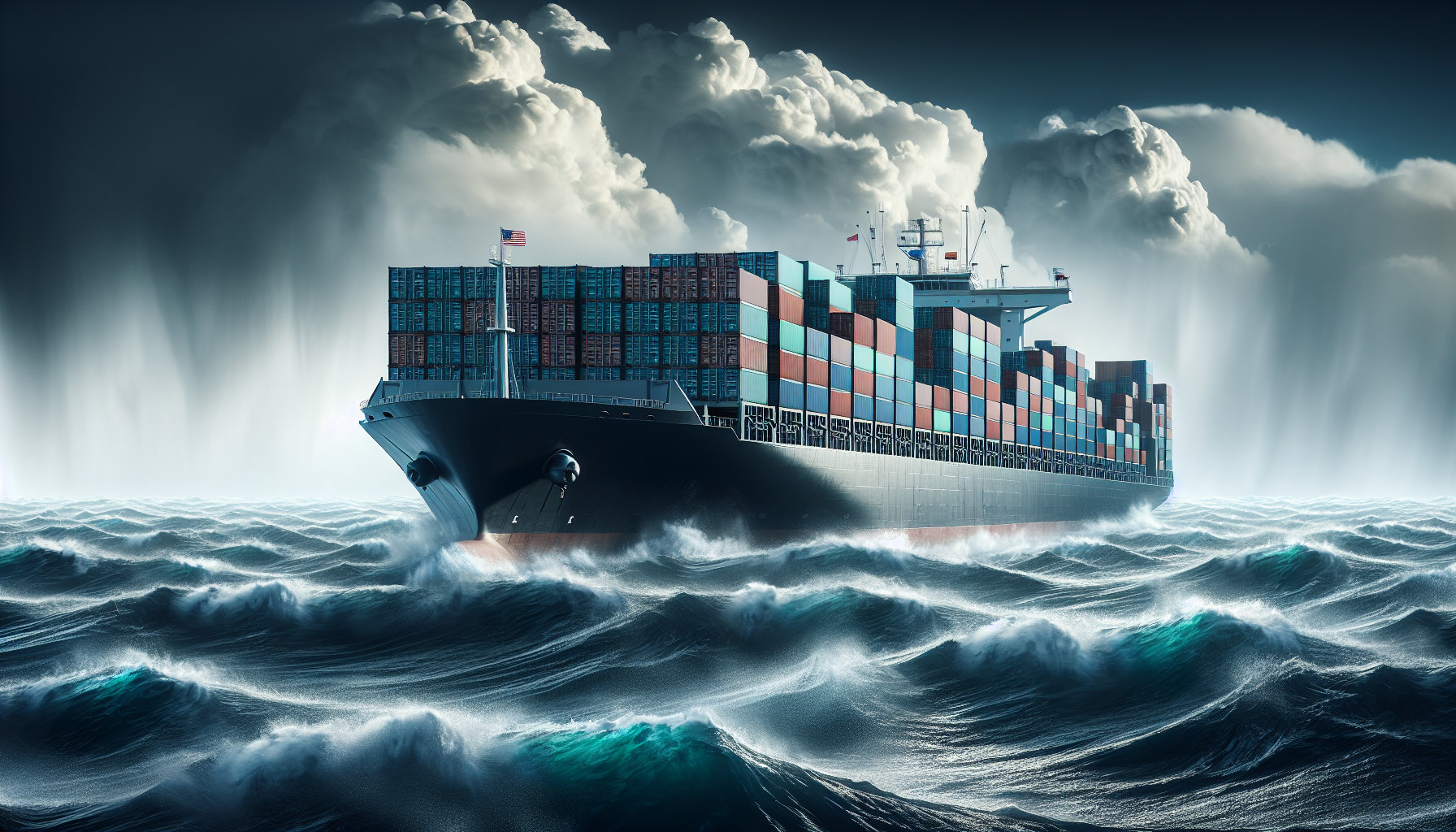
In the event of a conflict in the Pacific, missile-packed container ships could operate as force multipliers, allowing for rapid, flexible military engagement against adversary vessels and shore-based targets. They would enable asymmetrical engagement strategies, complicating confrontations with a robust and technologically advanced adversary. Additionally, these ships could serve as staging and support platforms, providing logistical support to conventional naval forces during emerging hostilities.
Deterrence and Escalation Strategies
The presence of missile cargo ships fundamentally alters deterrence equations in the region. Their ability to launch missiles from non-traditional platforms could give rise to new escalation pathways, forcing adversaries to consider broader ranges of potential conflict. Moreover, this underscores the importance of integrated deterrence strategies that encompass not only traditional military responses but also considerations of missile threats originating from seemingly innocuous vessels. The ambiguity of their operational intent contributes to increasing uncertainties in conflict scenarios.
What It Means for Naval Engagements
For naval engagements, the proliferation of missile-packed container ships represents a significant evolution in multi-domain warfare. The traditional paradigm of ship-to-ship combat may transform into a landscape where civilian and commercial vessels are leveraged for military objectives. This necessitates an innovative understanding of threat identification and engagement protocols, increasing requirements for situational awareness and decision-making capabilities among naval commanders. As engagements occur in a blurred line of civilian and military involvement, ambiguity over conflict rules will increasingly complicate operational realities.
Global Shipping Industry and Military Integration
China’s Expanding Shipping Fleet
China’s agricultural and industrial growth has fueled the rapid expansion of its shipping fleet, enhancing its prowess in global trade. This capacity aligns seamlessly with military objectives, providing the People’s Liberation Army Navy (PLAN) with myriad platforms for integration with maritime logistics. As China expands its global shipping footprint, it enhances its ability to distribute military capabilities swiftly, leaving other nations grappling with responses to its burgeoning power projection potential.
Commercial vs Military Uses of Container Ships
The dual-use nature of container ships predicates several considerations about commercial versus military applications. While their primary function lies in facilitating global trade, the integration of military capabilities into civilian craft suggests a convergence of two traditionally separate realms. This dual-use approach complicates legal and ethical implications related to maritime security and engagement protocols, potentially prompting international discussions regarding definitions of neutrality and naval warfare rules. Understanding this dichotomy is essential for policymakers as they navigate the complexities of contemporary maritime security environments.
Global Port Footprint and Its Impact
The expansion of China’s port footprint globally underpins its strategic and military ambitions. As Chinese investments in global ports create logistical and operational support frameworks for its naval capabilities, this infrastructure strengthens China’s ability to project power regionally and globally. The interconnectivity of these ports with China’s shipping fleet enhances operational readiness while decreasing vulnerabilities typically presented by domestic supply chains. This consolidation of military and commercial capabilities reflects an intricate stranglehold on maritime trade routes, giving China leverage in both economic and military negotiations.
Technological Innovations and Challenges
Advancements in Missile Technology
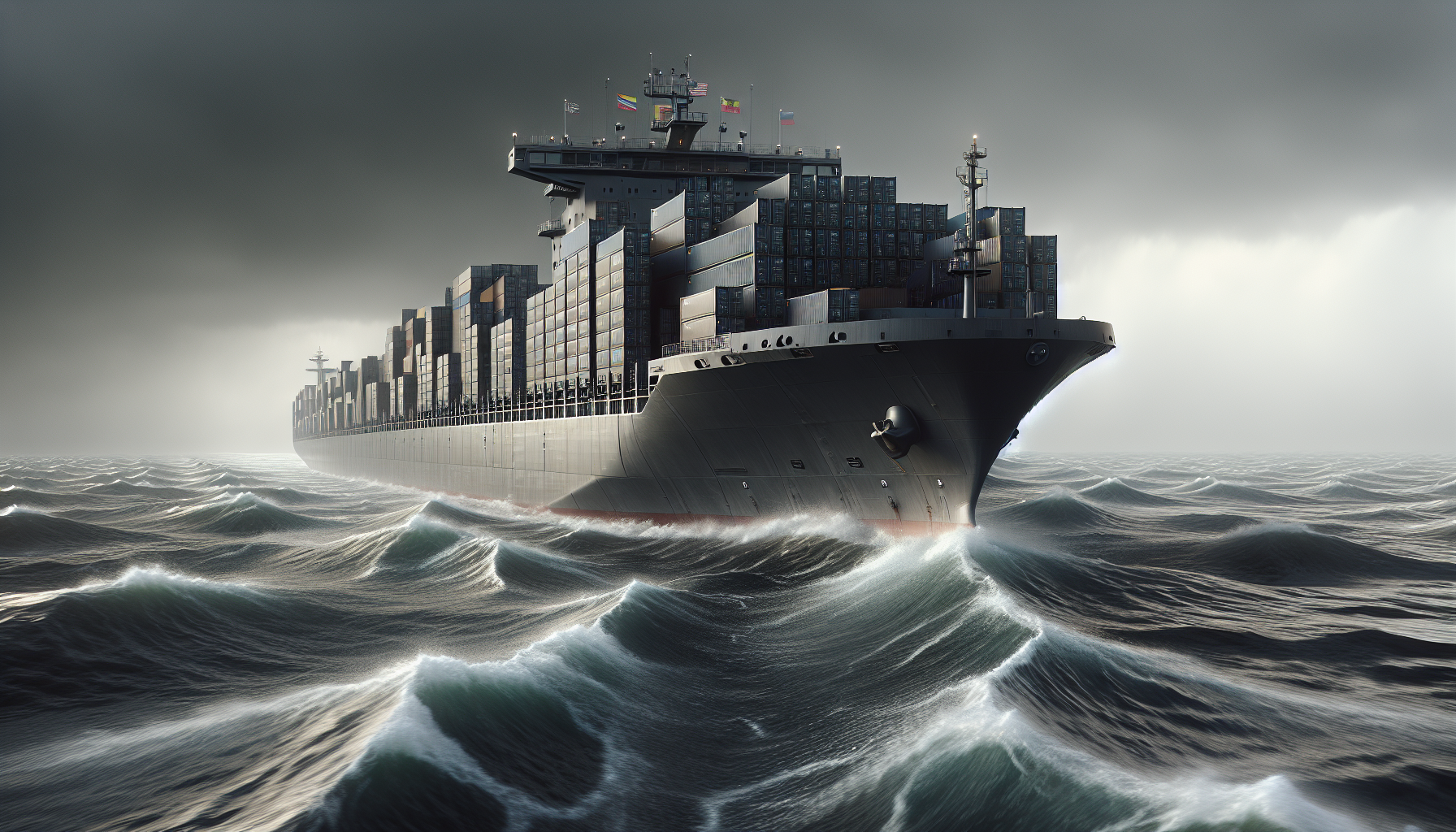
Recent advancements in missile technology significantly enhance the potential of missile-packed container ships. Innovations in propulsion, guidance, and warhead capabilities foster improvements in range and accuracy. Such advancements may also contribute to a diversification of missile platforms, enabling modular battery systems to be easily integrated within containerized standards. As these technologies continue to advance, they expand the strategic options available to military planners and alter the landscape of naval warfare.
Challenges of Containerized Launch Systems
Despite the advantages of containerized launch systems, certain challenges persist. The need for reliable and effective launch mechanisms on mobile platforms raises questions regarding engineering and operational feasibility. Furthermore, logistical support for maintaining these technologies and ensuring eligible munitions remain ready for operational deployment adds another layer of complexity. Ensuring operational integrity across a dispersed fleet demands innovative logistical solutions that remain responsive to unfolding threats.
Comparative Analysis of U.S. Experiments
The United States has also explored containerized launch systems through various experimental platforms, paralleling some of China’s initiatives. Programs designed to assess the viability of containerized systems emphasize the pursuit of multi-domain operations and flexibility in engaging adversaries. However, these U.S. experiments face challenges similar to those of Chinese counterparts, particularly concerning integration within established military doctrines. Analyzing these parallel advancements not only offers insights into technological adoption but also elucidates the potential for future competitive dynamics in the Indo-Pacific.
International Response and Military Strategies
Reactions from Neighboring Countries
In light of China’s developments in missile-packed container ships, neighboring countries have begun recalibrating their strategies. Nations like Japan, South Korea, and India are exploring options to increase their maritime defenses and establish cooperative security frameworks to counterbalance China’s growing military leverage. These nations may engage in enhanced military exercises and seek collaborative defense initiatives, fostering deeper defense ties among regional allies while reshaping security architectures within Asia.
Shifts in U.S. Defense Policy
The U.S. response has been significant, illustrating a marked shift in defense policy towards China. Increased focus on the Indo-Pacific region has prompted a reevaluation of military commitments, readiness strategies, and force postures to address these emerging threats. This shift includes enhancing forward-deployed naval forces, bolstering regional alliances, and investing in new technological capabilities to ensure operational superiority. As U.S. policymakers reassess priorities, the balance of power within the Indo-Pacific may see enduring transformations.
NATO and Global Alliances’ Perspectives
NATO and global alliances are also taking stock of the implications presented by China’s missile-packed container ships. The potential for coordinated responses to enhance collective security against perceived threats is on the agenda for summits and policy discussions. As member states address these emerging maritime challenges, the discourse surrounding transatlantic cohesion may increasingly focus on unified strategies to counterbalance China’s military assertiveness. In this spirit, the evolution of multi-national defense arrangements will seek to substantiate collective security commitments throughout the Indo-Pacific.
Implications for Global Security
Overall Risk Assessment
The rise of missile-packed container ships represents an evolving threat landscape with global ripple effects. The dual-use aspect of these vessels increases the complexity of maritime engagements, prompting nations to reassess their military preparedness and deterrent measures accordingly. This ambiguity introduces heightened risks, where misunderstandings or miscalculations could lead to escalatory dynamics. A comprehensive risk assessment is essential for understanding potential flashpoints and mitigating the consequences of geopolitical tensions.
Potential for Arms Race
The increasing militarization of the commercial shipping domain may catalyze an arms race among regional actors in the Indo-Pacific. Countries may feel pressured to expedite their own military advancements, both in missile technology and naval capabilities, to maintain regional parity. This arms race could trigger a cycle of escalation as states invest heavily in deterrence measures, leading to heightened tensions and insecurity in the region.
Long-Term Consequences for Global Peace
As missile-packed container ships become integral to the strategic calculus of major powers, long-term consequences for global peace must be considered. The proliferation of advanced military technologies in widely deployed commercial platforms may challenge existing norms and treaties governing naval engagements. Moreover, the complexity and ambiguity surrounding these technologies compel a reevaluation of international maritime law and multilateral agreements aimed at fostering peace. The trajectory toward a more militarized maritime environment may yield significant implications for the stability and security of the international order.
Conclusion
Summary of Key Points
China’s missile-packed container ships represent a significant development in the nexus between commercial shipping and military capabilities. As these vessels integrate advanced missile technologies and adapt to modern conflict scenarios, they introduce complexities to international maritime security. The implications for regional dynamics, strategic deterrence, and global security warrant careful examination as military analysts and policymakers navigate the evolving geopolitical landscape.
Importance of Monitoring Developments
The emergence of these container ships calls for continuous monitoring to ensure that strategic responses align with evolving capabilities. Understanding the implications of such advancements will be crucial for forecasting potential conflicts and balancing power in the Indo-Pacific. Timely insights and assessments are necessary for recognizing both opportunities and threats associated with this dual-use technology.
Call for Strategic Discussions
In this dynamic context, robust strategic discussions are vital among allied nations to formulate cohesive responses to emerging threats. Multilateral dialogues would foster better intelligence-sharing, promote synchronized military engagements, and explore avenues for maintaining peace in an increasingly complex maritime domain. The integration of military strategy with multifaceted global perspectives may provide an essential foundation for countering potential adversarial ambitions while ensuring continued stability in international waters.