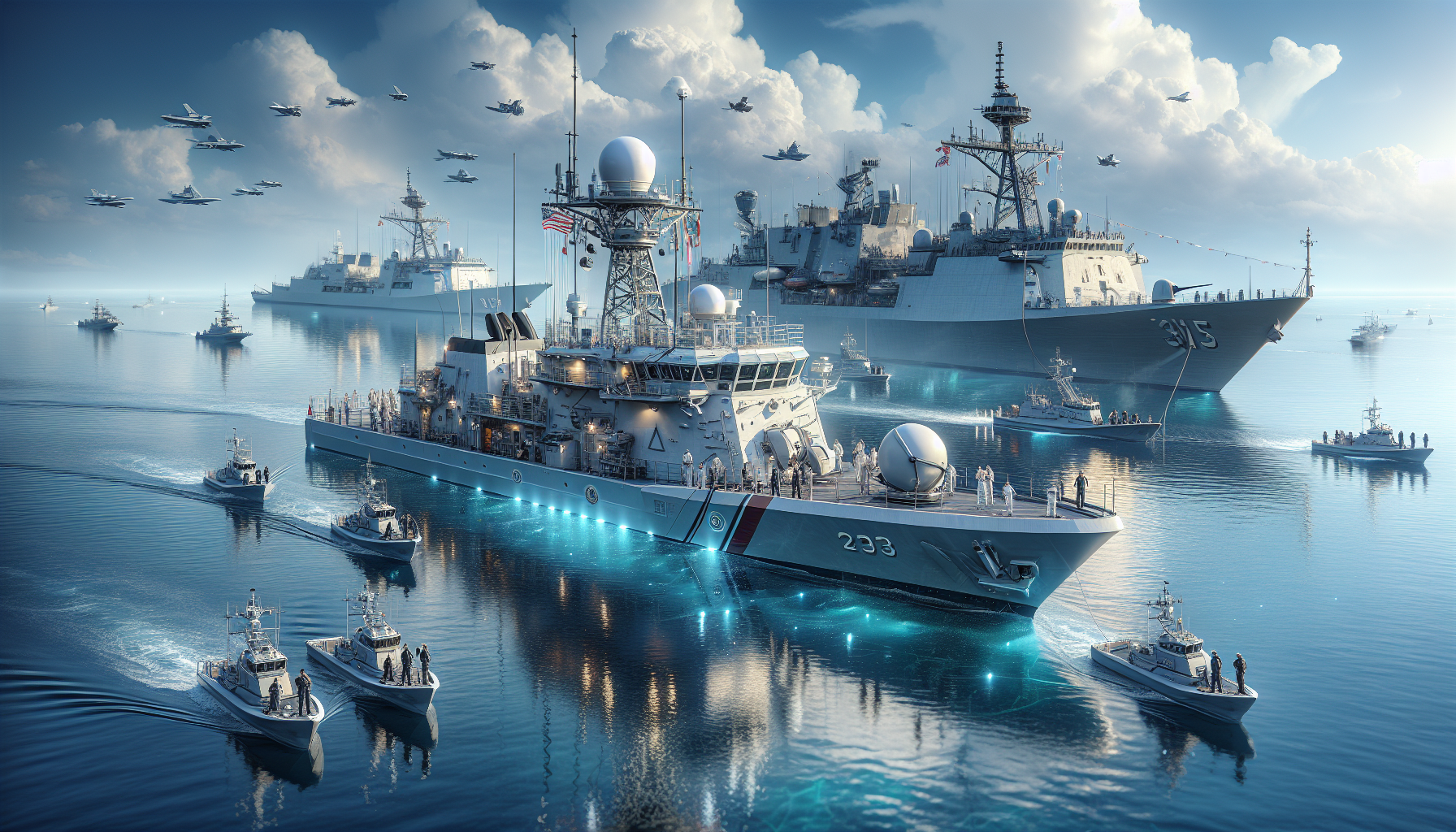
The Navy’s decision to adopt the Legend-class cutter as its next frigate marks a significant shift in naval strategy following the cancellation of the Constellation-class program. This move, while unconventional, could reflect a broader approach to addressing modern maritime challenges. The integration of a Coast Guard cutter into the Navy’s operational framework could enhance versatility and operational readiness.
This article will explore the implications of utilizing the Legend-class cutter, examining its capabilities and potential benefits to naval operations. By analyzing this development, you will gain insights into how such a decision may redefine asset deployment and response to evolving security demands in maritime environments.

Overview of the Navy’s Decision
Background on the Constellation-class frigate cancellation
In a significant shift in naval policy, you find the cancellation of the Constellation-class frigate program to be a pivotal moment that reflects broader challenges in military procurement and strategic realignment. Initially conceived as a modern combat vessel to address multi-domain threats, the Constellation-class faced various development and budgetary hurdles. You may recognize that the economic considerations, alongside operational exigencies, ultimately compelled the Navy to reevaluate its approach to frigate construction. The decision was not merely a budgetary one but a reconfiguration of naval strategy responding to evolving maritime security concerns.
Rationale behind selecting a Coast Guard cutter
Opting for the Legend-class cutter, a vessel originally devised for the U.S. Coast Guard, suggests a burgeoning recognition of interagency capabilities within maritime operations. You should consider that this decision stems from an understanding that the changing nature of maritime threats requires a more versatile and adaptable fleet. The cutter’s design incorporates a fleet of existing capabilities that align with contemporary operational needs, such as enhanced surveillance, drug interdiction, and humanitarian operations, all of which are critical facets of modern naval engagements.
Comparison of Navy and Coast Guard missions
A thorough analysis reveals that while the U.S. Navy and the Coast Guard share the broad objective of maintaining maritime security, their missions diverge significantly. The Navy primarily focuses on military readiness and power projection through combat operations globally. In contrast, the Coast Guard emphasizes law enforcement, search and rescue, and environmental protection within domestic waters and nearshore environments. You can discern that by selecting a Coast Guard cutter, the Navy seeks to capitalize on the dual-use capabilities of the vessel, thereby creating a more robust maritime presence that intertwines national security with community-oriented missions.
Legend-class Cutter Specifications
Key design features of the Legend-class
The Legend-class cutter, known officially as the National Security Cutter (NSC), boasts several features that enhance its operational effectiveness. Its design integrates advanced technology, including a composite mast for improved radar and communication capabilities, a flight deck accommodating rotary-wing aircraft, and a robust hull architecture that enhances durability in rough sea conditions. You may note the emphasis on modularity in design, allowing for mission-specific configurations that accommodate everything from anti-drug operations to complex search and rescue missions.
Capabilities of the cutter
Equipped with sophisticated weaponry and sensors, the Legend-class cutter can execute a range of maritime missions effectively. These vessels are armed with a 57mm deck gun and a variety of smaller arms, making them suitably equipped for defensive and offensive operations against potential threats. Their advanced command, control, and communication systems provide situational awareness that is critical for deterrence and inter-agency cooperation. As you explore the operational capabilities further, you will find that their onboard systems allow for intelligent data processing, enabling real-time decision-making during missions.
Operational range and endurance
When considering endurance and operational range, the Legend-class cutter stands out with the ability to conduct extended maritime operations thanks to its design and fuel efficiency. With a range of approximately 12,000 nautical miles and the capacity to remain at sea for up to 60 days without resupply, these cutters can effectively operate in remote areas of the ocean, extending U.S. influence and operational reach. You can appreciate that such capabilities are essential for enforcing maritime law and responding to emerging threats in a timely manner.
Strategic Implications of the Decision
Impact on the Navy’s operational capabilities
Transitioning to a Coast Guard cutter signifies a transformative moment for the Navy, suggesting a paradigmatic shift away from traditional platforms towards adaptable vessels that meet diverse operational needs. This decision potentially enhances the Navy’s ability to operate in joint environments, leveraging the Coast Guard’s extensive experience in law enforcement and humanitarian efforts. You may find that this adaptability can lead to greater operational efficiency, enabling the Navy to respond more dynamically to fluctuating threat landscapes.
Potential enhancements in joint operations with the Coast Guard
With the integration of the Legend-class cutter, the Navy may experience improved synergy in joint operations with the Coast Guard. By utilizing an asset familiar to both services, the likelihood of successful collaboration in joint missions increases. As you examine historical trends, you will note that inter-service cooperation has often been hampered by incompatible equipment. The Legend-class cutter, therefore, acts as a bridge between the two services, nurturing a collaborative culture that can effectively address challenges ranging from drug trafficking to environmental disasters.
Long-term strategic vision for naval warfare
You may observe that this pivot towards utilizing Coast Guard assets aligns with a broader strategic vision in which the lines between military and civilian maritime operations increasingly blur. The Navy’s adoption of the Legend-class cutter not only acknowledges the changing nature of threats but also marks a long-term commitment to a more integrated naval strategy that emphasizes versatility and cooperation. The implications extend into maritime security policies, signaling a future where flexibility, resilience, and interagency collaboration play pivotal roles in deterring adversaries.
Capabilities of Coast Guard Cutters
Roles and missions of the Legend-class cutters
The Legend-class cutters are designed to undertake a myriad of roles, ranging from search and rescue operations to complex maritime law enforcement. You will see that their capabilities enable them to conduct deep water missions, performing drug interdiction, fisheries enforcement, and icebreaking in polar regions. These roles reflect a nuanced understanding of maritime operational needs, highlighting the cutters as multi-mission platforms capable of adapting to various threats and challenges as they arise.
Technological advancements incorporated
You are likely to appreciate the cutting-edge technologies incorporated into the Legend-class design, including advanced radar systems, electronic warfare capabilities, and sophisticated communication networks. These systems ensure that the crew can maintain situational awareness and execute operations with a high degree of precision and safety. Additionally, the vessel is outfitted with enhanced navigation systems that allow for effective operation in confined waters, further extending its utility in diverse operational theaters.
Advantages of utilizing modified Coast Guard assets in the Navy
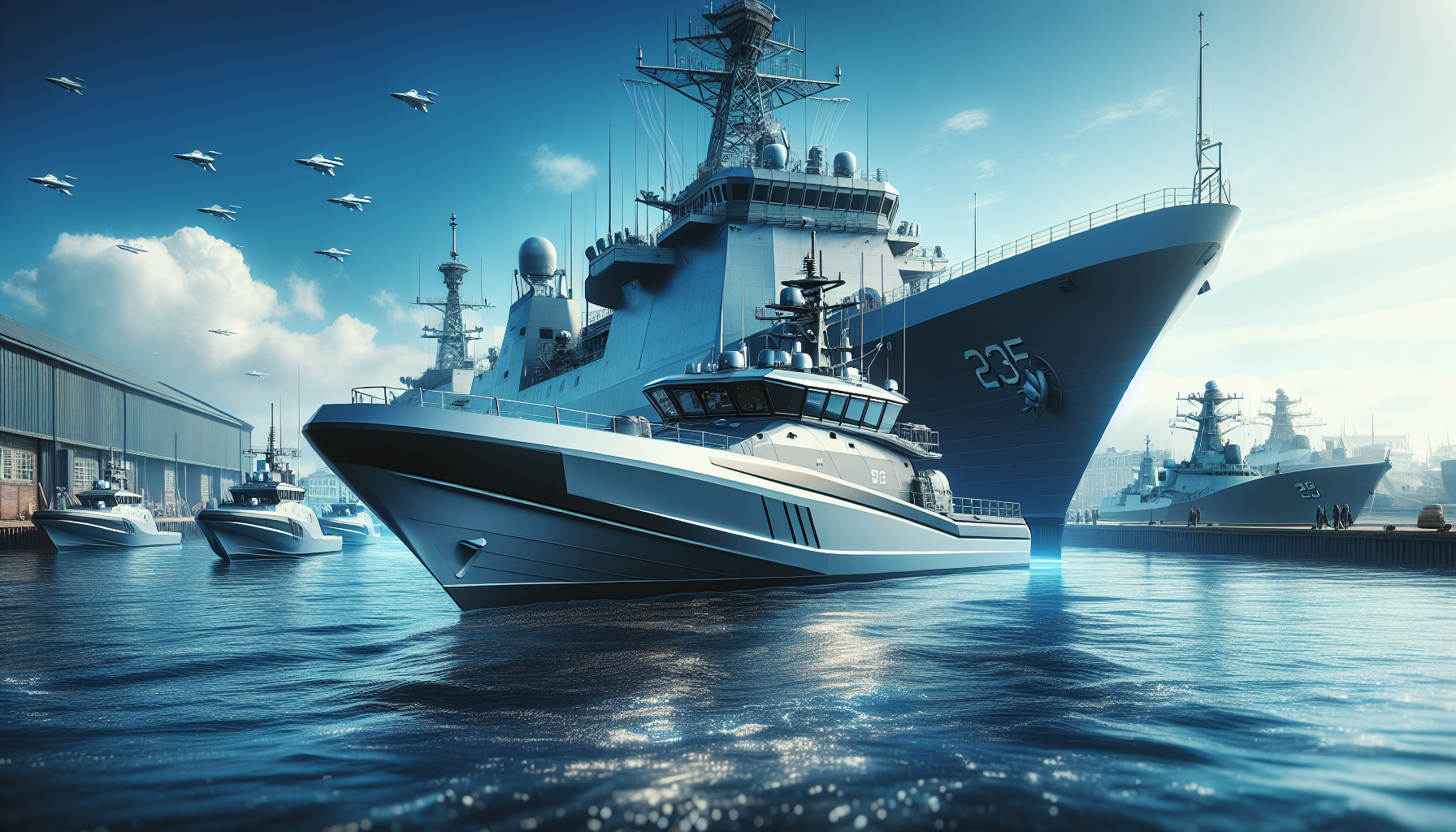
The decision to use a modified Coast Guard cutter offers tangible advantages. The existing infrastructure, crew training, and operational experience associated with these vessels can facilitate a smoother transition than potentially starting from scratch with new designs. As you consider the fiscal and strategic implications, the operational cost savings associated with utilizing established designs alongside enhanced inter-agency cooperation likely represent a prudent path forward for the Navy, maximizing the effectiveness of limited resources in a fiscally constrained environment.
Transition Challenges
Integrating Coast Guard systems into Navy operations
Integrating Coast Guard systems into Navy operations will present its own set of challenges. You need to consider the differing operational cultures and procedural protocols between the two organizations, which require a comprehensive strategy to ensure compatibility in command and control systems. The fusion of these systems necessitates diligent planning, extensive testing, and a commitment to training to guarantee seamless interoperability during joint missions.
Training requirements for Navy personnel
Training Navy personnel to effectively operate and manage the Legend-class cutters will be vital for ensuring mission success. You would find that this includes both technical training on the specific systems and a broader educational emphasis on the Coast Guard’s operational doctrines. By investing in careful training programs, the Navy can foster a culture of skill among its personnel that enhances proficiency and operational readiness in maritime contexts.
Logistical considerations for maintenance and support
Logistical considerations will emerge as the transition unfolds, especially regarding the maintenance and support of the Legend-class cutters. Establishing supply chains that accommodate the unique needs of Coast Guard vessels within the Navy’s existing maintenance frameworks will necessitate careful logistical planning. As you explore this dimension, you can discern that both organizations will benefit from a shared approach to logistics, enhancing operational efficiency and reducing downtime.
Cost Considerations
Budget implications of transitioning to a Coast Guard cutter
The budget implications of transitioning to a Coast Guard cutter are multifaceted, intertwined with a pressing need for efficient resource allocation in a complex fiscal landscape. You could note that utilizing an existing design such as the Legend-class may result in lower initial costs compared to conventional frigates, but evaluating the total lifecycle cost will be crucial in assessing economic viability. The lessons learned from previous procurement efforts underscore the importance of cost-effectiveness in achieving strategic objectives.
Cost-benefit analysis compared to traditional frigate construction
In performing a cost-benefit analysis of transitioning to the Legend-class cutter versus traditional frigate construction, you can find significant advantages. The immediate savings in development time, reduced R&D costs, and minimized risks associated with established designs enhance operational viability. As you consider future budget allocations, it becomes clear that investing in capabilities that are already proven can yield returns that align with the Navy’s strategic aims.
Potential for cost overruns and savings
You must remain vigilant regarding the potential for cost overruns that can plague military procurement processes. Historical precedents suggest that even well-conceived projects can encounter budgetary challenges, necessitating a disciplined financial oversight mechanism. Alternately, implementing the Legend-class cutter presents an opportunity for savings through established operational practices, potentially allowing the Navy to divert resources toward other critical needs within the defense budget.
Reactions from the Defense Community
Industry experts’ opinions on the decision
Reactions from industry experts regarding the Navy’s decision to adopt the Legend-class cutter showcase a spectrum of opinions ranging from cautious optimism to skepticism. You will find some experts lauding the innovative approach as a necessary step towards modernization and adaptability in naval operations. Conversely, skeptics may question the long-term implications of employing a vessel not designed for the unique combat needs of the Navy, raising concerns over whether this decision optimally addresses emerging threats.
Responses from military analysts
Military analysts have provided insights into the strategic dimensions of this decision, acknowledging that it reflects a broader trend within defense circles to prioritize flexibility and multi-mission operational imperatives. You could discern that many analysts advocate for this shift as a response to the realities of modern warfare, emphasizing that strategic adaptability is essential in an era marked by unpredictable threats from state and non-state actors.
Public perception and media coverage
Finally, public perception and media coverage of the decision highlight a critical tension between innovation and tradition in defense. While many citizens and defense watchers understand the rationale behind the shift towards a more integrated maritime force, there is also apprehension regarding the implications for naval readiness and response capabilities. As you delve into these perspectives, it becomes apparent that ongoing communication and engagement with the public will be crucial for maintaining confidence in this strategic pivot.
Future of Naval Frigate Design
The shift towards multimission vessels
The transition towards multimission vessels like the Legend-class cutter signals a defining shift in naval frigate design philosophy. You may recognize this evolution as a natural response to the complexities inherent in contemporary maritime security. As threats rapidly evolve, there is a growing necessity for vessels to fulfill multiple roles adaptable to changing operational environments, underscoring the importance of versatility in future naval design.
Lessons learned from the Navy’s recent choices
Analyzing the lessons learned from the Navy’s recent decisions reveals a growing emphasis on adaptability and mission flexibility over sheer firepower and specialization. You might glean that the past experiences with costly, specialized programs have led to a realization that future naval engagements require a diversified fleet capable of addressing a variety of challenges effectively. The adaptability of these vessels to multiple mission profiles will likely shape future naval design priorities.
Predictions for future naval shipbuilding priorities
As you consider predictions for future naval shipbuilding priorities, you will find that the integration of multi-role functions will likely become standard practice. Additionally, there may be an increased focus on technological integration, sustainability, and enhanced establish collaborations with other agencies to streamline operations. These evolving priorities will be shaped by the recognition of the interconnectedness of maritime security in an increasingly complex global landscape.
Interagency Cooperation between the Navy and Coast Guard
Historical context of interagency operations
The historical context of interagency operations reveals a rich tapestry of collaboration between the Navy and Coast Guard that has always underscored the necessity of a unified approach to maritime security. Over decades, you have witnessed numerous joint missions, illustrating how diverse capabilities converge to enhance America’s maritime security posture. This history of interagency cooperation provides a foundation for future partnerships that can address emerging challenges.
Case studies of joint missions
You can draw upon various case studies of joint missions that illustrate the efficacy of interagency cooperation. From drug interdiction missions to hurricane response operations, these examples emphasize the complementary strengths of the two services. The synergy of Navy assets and Coast Guard expertise often proves crucial in addressing multifaceted maritime challenges, reinforcing the need for continued collaboration in operations that transcend traditional service boundaries.
Advantages of collaboration in maritime security
The advantages of collaboration in maritime security are multifaceted, leading to optimized resource use and a more comprehensive understanding of threats. By merging capabilities, both the Navy and the Coast Guard can offer a more agile response to maritime crises, reinforcing domestic security while projecting power abroad. As you contemplate the harmonious balance between these two forces, it becomes clear that creating a unified maritime strategy serves to protect national interests while fostering a culture of cooperation.
Conclusion
Summary of key points discussed
In summary, the decision to transition to the Legend-class cutter reflects a profound strategic shift for the U.S. Navy, intertwining the operational capabilities of the Coast Guard with traditional naval missions. The advantages of adopting this multimission vessel encompass not only the cost benefits associated with existing designs but also the enhanced effectiveness of joint operations. By recognizing the evolving nature of maritime threats, the Navy is reshaping its fleet to be more adaptable and prepared for the complexities of modern naval warfare.
Reflections on the future of naval fleet development
As you reflect on the future of naval fleet development, it becomes evident that the emphasis on adaptability, collaboration, and innovative design will persist as guiding principles. The Navy’s recent choice to merge Coast Guard capabilities into its operations signifies a broader trend towards integrated maritime strategies that respond to the various dimensions of modern warfare.
Final thoughts on the adaptability of maritime forces
Ultimately, the adaptability of maritime forces will remain vital in navigating an ever-evolving security landscape. Through the lens of this expansion in operational capabilities, you can appreciate that the United States is reaffirming its commitment to maintain a dominant maritime presence, emphasizing the crucial role of agility and cooperation in facing the multifarious challenges that lie ahead.