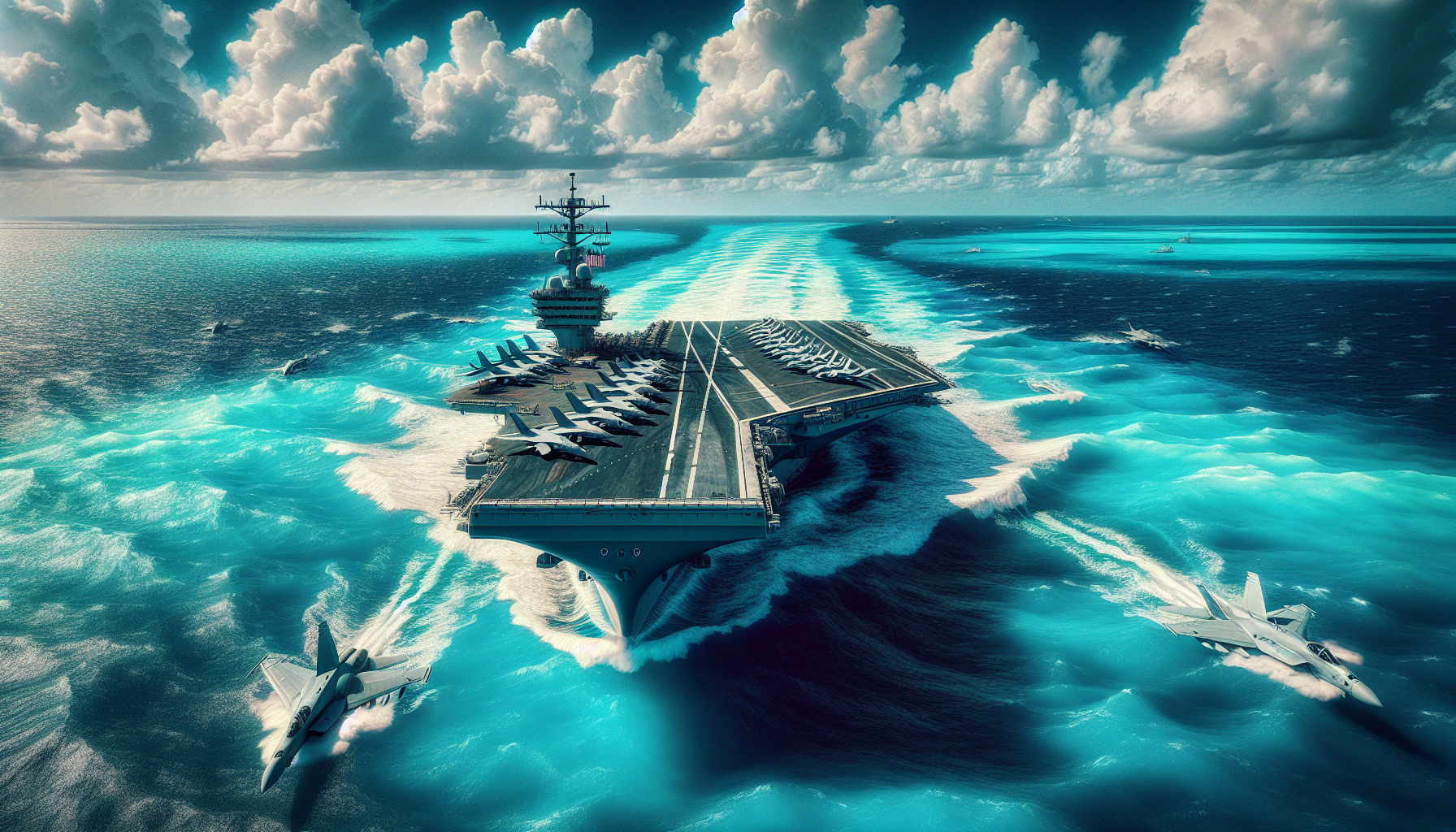
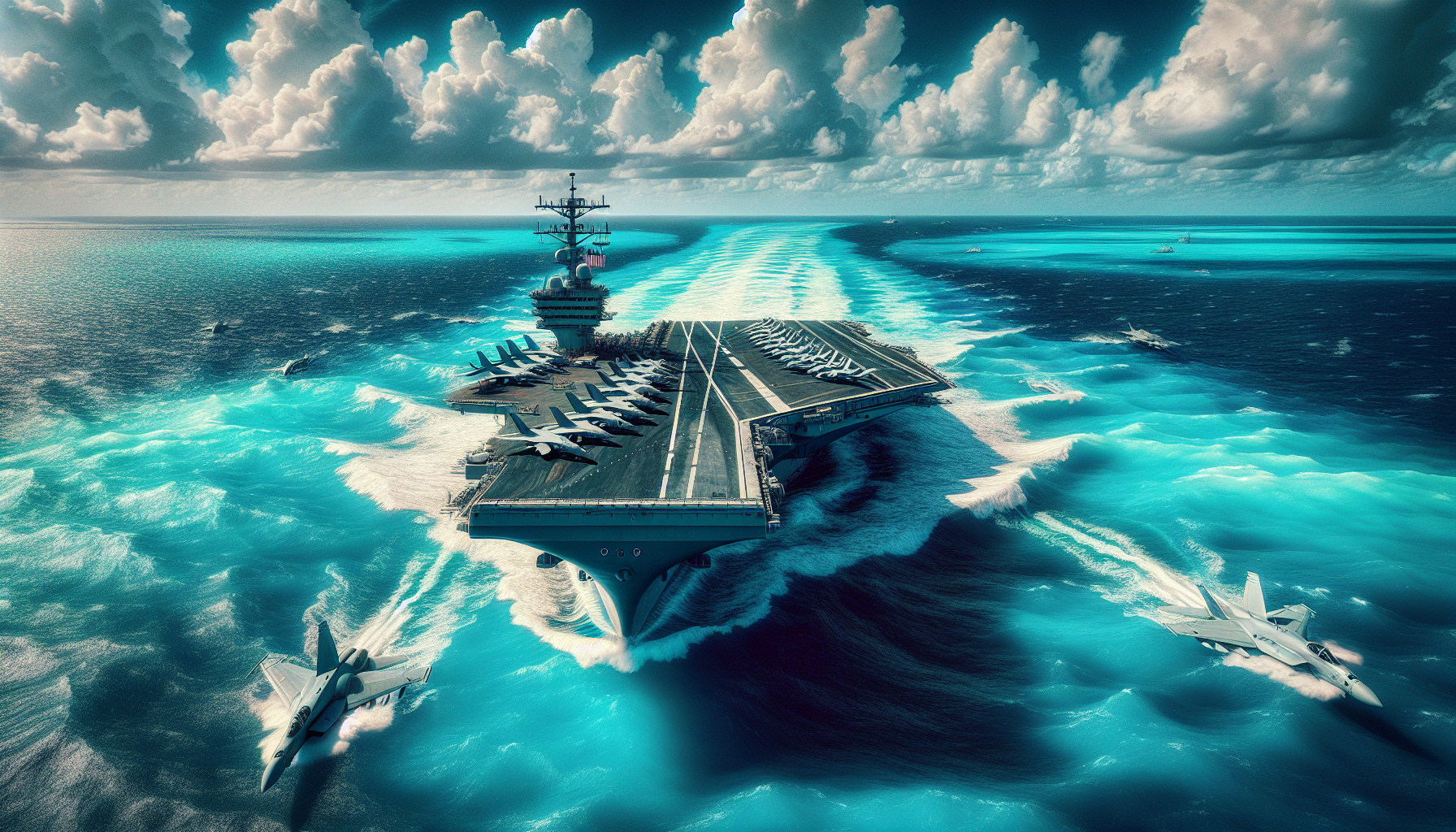
The deployment of the USS Gerald R. Ford in the Caribbean marks a significant moment for naval operations, reflecting the vessel’s sophisticated capabilities and strategic importance. This aircraft carrier is equipped with advanced technology and weaponry, designed to project power and deter potential threats in the region. However, with such firepower comes inherent risks, necessitating a careful analysis of its operational capacities and potential challenges.
This article will explore the multifaceted roles that the USS Gerald R. Ford can assume while stationed in the Caribbean. A focus on its advanced systems, strategic implications, and the geopolitical landscape will provide insights into how this formidable naval asset can influence both regional stability and U.S. interests abroad. A comprehensive understanding of the carrier’s functions underscores the balance between power and risk in modern maritime operations.

Overview of USS Gerald R. Ford
Introduction to the USS Gerald R. Ford
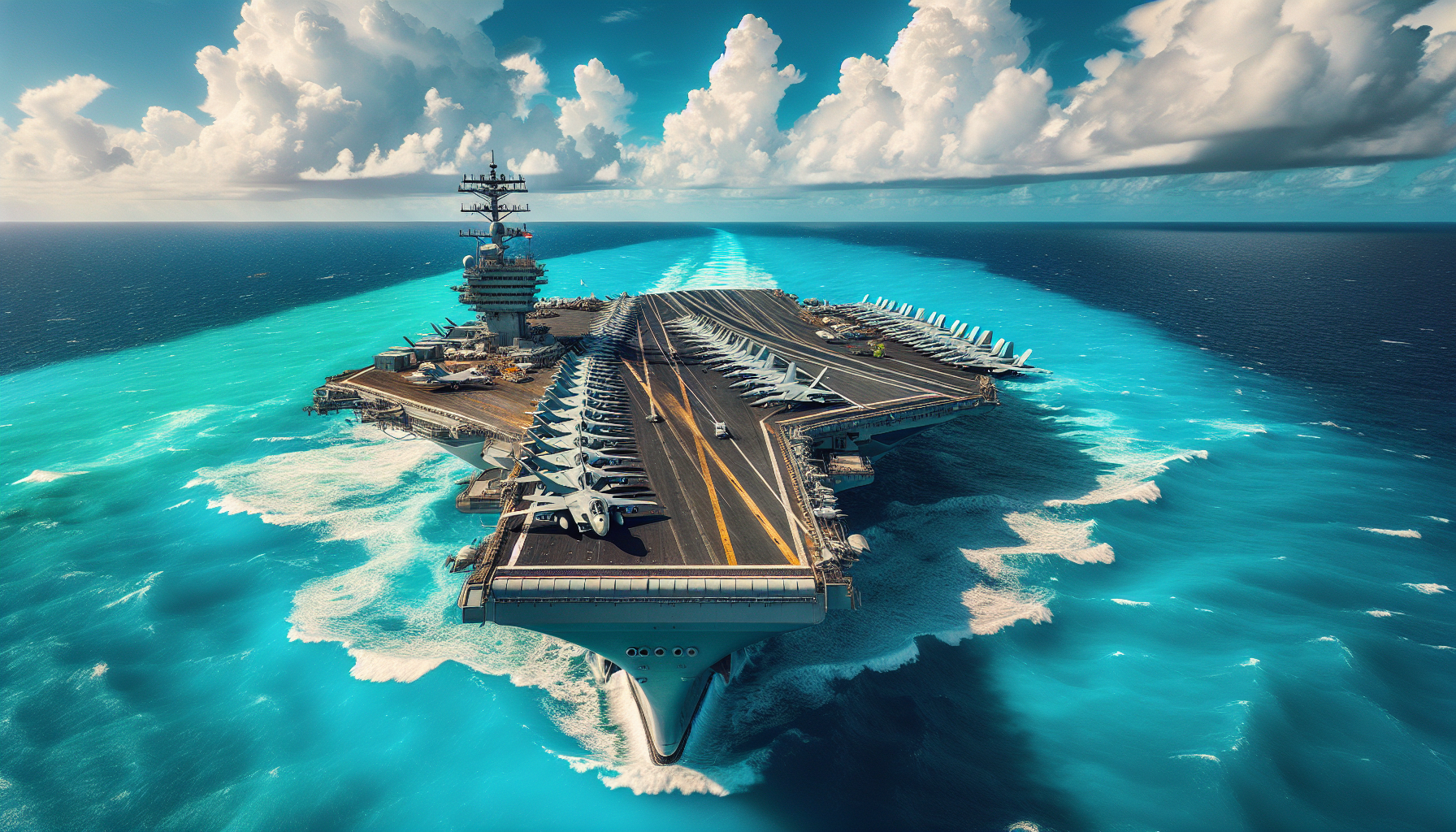
The USS Gerald R. Ford (CVN-78) stands as a testament to contemporary naval engineering, embodying the United States Navy’s pursuit of advanced capabilities in maritime superiority. As the lead ship of the Ford-class aircraft carriers, it offers unprecedented operational flexibility and lethality, integrating cutting-edge technology and enhanced warfare systems. Commissioned on July 22, 2017, and named after the 38th President of the United States, Gerald R. Ford, this supercarrier has rapidly established itself as a pivotal asset in U.S. naval operations, especially as it recently situates itself in the Caribbean.
Historical context and commissioning
The commissioning of the USS Gerald R. Ford marked a significant milestone in naval history, heralding a new era of aircraft carrier design and functionality. It follows a lineage of naval vessels that have shaped the course of maritime warfare. The need for modernized carriers arose from the evolving global threats and the diversification of military operations since the end of the Cold War. Featuring improvements over its Nimitz-class predecessors, the USS Gerald R. Ford incorporates advancements such as electromagnetic catapults and advanced radar systems that enhance operational capabilities and efficiency. Its commissioning was a critical response to the challenges of contemporary geopolitics, symbolizing a commitment to maintaining maritime dominance.
Significance of the Ford-class carriers
The Ford-class carriers signify a shift in maritime strategy. Designed to operate joint missions with various branches of the U.S. Armed Forces, these carriers improve combat readiness, mission sustainability, and efficiency in carrier-based operations. With each unit intended to serve for more than 50 years, the Ford-class carriers represent a long-term investment in U.S. naval power. Their enhancements allow for a higher sortie rate, increased aircraft capacity, and improved survivability, addressing both peer and near-peer threats in a multipolar world where naval engagement is increasingly prevalent.
Deployment in the Caribbean
Strategic importance of the Caribbean region
The Caribbean region, characterized by its geopolitical complexity and strategic waterways, plays a critical role in U.S. maritime strategy. With its proximity to major shipping lanes and its influence on the economic stability of the Americas, it serves as a critical area for U.S. political, economic, and military interests. Furthermore, the Caribbean is a frontline in deterring illicit activities such as drug trafficking and human smuggling, aligning closely with national security objectives. The deployment of the USS Gerald R. Ford in this region underscores the commitment of the United States to maintain a presence that not only safeguards regional stability but also enhances collaborative partnerships with neighboring countries.
Timeline of the current deployment
In early 2023, the USS Gerald R. Ford commenced its operational deployment to the Caribbean, part of a broader strategy to reinforce U.S. maritime presence in response to emerging threats. This timeline established a framework for continuous naval engagement in various capacities, including strategic deterrence and humanitarian assistance. As part of a task force, the carrier supports ongoing missions which reflect both flexibly adaptive and responsive military strategies to the evolving geopolitical landscape.
Operational goals during deployment
The operational goals during the USS Gerald R. Ford’s deployment in the Caribbean involve multifaceted objectives. These include demonstrating U.S. naval power, conducting joint exercises with allied forces, and engaging in cooperative security initiatives with Caribbean nations to address regional challenges. Additionally, the carrier aims to provide prompt humanitarian relief in the wake of natural disasters, fortifying both regional resilience and diplomatic ties. This comprehensive approach emphasizes operational readiness while navigating delicate international relationships amidst the dynamic realities of military deployment.
Capabilities of the USS Gerald R. Ford
Technological advancements
The USS Gerald R. Ford showcases a suite of technological advancements that redefine naval warfare. Chief among these is the Advanced Arresting Gear (AAG) and Electromagnetic Aircraft Launch System (EMALS), replacing conventional systems with more efficient, reliable, and maintainable technologies. This allows for a greater range of aircraft operations, significantly increasing the ship’s operational tempo and enhancing sortie rates. Additionally, the ship is equipped with advanced radar and communication systems that integrate surveillance, targeting, and mission execution into a cohesive operational picture, facilitating rapid response to threats.
Level of firepower and defense systems
The USS Gerald R. Ford is armed with an impressive array of firepower, capable of projecting force across vast distances. The ship carries a variety of strike aircraft, including F/A-18 Super Hornets and the next-generation F-35 Lightning II, enabling precision strikes against land and maritime targets. The carrier also integrates a robust defensive capability, featuring the Aegis Combat System, which consists of advanced missile defense systems designed to protect the carrier and its accompanying fleet from aerial threats. This comprehensive firepower and defense system elevates the Ford’s status as a linchpin in U.S. naval strategy, providing a potent deterrent to adversaries.
Aircraft and drones on board
The capacity of the USS Gerald R. Ford to launch and recover a diverse array of aircraft and drones amplifies its operational versatility. With the ability to host over 75 aircraft, including fixed-wing, rotary, and unmanned aerial systems, the carrier serves as a mobile airbase capable of executing a variety of missions. Drones, in particular, play a significant role in enhancing reconnaissance, surveillance, and targeting capabilities, providing real-time information on evolving threats and operational environments. This integration of manned and unmanned systems exemplifies the transformative future of naval operations.
Role in Maritime Security
Deterrence against potential threats
The presence of the USS Gerald R. Ford in the Caribbean serves as a critical deterrent against potential threats to U.S. interests and regional stability. By projecting naval power, the carrier underscores the commitment of the United States to defend its allies and deter adversaries. This deterrent posture is vital in an era marked by rising tensions among state and non-state actors, safeguarding maritime trade, and showcasing a readiness to respond decisively to threats. The USS Gerald R. Ford’s capabilities enable it to adapt rapidly to various security scenarios, reinforcing U.S. influence in the region.
Supporting allies and partners in the region
The deployment of the USS Gerald R. Ford facilitates an avenue for strengthening partnerships with Caribbean nations through collaborative security efforts. By engaging in joint exercises, training, and information-sharing initiatives, the carrier enhances the military capabilities of regional allies, fostering a collective security framework. This approach not only supports the defense readiness of partner nations but also promotes stability that aligns with U.S. foreign policy goals while addressing shared challenges such as drug trafficking and human trafficking.
Anti-piracy and anti-drug operations
In addition to its deterrent role, the USS Gerald R. Ford actively contributes to anti-piracy and anti-drug operations in the Caribbean, tackling immediate threats to maritime security. Through its advanced surveillance and operational capabilities, the carrier can monitor high-risk areas, enabling effective interception of nefarious activities. Such operations bolster regional security and demonstrate the resolve of the United States to counteract challenges that undermine sovereignty and stability in the region.
Humanitarian Assistance and Disaster Relief
Preparedness for natural disasters
The USS Gerald R. Ford’s deployment is strategically aligned with preparedness for natural disasters, a prevalent challenge in the Caribbean. Armed with medical facilities, resources, and expert personnel, the carrier provides immediate support during humanitarian crises, demonstrating the U.S. commitment to assist affected nations. This proactive posture is vital given the region’s vulnerability to hurricanes and other natural disasters, where swift maritime response can significantly alleviate suffering and restore stability.
Previous missions in humanitarian efforts
The USS Gerald R. Ford’s notable history includes previous missions where it has effectively executed humanitarian assistance and disaster relief operations. For instance, in response to natural disasters in the Caribbean, the carrier has deployed medical teams, transportation resources, and critical supplies, underscoring its capabilities beyond traditional military roles. These missions foster goodwill and strengthen bilateral relations, serving as a tangible demonstration of American humanitarian values while reinforcing the readiness of its military assets to respond.
Collaboration with government agencies and NGOs
Collaboration with governmental and non-governmental organizations plays a pivotal role in enhancing the effectiveness of the USS Gerald R. Ford’s humanitarian missions. By partnering with agencies such as the U.S. Agency for International Development (USAID) and various NGOs, the carrier ensures a comprehensive approach to disaster response. These partnerships facilitate better resource distribution and coordinated efforts between military, governmental, and civilian organizations, reinforcing the commitment to sustainable development and humanitarian response in the region.
Training and Readiness
Training exercises with other military branches
Training exercises with other branches of the U.S. military are integral to enhancing the operational readiness of the USS Gerald R. Ford. These exercises foster interoperability and synergy across services, enabling coordinated responses to various military and humanitarian scenarios. Joint training events emphasize integrated tactics, techniques, and procedures, critical for ensuring that all branches can work seamlessly during complex missions. This commitment to readiness reflects an understanding of the multifaceted nature of modern military engagements.
Enhancing readiness of personnel
Upholding the readiness of personnel stationed aboard the USS Gerald R. Ford is a paramount focus of its operations. Continuous training regimens and realistic simulations ensure that sailors are well-prepared to execute their roles effectively. By emphasizing proficiency in various combat and operational scenarios, the carrier cultivates a high level of operational competence that is essential for maintaining the Navy’s standards of excellence. This preparedness directly contributes to a mission-capable force capable of responding to any emerging challenges in the region.
Assessment of tactical operations
The assessment of tactical operations conducted aboard the USS Gerald R. Ford is a critical component of ongoing evaluation and improvement. After each mission and training exercise, comprehensive debriefs allow the naval leadership to analyze performance, identify areas for enhancement, and make necessary adjustments. This iterative process ensures an evolving understanding of tactical objectives and operational realities, fostering an adaptable and ready naval force capable of responding effectively in myriad circumstances.
Challenges Faced
Geopolitical tensions in the region
The deployment of the USS Gerald R. Ford occurs against the backdrop of geopolitical tensions that shape the Caribbean landscape. Regional power dynamics, including the influence of China and Russia in Latin America, pose strategic challenges that must be navigated carefully. The presence of the carrier both reinforces U.S. interests but also invites scrutiny and potential provocations from rival powers. Balancing engagement with the need for a deterrent posture requires astute diplomacy and careful monitoring of regional developments.
Operational risks and limitations
While the capabilities of the USS Gerald R. Ford are formidable, operational risks and limitations persist amid deployment in the Caribbean. These challenges include unpredictable weather patterns that can affect operations and the presence of asymmetric threats such as maritime piracy. Operational flexibility must constantly be weighed against these risks, dictating the necessary adjustments to mission planning. Acknowledging and preparing for these limitations is essential in ensuring that U.S. naval operations remain effective and resilient in an uncertain environment.
Environmental factors affecting deployment
Environmental factors play a significant role in shaping the operational landscape for the USS Gerald R. Ford. The Caribbean’s tropical climate presents challenges, from severe storms to logistical obstacles in remote areas. These factors necessitate agile planning and adaptability in mission execution, ensuring the carrier can operate effectively in adverse conditions. Navigating environmental unpredictability remains a crucial aspect of ensuring the success of maritime operations while safeguarding the safety of personnel and assets.
Impact on Regional Relations
Influence on U.S.-Latin America relations
The deployment of the USS Gerald R. Ford has profound implications for U.S.-Latin America relations. By establishing a visible and active presence in the Caribbean, the United States reinforces its commitment to regional allies and partners. This move can strengthen diplomatic ties, emphasizing security cooperation and shared interests while offering support for combating transnational threats. However, the carrier’s presence must be managed carefully to avoid tensions with nations that perceive U.S. military activities as encroachment on sovereignty.
Reactions from regional powers
Reactions from regional powers to the USS Gerald R. Ford’s deployment vary, reflecting different national interests and geopolitical aspirations. While some nations may perceive the carrier as a stabilizing force that enhances regional security, others may view it as a provocative signal of U.S. dominance. Understanding these varied responses is essential for U.S. policymakers seeking to navigate complex relationships and promote constructive dialogue among regional actors to foster a cooperative security environment.
Soft power implications of the deployment
The soft power implications of the USS Gerald R. Ford’s deployment in the Caribbean are multifaceted. By facilitating humanitarian assistance and engaging in collaborative exercises, the carrier serves as a symbol of U.S. values and leadership. This engagement fosters goodwill and cultivates positive relationships with local populations, reinforcing the notion that military presence can contribute positively to societal welfare. Such initiatives enhance U.S. credibility and influence, allowing for a more profound engagement that transcends traditional military diplomacy.
Future Operations and Expected Outcomes
Planned missions beyond the Caribbean
Looking ahead, the USS Gerald R. Ford’s operational scope is expected to expand beyond the Caribbean, encompassing missions that reinforce U.S. strategic interests in the Atlantic and beyond. As global threats evolve, the carrier will likely play a pivotal role in countering emerging challenges, aiding allies, and maintaining maritime security across diverse theaters of operation. Strategic flexibility and readiness will be central to adapting to this future landscape, ensuring that the carrier remains a vital instrument of U.S. naval power.
Long-term strategy for the USS Gerald R. Ford
The long-term strategy for the USS Gerald R. Ford encapsulates comprehensive goals that express a forward-thinking vision for naval warfare. By integrating advancements in technology, maintaining a readiness for varied operational scenarios, and engaging in cooperative defense efforts, the carrier is positioned to influence the trajectory of U.S. naval strategy for years to come. Key focus areas will include deterrence, interoperability with allied forces, and maintaining sustained maritime presence in critical regions across the globe.
Potential impact on U.S. naval strategy
The deployment of the USS Gerald R. Ford is poised to have significant implications for U.S. naval strategy. By setting new benchmarks in operational capabilities and flexibility, the carrier helps shape the Navy’s overall approach to contemporary challenges. It serves as a prototype for future carriers, driving innovation and development within the fleet. As the landscape of global conflict evolves, the lessons learned from the USS Gerald R. Ford’s missions will likely inform future strategy, priorities, and resource allocation in a naval environment characterized by dynamic challenges.
Conclusion
Summary of USS Gerald R. Ford’s capabilities
In summary, the USS Gerald R. Ford represents a paradigm shift in naval warfare, showcasing advanced technological capabilities, formidable firepower, and operational versatility. It serves as a powerful deterrent to threats and as a platform for humanitarian missions, reflecting the multifaceted role of modern naval forces. Its deployment in the Caribbean underscores the strategic importance of the region and the U.S. commitment to maintaining maritime security.
Final thoughts on its role in the Caribbean
The role of the USS Gerald R. Ford in the Caribbean is consequential, transcending mere military presence to establish a foothold for diplomatic engagement, humanitarian assistance, and regional security collaboration. Its operations highlight the necessity of a robust U.S. naval presence in addressing emerging challenges in an increasingly complex geopolitical environment, reinforcing the notion that maritime power remains central to U.S. global interests.
Looking ahead to future deployments and missions
As the USS Gerald R. Ford approaches future deployments and missions, it will undoubtedly continue to shape the landscape of naval strategy and operations. Embracing collaboration, innovation, and flexibility, the carrier will play a crucial part in navigating the unpredictable waters of 21st-century maritime security, ensuring the United States remains poised to respond effectively to both cooperative endeavors and emerging threats. The evolution of this monumental vessel will undoubtedly shape the future of naval power for years to come, standing as a robust ally in the quest for worldwide security and stability.