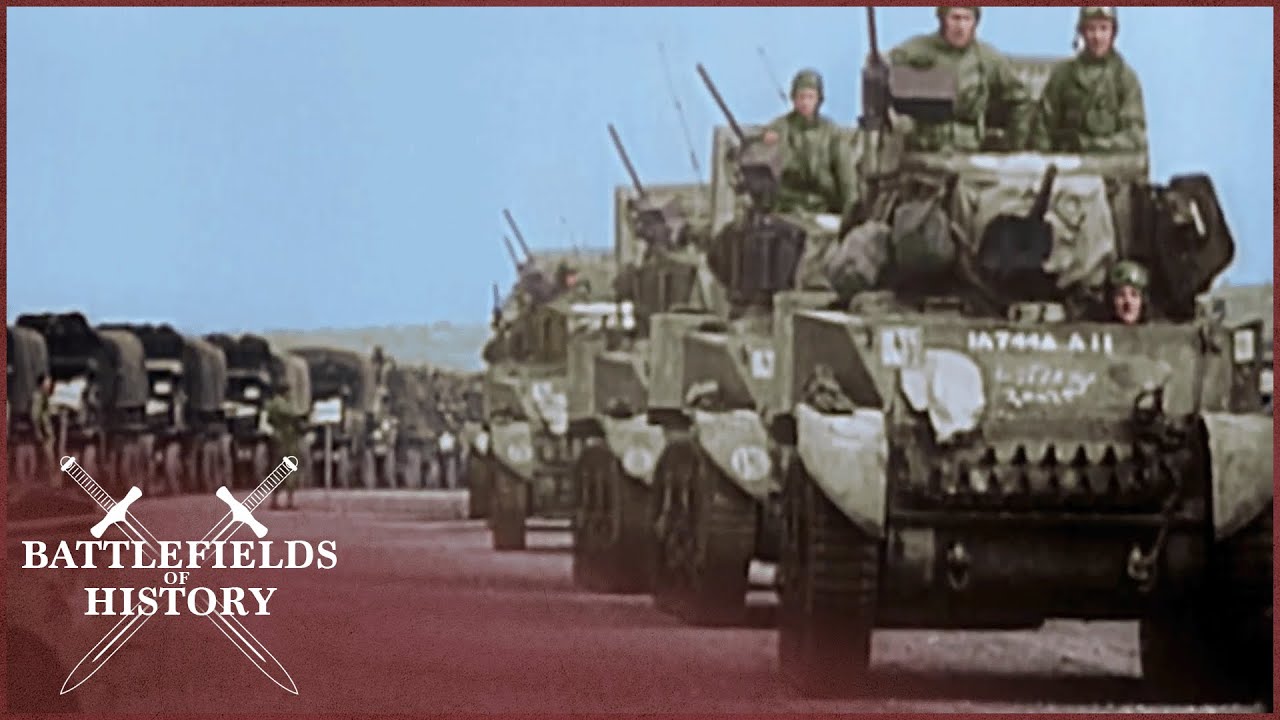
In June 1944, the critical strategic operation known as Operation Overlord unfolded along a pivotal 50-mile stretch of the Normandy coastline. This article examines the meticulously planned military campaign that ultimately led to the liberation of Western Europe, analyzing the lessons drawn from previous engagements such as the Dieppe Raid and the subsequent collapse of German defenses. By exploring the intricate details of this operation, insights into military strategy, leadership, and the dynamics of wartime decision-making emerge.
The discussion will trace the evolution of plans leading to D-Day and highlight the coordination required among Allied forces. Additionally, the article will not only illuminate the tactics that shaped the confrontation but also reflect on the broader implications for international relations and military history. Such an examination offers a deeper appreciation of the resilience and ingenuity that defined this monumental undertaking.
Historical Context of Operation Overlord
The Role of WWII in Shaping Military Strategies
World War II fundamentally reshaped military strategies, catalyzing a shift towards combined arms warfare and joint operations. Traditional notions of warfare, which often emphasized single-service dominance, were transcended as nations recognized the necessity of integrating land, air, and naval forces. This realization became even more pronounced in the wake of the early failures and successes of the war, setting the stage for innovative operational concepts. You might observe that these strategies were characterized by a reliance on decentralized command structures, enabling swift decision-making and adaptability in the face of fluid combat situations.
Events Leading Up to D-Day
In the years leading up to D-Day, a series of pivotal events unfolded, influencing the planning and execution of Operation Overlord. The Allies’ initial attempts to gain a foothold in Europe through operations like Torch, Anvil, and Husky illustrated both the challenges and the opportunities presented by the European theater. These experiences not only revealed the complexities of logistics and coordination but also underscored the vital necessity of intelligence. Major incidents, such as the Battle of Stalingrad and the Allied air campaigns, served to erode Axis capabilities and morale, creating a scenario where a large-scale invasion of Western Europe could finally be contemplated.
The Significance of the Normandy Landings
The Normandy landings, often referred to as D-Day, marked a critical turning point in World War II. Not only did it establish a significant Allied presence in Western Europe, but it also catalyzed the liberation of occupied territories and the eventual downfall of Nazi Germany. You can recognize that the successful execution of the landings validated the years of planning, intelligence gathering, and deception efforts that underpinned Operation Overlord. The implications were far-reaching, reshaping the geopolitical landscape of post-war Europe and setting the stage for the Cold War.
Lessons from Previous Operations
Analysis of the Dieppe Raid
The 1942 Dieppe Raid stands as a cautionary tale, offering important lessons for planners of Operation Overlord. Originally conceived as an attempt to test German defenses and gather intelligence, the operation was marred by inadequate preparation and a lack of air superiority. The lessons learned from this failed assault on the French coast would eventually inform Allied commanders about the necessary elements for a successful amphibious invasion, including the importance of thorough reconnaissance, air support, and the element of surprise.
Successes and Failures: What Was Learned
From Dieppe, you can derive critical insights into operational planning—particularly the need for comprehensive logistical support and robust intelligence capabilities. The raid’s failures prompted a re-evaluation of assault priorities, emphasizing the necessity for overwhelming force and effective coordination across land and naval assets. Successes, such as those observed in North Africa, also highlighted the impact of effective command structures and the importance of adaptability in dynamic combat environments.
Influence of Allied Operations in North Africa
Allied operations in North Africa provided a fertile testing ground for strategies that would later be applied to Operation Overlord. The successes achieved during the campaigns in Libya and Tunisia helped establish a foundation for a more coordinated Allied approach. You might note that these experiences underlined the significance of air superiority and the integration of armored divisions, elements that would become crucial in the Normandy invasions.
Allied Command Structure
Leadership Roles of Key Figures
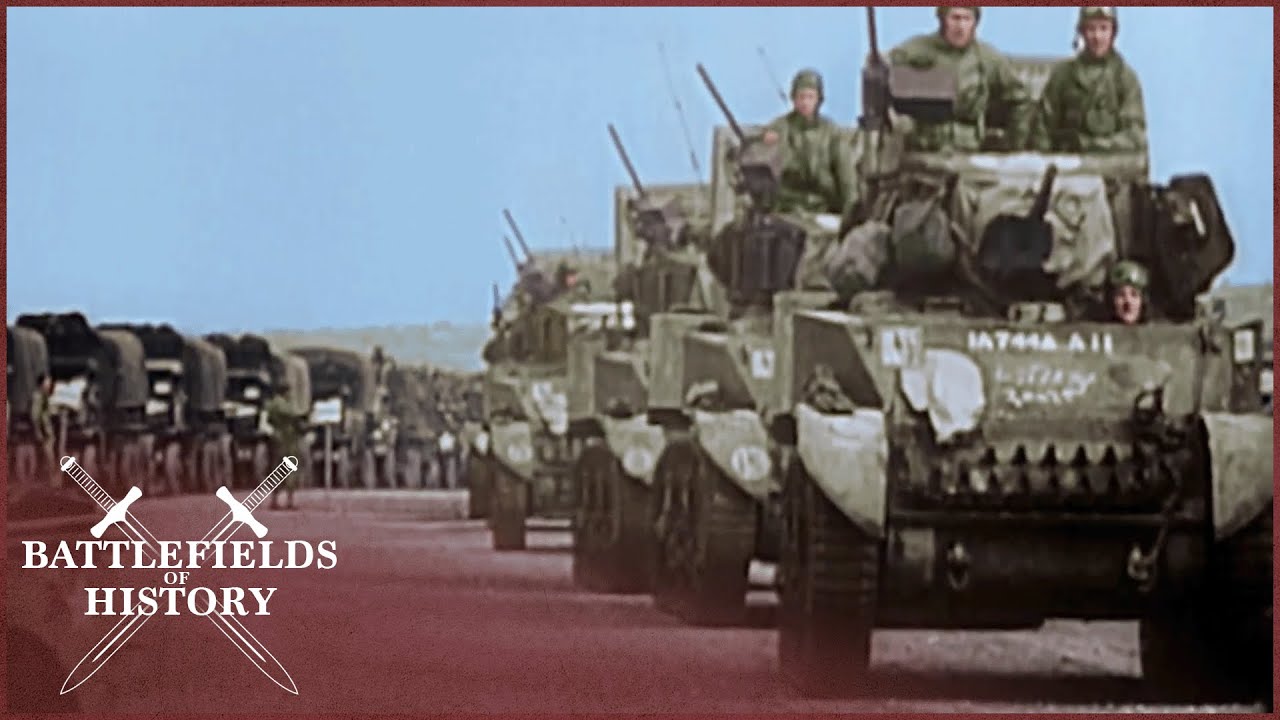
The success of Operation Overlord can be attributed in large part to the effective leadership exhibited by key figures within the Allied command structure. Individuals such as General Dwight D. Eisenhower, the Supreme Commander of the Allied Expeditionary Force, and Field Marshal Bernard Montgomery played instrumental roles in orchestrating the complexity of the invasion. They were supported by a cadre of experienced leaders from the United States, United Kingdom, Canada, and other Allied nations, ensuring that the operation was imbued with diverse perspectives and expertise.
Collaboration Among Allied Forces
The collaborative spirit that existed amongst the Allied forces was a hallmark of Operation Overlord’s planning and execution. Each nation contributed unique resources and capabilities, facilitating a pooling of military assets that maximized operational effectiveness. You may discern that this collaboration extended beyond mere military coordination to include diplomatic efforts and joint training exercises, creating a shared ethos that was fundamental in overcoming the challenges posed by a multi-national endeavor.
Strategic Decisions Made by Commanders
As a commander, you would be deeply aware of the gravity of decisions made during planning sessions. Strategic choices concerning the allocation of forces, the selection of landing sites, and the deployment of naval and air support were made with careful consideration of historical precedents and projected contingencies. The integration of lessons learned from earlier operations shaped these decisions, ensuring that both operational integrity and tactical flexibility remained at the forefront of the command agenda.
Intelligence and Deception Plans
Role of Operation Fortitude
The success of Operation Overlord was significantly bolstered by Operation Fortitude, an elaborate deception plan designed to mislead German forces regarding Allied intentions. Fortitude effectively generated a facade of plausible threats to other locations, including Pas de Calais, thereby diverting German resources and attention away from Normandy. Your understanding of this operation illustrates the intricate dance of warfare, where misinformation proved just as valuable as direct military engagement.
Use of Misinformation to Mislead the Axis
You might find it fascinating that the Allies employed multiple layers of misinformation to influence German strategy and decision-making. This included fake radio transmissions, the fabrication of a fictitious army group, and the strategic use of double agents. Such meticulous planning exemplified a recognition that the psychological component of warfare could be leveraged to gain a decisive advantage long before the first shots were fired on D-Day.
Significant Intelligence Achievements
The collection and dissemination of intelligence leading up to D-Day were crucial in informing command decisions. Successful reconnaissance missions, aerial photos, and intercepted communications contributed to a more nuanced understanding of German defenses along the Normandy coast. These achievements in intelligence gathering not only informed direct tactical decisions but also bolstered the Allies’ confidence in their plans and timelines.

Logistical Planning
Preparation of Landing Crafts and Equipment
The logistical undertaking involved in Operation Overlord was monumental, requiring unprecedented preparation of landing crafts and equipment. You may recognize that landing ships, such as the Higgins boats, were customized to facilitate the rapid disembarkation of troops and equipment. This orchestration of resources was pivotal in ensuring that the invasion occurred smoothly and that soldiers faced minimal delays while storming the beaches.
Supply Chain Strategies and Challenges
In an operation of this scale, effective supply chain management was critical. The Allies devised strategies that allowed for rapid replenishment of ammunition, food, and medical supplies to support troops engaged on the front lines. However, challenges, such as maintaining secure supply routes under possible enemy fire and ensuring the timely arrival of reinforcements, required continuous evaluation and adjustment as conditions on the ground changed.
Coordination of Troops and Resources
The successful coordination of innumerable troops and resources during Operation Overlord tested the limits of military planning. Commanders were tasked with the complex job of aligning land, air, and naval assets to facilitate a seamless invasion. It was essential that communications were clear and rapid to mitigate the chaos that often accompanies such large-scale operations, and your understanding of this aspect highlights the importance of efficient command hierarchies and clear lines of authority.
Weather Considerations
The Impact of Meteorological Factors
Meteorological factors played a critical role in the execution of Operation Overlord. June 1944 presented variable weather conditions, which impacted visibility and operational readiness. You should note that the commanders had to grapple with the unpredictable nature of the weather, leading to intense deliberations on whether to proceed with the invasion as originally scheduled.
Delay Caused by Weather Patterns
Initially slated for June 5, 1944, the invasion was postponed by a day due to unfavorable weather conditions. This delay underscored the realities of undertaking amphibious operations, where weather directly impacts both strategic planning and troop efficacy. You may appreciate how the decision to wait for a brief window of good weather highlights the tension between strategic imperatives and operational realities in military decision-making.
Final Decisions Based on Weather Reports
Ultimately, the final decision to execute the invasion on June 6 was informed by detailed meteorological reports. Commanders acted upon the narrow window of opportunity, characterized by a brief improvement in weather conditions. This decision exemplified not only the complexity of the operational environment but also the crucial role that weather forecasting and analysis played in determining the timing of military actions.
Execution of the Invasion
Phases of the Assault on June 6, 1944
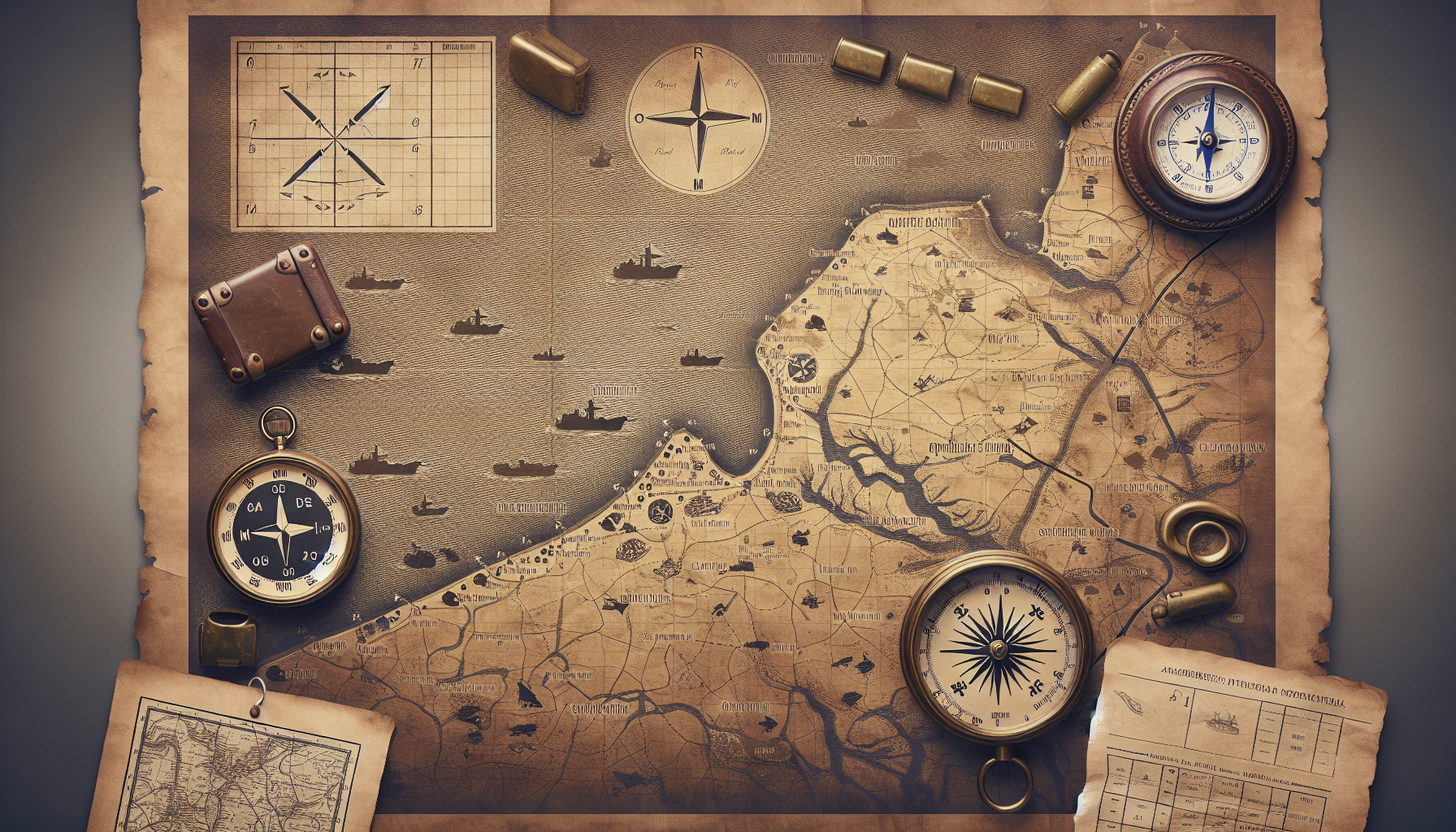
On June 6, 1944, the operation commenced in a meticulously planned series of phases that began with pre-dawn aerial bombardments followed by paratrooper landings behind enemy lines and the main amphibious assault on the beaches. You can discern how each phase was critical in ensuring the establishment of control and the securing of vital positions along the Normandy coast.
Land, Sea, and Air Operations in Coordination
The success of D-Day was largely reliant on the synchronized coordination of land, sea, and air operations. Naval bombardments softened up enemy defenses while aircraft flew cover and took out key targets along the coast. Ground troops, buoyed by extensive preparatory work and air support, faced daunting challenges as they landed under fire. Understanding this interconnected dynamic illustrates the complexities of modern warfare and the necessity of joint operations.
Initial Outcomes and Obstacles Faced
Despite the meticulous planning, initial outcomes on the ground were fraught with challenges. Troops faced fierce resistance, and heavy casualties were sustained during the early hours of the landings. However, perseverance and tactical adaptability allowed Allied forces to gradually secure the beachheads. You may reflect on how these early setbacks served to highlight the unpredictability of warfare and prompted immediate adjustments to tactics on the ground.
Technology and Innovations
The Role of Technology in the Invasion
Technology played a pivotal role in the execution of Operation Overlord, with advancements in military equipment and communication systems significantly influencing the invasion. The use of specialized landing crafts and tanks demonstrated how innovation could modify traditional tactics. You should see how these technologies contributed to both offensive efficiencies and the preservation of lives during the assault.
Advancements in Military Equipment
Specific technological advancements, such as the development of the “Hobart’s Funnies”—specialized armored vehicles designed to cross obstacles such as walls and beaches—exemplified the ingenuity of Allied engineers. These innovations highlighted the critical nature of adaptable technology in overcoming the environmental and tactical barriers of warfare. Your understanding of these advancements emphasizes the importance of continuous innovation in military strategy.
Communication Systems Used During D-Day
Effective communication systems were vital for coordination during Operation Overlord. The introduction of advanced radio technologies allowed for rapid relay of information between commanders and troops on the ground. However, the inherent challenges posed by the chaotic battlefield environment necessitated redundancy and fallback systems to ensure operational continuity. You can recognize the transformative role that sound communication protocols played in achieving strategic objectives.
Post-D-Day Strategies
Follow-Up Operations After the Landings
Following the successful landings at Normandy, the Allies quickly initiated follow-up operations to consolidate their gains and maintain momentum. The rapid capture of key towns such as Caen was imperative for securing supply lines and establishing a defensive perimeter. Your appreciation of these tactics reinforces the principle of pursuing operational objectives aggressively even in the wake of initial success.
Establishment of Beachheads
The successful establishment of beachheads was a critical strategic objective that allowed Allied forces to bring in reinforcements and supplies. This meant that securing the five landing areas—Utah, Omaha, Gold, Juno, and Sword—was of paramount importance. Each beachhead was meticulously fortified, ensuring that the initial lodgment on the continent could be expanded safely. Your understanding of this phase highlights the necessity of sustained logistical support in maintaining operational success.
Plans for the Liberation of France
In the weeks and months following D-Day, plans for the liberation of France unfolded in earnest. Allied forces sought to push further inland, culminating in the liberation of Paris and the eventual retreat of German forces from France. This strategic objective called for relentless military pressure, coupled with an appreciation for local resistance movements, which played a significant role in undermining German control. You may find the blending of military and political strategies particularly insightful in understanding the complexities of this liberation effort.
Conclusion
Summary of Strategic Importance of D-Day
In summary, the significance of D-Day manifests not only through its immediate military outcomes but also in its enduring impact on the course of World War II and the shaping of post-war Europe. The success of Operation Overlord underscored the importance of thorough planning, collaborative execution, and innovative strategies in achieving strategic objectives.
Reflection on the Operational Planning Behind Overlord
The operational planning that underpinned Overlord showcases a rich tapestry of lessons drawn from past experiences, including earlier missteps in warfare. The focus on intelligence, deception, logistics, and coordination genuinely highlights how lessons learned from past conflicts were meticulously integrated into Allied strategy.
Continuing Relevance of These Lessons in Modern Warfare
Finally, the lessons derived from D-Day retain significant relevance in the modern context of warfare. Your engagement with these historical complexities emphasizes the importance of adaptability, technological innovation, and strategic collaboration in ensuring success in contemporary military operations. These principles resonate deeply, providing insights applicable not only to military strategy but also to broader organizational and leadership challenges faced in diverse fields today.