
Mao Zedong’s death at the age of 82 marked a significant turning point in the trajectory of China, which had known his leadership for decades. As the nation grappled with his absence, a week-long period of national mourning enveloped the country, during which daily activities came to a halt. This remarkable event not only encapsulated the intricacies of revolutionary mythology but also illuminated the profound emotional connection citizens had with their leader, as demonstrated by the vast number of mourners paying their respects in Beijing’s Great Hall of the People.
The aftermath of Mao’s passing prompted urgent questions regarding the future of political leadership, public policy, and national legitimacy. While state rhetoric urged citizens to honor his legacy and maintain the revolutionary spirit, the transition from a strong cult of personality to more institutionalized governance became apparent. This period of reflection and mourning ultimately served as a critical juncture for China’s evolving political landscape, paving the way for a new era of leadership in a rapidly transforming nation.
Mao Zedong: A Revolutionary Icon

Early Life and Rise to Power
Mao Zedong’s origins can be traced back to the rural province of Hunan, where he was born in 1893 into a peasant family. His early years were characterized by a strict education that emphasized Confucian values, which would later clash with the revolutionary ideals he would espouse. Mao’s formative years were steeped in a blend of traditional Chinese culture and the emergent currents of modernity, including exposure to the ideas of Marxism and Leninism. By the time he co-founded the Chinese Communist Party (CCP) in 1921, Mao had already cultivated a vision for a radically transformed China, one that would break free from imperial and feudal shackles. His rise to power was marked by both military acumen and ideological fervor, culminating in the CCP’s eventual victory over the Nationalist Kuomintang in 1949. This moment not only marked the establishment of the People’s Republic of China but also catapulted Mao into the limelight as the country’s paramount leader, representing the culmination of revolutionary promises made to the populace.
Mao’s Philosophy and the Cultural Revolution
Central to Mao’s political ideology was the concept of continuous revolution, which he articulated in the context of a society that he believed had not yet fully grasped the tenets of socialism. This perspective reached its zenith during the Cultural Revolution (1966-1976), a chaotic period wherein Mao sought to purify the party and instill a renewed revolutionary fervor among the masses. The movement aimed at eradicating the “Four Olds” (old customs, old culture, old habits, and old ideas), resulting in widespread social upheaval and a significant reorientation of Chinese society. During this time, you might observe how personal loyalty to Mao eclipsed traditional social structures, creating a cult of personality that positioned him as not just a political leader but a cultural icon. The ramifications of the Cultural Revolution were profound and costly, dismantling long-standing institutions and leading to a cultural and intellectual dark age, the consequences of which would linger well into the decades that followed.
Impact on China’s Identity and International Position
Mao’s impact on China’s identity cannot be overstated. Under his leadership, China transformed from a fragmented and war-torn nation into a unified state asserting itself on the global stage. Mao wielded the revolutionary narrative as a tool for not only internal cohesion but also external diplomacy, especially during the Cold War era. You would notice that the ideological symbolism of Maoism attracted the attention of various anti-imperialist movements around the world, positioning China as a formidable actor in international relations. Furthermore, Mao’s domestic policies, despite often yielding disastrous economic consequences, instilled a sense of national pride and identity. However, the rapid shifts in policy often led to periods of disillusionment among the populace, sowing seeds of conflict within the framework of his overarching ideology.
Circumstances Leading to Mao’s Death
Health Deterioration and Medical History
As Mao aged, his health visibly declined, marked by chronic heart and lung issues that had plagued him for several years. This deterioration was compounded by the immense pressure of leadership during a fraught political landscape, characterized by both party infighting and the consequences of his past policies. You would find it poignant that a leader who once embodied vitality and revolutionary zeal was reduced to a frail figure, trapped within his own declining body, a stark representation of the complexities surrounding his legacy. Mao’s death at 82 in September 1976 marked the end of an era, leaving the nation in a state of uncertainty regarding its ideological and political future.
Political Climate at the Time of Death
At the time of Mao’s death, tensions within the Communist Party were palpable. The Gang of Four, a political faction led by Mao’s widow, Jiang Qing, sought to maintain the revolutionary fervor that characterized Mao’s leadership. However, dissenting voices within the party began to push for reforms and a departure from the radical policies that had brought so much turmoil during the Cultural Revolution. You could sense that Mao’s passing was not merely the loss of a leader but the potential dismantling of an ideological apparatus that had defined Chinese politics for decades. The vacuum left by his absence raised fears of a power struggle, setting the stage for intense internal debates on the direction of the nation.
Public Sentiment Leading to the Event
In the days leading up to Mao’s death, the country was cloaked in a mix of reverence and apprehension. Millions revered him as a liberator and the architect of modern China, while others harbored resentment over the consequences of his policies. This duality in public sentiment underscored the complex relationship between the Chinese people and their leader. When the news of Mao’s death was announced, it reverberated through every corner of society, eliciting a profound grief that transcended personal loss; it symbolized the end of an era defined by chaos, transformation, and extreme faith in a singular vision.
National Mourning: A Week of Grief
State Declared Mourning Period
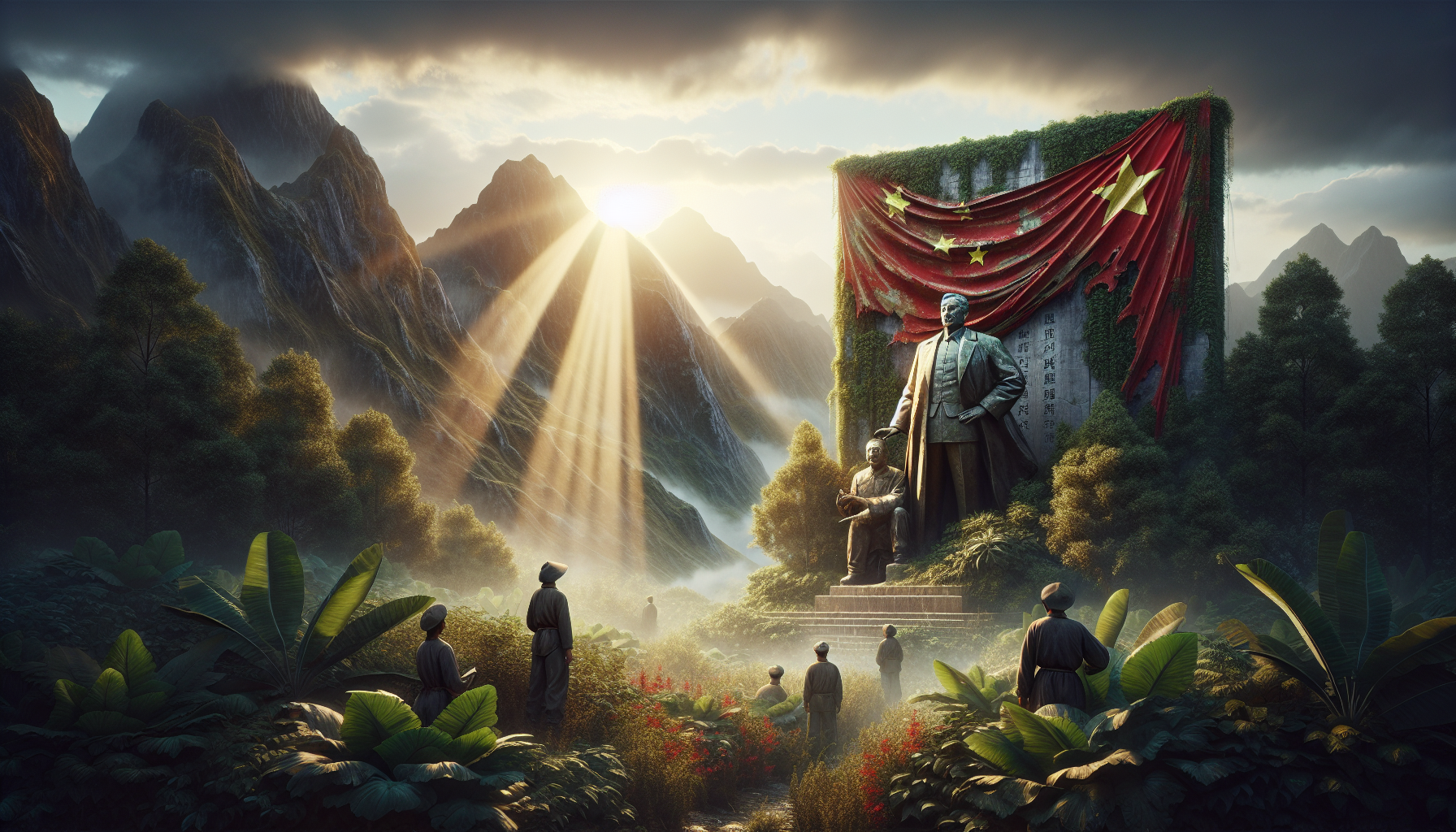
The Chinese government quickly declared a week of national mourning following Mao’s death, intending to channel collective grief into a palpable expression of unity and loyalty. This mourning period was more than a traditional gesture; it was a calculated political maneuver aimed at reinforcing Mao’s legacy while simultaneously preserving party authority amidst the uncertain terrain of leadership succession. You could observe the streets, once vibrantly chaotic, transformed into solemn pathways of remembrance as schools, factories, and government institutions ground to a halt.
Public Participation in Mourning Activities
In cities and rural areas alike, public participation in mourning activities reflected the depth of Mao’s ingrained influence. Millions converged in solemn festivities that included memorial gatherings, candlelight vigils, and the laying of wreaths at Mao’s portrait. This collective participation served as both a tribute to Mao and a platform for citizens to process grief on a national scale. You would find streets lined with mourners, echoing the themes of loyalty and dedication cemented through decades of propaganda. In a nation still navigating post-revolutionary terrain, these public displays offered both solace and a sense of shared destiny.
Symbolism of the Great Hall and Memorial Services
The Great Hall of the People, a monument to the state and its power, became a focal point for the week of mourning. Here, Mao’s body lay in state, surrounded by flowers and the somber ambiance of collective sorrow. You might visualize lines of citizens spanning for blocks eternally flowing past a coffin draped in the national flag, a potent reminder of the person who had shaped modern China. As state officials delivered eulogies, the resonating message was clear: while Mao’s individual presence may have waned, the revolutionary spirit he embodied remained a vital force within Chinese society.
Immediate Political Reactions
State Leadership Responses
In the wake of Mao’s death, the state leadership sought to consolidate power swiftly. The immediate narrative crafted by officials framed Mao’s passing as a national tragedy, one that demanded a continuation of his revolutionary ideals. You might notice how leaders, including members of the Gang of Four, stepped into the limelight, advocating for the legacy of the “Great Helmsman.” This was a calculated effort to prevent an ideological schism or a challenge to the party’s authority, ensuring that the revolutionary values Mao championed would persist, albeit under new interpretations.
Public Figures and Their Statements
Public figures across various societal sectors issued statements echoing sentiments of loss and continued commitment to Mao’s vision. You would find that artists, writers, and intellectuals expressed their grief through poignant tributes, while officials rallied cries of loyalty during what could be interpreted as orchestrated events of mourning. The duality of honoring a revered leader while contemplating the depth of ideological complexity marked these expressions, as each faction sought to align itself with the prevailing narrative of Mao’s continuing significance.
Internal Party Debate Over Mao’s Legacy
Beneath the surface of mourning, an internal debate within the Communist Party began to brew. While some factions sought to uphold Mao’s legacy unconditionally, others were increasingly inclined to critique aspects of his policies, particularly those that had led to chaos during the Cultural Revolution. You may note that discussions surrounding reform began to surface, hinting at a potential ideological fracture within the party. This discourse was not merely about mourning but also about navigating the complexities of political authenticity, legacy, and the future direction of the Communist Party.
Impacts on the Chinese Communist Party
Voids in Leadership Structures
Mao’s death left a significant void in the leadership structures of the Communist Party, which had relied heavily on his charisma and authority for unity. You might perceive that this absence introduced a level of ambiguity regarding succession, as factions within the party jostled for influence and control. The potential for power struggles became palpable, threatening the very fundamental narrative that had hitherto solidified Mao’s leadership. In the uncertain political climate, the party was compelled to rethink its strategies and governance, navigating a landscape defined by both historical deference and emergent calls for reform.
Shifts in Policy Direction
The week following Mao’s death served as a pivot point for policy direction within the Communist Party. You would notice how leaders recognized the pressing need to alleviate the burdens imposed by Mao’s radical policies, particularly those that destabilized the economy. This emerging inclination towards reform would later manifest itself in the policies of leaders like Deng Xiaoping, signaling a significant shift towards a pragmatic approach that balanced socialist ideals with economic prosperity. While the foundational tenets of Maoism remained ingrained in party rhetoric, the actual policy shifts suggested a departure from the rigidities of the past.
Emerging Factions and Power Struggles
As the political atmosphere evolved post-Mao, so did the emergence of various factions vying for influence. You can understand that these factions reflected differing ideologies and visions for China’s future, some steeped in traditional Maoist ideals, while others harbored more reformist approaches. The simmering tension identified the struggle for power and relevance, with leaders maneuvering to secure their positions, shaping both the direction of the Communist Party and the future of the nation itself.
The Cult of Personality and Its Aftermath
Mao’s Legacy in Politics and Culture
Mao’s death prompted an inevitable reassessment of his legacy, leaving both a rich tapestry of collective memory and a complex relationship with the nation he had forged. You would recognize that while his contributions to the establishment of the People’s Republic of China are often celebrated, the darker chapters of his rule have also begun to surface, creating a nuanced discourse around his place in history. The character of Chinese politics evolved, challenging the long-entrenched notion of a cult of personality that relentlessly enveloped Mao, ultimately leading to a redefinition of leadership that allowed for greater collective governance.
Transition from Individual Leadership to Collective Governance
In the aftermath of Mao’s death, the Communist Party began to transition from a sycophantic reverence for individual leadership to a more collegial governance structure. You would see how this shift aimed to avoid the pitfalls of an over-concentration of power in one individual, responding to both the need for stability and the aspirations of a populace eager for reform. This transition paved the way for collective leadership frameworks, a vital reconstitution ensuring greater checks and balances within the party, ultimately shaping a more adaptable political structure.
Implications for Future Leaders
The implications of Mao’s death resonated deeply within the consciousness of future leaders of the Communist Party. You might decipher that the legacy of unchecked power capable of veering into chaos created a cautionary tale for subsequent generations. Future leaders would forge their identity against the backdrop of Mao’s complicated legacy, striving to encapsulate revolutionary zeal while maintaining a societal commitment to reform and adaptability, aligning with the expectations of an evolving China.
Public Sentiment and Cultural Response
Expressions of Grief in Urban and Rural Areas
Public sentiment following Mao’s death illustrated the bifurcated identity of China—where urban centers often juxtaposed passionate loyalty with dissenting opinions. In urban areas, expressions of grief heavily relied on state-sanctioned narratives, whereas rural communities represented a complex interplay of loss with a longing for revolutionary ideals. You would encounter poignant memorials in villages, evoking a nostalgia for a leader who had promised liberation. This stark contrast served as a reminder of the multifaceted relationship between the citizenry and their leader, one fraught with contradictions yet underscored by collective memory.
Artistic Representations of Mourning
Artistic responses to Mao’s death reflected a society grappling with loss, nostalgia, and the ramifications of his legacy. You might find that painters, poets, and musicians took to their crafts, creating work that intricately depicted themes of loss, loyalty, and the quest for identity post-Mao. These expressions were not only forms of mourning but also vehicles for societal reflection, allowing individuals to engage in discourse surrounding the leader who had irrevocably altered the course of Chinese history.
Impact on National Psyche and Identity
The immediate aftermath of Mao’s death left an indelible mark on China’s national psyche. You would recognize a collective grappling with the enormity of his absence amidst the ongoing desire for a cohesive identity. As citizens processed grief, a critical interplay began to emerge between historical narratives that glorified Mao and those that sought to critique his legacy. This introspection would ultimately shape a more nuanced understanding of contemporary Chinese identity, one intertwined with revolutionary aspirations tempered by hard-learned lessons and a collective yearning for progress.
Global Reactions to Mao’s Death
International Leaders’ Condolences
Mao’s death elicited a range of international responses, reflecting the geopolitical implications of his leadership. World leaders, both allies and adversaries, issued statements of condolence while weighing the future of relations with a post-Mao China. You would observe that nations aligned with Mao’s revolutionary ideals expressed admiration, whereas those critical of his policies utilized the moment to reassess policies toward China. This complex matrix of reactions underscores the global significance of Mao’s legacy and the uncertainty surrounding his successors.
Media Coverage Around the World
Media coverage of Mao’s death served as a litmus test for international perceptions of China, echoing the complexities of his governance and the varying implications for the global order. You might note that reports oscillated between reverent tributes celebrating revolutionary achievements and critiques focused on the human cost of his policies. This dichotomy underscored the multifaceted legacy of a leader who left behind a divided legacy, shaping how the world understood China’s trajectory moving forward.
Implications for China’s Foreign Relations
The implications of Mao’s passing extended beyond mere condolences, as the event marked a crucial juncture in China’s foreign relations. You would recognize that the uncertainty surrounding Mao’s successors opened avenues for dialogue with former adversaries and partners alike, laying the groundwork for a recalibration of engagements steeped in dialogue rather than dogma. The transition towards a more pragmatic leadership paradigm began to signal to the world that while Mao’s legacy lingered, China’s foreign policy direction was poised for transformation.
Historical Reflection and Reevaluation
Scholarly Analysis of Mao’s Impact
In the years following Mao’s death, scholars engaged in a robust re-evaluation of his impact on China and beyond. You would see that a wealth of academic literature emerged, dissecting the multifaceted legacy of a leader whose life and policies illuminated both revolutionary zeal and profound tragedies. This scholarly engagement sought to untangle the complexities of Mao’s governance, scrutinizing ideologies while offering nuanced critiques that would shape future understandings of modern Chinese history.
Changing Narratives in Historical Context
As time has passed, narratives surrounding Mao have continued to evolve. You might observe that successive generations grapple with the romanticized visions of revolution while confronting the stark realities of societal upheaval. This continuity in narrative transformation reflects how collective memory evolves, influencing both individual perspectives and broader historical interpretations. The dialogues surrounding Mao signify not only memory’s elasticity but also the persistent quest for identity amid historical reassessment.
Critiques of Mao’s Policies and Governance
Mao’s policies, once glorified, underwent extensive critique in the wake of his death. Scholars and citizens alike began to reevaluate the consequences of his governance, with particular emphasis on the presidencies of policies that led to widespread famine, social upheaval, and cultural decay. You would notice that these critiques served as a catalyst for broader discussions on governance and policy-making in China, highlighting the need for a more adaptive approach that prioritizes pragmatic solutions over rigid ideology.
Conclusion
Summary of Mao’s Impact on China
Mao Zedong’s legacy is one of profound complexity, characterized by a blend of revolutionary zeal, fervent nationalism, and an unyielding quest for ideological purity. As you reflect on Mao’s impact, it becomes evident that his leadership transformed China to its very core, setting the stage for the emergence of a unique national identity characterized by both pride and critique. His passing initiated a crucial inflection point, one that allowed the nation to reexamine its relationship with its past while navigating the uncertainties of its future.
Reflection on Leadership and Legacy
In dissecting the layers of Mao’s legacy, it is paramount to approach discussions of leadership and governance with a critical lens. You would recognize that while Mao’s contributions reshaped the political landscape of China, the lessons gleaned from his tenure instill a need for a reflective and adaptable leadership framework that avoids the pitfalls of excessive concentration of power. The challenges faced by Chinese society in reconciling its revolutionary past with contemporary realities demand a nuanced understanding of leadership and the perpetual interplay between ideology and pragmatism.
The Path Forward for China Post-Mao
Ultimately, China’s path forward since Mao’s death is marked by both continuity and transformation. You might witness a society moving towards modernization while striving to honor its revolutionary roots, a delicate balancing act that will continue to define the trajectory of contemporary China. As new leaders emerge, they will navigate the complexities of modernization while grappling with the weight of Mao’s enduring legacy, striving to uphold the legitimacy of the Chinese Communist Party in an increasingly dynamic global landscape. The complexities of this ongoing journey will invariably shape the identity of China in the years to come, securing Mao’s place not only as an indelible figure of the past but as an ongoing reference point for a nation in flux.