
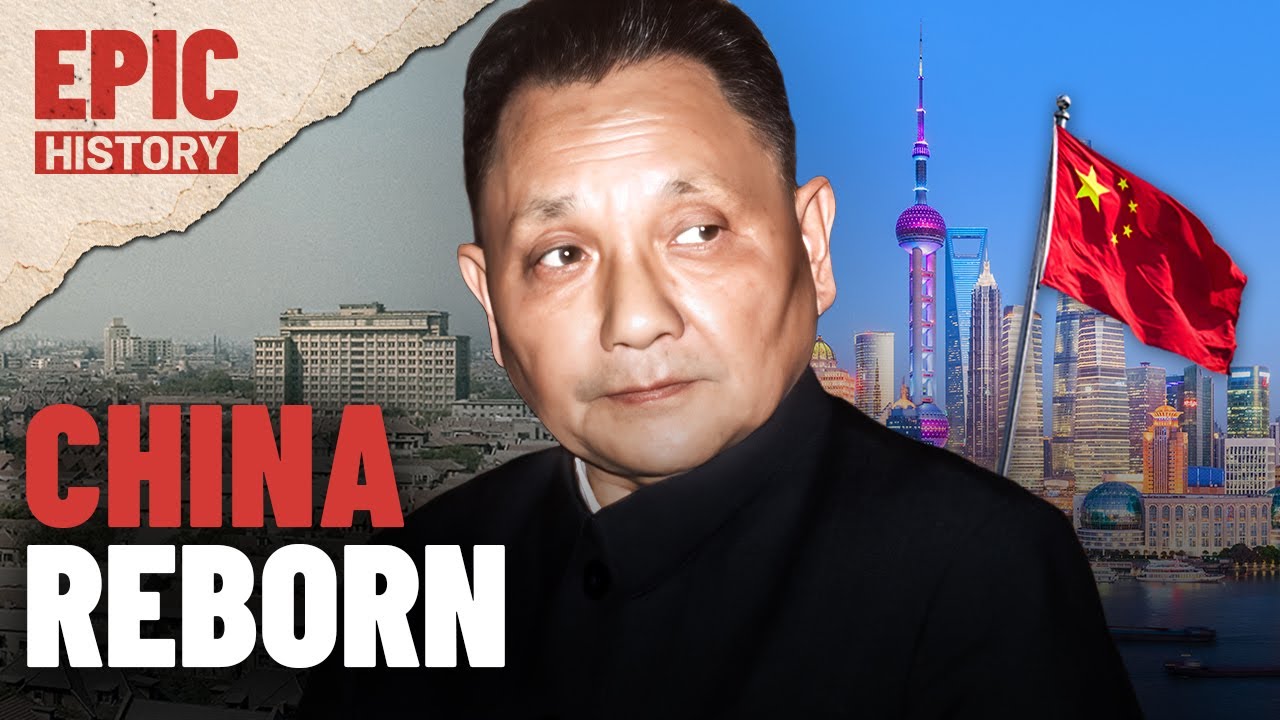
The emergence of China as a global superpower represents a significant shift in economic and political dynamics following the era of Mao Zedong. After his death, Deng Xiaoping initiated a series of reforms that catalyzed profound transformations within the People’s Republic. These reforms not only opened China to the global market but also significantly improved the living standards of its population. However, the path to modernization was not without its challenges, as illustrated by the Tiananmen Square protests in 1989, a stark demonstration of the tensions between authoritarian governance and the demands of a rapidly changing society.
This article examines the intricate interplay between economic reform and political control in China during this pivotal period. It explores how Deng Xiaoping’s policies laid the groundwork for China’s economic revolution while simultaneously highlighting the limitations imposed by the authoritarian regime. The analysis emphasizes the complexities of navigating progress in a country where political dissent is often met with severe repercussions, underscoring the dual nature of China’s rise on the world stage.
Historical Context
Pre-Reform China: Economy and Politics
You find yourself navigating the complexities of pre-reform China, a nation characterized by a stagnant economy and an authoritarian political structure. Under the leadership of Chiang Kai-shek and later the Communist Party, particularly during Mao Zedong’s rule, the country experienced tumultuous shifts. The agrarian economy relied heavily on collectivization and state control, leading to widespread famine and economic inefficiency. Political power was centralized, and dissent was not tolerated; the Cultural Revolution illustrated this vividly, where intellectuals and perceived counter-revolutionaries were persecuted to maintain Maoist ideology.
Mao Zedong’s Policies and Their Impact
As you delve deeper, you realize that Mao’s policies significantly shaped modern Chinese society. The Great Leap Forward aimed for rapid industrialization through collectivized farming and backyard steel production. However, this initiative led to catastrophic failures, resulting in millions of deaths from famine. You observe how Mao’s push for ideological purity often ignored economic realities, resulting in a legacy marked by hardship and struggle. The political purges that ensued punctuated decrees with violence and terror, fostering a culture of fear that would haunt the country for decades.
The Cultural Revolution and Its Aftermath
Venturing further into history, you see the Cultural Revolution (1966-1976) as a pivotal moment that left indelible scars on Chinese society. You witness students and young people, mobilized as the Red Guards, turning against teachers and intellectuals in a fervent quest to eradicate “Four Olds” — old customs, culture, habits, and ideas. This tumult not only dismantled educational and cultural institutions but also stunted economic growth. The aftermath left the nation fragmented, with a populace yearning for stability and progress, thus setting the stage for the subsequent reform era.
Deng Xiaoping’s Leadership
Rise to Power After Mao’s Death
You observe the shifting political landscape after Mao’s death in 1976, which created a power vacuum filled by Deng Xiaoping. An astute politician, Deng navigated the treacherous waters of Chinese politics by sidelining the radical faction within the Communist Party. Despite having faced purges himself, Deng emerged as a pragmatic leader advocating for economic reform, which starkly contrasted with his predecessors’ ideologies.
Deng’s Vision for China’s Future
Deng envisioned a modern China that would integrate elements of capitalism while retaining the Communist Party’s control over governance. You recognize that his philosophy, often encapsulated in the phrase “socialism with Chinese characteristics,” sought to modernize China’s economy without sacrificing the Party’s overarching authority. Deng believed that economic prosperity would bring about social stability, which resonated deeply with the war-weary populace.
Implementing Economic Reforms
You witness the transformative policies Deng initiated, which aimed at revitalizing the economy. These included the dismantling of collective farming, embracing private enterprise, and inviting foreign investment into China. His leadership marked a departure from strictly ideologically driven policies, reflecting a shift towards practicality and emulating capitalist mechanisms to achieve growth.
Economic Reforms of the 1980s
Introduction of Market-oriented Policies
As you explore the 1980s, you find a period characterized by the introduction of market-oriented policies that began to alter the economic landscape. State-owned enterprises faced reforms, with profit incentives introduced to boost efficiency. You see how these changes were not merely economic but also social, encouraging individual entrepreneurship and creating opportunities for private ownership.
Opening Up to Foreign Investment
You discover that Deng Xiaoping’s call for opening up China to foreign investment was critical in rejuvenating its economy. By establishing joint ventures and loosening restrictions on foreign companies, China began to integrate itself into the global economy. Cities like Shenzhen became experimental grounds for capitalism, showcasing the potential benefits of such openness.
Establishment of Special Economic Zones (SEZs)
At the heart of these reforms were the Special Economic Zones (SEZs), regions designated for foreign investment and market-driven policies. As you analyze the establishment of these zones, including the pioneering efforts in Shenzhen, you can see how they became engines of economic growth. With incentives for foreign businesses, these areas thrived, attracting massive influxes of capital and technology.
Impact of the Economic Reforms
Rapid Industrialization and Urbanization
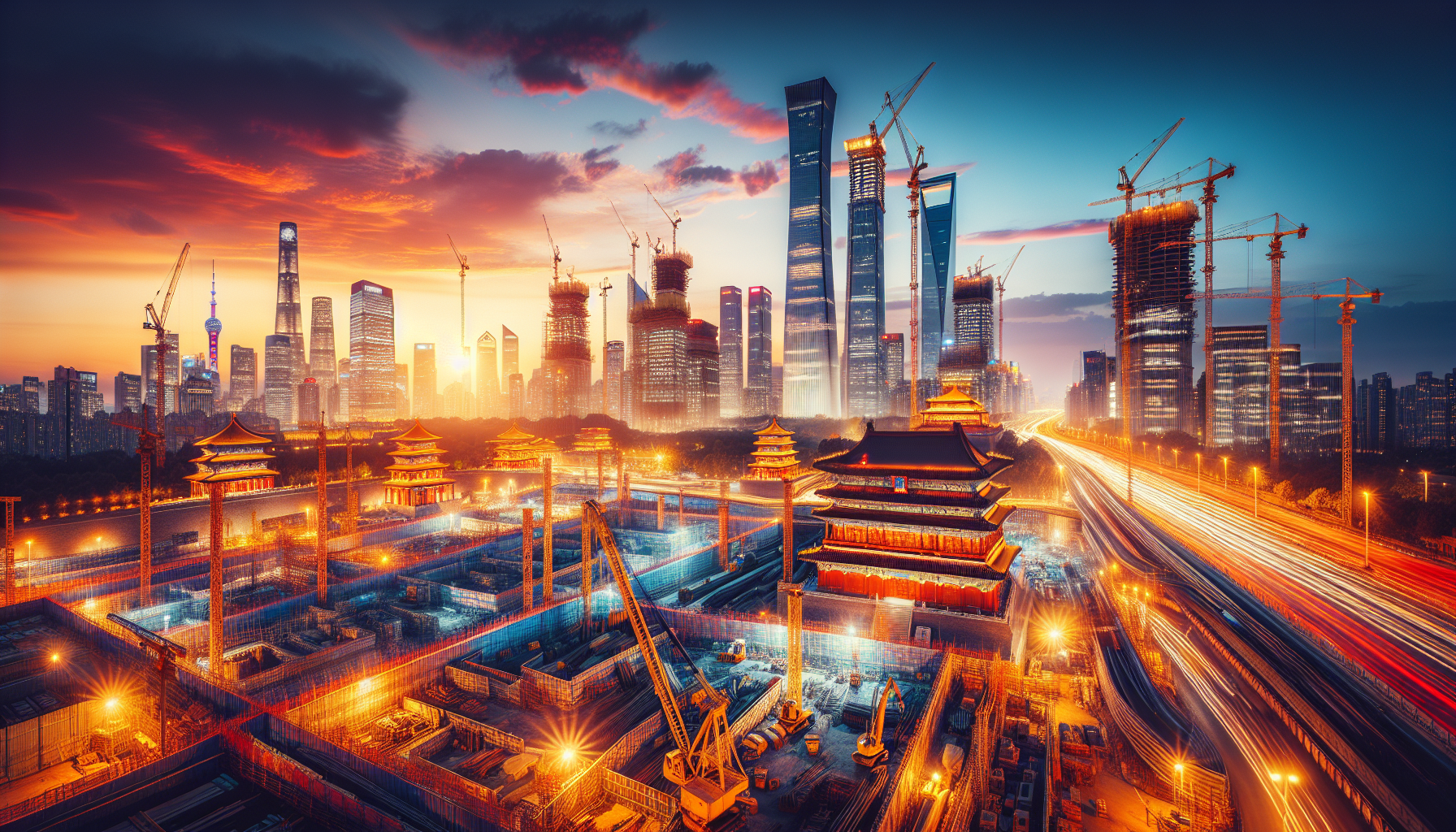
You witness the rapid industrialization and urbanization that emerged as a direct result of Deng’s reforms. Factories sprouted, and cities burgeoned as people flocked from rural areas seeking better opportunities. This transformation reshaped the demographic landscape, leading to the emergence of sprawling metropolises that illustrated China’s dramatic transition.
Growth of the Middle Class
The economic reforms paved the way for the growth of a burgeoning middle class. As you assess the implications of this rising socio-economic group, you recognize a shift in consumer behavior and societal aspirations. The desires of this new class contributed to increased domestic consumption, thereby energizing the economy further.
Improvements in Living Standards
You observe that millions of Chinese citizens witnessed improvements in their living standards, with access to better housing, education, and healthcare. This newfound prosperity became a source of national pride; yet, it also created social disparities and expectations for greater civic rights and liberties.
Integration into the Global Economy
Joining the World Trade Organization (WTO)
As you move into the 21st century, China’s accession to the World Trade Organization (WTO) in 2001 marks a watershed moment in its economic journey. You note that this entry solidified China’s commitment to market reforms and international trade, dramatically altering its relationship with the global economy.
China as a Global Manufacturing Hub
You recognize China’s emergence as a global manufacturing hub, often referred to as the “world’s factory.” With vast labor resources and a robust industrial base, China’s products flooded international markets, catalyzing economic growth even further while bolstering its international influence.
Trade Relations with Major Economies
As the narrative unfolds, you analyze China’s evolving trade relationship with major economies like the United States and the European Union. The balancing act of competition and collaboration in trade underscored the complexities of global economic interdependence.
Technological Advancements
Investment in Technology and Innovation
In your examination of technological advancements, you see that the Chinese government’s significant investment in technology and innovation became imperative to maintaining its competitive edge. You trace the focus on research and development, particularly in areas like telecommunications and artificial intelligence.
Rise of Tech Giants: Alibaba and Tencent
You observe the rise of Chinese tech giants such as Alibaba and Tencent. These companies revolutionized e-commerce and digital interactions, showing how China could not only emulate Western technological successes but also innovate uniquely. Their global expansion signifies China’s growing prowess in the technology sector.
The Role of Education in Economic Growth
As you consider the role of education, you realize that the focus on higher education and vocational training played a critical part in this technological ascendancy. You witness how a better-educated workforce is essential as China transitions toward a knowledge-based economy, illustrating the correlation between educational investment and economic development.
Government Control and Authoritarianism
The Tiananmen Square Massacre
Despite these successes, you are confronted with stark realities, such as the Tiananmen Square Massacre of 1989, which serves as a grim reminder of the state’s authoritarian grip. When citizens gathered to advocate for democratic reforms, the government’s violent crackdown exposed the limits of dissent within the rapidly modernizing society.
Surveillance and Control of Society
In your analysis, you find that the government has maintained a stringent system of surveillance and control over society, utilizing advanced technologies to monitor citizens. This approach has raised concerns internationally regarding human rights, with a paradox emerging between economic progress and political repression.
Balancing Economic Growth with Political Stability
You note that the Chinese government prioritizes economic growth as a means to maintain political stability. You come to understand that social unrest directly threatens the Party’s hold on power, leading to careful balancing acts between development and repression.
Environmental Challenges
Pollution and Industrial Growth
As you delve into the environmental implications of rapid industrial growth, you discover that pollution has become a critical issue for urban areas across China. Smog-laden cities and contaminated water sources illustrate the dire consequences of neglecting environmental standards in the pursuit of economic gain.
Response to Climate Change
You examine how, in response to these pressing environmental challenges, China has begun to reorient its policies. The government has committed to reducing carbon emissions and investing in renewable energy sources, recognizing that sustainable development is essential for long-term stability.
Sustainable Development Initiatives
You find that sustainable initiatives, such as afforestation and clean energy projects, are timely responses to China’s environmental challenges. These efforts signify a growing acknowledgment that economic and environmental priorities are intertwined, expressing a desire for a more sustainable future.
Current Economic Landscape
China as the Second-Largest Economy
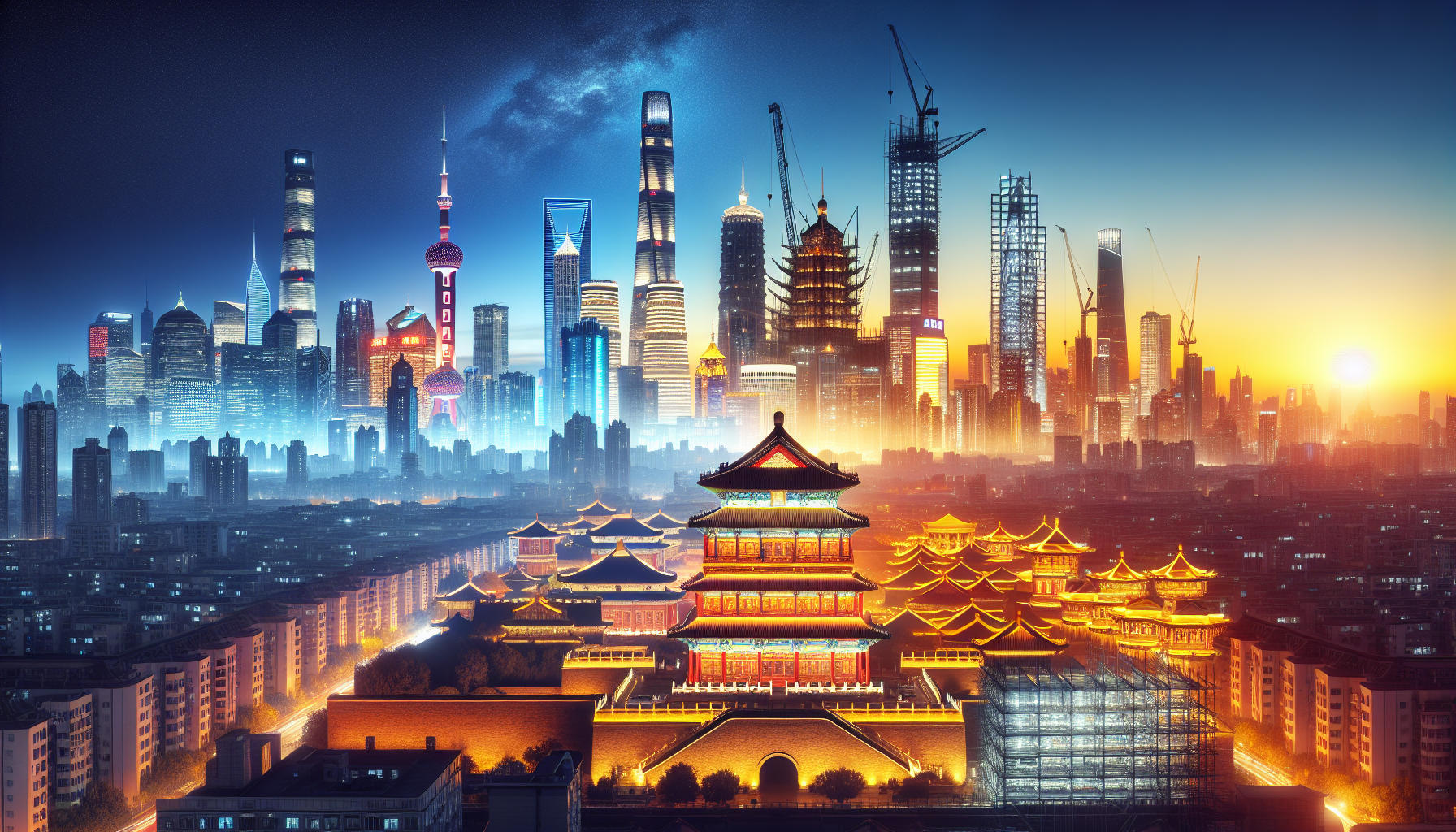
You assess the current economic landscape where China stands as the second-largest economy in the world, trailing only the United States. This positioning indicates the profound transformations that have taken place over several decades, elevating China onto the global stage.
Challenges of Slowing Growth
However, you also come across the challenges facing China today, particularly as the economy shows signs of slowing down. Issues like mounting debt, an aging population, and dependency on exports raise significant concerns about sustainability and the need for new economic drivers.
Transition to a Consumption-based Economy
As you look ahead, you contemplate China’s strategy to transition from an investment-driven to a consumption-based economy. This shift aims to foster domestic demand and create a more balanced economic framework, essential for long-term resilience and growth.
Conclusion
Summary of Key Transformations
In your exploration of these historical and contemporary dynamics, you reflect on the key transformations that have propelled China from isolation to superpower status. The journey of economic reform, technological advancement, and societal change presents a complex but compelling narrative.
Reflections on Economic and Political Trajectories
You consider the dual trajectories of economic growth and political repression, pondering whether they can coexist indefinitely. The historical lessons underscore that while economic prosperity has provided a foundation for stability, it does not inherently guarantee political reform.
The Role of China in Global Affairs
Finally, you recognize China’s substantial role in global affairs, shaping international trade, climate policies, and technological standards. As the world watches China’s unfolding story, the nation’s future trajectory will profoundly influence global politics, economics, and culture for years to come.