
The strategic landscape of World War I underwent a profound transformation driven by Germany’s deployment of submarine-launched torpedoes, a revolutionary maritime technology. This innovation was instrumental in intensifying the pressure on Britain, contributing to naval engagements that undermined British defenses exemplified by the sinking of HMS Pathfinder. Concurrently, on the Eastern Front, German military leaders von Hindenburg and Ludendorff achieved significant victories that not only decimated Russian forces but also highlighted the critical role of effective communication and strategic maneuvering in warfare.
This article explores the intricate interplay between technological advancements, strategic command, and the vulnerabilities that shaped the early outcomes of the war. By examining Germany’s tactical use of submarines and the catastrophic consequences for Russia, you will gain insight into the factors that can decisively shift the balance of power in modern conflict. Analysis of these elements reveals how innovation, leadership, and communication failures can collectively define the trajectory of historical events.
Overview of World War I
World War I, often referred to as the Great War, spanned from 1914 to 1918 and was characterized by a complex web of alliances, entrenched warfare, and unprecedented global conflict. The war united nations in a struggle over imperial ambitions, national allegiances, and long-standing grievances, leading to a dramatically altered world landscape. The conflict was marked by significant shifts in military strategy, technological advancements, and a redefinition of international relations that would set the stage for future global confrontations.
Key Nations Involved
At the center of World War I were two principal alliances: the Allies, which primarily included France, Britain, Russia, Italy, and later the United States, and the Central Powers, led by Germany, Austria-Hungary, the Ottoman Empire, and Bulgaria. You would note that the underlying alliances affect not just military strategies but also diplomatic relations that ripple through the post-war environment. The differing aims of these nations shaped their strategies and ultimately governed the patterns of warfare, leading to significant military engagements on multiple fronts.
Overview of Battlefield Strategies
The battlefield strategies deployed during World War I bore the marks of both innovative thought and horrific miscalculations. Trench warfare epitomized the Western Front, where entrenched positions led to a stalemate and massive casualties. Artillery tactics were capitalized upon, while strategies like the use of the “Big Push” sought to break through enemy lines through sheer force. Meanwhile, other fronts, such as the Eastern Front, exhibited more fluid movement but were not without their strategic blunders. You would observe that the fluidity of tactics varied greatly depending on the geography and enemy responses, which became crucial in shaping the war’s outcomes.
Technological Innovations in Warfare
The introduction of new technologies drastically transformed the landscape of warfare during World War I. You would find that advancements such as machine guns, tanks, and aircraft altered traditional combat roles and strategies. The horrors of chemical warfare also emerged, marking a significant departure from previous conflicts. These innovations were not merely instruments of death; they changed the very fabric of military planning and execution, complicating the rules of engagement and heightening the stakes involved in modern warfare.
Rise of Submarine Warfare
Development of the Submarine
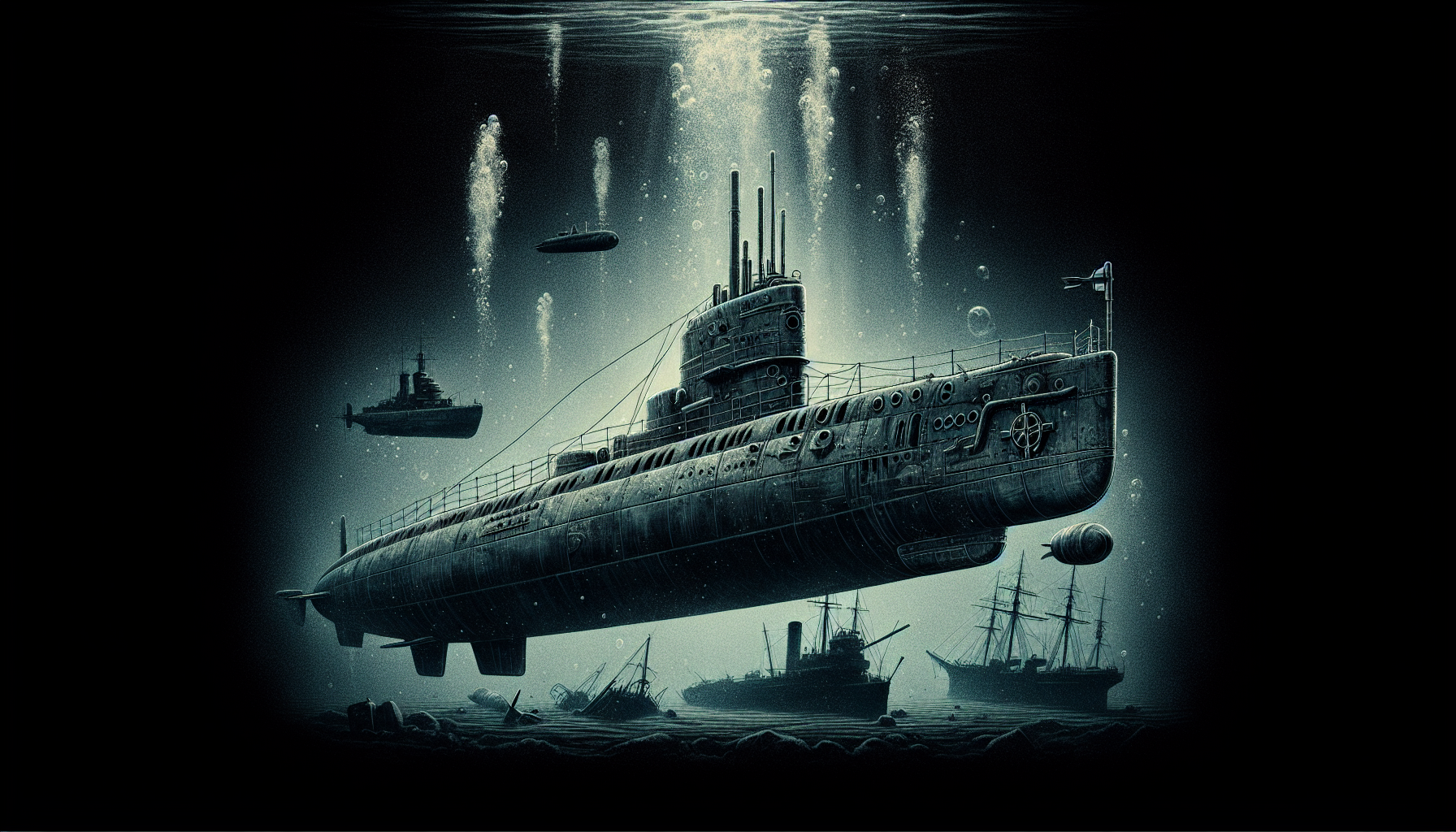
The submarine, once a niche military vessel, emerged as a formidable force by the time World War I began. Initially developed for coastal defense, you would note how advancements in design and functionality transformed them into weapons capable of significant naval impact. Germany’s U-boat program was pivotal; it represented both innovation and a shift in warfare philosophy. These vessels allowed for stealthy approaches and surprise attacks, fundamentally altering naval engagements.
Introduction of Torpedoes
Integral to the operational capability of submarines was the introduction of the torpedo, a weapon that enabled the vessel to engage enemy ships without surface exposure. As torpedoes became more sophisticated, their deployment transformed tactics on both sides of the conflict. The German Navy’s investment in submarine-launched torpedoes created a new paradigm that challenged traditional naval blockades and initiated a war under the waves, asserting the submarine’s role as a weapon of strategic importance.
Significance of Submarines in Naval Strategy
The significance of submarines in naval strategy during World War I cannot be understated. They became key components of Germany’s wartime tactics, utilized to disrupt supply lines and exert pressure on enemy nations. As you might realize, the psychological impact of an unseen threat, coupled with the high-value targets they could potentially sink, altered the strategic calculus of naval warfare. The introduction of unrestricted submarine warfare highlighted the evolving nature of conflicts and foreshadowed the logistical challenges that would ripple through the fabric of sustaining wartime economies.

Germany’s Naval Strategy
Objectives of the U-Boat Campaign
Germany’s U-Boat campaign was rooted in objectives aimed at crippling Allied supply chains, particularly those heading to Britain. You would find that the idea was to cut off resources that sustained the British war effort, compelling them to reconsider their engagement in the conflict. The strategic deployment of U-boats in hostile waters was not just about combat; it required calculated risks that reflected broader military strategies aimed at gaining dominance at sea.
Targeting British Supply Lines
By targeting British supply lines, Germany aimed to enact a form of economic warfare that would hasten the Allies’ defeat. The U-boats’ affinity for stealth allowed them to intercept merchant vessels, leading to significant losses for the Allies. The disruption of supplies proved an effective tactic during the early years of the war as it precipitated a crisis in Britain, thereby stretching resources and morale thin at a critical juncture.
Pressure Tactics Against the Allies
In employing these tactics, Germany sought to exert maximum pressure on their opponents. The U-Boat campaign was not simply a blunt force; it was a calculated strategy to provoke a response that could unravel the Allies’ cohesion. Indeed, the intention was to instill fear and create uncertainty, thereby influencing political and military decision-making within the Allies, a reflection of the profound psychological warfare that accompanied the kinetic dimensions of this conflict.
The Impact of Unrestricted Submarine Warfare
Initial Successes Against British Shipping
Initially, Germany’s strategy of unrestricted submarine warfare proved remarkably effective against British shipping. You would see that the rapid sinking of merchant ships not only resulted in losses of goods but also instigated panic within Britain. The impact resonated beyond the economic, extending into the realm of public sentiment and national security, thereby ensuring that the stakes of survival remained high for the British forces and their allies.
The Sinking of HMS Pathfinder
The sinking of HMS Pathfinder marked a pivotal moment in the war, showcasing the lethal capabilities of submarine warfare. The loss of this cruiser underscored the vulnerability of naval forces to this new breed of warfare, representing both a tactical victory for the Germans and a shock to the British Navy. You will recognize that such incidents were not merely tactical losses but also contributed to a growing narrative of fear regarding the impact of the German U-Boat fleet.
Public Reaction and Propaganda
In reaction to the threat posed by U-boats, British propaganda sought to galvanize public support and reinforce the narrative of a righteous fight against aggression. The emotional and fear-driven response to submarine attacks played a critical role in mobilizing national sentiment. You might reflect on the manner in which public perception and morale could sway military strategies, reinforcing how interconnected the home front was with active combat, ultimately shaping the course of both war and society.
Contributions of German Commanders on the Eastern Front
Profiles of von Hindenburg and Ludendorff
On the Eastern Front, German commanders such as Paul von Hindenburg and Erich Ludendorff became pivotal figures, leading forces to successive victories. You would identify them as skilled tacticians who understood the complexities of warfare and the psychology of combat. Their leadership styles reflected both strategic brilliance and a relentless drive for victory amidst the shifting theater of war.
Tannenberg and the Masurian Lakes
The battles at Tannenberg and the Masurian Lakes stand as testaments to the strategic acumen of German leadership. These engagements led to devastating Russian casualties and significant territorial gains for Germany—an accomplishment that showcased the effectiveness of rapid mobilization and the exploitation of enemy weaknesses. Such victories not only solidified German dominance in the East but also demonstrated the intricate dance between strategy and execution in wartime scenarios.
Casualties and Prisoners: A Strategic Advantage
The high number of casualties inflicted upon Russian forces and the taking of prisoners became strategic advantages that Germany exploited. You would understand that these victories were not merely tactical achievements; they contributed to a broader strategic narrative that emphasized German military superiority. The psychological impact on Russian morale, combined with the loss of personnel, underlined the effectiveness of German military planning early in the war.
Communication Failures in the Russian Military
Use of Unencrypted Wireless Messages
Communication failures played a crucial role in shaping the outcomes on the Eastern Front, particularly characterized by the reliance on unencrypted wireless messages. You would note how such vulnerabilities severely undermined Russian operational security, allowing the Germans to intercept critical information and anticipate movement. This gap in secure communication became a chronic issue that exploited their strategic intentions.
Impact on Coordination and Strategy
The consequences of these communication failures rippled through the chain of command in the Russian military, leading to a lack of coordination that handicapped their tactical responses. The resulting disarray weakened any potential strategies to confront the German advances. The inadequacies of communication processes highlighted not just technological limitations but also the challenges of effective leadership amidst growing pressure.
Consequences for Morale and Combat Effectiveness
The ramifications of poor communication extended deeply into Russian morale and combat effectiveness. As confusion reigned, soldiers found themselves doubting orders and unable to respond effectively to shifting battlefield realities. You would come to realize that these issues contributed to a broader morale crisis, which, when interwoven with massive casualty figures, ultimately compounded the obstacles facing the Russian military hierarchy.
Technological and Tactical Shifts in Warfare
Innovation in Naval Warfare
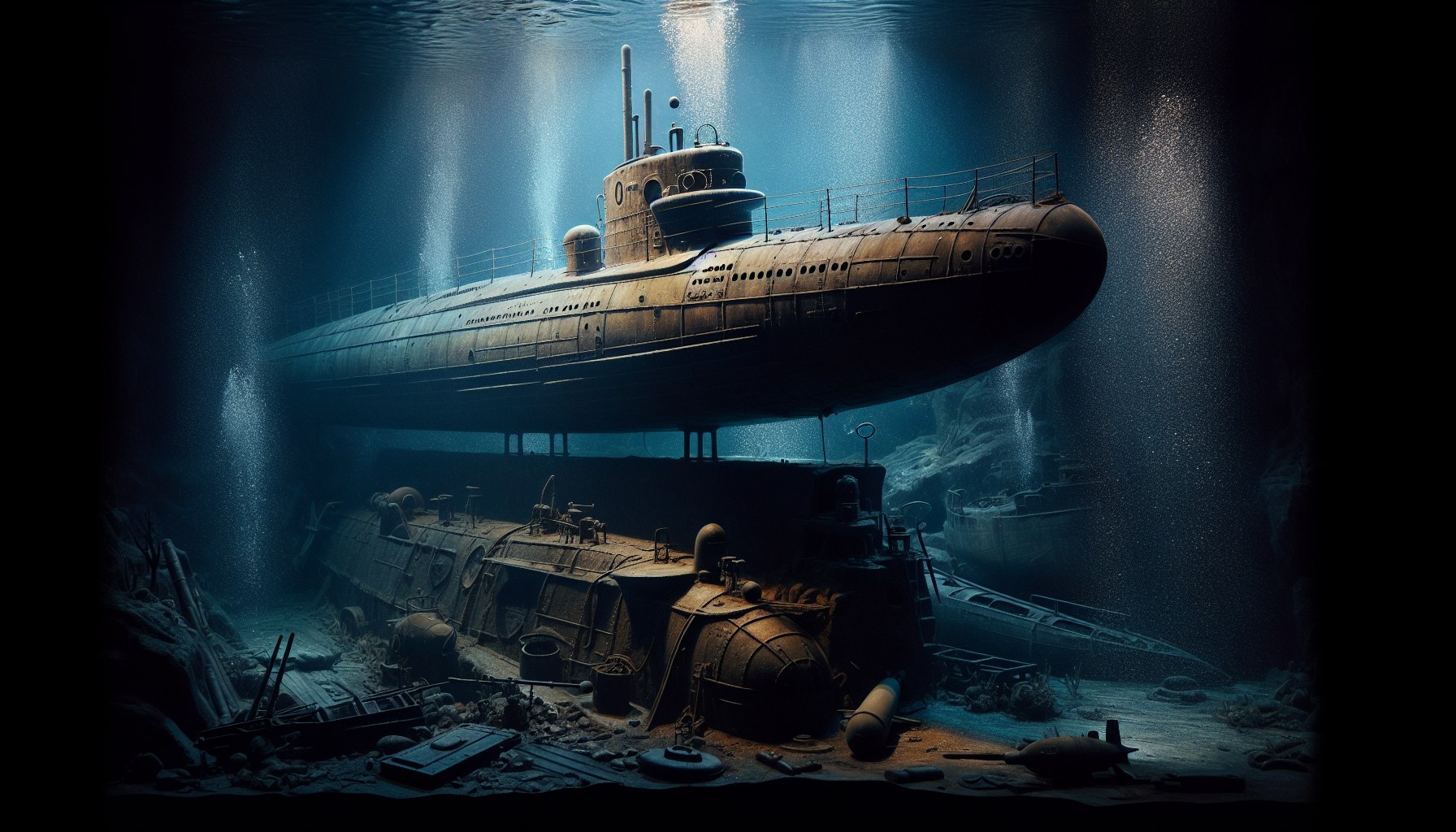
World War I spurred significant innovation in naval warfare, with submarine technology leading the forefront of this shift. New tactics emerged alongside the development of aircraft carriers and improved surface warships, all compelling nations to rethink their naval strategies. You would observe how innovative designs and theories began to reshape maritime engagements, creating new paradigms you might still recognize in modern naval warfare.
Adapting Ground Strategies to Technological Advances
Ground strategies also evolved in response to technological advances within military arsenals. For instance, the integration of tanks into combat units offered new mechanisms for breaching enemy defenses. The adaptability of military strategies, particularly in aligning infantry with mechanized units, became a hallmark of efficient combat in World War I. Your understanding of military evolution would highlight the importance of flexibility and innovation as keys to avoiding stagnation on the battlefield.
Lessons Learned for Future Conflicts
The experiences and hardships of World War I offered critical lessons that influenced future conflicts. You would find that the war laid the groundwork for evolving military doctrines, emphasizing technology, mobility, and combined arms operations. The significant tactical and technological shifts witnessed during the war became foundational principles guiding military engagements well into the 20th century and beyond.
The Role of Public Sentiment
How Submarine Attacks Influenced Sentiments
Submarine attacks, particularly against merchant vessels, had a profound effect on public sentiment during World War I. You would discover that the unpredictable nature of these assaults created a pervasive atmosphere of fear among civilians and militaries alike. The sinking of civilian vessels not only threatened lives but also stirred emotions, galvanizing public support for war efforts and shaping national narratives.
Responses from Governments and Military Leaders
In response to the threats posed by submarine warfare, governments and military leaders employed various strategies to reassure their populations and maintain support for the war effort. Propaganda campaigns sought to vilify the enemy while promoting a narrative of resolute courage and resilience among citizens. You would recognize that these efforts were essential in countering the fears generated by such devastating attacks, reinforcing confidence in military leadership.
Long-term Impacts on Civilian Morale
The impacts of submarine warfare on civilian morale were lasting and multifaceted. Disruptions in shipping led to shortages and heightened anxieties regarding safety and survival. Nations learned that preserving civilian morale was as crucial as tackling military setbacks, as public sentiment often dictated the pace and intensity of wartime efforts. You might reflect on this dynamic as a harbinger of future conflicts where civilian perspectives shaped outcomes on the battlefield.
International Reaction to Germany’s U-Boat Tactics
Allied Response and Countermeasures
In reaction to Germany’s aggressive U-Boat tactics, the Allies implemented various countermeasures aimed at protecting their maritime interests. Convoy systems were developed to safeguard merchant ships from submarine attacks, illustrating a shift in strategic thinking necessitated by the submerged threat. You would find the evolution of naval strategy indicative of the profound impact that U-Boat operations had on international maritime practices and combat readiness.
Neutral Powers and Their Stance
Neutral powers were compelled to consider their positions amid escalating tensions surrounding Germany’s submarine warfare. Countries like the United States began to reevaluate their neutral stance as attacks on civilian vessels raised ethical and geopolitical questions. You can appreciate how these evolving dynamics not only influenced direct combatants but also shifted the landscape of international relations, ultimately leading to broader involvement in the war.
Evolution of International Maritime Law
Germany’s unrestricted submarine warfare also ushered in discussions around the evolution of international maritime law. Debates regarding the legality and ethics of attacking civilian vessels emerged, compelling nations to reconsider norms governing maritime engagements. You would note the lasting implications of these changes, as they reverberated through subsequent conflicts, shaping legal and moral frameworks in naval warfare.
Conclusion
Summary of Key Impacts
World War I represented a seismic shift in warfare characterized by technological innovations and strategic recalibrations, primarily manifesting through submarine warfare and command leadership. The war’s dynamics highlighted the interplay between effective military tactics, communication strategies, and the critical role of public sentiment during wartime. The experiences of this conflict illuminated the complexities of modern warfare, driving factors that would influence the course of history.
Legacy of Submarine Warfare in WWI
The legacy of submarine warfare as a catalyst for change in naval strategy is indelible. The stresses placed on maritime engagements by U-Boats transformed the nature of naval combat and initiated new norms for future maritime conflicts. The lessons learned from World War I regarding stealth and surprise continue to inform contemporary military strategies across the globe.
Reflection on Strategic Lessons for Future Wars
In reflecting on these strategic lessons, you would ascertain that World War I set a precedent for how technological advances could shift the balance of power in warfare. The integration of new technologies and innovative tactics became crucial to military effectiveness in subsequent conflicts. Furthermore, the interplay between national morale and engagement strategies emerged as a pivotal takeaway, offering insights that remain relevant to contemporary military doctrine and strategic planning.