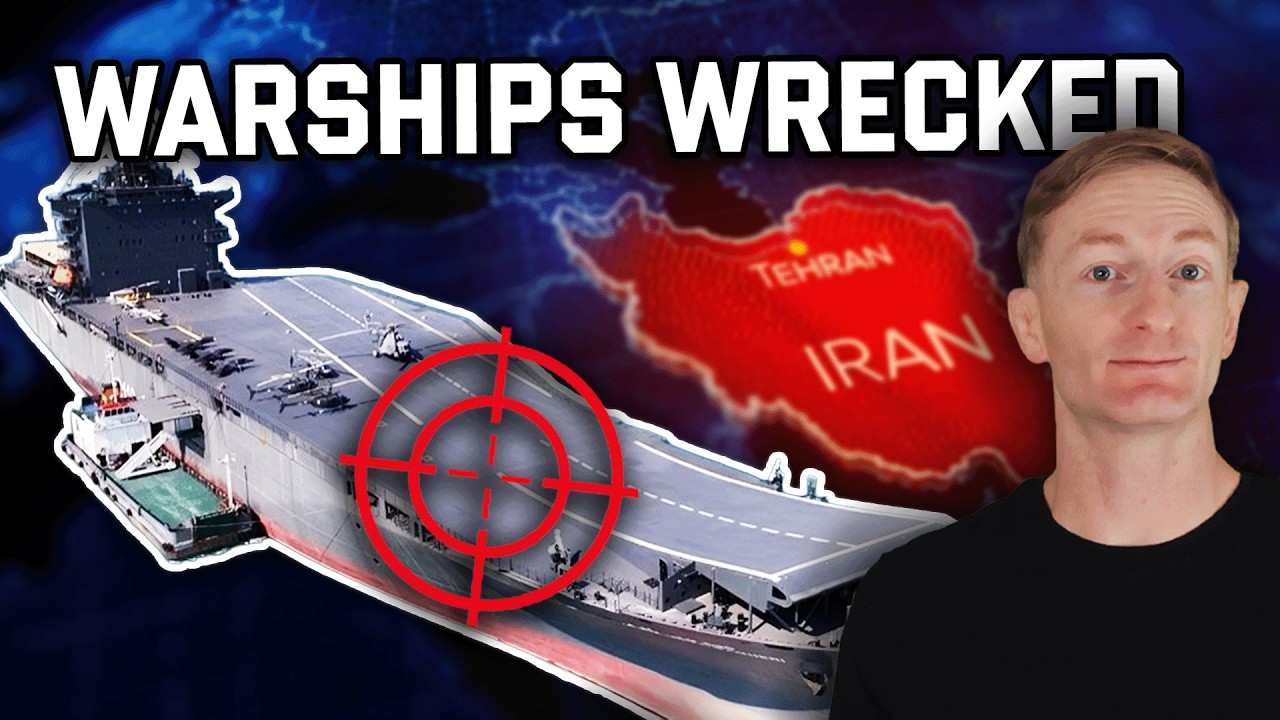
Recent military actions, particularly Operation Epic Fury, have shifted focus toward Iran’s naval capabilities, an aspect previously less targeted in strategic bombing initiatives. This evolution raises critical questions regarding the motivations behind such military decisions and what implications these actions may have on regional stability. The strategy warrants examination in terms of its potential outcomes and the broader context that necessitates or supports such escalations.
In analyzing the destruction of Iran’s navy, one must consider whether the aim is to achieve total naval incapacitation or merely to instigate a more complex confrontation involving shipping routes and maritime defenses. This article explores the dynamics at play, evaluating the effectiveness of these operations and the potential for an intensified conflict over vital waterways like the Strait of Hormuz. Your understanding of the interconnections between military strategy and geopolitical tensions will be further enhanced through this exploration.
The Destruction of Iran’s Navy

Historical Context of US-Iran Relations
Overview of Diplomatic Relations
The diplomatic relations between the United States and Iran have been tumultuous since their inception. Initially, after World War II, the relationship was largely cooperative, marked by mutual interests in oil and regional stability. However, significant ideological rifts became apparent, particularly after the 1953 CIA-backed coup that reinstated the Shah of Iran. This event sowed the seeds of resentment among Iranians, leading to profound distrust. The situation deteriorated drastically following the 1979 Iranian Revolution, which resulted in the overthrow of the Shah and the establishment of an Islamic Republic under Ayatollah Khomeini. This pivot marked an irrevocable shift, and since then, relations have oscillated between hostility and fraught diplomatic negotiations.
Key Events Leading to Tensions
Several pivotal events have intensively shaped US-Iran relations, leading to the current tensions. The hostage crisis in 1979, when fifty-two American diplomats and citizens were held hostage for 444 days, profoundly impacted American public perception of Iran and reversed any remaining goodwill. Subsequent issues, such as Iran’s support for militant groups in Lebanon and the Strait of Hormuz’s maritime confrontations, further strained relations. Additionally, the U.S. invasion of Iraq in 2003, which removed Iran’s rival, Saddam Hussein, added layers to the complexity, as it established a power vacuum that Iran sought to exploit.
Impact of the 1979 Iranian Revolution
The significance of the 1979 Iranian Revolution can hardly be overstated. This event not only transformed Iran into a theocratic state but also resonated deeply within the Islamic world, inspiring other movements against Western influence. The revolution catalyzed the establishment of a regime antithetical to American interests, framing the U.S. as a principal adversary. It also ushered in a decade fraught with military confrontations, including the Iran-Iraq War, which, although tragic for both nations, solidified Iran’s military aspirations and strategic thinking. The entrenchment of anti-American sentiment has lingered, shaping Tehran’s policy decisions and military strategies to this day.
The Strategic Importance of Naval Power
Naval Power in Modern Warfare
Naval power has emerged as a cornerstone of modern warfare, characterized by the ability to project power across vast oceans. Unlike land forces, navies can operate with a degree of agility and surprise, affecting enemy operations and securing supply lines. In contemporary conflicts, control of maritime routes is increasingly viewed as a critical determinant of national security, facilitating economic sustainability and military maneuverability. For nations like the United States, which possess extensive coastlines and global military commitments, naval superiority is paramount for maintaining the international order.
The Role of the Persian Gulf
The Persian Gulf holds strategic significance in global geopolitics, serving as a conduit for a substantial portion of the world’s oil supply. Control over this vital waterway not only impacts energy prices but also influences global stability. Therefore, the naval capabilities of nations operating in or around the Gulf, particularly those of Iran and the U.S., directly influence regional dynamics. Any military confrontation in this area could disrupt maritime trade, provoke international economic ramifications, and encourage broader military escalations, underscoring the importance of naval presence and readiness.
Iran’s Naval Capabilities and Limitations
Iran’s naval forces, primarily comprising the Islamic Revolutionary Guard Corps (IRGC) Navy and the regular Navy, present a unique blend of asymmetrical and conventional capabilities. The IRGC Navy focuses on employing small vessels, fast attack boats, and asymmetric tactics to challenge more advanced fleets. This strategy is designed to exploit Iran’s knowledge of coastal waters and the Gulf’s narrow straits. Despite these advantages, Iran’s navy faces significant limitations, including the lack of sophisticated technology, advanced submarines, and the ability to project power outside its immediate waters. Therefore, while Iran’s naval strategy is innovative, it remains constrained by its resources and technological deficiencies.
Operation Epic Fury: An Overview
Details of the Operation
Operation Epic Fury represents a strategic shift in U.S. military engagements in the Persian Gulf, specifically targeting Iranian naval assets. Launched in response to escalating provocations and Iran’s increased assertiveness in the Gulf, this operation aims to undermine Iran’s naval capabilities significantly. The operation enlisted advanced aerial strike capabilities and maritime reconnaissance, aiming to ensure maritime security and deter hostile Iranian actions. By focusing on a force previously considered relatively untouchable, the U.S. aims to redefine the existing military calculus in the region.
Objectives of Targeting the Iranian Navy
The primary objectives of targeting the Iranian navy during Operation Epic Fury revolve around debilitating Iran’s ability to conduct naval operations effectively. By neutralizing key naval assets, the operation seeks to prevent Iran from disrupting shipping routes, particularly those involved in oil transport, thereby safeguarding U.S. and allied economic interests. Additionally, it aims to send a strong message that the United States will not tolerate aggression in the region, reinforcing the perception of American deterrence capabilities.
Comparisons to Previous Military Campaigns
When compared to previous military campaigns, Operation Epic Fury underscores a notable doctrinal evolution. Where earlier operations in Iraq and Afghanistan centered primarily on land forces, Epic Fury emphasizes joint naval and aerial operations. The shift is indicative of the changing nature of warfare, particularly with regard to the importance of controlling maritime environments. Moreover, this operation bears resemblance to the U.S. Navy’s responses to asymmetric threats in the past, reflecting lessons learned from earlier engagements in the region.
Iran’s Naval Forces: Structure and Strategy
Composition of Iran’s Navy
Iran’s naval forces are divided into two main branches: the Islamic Revolutionary Guard Corps Navy and the regular Navy. The IRGC Navy operates along the coast and is responsible for defending Iranian territorial waters, employing fast boats, anti-ship missiles, and mining capabilities. In contrast, the regular Navy focuses on traditional naval warfare and is equipped with larger vessels. This dual structure reflects Iran’s strategy to blend asymmetrical warfare with conventional capabilities, allowing it to engage potential adversaries on multiple fronts.
Naval Strategies Employed by Iran
Iran relies on a mix of asymmetric strategies and technological innovation to counteract its vulnerabilities. This includes the deployment of swarm tactics utilizing small, fast attack boats, allowing for rapid engagement and evasion. Additionally, Iran has developed and acquired missile technology to enhance its naval deterrence. The concept of maritime asymmetry is central to Iran’s strategy, where it aims to leverage geographical advantages to offset the technological superiority of the U.S. and its allies.
Historical Successes and Failures
Historically, Iran has experienced both successes and failures in its naval engagements. The Iran-Iraq War showcased its ability to project power through naval mines and asymmetric tactics, but it also demonstrated vulnerabilities, especially against modern naval forces. The 1987-88 Tanker War exemplified how Iran could disrupt oil shipments, but it ultimately faced significant retaliatory measures that weakened its naval capabilities. Such historical contexts provide insight into the current strategic approach and the ongoing challenges Iran faces.

US Military Strategy in the Region
Current US Naval Presence
The U.S. maintains a significant naval presence in the Persian Gulf, primarily through the Fifth Fleet, which operates from Bahrain. This fleet is tasked with ensuring freedom of navigation, deterring aggression, and supporting regional partners. The deployment of aircraft carriers and advanced naval warfare technology demonstrates the U.S.’s commitment to countering Iranian threats and maintaining regional stability. The presence serves as both a deterrent and an assurance to allied nations, illustrating America’s strategic interests in the region.
Strategic Goals for the Middle East
The strategic goals of the United States in the Middle East encompass a multifaceted approach aimed at promoting stability, countering terrorism, and securing energy resources. The U.S. seeks to bolster alliances with regional partners, such as Saudi Arabia and Israel, while containing Iranian influence. Through military presence and operational flexibility, the U.S. aims to assert its dominance in maritime operations, ensuring that strategic waterways remain open and conflict is managed effectively.
Coalition Forces and Shared Interests
Collaborative efforts with coalition forces are a cornerstone of U.S. military strategy in the Middle East. Partner nations contribute to collective security efforts, enhancing deterrent capacities against Iran’s naval operations. These shared interests are centered around freedom of navigation, combating piracy, and securing vital shipping lanes. The coalition’s unity not only symbolizes a collective response to Iranian assertiveness but also underscores the broader geopolitical dynamics at play.
International Law and Maritime Sovereignty
Legal Justifications for Military Action
Any military action against Iran’s navy must contend with complex international legal frameworks governing maritime sovereignty. The United Nations Convention on the Law of the Sea (UNCLOS) provides guidelines for territorial waters, navigation rights, and the implications of military engagement. The U.S. may interpret its self-defense rights, and efforts to ensure maritime safety, as justification for operations against Iranian naval forces, claiming to protect international shipping from Iranian threats.
Responses from International Bodies
International bodies, such as the United Nations, have historically contested military actions that can escalate tensions in the Persian Gulf. Responses to operations like Epic Fury might include calls for restraint, dialogues for de-escalation, and, at times, condemnation if perceived as violations of state sovereignty. Nations may align with or against U.S. actions depending on their geopolitical objectives, complicating the international response dynamic.
Impact on Global Shipping and Trade
The ramifications of targeting Iranian naval assets extend to global shipping and trade frameworks. Disruptions in the Persian Gulf could impose significant challenges on energy markets, causing fluctuations in oil prices and threatening the flow of goods. Increased military engagement raises insurance costs for shipping companies, prompting them to reconsider their routes and operations. Ultimately, military actions against Iran’s navy carry the potential to destabilize economic conditions well beyond the immediate region.

Repercussions of Targeting Iran’s Navy
Impacts on Regional Stability
Targeting Iran’s navy risks inciting further instability within the already volatile Middle East. Iran may respond with retaliatory strikes or asymmetric warfare tactics, such as cyberattacks or proxy engagements in neighboring countries. The repercussions could destabilize the Gulf Cooperation Council (GCC) states and impact global security partnerships. An escalation could prompt wider military confrontations, undermining any prior achievements in diplomatic resolution.
Potential for Escalation and Broader Conflict
Engaging Iranian naval forces may trigger a risk-laden escalation, potentially leading to broader conflict involving multiple regional actors. Escalatory responses could be reciprocal, as Iran could engage its proxy networks, mobilizing groups like Hezbollah or Houthis to initiate attacks on U.S. interests. Each retaliatory measure could spiral into a deeper conflict, heightening tensions that might lead to full-scale war. Such scenarios underscore the precarious nature of military interventions in sensitive regions.
Reactions from Other Nations
The international community’s response to U.S. operations targeting Iran’s navy will likely vary. Allies may express support or concern based on their interests, while adversaries such as Russia or China may critique such actions as destabilizing. The geopolitical landscape could shift as countries reassess their stances regarding naval engagements and broader U.S. military strategies. Diplomatic channels may also be tested, with nations urging dialogue and conflict resolution over military solutions.
The Geopolitical Landscape Post-Operation
Shift in Power Dynamics
Operation Epic Fury is poised to alter the power dynamics within the Persian Gulf, especially concerning U.S.-Iran relations. A successful operation may embolden U.S. military presence while diminishing Iranian naval capabilities, altering regional strategic calculations. Conversely, if the operation fails or leads to significant Iranian retaliation, the balance may shift, empowering Iran as a formidable power in the Gulf. A reevaluation of alliances and enmities will ensue, reshaping the geopolitical landscape.
Responses from Iran and Its Allies
Iran’s response to targeting its navy will likely be multifaceted, involving military, diplomatic, and propaganda strategies. Tehran may rally its allies, calling for solidarity against perceived aggression. In the short term, increased military preparedness and public demonstrations of strength are plausible, incorporating regional allies into a collective stance against the U.S. and its actions. Responding to regional dynamics, such as drone capabilities and asymmetric warfare, will be critical for Iran’s operational success.
Potential Future Conflicts over Shipping Routes
The operation may set a precedent for future conflicts over essential shipping routes. A sustained U.S. naval blockade or increased military presence could trigger Iranian efforts to establish greater control over strategic waterways. The emergence of maritime conflicts may force nations to take sides, potentially leading to coalition formations that could further complicate international maritime Law enforcement. Potential friction points in the Strait of Hormuz may dominate regional discussions, seeking both military and diplomatic resolutions.
The Role of Technology in Modern Naval Warfare
Advancements in Naval Technology
Advancements in naval technology have radically changed the conduct of maritime warfare. The integration of automation, enhanced surveillance, and advanced weaponry has significantly transformed naval engagements. Technologies such as missile defense systems, unmanned surface and underwater vessels, and networked operations exemplify this evolution. U.S. naval superiority is bolstered by such innovations, enabling more efficient resource allocation and operational effectiveness.
Cyber Warfare Implications
In modern warfare, cyber capabilities have emerged as a critical component of naval strategy. Attacking enemy communication and targeting vital infrastructure can disrupt operational efficacy and shift the balance of power. Iran’s increased focus on cyber warfare poses challenges for established naval powers, as cyberattacks can be conducted without direct confrontation. The implications of cyber warfare stretch beyond the immediate naval context, impacting logistics, operational planning, and international responses.
Drone Warfare and Its Impact on Naval Battles
Drone warfare has fundamentally altered the landscape of naval battles, introducing new frameworks for engagement. These unmanned systems facilitate reconnaissance, strike operations, and improved situational awareness. In the context of Iranian naval strategy, drones provide a cost-effective means to project power without the risks associated with conventional naval assets. U.S. forces also leverage drones as force multipliers, enhancing deterrence and operational effectiveness within the Gulf.
Conclusion
Summary of Key Points
In summation, the relationship between the U.S. and Iran remains intricate, marked by historical grievances, strategic imperatives, and evolving military doctrines. Operation Epic Fury represents a significant shift in focus toward Iranian naval assets, emphasizing the crucial role of maritime power in contemporary conflicts. The consequences of these military actions extend beyond immediate tactical outcomes, reshaping regional dynamics, influencing global shipping, and causing potential shifts in the balance of power.
Future Projections for US-Iran Relations
Looking ahead, the trajectory of U.S.-Iran relations will be determined by the outcomes of military campaigns and diplomatic efforts to de-escalate tensions. If the current approach leads to significant Iranian deterrence or retaliation, an entrenched cycle of conflict could ensue. On the other hand, successful negotiations could pave the way for more stable relations, as mutual interests may emerge in addressing shared concerns such as regional stability and energy security.
Final Thoughts on the State of Naval Warfare
The state of naval warfare continues to evolve, driven by technological advancements and shifting geopolitical landscapes. The increasing importance of maritime strategy underscores the implications for global security, framing future military engagements within complex legal and diplomatic contexts. As nation-states navigate these waters, the need for collaborative dialogues and comprehensive maritime strategies becomes ever more pronounced, shaping the future of international relations and conflict resolution.