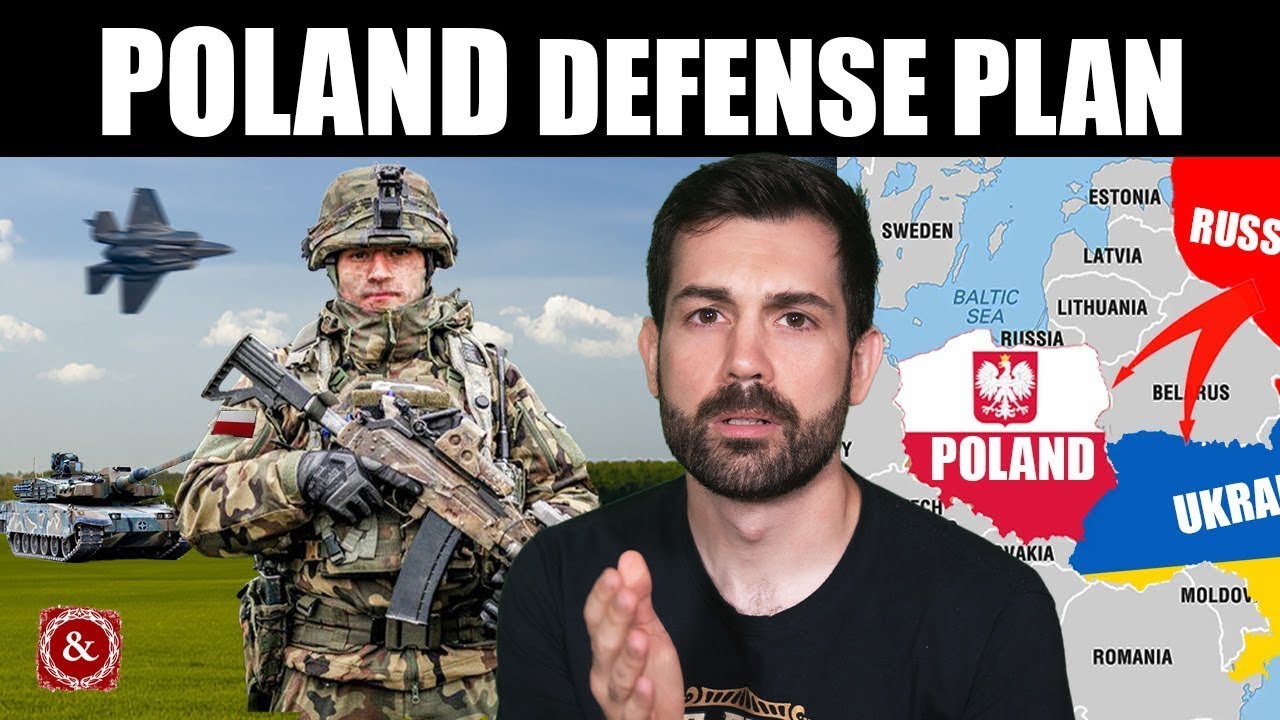
The article presents a comprehensive examination of Poland’s strategic military preparations in response to increasing regional threats, particularly from Russia. It outlines Poland’s ambitious goal to expand its military forces and modernize its capabilities, with a planned increase to 300,000 personnel and a defense budget that will reach 4% of GDP within the next five years. Moreover, the article explores the implications of Poland’s military expansion, including historical context, contemporary political dynamics, as well as concerns regarding long-term financing and effective defense strategies.
In addressing these issues, the article emphasizes the critical political climate shaped by the ongoing war in Ukraine, which has heightened Poland’s sense of urgency regarding its national security. It details the comprehensive overhaul of the military that includes significant investments in advanced technologies and weapon systems. Additionally, the discussion encompasses the humanitarian impact of Poland’s policies as it accommodates a substantial number of Ukrainian refugees, showcasing the interplay between military preparedness and social responsibilities within the country.
Poland’s Military Expansion

Doubling Land Forces
In response to escalating regional threats, Poland has embarked on a significant military expansion plan aimed at doubling its land forces to an unprecedented 300,000 personnel within the next five years. This ambitious initiative is not merely a statistical increase but reflects a fundamental shift in Poland’s strategic posture. It represents a comprehensive reassessment of national security needs in a landscape marked by volatility, particularly concerning relations with neighboring Russia and Belarus. As you examine this expansion, you may recognize that it is emblematic of Poland’s intent to fortify its defense apparatus in anticipation of potential conflicts. The doubling of land forces signifies a commitment to ensuring that Poland is prepared to confront any military challenges, preemptively countering claims of accidental invasion and enhancing its overall deterrent capability.
Impact on National Security
The implications of this military expansion extend far beyond the borders of Poland. By strengthening its land forces, you see an effort to enhance national security not only for Poland but also for its allies within NATO. The increase in troop numbers is aimed at fostering a more secure regional environment and serves as a deterrent against potential aggressors. By demonstrating military readiness and resolve, Poland seeks to project an image of strength, thus bolstering the overall stability of Central and Eastern Europe. The potential for deterring external threats hinges on the effectiveness of this military strategy, allowing Poland to navigate the complexities of international relations amidst rising tensions.
Timeline for Military Growth
Poland’s timeline for military growth is meticulously outlined, intending to unfold over the next five years. This phased approach allows for the gradual assimilation of new personnel, technology, and training methodologies into the armed forces. Each year is envisioned as a stepping stone toward complete military revitalization, encompassing recruitment drives, the modernization of existing infrastructure, and the introduction of cutting-edge military technologies. As you analyze this timeline, recognize its importance in establishing a structured approach toward national defense that prioritizes both immediate readiness and long-term sustainability.
Strategic Objective
Preventing Accidental Invasion Claims
A core component of Poland’s strategic objective is to mitigate the risks associated with accidental invasion claims. Historically, Poland has been a nation frequently misinterpreted and misrepresented on the geopolitical stage. In a bid to assert sovereignty and prevent misunderstandings, Poland views this military expansion as a means to substantiate its territorial integrity. By amplifying its defense capabilities, you observe a proactive approach in enhancing the nation’s deterrence posture against both real and perceived threats, ensuring that its borders remain unequivocally safeguarded.
Strengthening Deterrence
Strengthening deterrence is paramount in Poland’s military strategy, particularly in the current geopolitical climate. By amplifying its military capabilities, Poland aims to deter potential aggressors from contemplating hostile actions. The notion of deterrence encompasses not only a display of force but also the strategic communication of readiness and resolve. You may interpret this as a calculated endeavor to shift the balance of power in favor of Poland and its allies, fostering a security landscape wherein potential adversaries think twice before embarking on aggressive military endeavors.
Regional Geopolitical Context
To truly understand Poland’s military expansion, one must consider the regional geopolitical context. Poland shares borders with Ukraine and Belarus—two nations that exhibit complex dynamics influenced by Russian aggression and a broader historical narrative of conflict. As you delve into this context, you will recognize that Poland’s military preparedness is not an isolated endeavor but rather a strategic necessity rooted in historical precedents. The convergence of past invasions and current threats underscores the urgency with which Poland approaches its military enhancements.
Military Size Comparison
Surpassing France and Germany
Upon the completion of its military expansion, Poland is poised to surpass the combined military strength of France and Germany, positioning itself as a formidable player within Europe. This shift in military stature might be perceived as a bold assertion of national identity, underlined by a renewed sense of purpose and resilience. By achieving this enhanced military capability, Poland seeks not only to redefine its role within NATO but also to reassure its allies of its commitment to collective defense. You may consider the ramifications of this military ascendance, as it places Poland in a pivotal position within the European security framework.
Implications for NATO
Poland’s military expansion carries significant implications for NATO as a whole. As one of the alliance’s easternmost members, Poland’s strengthened military capabilities serve as a crucial bulwark against potential aggressors. The increase in troop numbers and modernization of military assets may compel NATO to reassess its collective defense strategies in response to evolving threats. You might reflect on how Poland’s transformation influences NATO’s overall cohesion, prompting discussions on burden-sharing and strategic allocation of resources among member states.
Regional Military Balance
The transformation of Poland’s military capabilities challenges the existing regional military balance. As Poland enhances its land forces, neighboring countries may be compelled to respond either through military enhancements of their own or through diplomatic means aimed at stabilizing relations. You may appreciate that this shift underscores the delicate interplay of deterrence and balance within the realm of international relations, where military strength plays a pivotal role in shaping regional politics.
Critical Political Climate
Post-World War II Context
The critical political climate in Poland is deeply rooted in its post-World War II history. You may consider how Poland’s experience of foreign invasions and subjugation has informed its current military strategy. Since regaining independence in 1989, Poland has navigated a complex geopolitical landscape shaped by historical grievances. The persistent threat from the East necessitates a vigilant and proactive defense posture. Recognizing this historical context enriches your understanding of Poland’s military ambitions and the urgency with which it approaches its national security.
Influence of the Ukraine War
The ongoing conflict in Ukraine significantly influences Poland’s military expansion strategy. As you assess this influence, note how the war has heightened Poland’s sense of vulnerability and urgency. The proximity of conflict serves as a stark reminder of the potential consequences of unchecked aggression. Consequently, Poland views the military enhancements as both a defensive measure for its sovereignty and a contribution to regional stability. This dynamic illustrates the intricate relationships between neighboring states and the impact of external conflicts on domestic military planning.
Domestic Political Considerations
Domestic political considerations play a pivotal role in shaping Poland’s military strategy. The government, under Prime Minister Tusk, underscores the importance of military readiness in response to external threats, thereby harnessing public sentiment towards defense spending. You may recognize that the public’s perception of security is intertwined with political agendas, posing complexities in the execution of military expansion. Furthermore, you must consider how populist sentiment influences policy decisions, raising questions about the sustainability and long-term viability of military investments.
Increased Defense Spending

Budget Allocation and Goals
Poland’s defense spending is projected to reach an unprecedented 4% of GDP over the next five years, amounting to an estimated $133 billion. This significant budget allocation denotes a strategic prioritization of national security and military readiness. You may view this commitment as a reflection of Poland’s determination to bolster its defense capabilities in light of regional threats. The allocation will facilitate the acquisition of advanced technologies, enhancement of training frameworks, and development of an efficient military-industrial complex.
Comparison to NATO Standards
Poland’s proposed defense budget is noteworthy in comparison to NATO’s established standards. The commitment to 4% of GDP surpasses the alliance’s annual guideline of 2%, positioning Poland as a frontrunner among its peers in terms of defense spending. This distinction may serve to elevate Poland’s standing within NATO, reinforcing its position as a critical ally in the face of emergent threats. You might analyze how this financial commitment could foster shifts in the allocation of resources and reconsiderations of NATO’s collective defense strategies.
Economic Implications of Defense Spending
While increased defense spending signals a proactive approach to national security, it also raises questions about potential economic implications. You may ponder the balance between military investment and societal needs related to healthcare, education, and social services. Critics caution against the long-term sustainability of such spending patterns, especially in light of Poland’s demographic challenges and economic conditions. The challenge lies in securing both national security and domestic welfare, creating a tenuous equilibrium that policymakers must navigate.
Military Overhaul
Goals for Modernization
The overarching goal of Poland’s military overhauls is to establish a modern, agile, and capable defense force that can respond effectively to contemporary challenges. As you consider these objectives, acknowledge that the modernization process encompasses the transformation of military doctrine, organizational structures, and operational methodologies. Such goals are imperative to fortify Poland’s military posture and ensure that it remains effective in a rapidly evolving security environment.
Acquisition of New Technology
Integral to the modernization initiative is the acquisition of new technologies and equipment. You may observe that this includes the procurement of 1,300 advanced main battle tanks, sophisticated air defense systems, and other state-of-the-art military assets. The focus on cutting-edge technology reflects a strategic shift away from aging Soviet-era equipment and towards a force that can leverage contemporary innovations. This modernization endeavor underscores Poland’s commitment to remaining competitive in the face of evolving military capabilities by potential adversaries.
Challenges in Implementation
Despite ambitious objectives, the implementation of Poland’s military overhaul is fraught with challenges. You may recognize the logistical complexities of integrating new technology and training existing personnel to operate advanced systems. Furthermore, there are concerns regarding financial sustainability and long-term funding for modernization efforts. Navigating these intricate challenges will require a coordinated approach among military leadership, governmental institutions, and industry stakeholders to ensure that Poland’s military modernization moves forward without undue impediments.
Humanitarian Impact
Response to Ukrainian Refugees
Poland’s military expansion is complemented by its humanitarian response to the crisis in Ukraine, where the country has welcomed 1.3 million refugees fleeing the conflict. This response reflects a commitment to humanitarian principles while also embedding Poland within a broader regional framework of solidarity. You may perceive this dual approach as indicative of Poland’s willingness to balance security needs with moral responsibilities, illustrating the complexities that accompany military preparedness in the face of humanitarian crises.
Social Stability and Integration
The influx of refugees from Ukraine presents both challenges and opportunities for social stability and integration. As Poland strives to enhance its military capabilities, the integration of refugees into Polish society becomes a pertinent issue. You may explore how the government navigates social dynamics, aiming to create inclusive policies that promote cohesion and stability while addressing the needs of its own citizens. Effective integration strategies can foster a resilient social fabric amidst security challenges.
Broader Humanitarian Considerations
The humanitarian considerations arising from Poland’s military expansion extend beyond immediate refugee needs, encompassing broader global responsibilities. You may contemplate how Poland’s actions not only contribute to regional stability but also influence global perceptions of the country’s commitment to democratic values and human rights. The interplay between military readiness and humanitarian action shapes Poland’s identity on the world stage, prompting reflections on its role as a responsible global actor.
Future Challenges
Defense Modernization Issues
As Poland progresses in its military modernization efforts, several issues may arise that necessitate careful management. You may consider challenges related to procurement processes, training regimens, and the sustainable integration of new technologies. The complexity of defense modernization underscores the requirement for effective logistical planning, resource allocation, and stakeholder collaboration to ensure successful outcomes.
Investment in Unique Weapon Systems
Poland’s military strategy may benefit from targeted investments in unique weapon systems tailored to its specific strategic needs. As you analyze this aspect, consider the importance of diversifying the military portfolio to include capabilities that address not only conventional threats but also hybrid warfare tactics employed by adversaries. This investment in specialized systems will be crucial in enhancing deterrence and operational effectiveness.
Developing Tactical Strategies
Developing accurate and flexible tactical strategies is a central challenge for Poland during its military expansion. As you examine Poland’s strategic approach, appreciate the significance of formulating strategies that align with contemporary security demands while remaining adaptable to unforeseen circumstances. Tactics must be crafted to respond to the multifaceted nature of modern warfare, encompassing both conventional military actions and the complexities of hybrid threats.
Regional Threats
Russian Aggression and Neo-Imperial Policies
The specter of Russian aggression looms large over Poland, shaping its military strategies and defensive postures. You may contemplate the historical underpinnings of this aggression, characterized by the reemergence of neo-imperial policies that challenge European security norms. Poland’s military expansion can be seen as an implicit acknowledgment of the persistent threat posed by its eastern neighbor, demanding a vigilant and proactive defense approach in response to provocations.
Belarusian Military Movements
The activities of the Belarusian military also contribute to the regional security landscape. You may note that recent claims of airspace violations by Belarusian helicopters illustrate the ongoing tensions along Poland’s borders. Such provocations underscore the necessity for Poland to maintain a robust military posture capable of addressing both direct and indirect threats emanating from neighboring states.
Hybrid Warfare Tactics
Additionally, Poland confronts the reality of hybrid warfare tactics—an interplay of conventional military aggression, cyber operations, and disinformation campaigns. As you reflect on this multifaceted threat, recognize the challenges posed to traditional military strategies. Poland’s ability to counter these hybrid tactics will heavily depend on integrating new technologies, fostering intelligence capabilities, and enhancing collaboration with allies to secure its national interests.
Conclusion
Summary of Poland’s Strategic Preparedness
In conclusion, Poland’s military expansion emerges as a critical response to shifting geopolitical dynamics and regional threats. You have witnessed how the expansion reflects a broader strategy that aims at enhancing national security, strengthening deterrence, and solidifying Poland’s role within NATO. The multifaceted approach to military growth encapsulates Poland’s historical context, contemporary challenges, and future aspirations.
The Importance of Continued Vigilance
As you contemplate the evolving security landscape, recognize the importance of continued vigilance in preserving national sovereignty and ensuring regional stability. Poland’s military transformation constitutes a vital component of a broader strategy that necessitates ongoing assessment and adaptation to impediments that may arise.
The Balance Between Defense and Diplomacy
Finally, Poland’s military expansion highlights the delicate balance between defense and diplomacy in navigating international relations. You might ponder the implications of military preparedness on diplomatic endeavors, reflecting on how Poland can foster collaborative relationships with allies while asserting its security needs. The interplay between military strength and diplomatic dialogue is crucial in shaping Poland’s future in a region marked by uncertainty.